
The domes
Above the cubes.
Hildie.Meets.World — CC BY-SA 4.0 · LekëC — CC BY-SA 4.0 · Arianit — CC BY-SA 4.0 · CivArmy — CC BY 4.0 · Luctor — CC0 · Irina Gelbukh — CC BY-SA 4.0
The National Library of Kosovo is one of the strangest-looking and most photographed buildings in the Balkans: a cluster of cubes crowned by many white domes, its façades wrapped in a metal net. It was designed by the Croatian architect Andrija Mutnjaković, the library moved in in 1982, and it bears the name of the writer Pjetër Bogdani. The library was formally founded in December 1944 in the city of Prizren and is now Kosovo's highest library institution, collecting and preserving the country's written heritage, holding exhibitions and keeping an archive of national newspapers. It went through hard times in the 1990s, when many library collections in the country were burned, and the building sheltered refugees from Bosnia and Herzegovina and Croatia. Its design divides opinion: some call it a masterpiece, others have listed it among the ugliest buildings in the world, but it is worth a stop either way. It stands on the university campus south of the centre, and viewing it from outside is free.
Above the cubes.
Over the façades.
South of the centre.
University campus south of the centre, Pristina
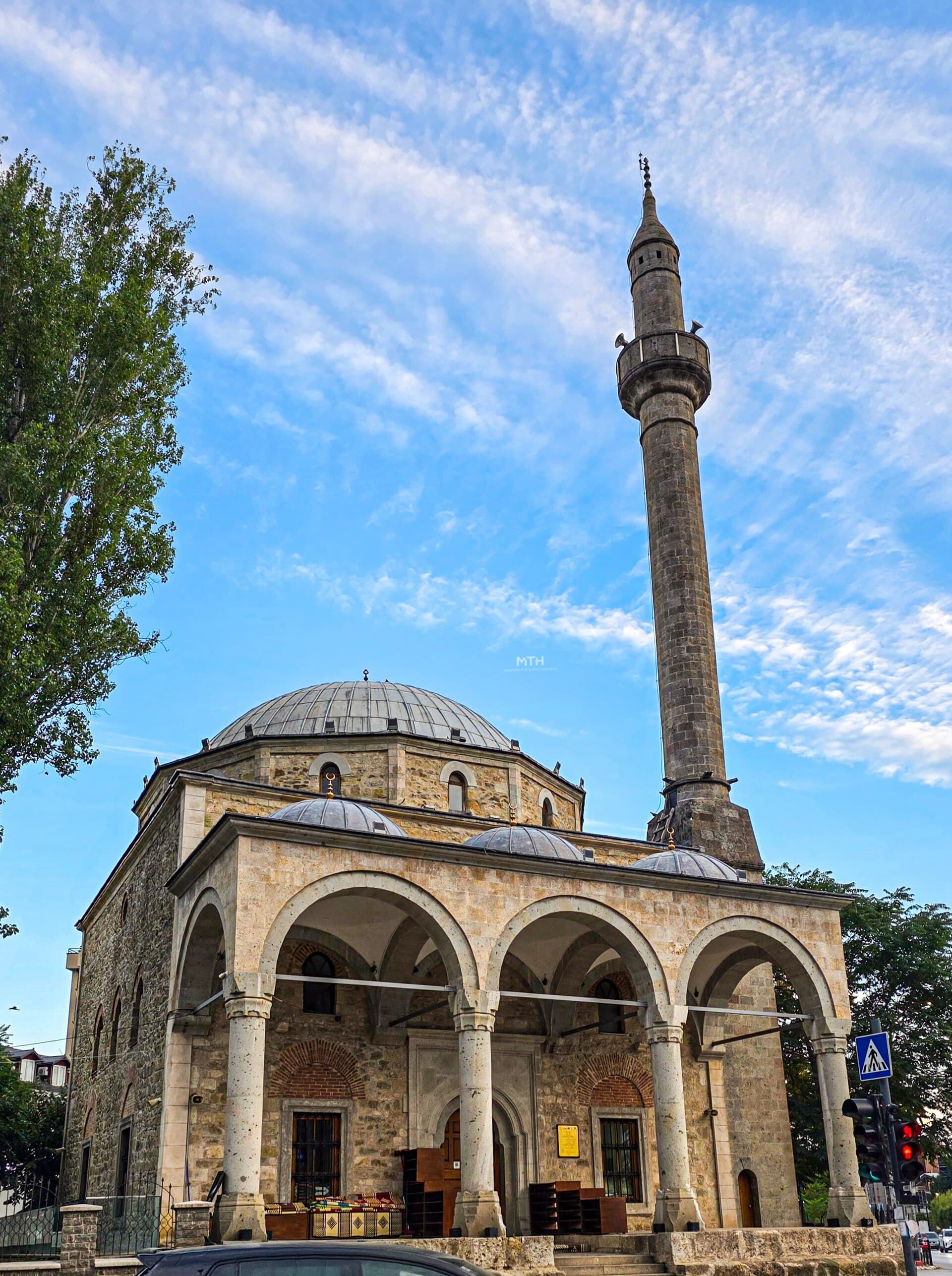 Çarshi MosqueThe Çarshi Mosque, the «Bazaar Mosque», also known as the Stone Mosque, is the o12 minutes walk4.5
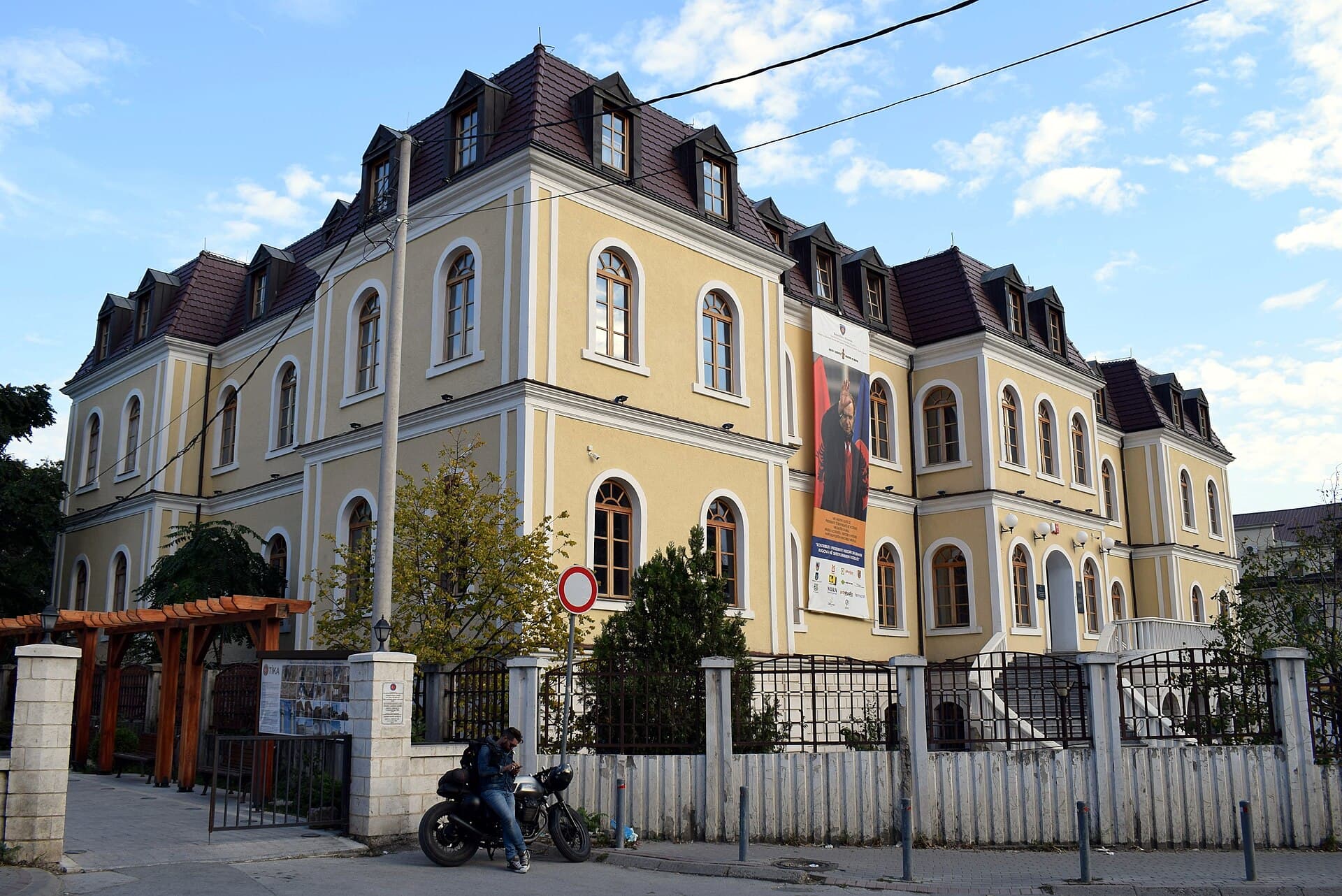 Kosovo MuseumThe Kosovo Museum is the national museum and the largest in the country, set in 12 minutes walk4.1
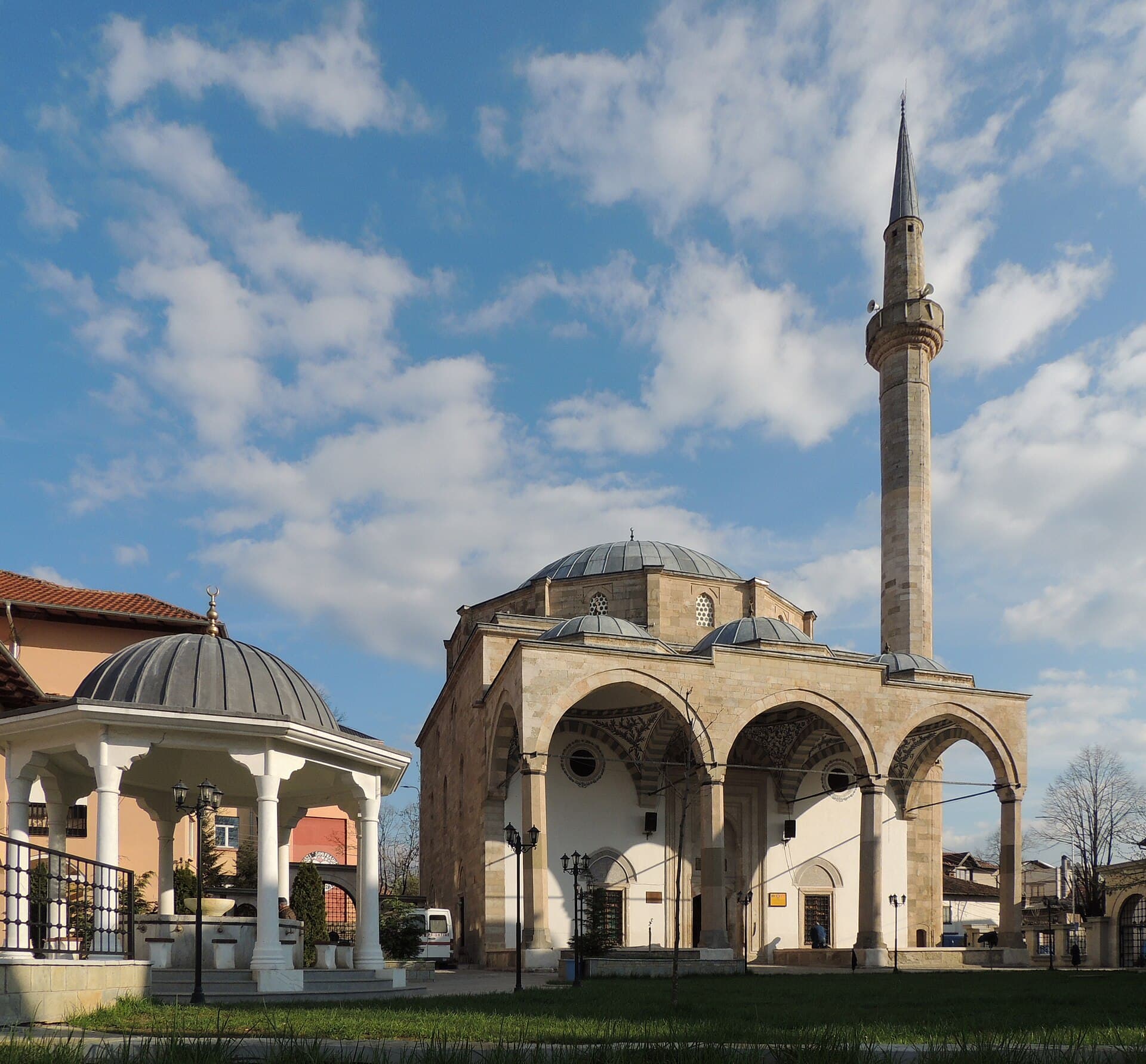 Imperial MosqueThe Imperial Mosque, also called the Sultan Mehmed Fatih Mosque or King's Mosque14 minutes walk4.9
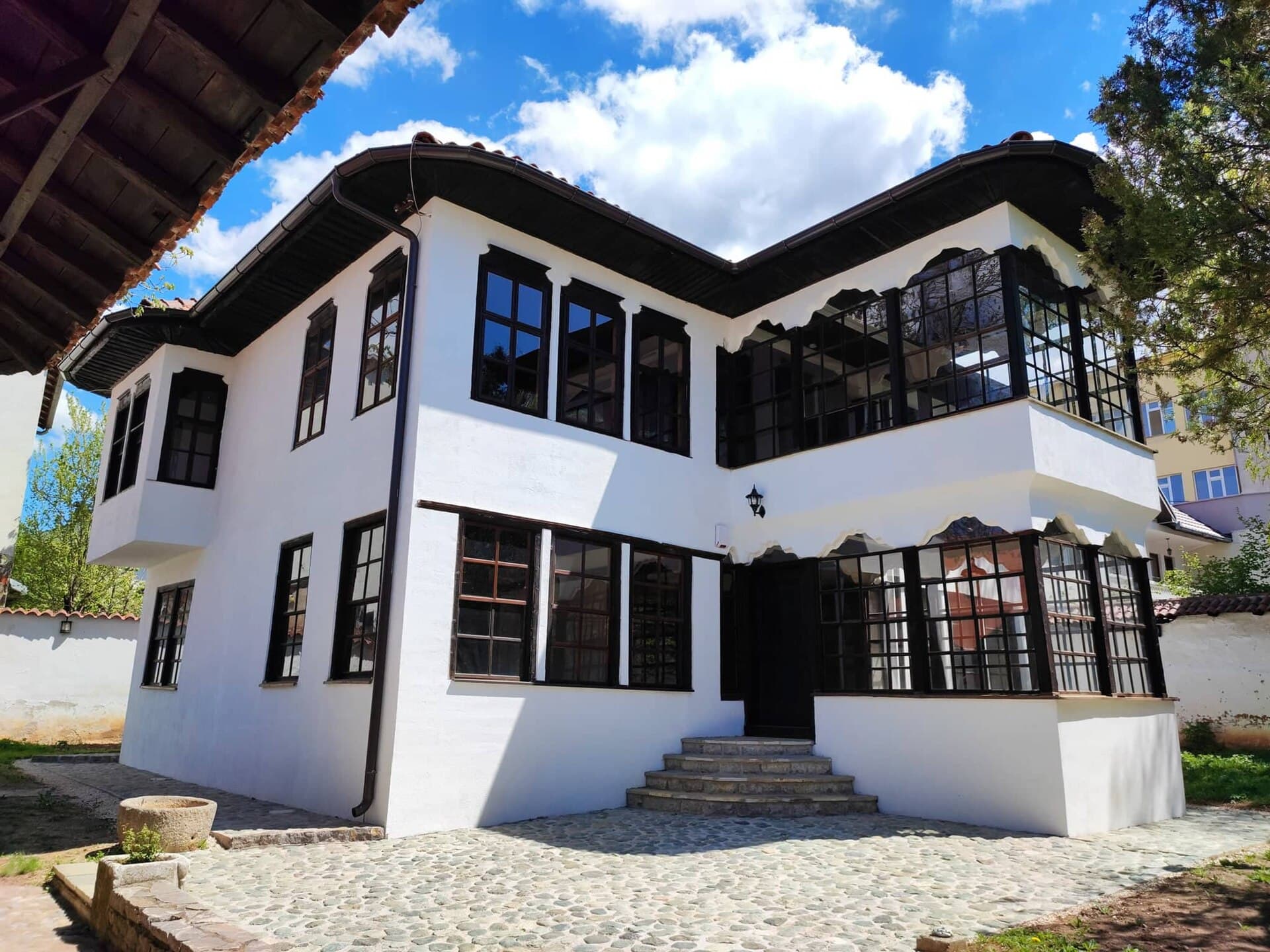 Ethnological MuseumThe Ethnological Museum is housed in the Emin Gjiku complex, an 18th-century Ott15 minutes walk4.0
The Croatian architect Andrija Mutnjaković; the library moved into the building in 1982.