
The iron-and-glass court
Cast-iron columns branch into wrought leaves beneath a glass roof; the best view is from the upper gallery.
Oscar Taylor — CC BY-SA 2.0 · Lewis Clarke — CC BY-SA 2.0 · -wuppertaler — CC BY-SA 4.0 · -wuppertaler — CC BY-SA 4.0
On 30 June 1860, in this very building, the Bishop of Oxford squared up to the biologist Thomas Huxley and argued in public over Darwin's theory, published only months earlier; a building not yet finished became the stage for one of the most famous scientific quarrels in history. Today a towering Tyrannosaurus stands in the main court beneath a roof of glass and cast iron, with slender iron columns branching overhead into wrought leaves and stems, so that you feel you have walked into a Gothic cathedral built for science rather than worship. The building alone justifies the visit, and entry is free, with no ticket and no booking. The collection runs past seven million specimens, but three things will stay with you. The dinosaurs in the centre of the court, including Middle Jurassic bones dug from quarries around Oxford itself. The dodo: the museum keeps a head and a foot that are the only soft-tissue remains of the extinct bird anywhere in the world (a cast is what you see in the gallery; the original stays in storage), and Lewis Carroll, a regular visitor, is thought to have drawn the Dodo of Alice in Wonderland from the Oxford dodo and the painting of it that hangs here. And the upper gallery that rings the court, where you meet the roof at close range and take the best photograph in the building. With children this is one of the most reliable stops in Oxford: rocks and minerals you are allowed to handle, animal skeletons at their eye level, and a single open space where it is hard to lose anyone. Pushchairs are welcome, a lift reaches the upper gallery, and there are baby-changing facilities. One warning: on weekday mornings in term time the court fills with school groups, so come after 15:00, at the weekend, or in the first hour on a Tuesday, Thursday or Friday, which the museum itself names as its quietest. In the summer holidays families replace the school parties, but the hall is big enough and there is rarely a queue at the door. The most useful tip: this museum is the only public way into the adjoining Pitt Rivers Museum of anthropology, whose arched doorway appears behind the statue of Darwin at the far end of the court. Plan the two together; an hour in each makes a full morning that costs nothing. Pitt Rivers opens from 10:00 Tuesday to Sunday but only from noon on Mondays. The museum is a twenty-minute walk from Oxford station, and there is no parking on site, so leave the car at Westgate or at one of the park-and-ride sites around the city. Closed 24 to 26 December.
Cast-iron columns branch into wrought leaves beneath a glass roof; the best view is from the upper gallery.
A Tyrannosaurus in the main court and Middle Jurassic bones dug from quarries close to the city.
A head and foot that are the world's only soft-tissue dodo remains, and the likely inspiration for the Dodo in Alice in Wonderland.
Parks Road, Oxford OX1 3PW
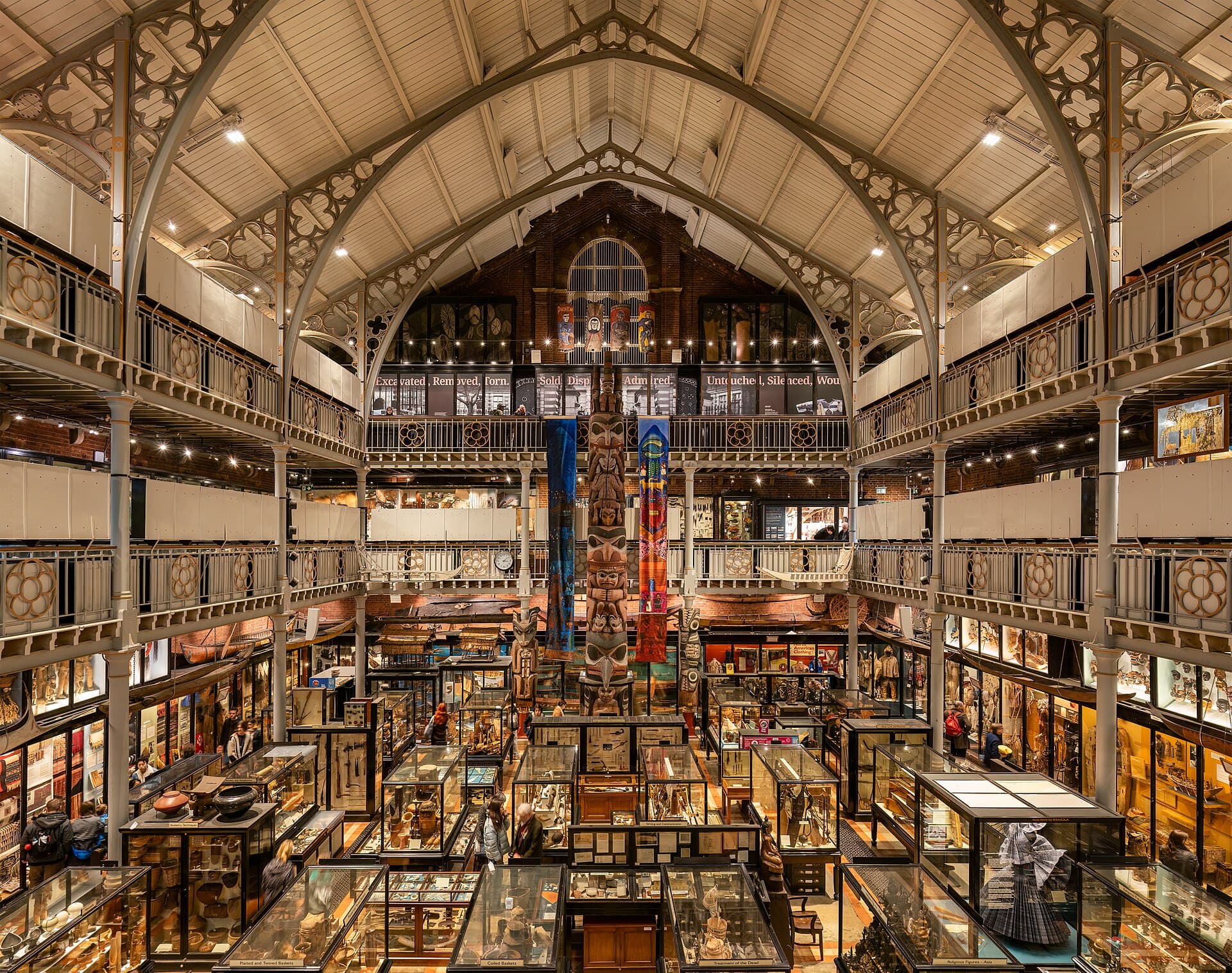 Pitt Rivers MuseumThere is no front door. You enter the Museum of Natural History on Parks Road, w1 minute walk4.6
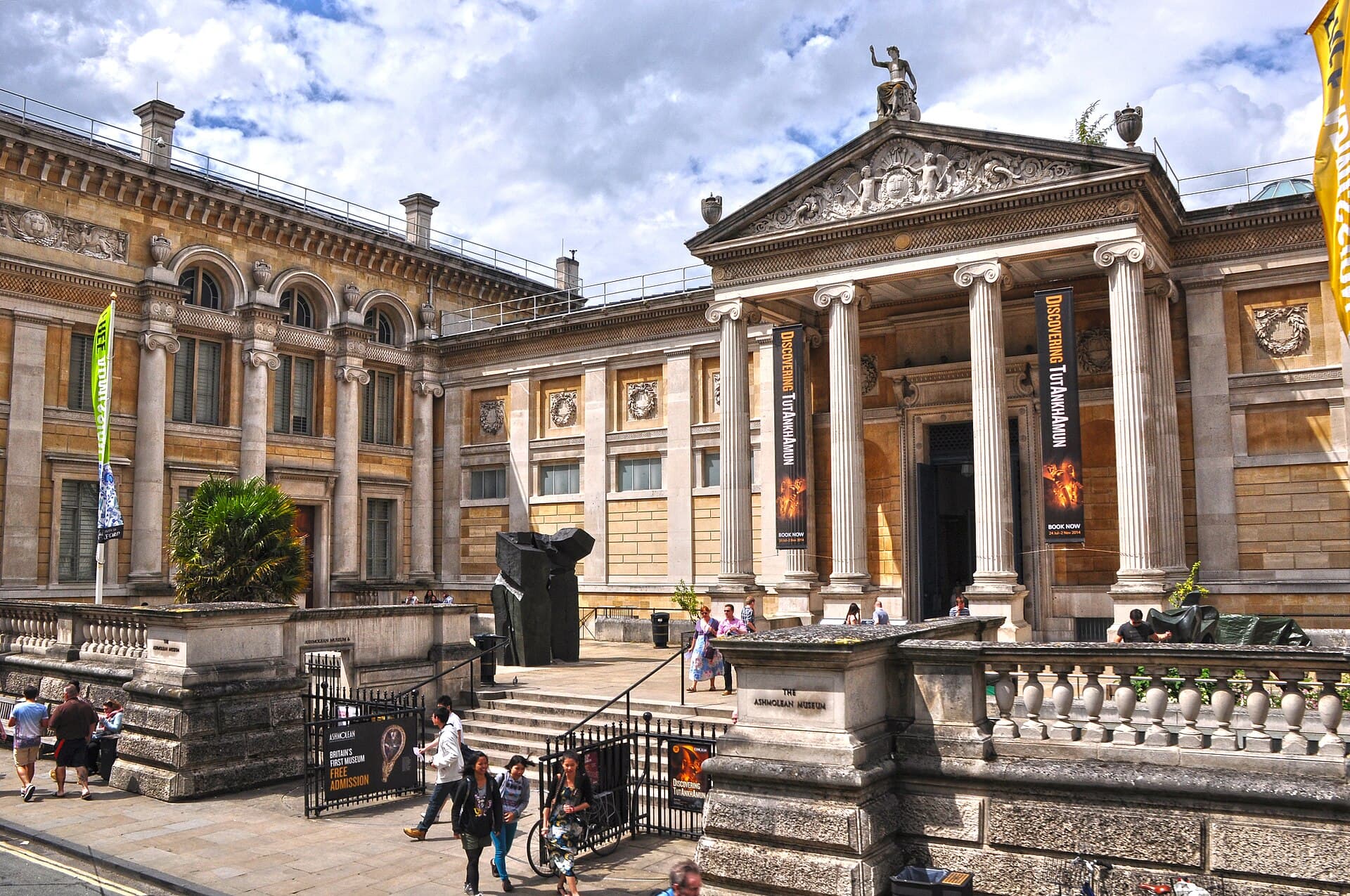 Ashmolean MuseumSeventy years before the British Museum existed, Oxford already had a museum tha6 minutes walk4.8
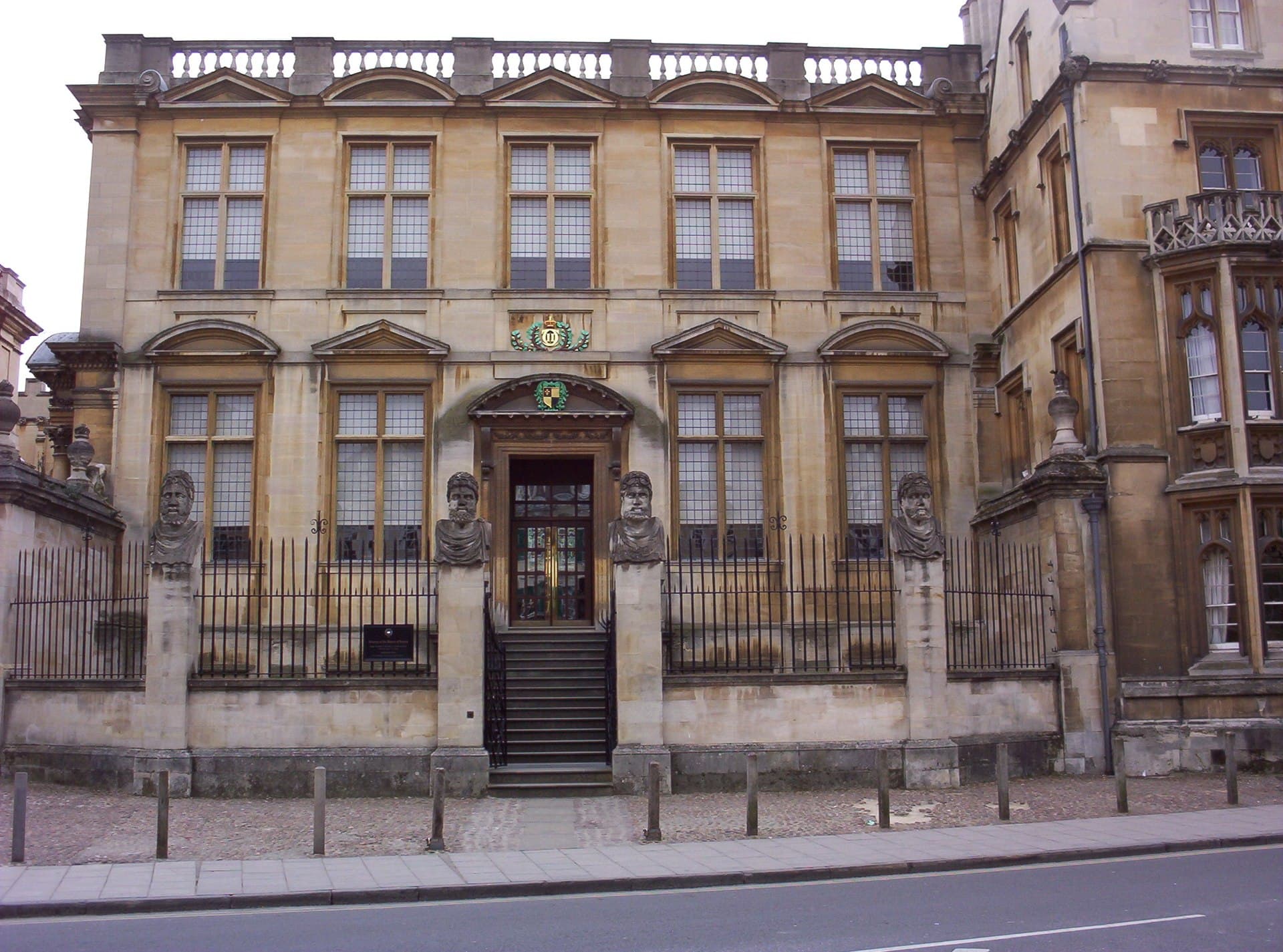 History of Science MuseumIn the entrance gallery, behind glass that gives nothing away from a distance, s7 minutes walk4.3
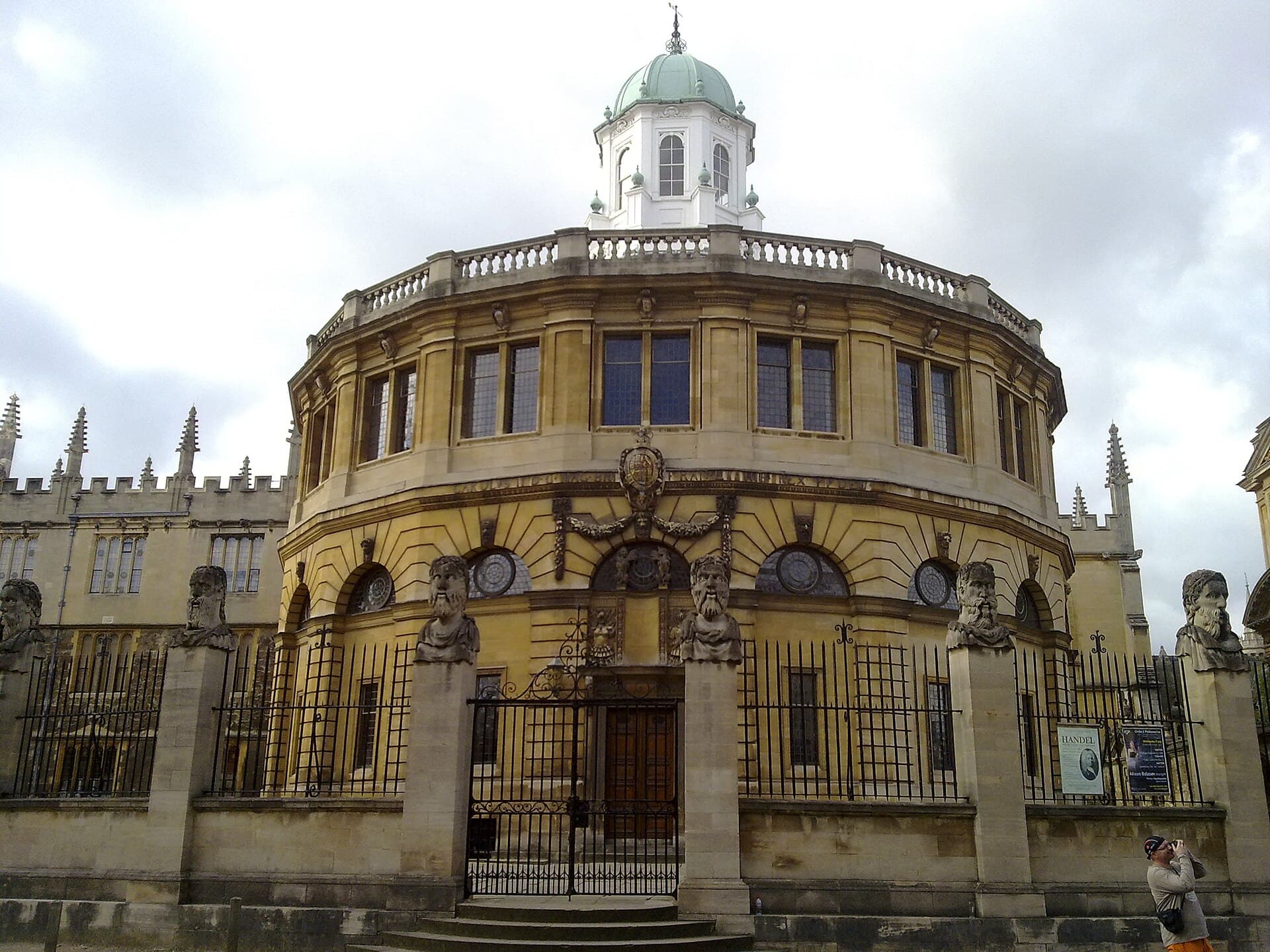 Sheldonian TheatreBefore Christopher Wren built St Paul's, he was an Oxford astronomy professor wi7 minutes walk4.8
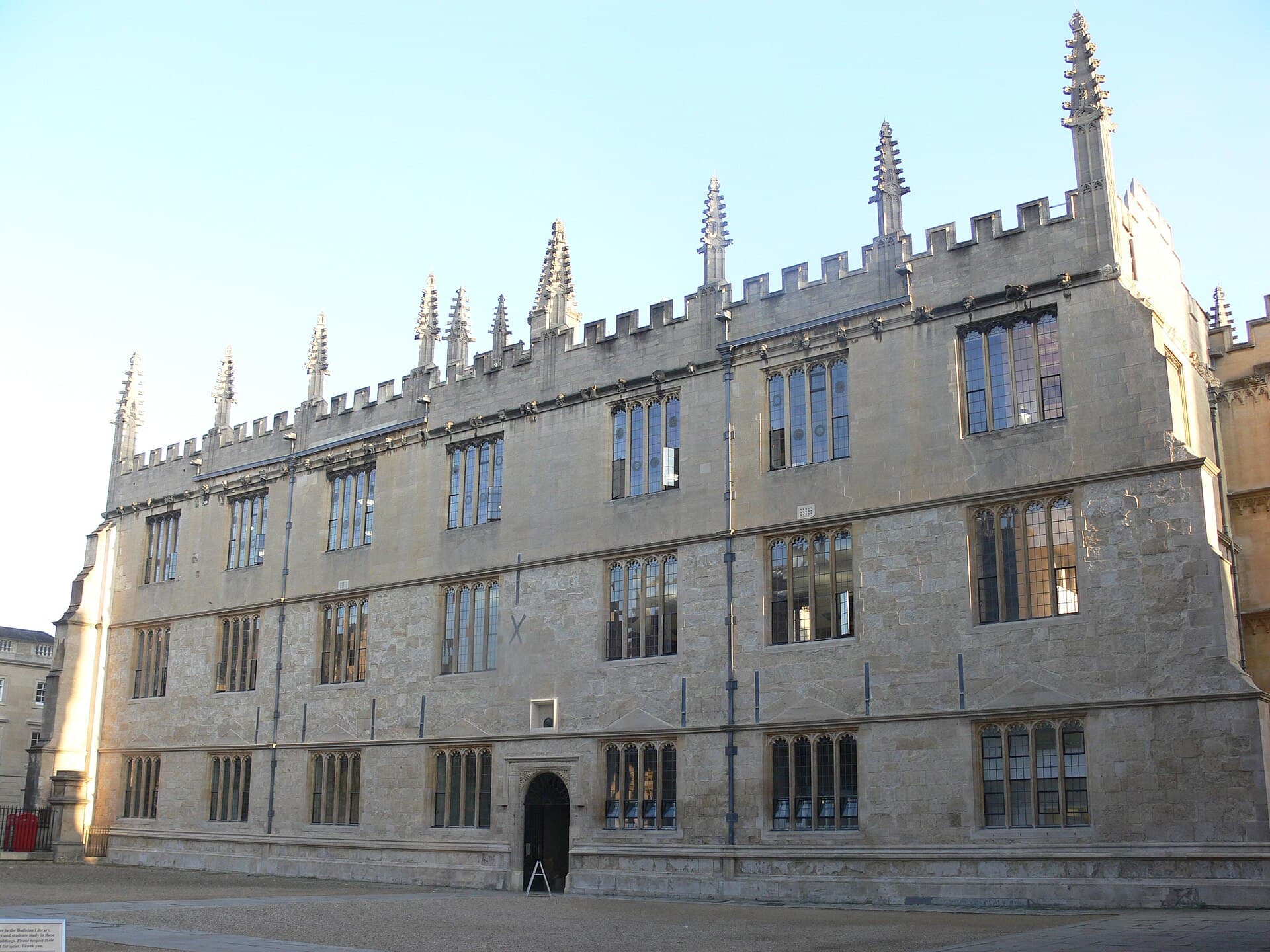 Bodleian LibraryNobody has been allowed to borrow a book from this library since it opened in 167 minutes walk4.5
London's museum is many times larger, but this one is far easier with small children: a single open hall with hardly any queues, minerals you can touch, and one to two hours covers it. If you are in Oxford anyway it is the best free family hour in the city, but do not make a special trip from London just for it.
Its only public entrance is through this museum: walk the length of the main court past the dinosaurs and turn left at the statue of Darwin for the arched doorway. It is also free, but note it opens only from noon on Mondays.