
Displays by type, not country
The founder's 1884 principle: locks, lamps and masks from different continents share one case, and the human likenesses jump out.
Rhododendrites — CC BY-SA 4.0 · Geni — CC BY-SA 4.0 · Rhododendrites — CC BY-SA 4.0 · Gaius Cornelius — CC BY 4.0
There is no front door. You enter the Museum of Natural History on Parks Road, walk past the dinosaurs, turn left at the statue of Darwin, step through a stone arch, and the world changes: a dim three-level court crammed with Victorian wooden cases, each packed to the last centimetre with masks, baskets, boats, knives, amulets and musical instruments from every continent. The low light is not neglect. It is deliberate, protecting the objects and giving the place the shadowy, slightly conspiratorial mood it is famous for. What sets Pitt Rivers apart from every other ethnographic museum goes back to its founder, General Augustus Pitt Rivers, who gave his collection to the University of Oxford in 1884 and wrote into the deed of gift that his principle of display must be kept: objects were to be arranged by type and function, not by country. So one case holds locks from Europe, Africa and China side by side; another gathers lamps from far-flung parts of the world. The effect is oddly moving, as you notice how alike human answers to the same problem turn out to be. The towering Haida totem pole from Haida Gwaii in Canada, more than eleven metres tall, is where everyone ends up, and many of the century-old handwritten labels are still in place. The shrunken heads that made the museum a student legend for decades were taken off display in 2020 as part of a wide ethical review; anyone coming specifically for them will find an explanatory panel instead. Entry is completely free, with no ticket or booking, except for organised groups, which must book ahead. Doors open Tuesday to Sunday 10:00 to 17:00 and on Mondays only from noon (bank-holiday and half-term Mondays open at 10:00), so do not arrive early at the start of the week. For families: children over about seven who enjoy a treasure hunt love it, but the aisles are narrow and crowded; a pushchair gets in via a platform lift at the entrance from the Natural History Museum yet is awkward between the cases. In summer the court fills with tour groups after lunch, so walk in at 10:00 sharp. In winter it shuts at 17:00 with darkness falling before that, so make it your afternoon plan. From Oxford station it is a walk of roughly 25 minutes; there is no nearby parking, so use the Park and Ride sites on the edge of the city.
The founder's 1884 principle: locks, lamps and masks from different continents share one case, and the human likenesses jump out.
A carved house post more than eleven metres tall, brought from Haida Gwaii in Canada in 1901, rising through the levels of the dim court.
Thousands of original labels still sit on the objects; squinting at them in the half-light is part of the fun.
South Parks Road, Oxford OX1 3PP (enter from Parks Road via the Museum of Natural History)
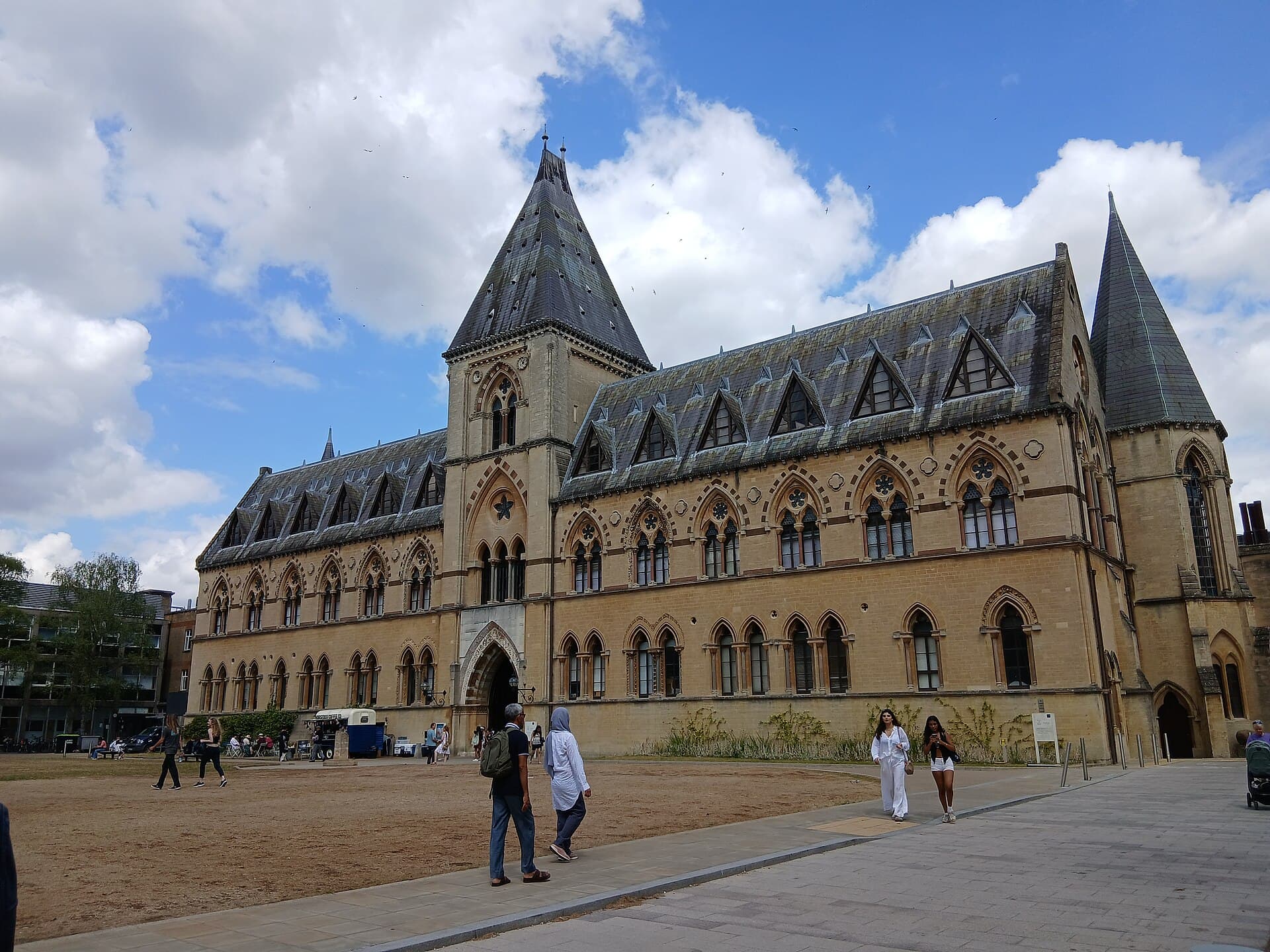 Oxford University Museum of Natural HistoryOn 30 June 1860, in this very building, the Bishop of Oxford squared up to the b1 minute walk4.9
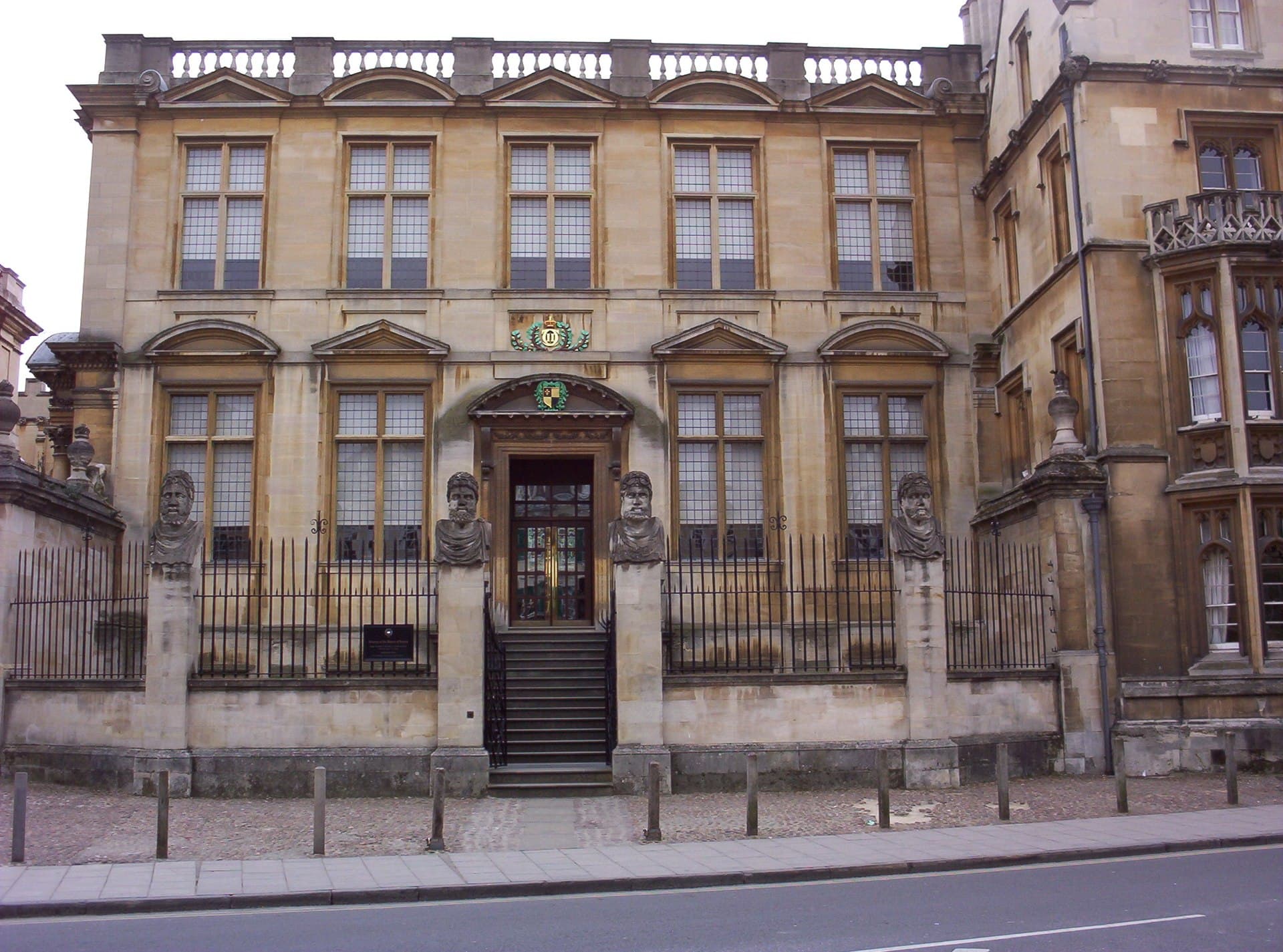 History of Science MuseumIn the entrance gallery, behind glass that gives nothing away from a distance, s6 minutes walk4.3
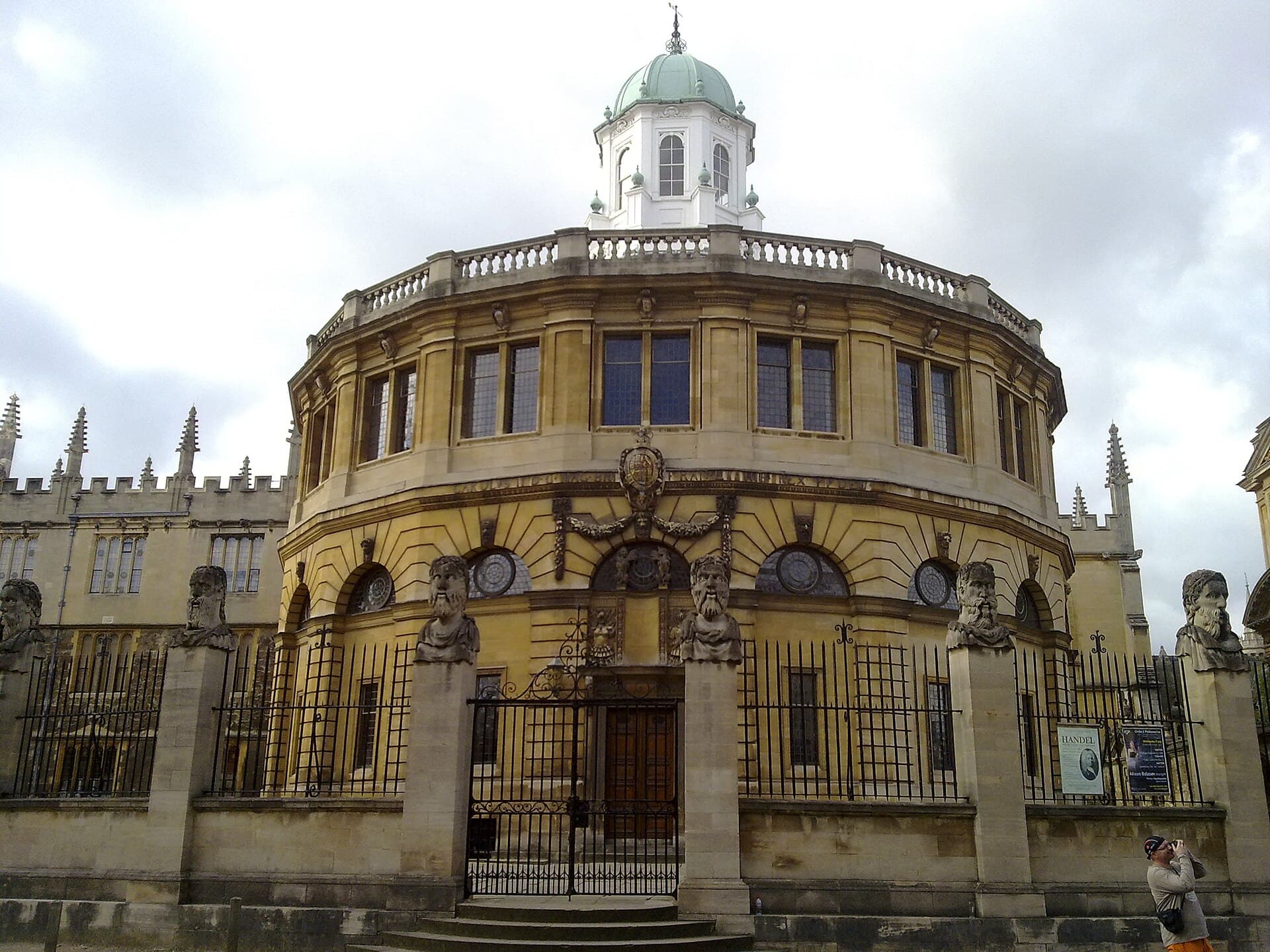 Sheldonian TheatreBefore Christopher Wren built St Paul's, he was an Oxford astronomy professor wi6 minutes walk4.8
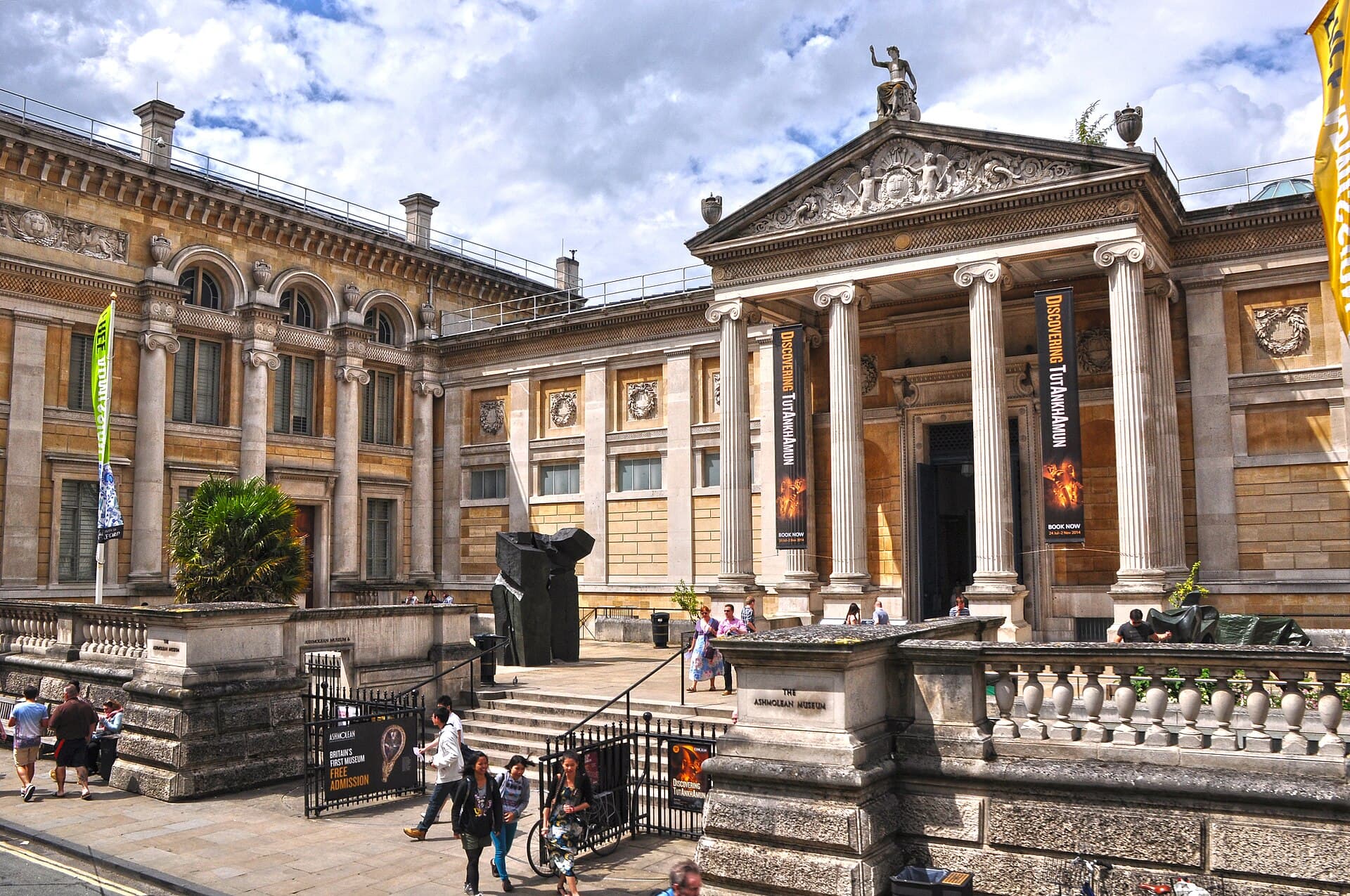 Ashmolean MuseumSeventy years before the British Museum existed, Oxford already had a museum tha6 minutes walk4.8
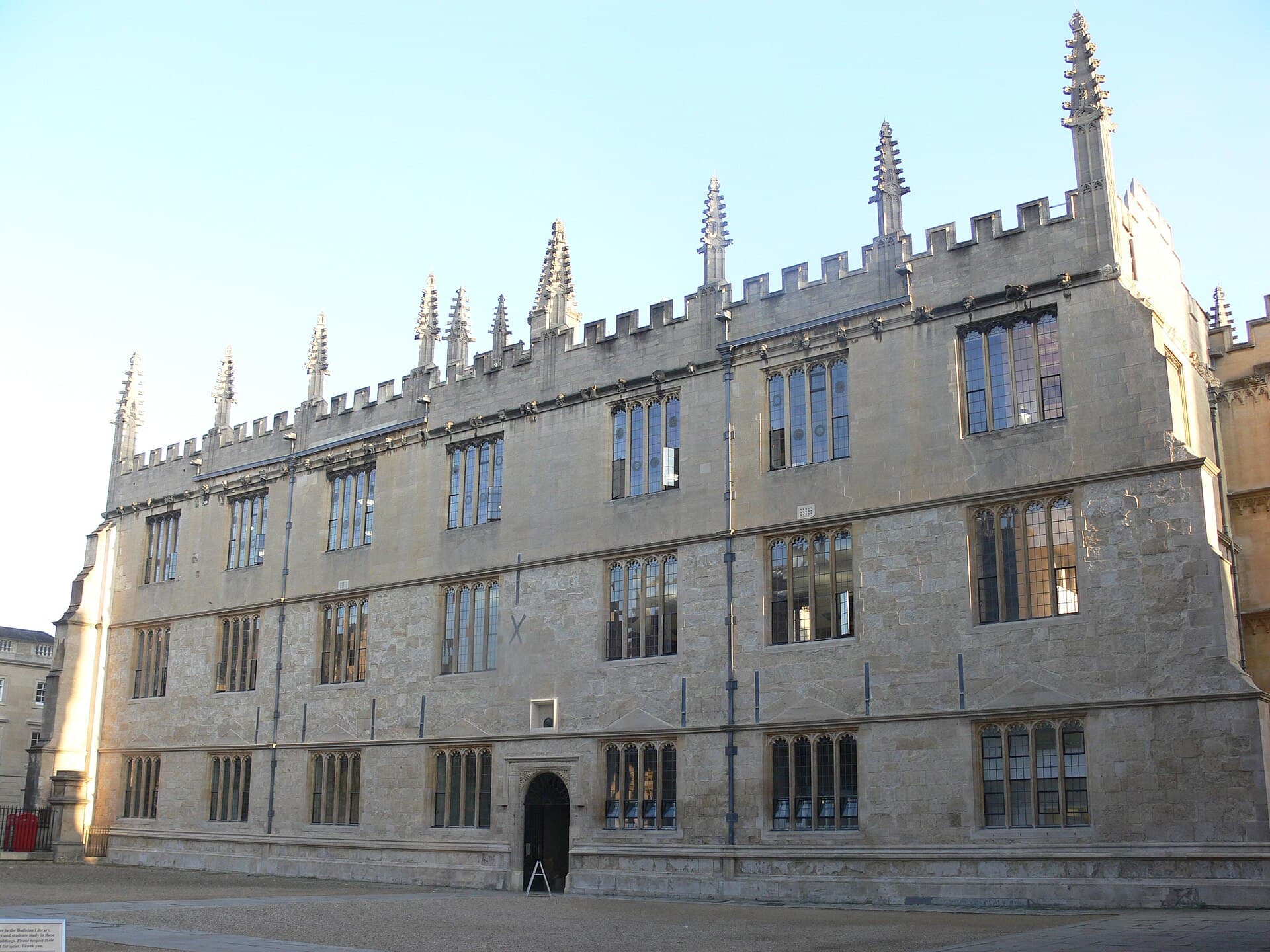 Bodleian LibraryNobody has been allowed to borrow a book from this library since it opened in 166 minutes walk4.5
If you are already inside the Natural History Museum, turning through the arch costs you no ticket and no extra walking, and an hour is plenty if you like detail and atmosphere. If time is tight and the children are small, the dinosaurs in the first hall will entertain them more, and Pitt Rivers can be skipped without much regret.
No. They were removed in September 2020 and there are no plans to bring them back; a panel explaining the decision stands where they were. Anyone coming specifically for them will be disappointed.