
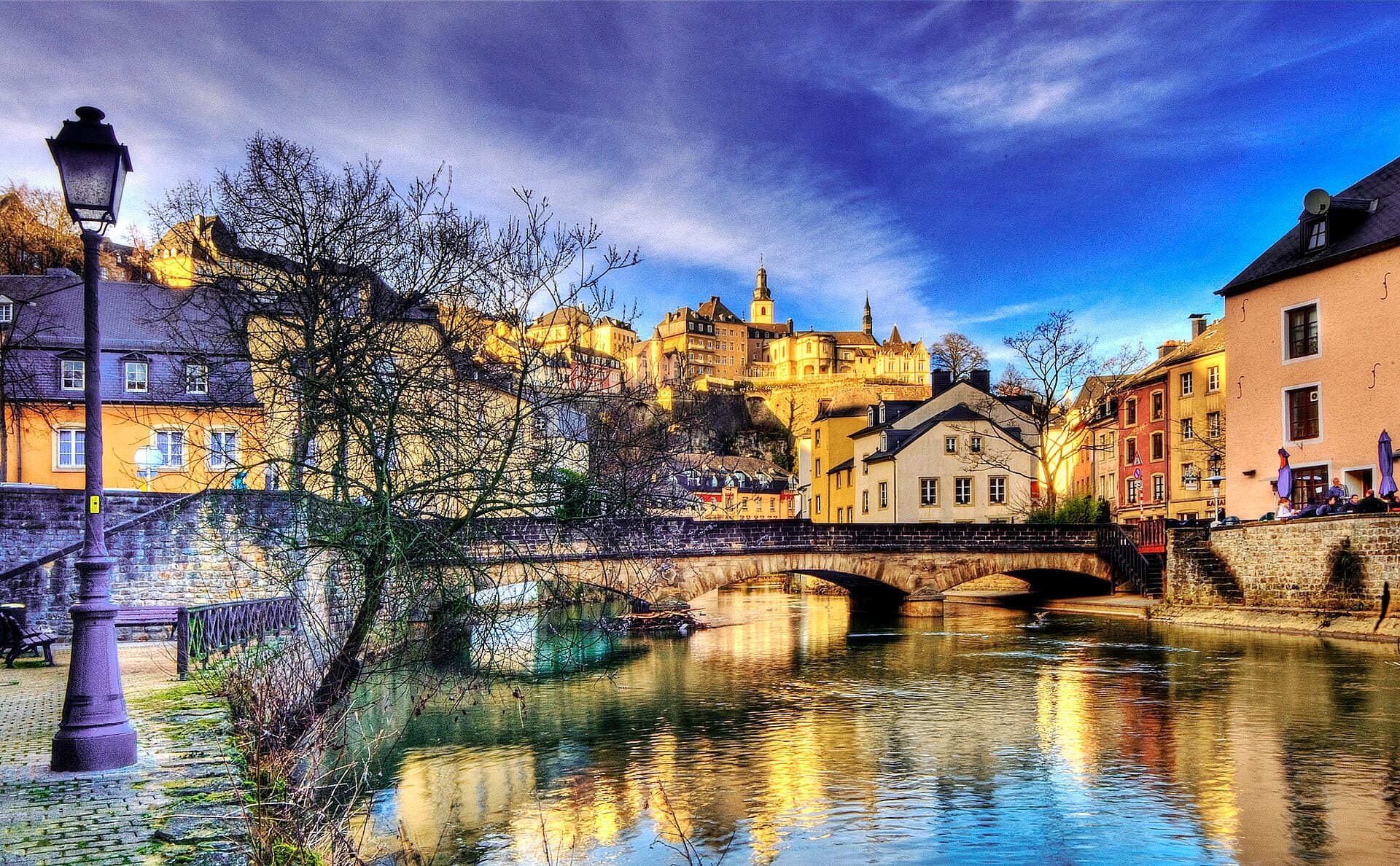
The Grund view
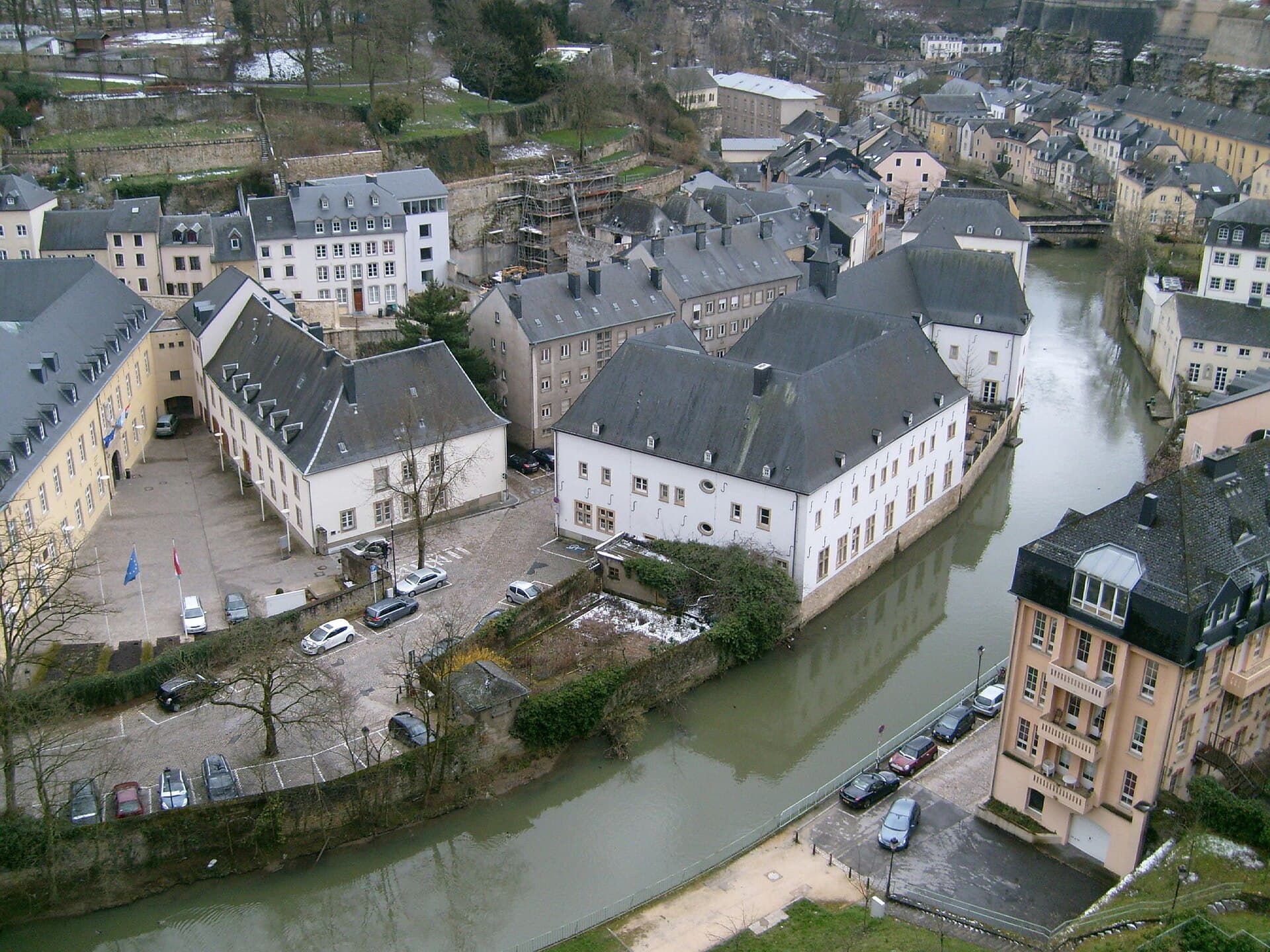
The lower town, its river and stone houses below you.
Francisco Anzola — CC BY 2.0 · yeowatzup — CC BY 2.0 · Zinneke — CC BY-SA 3.0 lu
The Chemin de la Corniche is a short walk running along the top of the old ramparts at the eastern edge of the upper town, described by the Luxembourgish writer Batty Weber as the most beautiful balcony in Europe — a description repeated so often that it became the place's common name. The view explains the whole city at a glance: you stand on a vertical rock edge with the Grund quarter directly below, its stone houses on both banks of the Alzette, its church towers, the remains of fortifications cut into the opposite cliff, and bridges crossing the valley at different levels. Upper town and lower town in a single frame. The walkway itself was built on ramparts laid out by the Spanish and the French in the seventeenth and eighteenth centuries, and runs only a few hundred metres. It is free and always open, and best in the early morning when the light falls into the valley and there are no crowds, or before sunset. The path connects naturally between the Bock casemates and the lift down to the Grund.
The lower town, its river and stone houses below you.
Crossings at different levels over the valley.
Chemin de la Corniche, 1945 Luxembourg
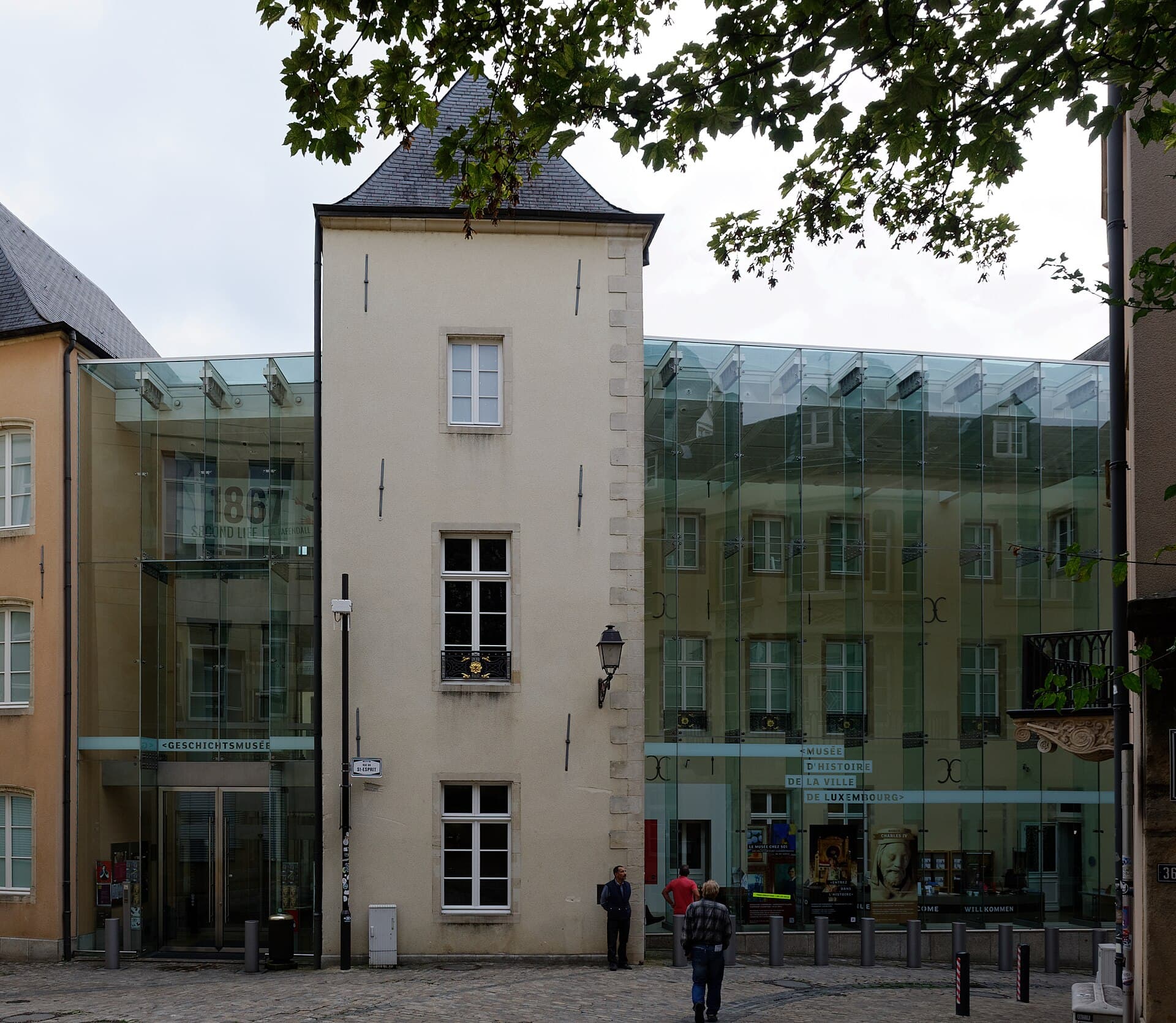 The Luxembourg City History MuseumThe City History Museum occupies four adjoining historic houses in the upper tow1 minute walk4.7
 The National Museum of Natural HistoryThe National Museum of Natural History is in the Grund, housed in the former Hos1 minute walk4.7
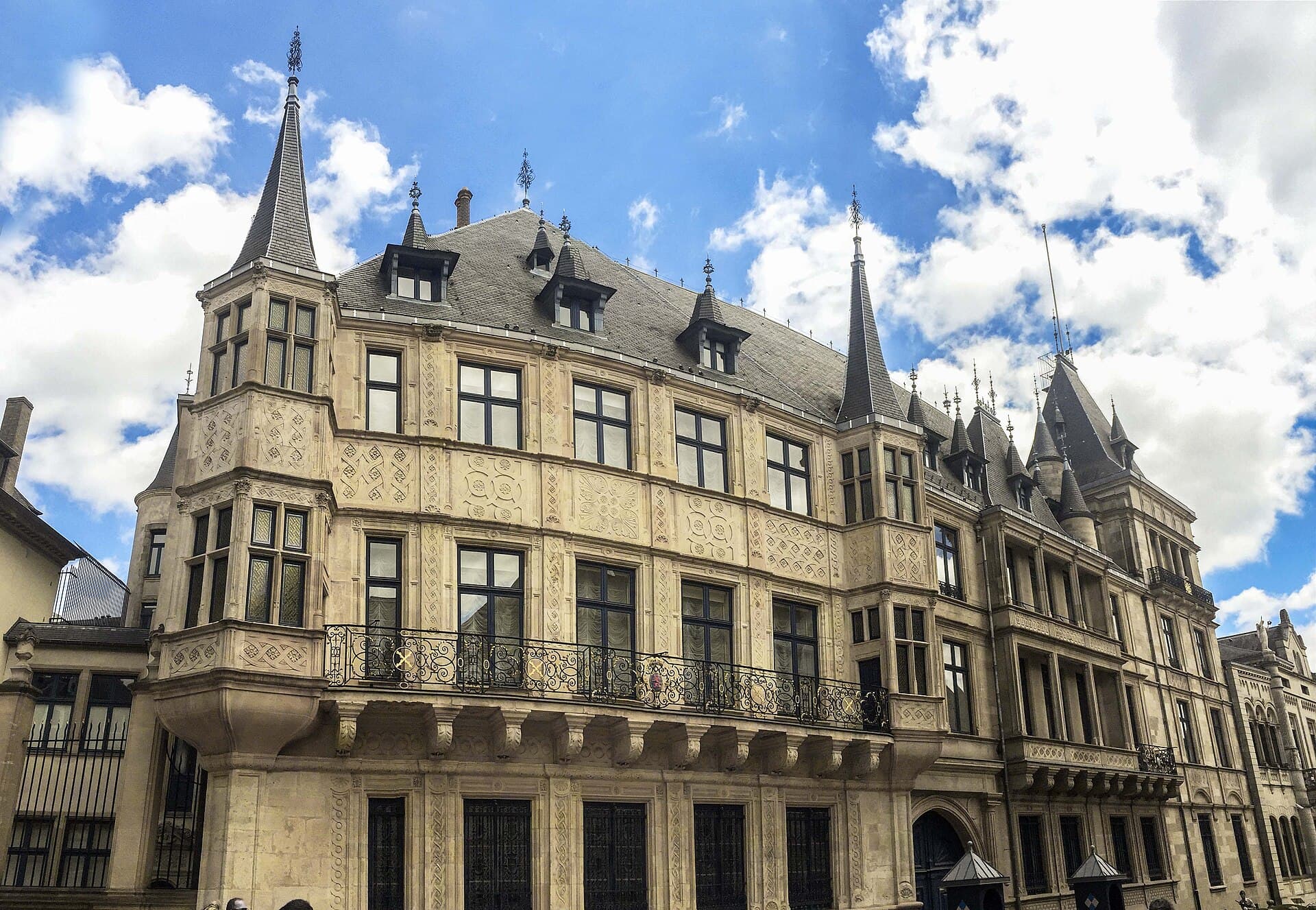 The Grand Ducal PalaceThe Grand Ducal Palace is the working residence of the Grand Duke, Luxembourg's 2 minutes walk4.5
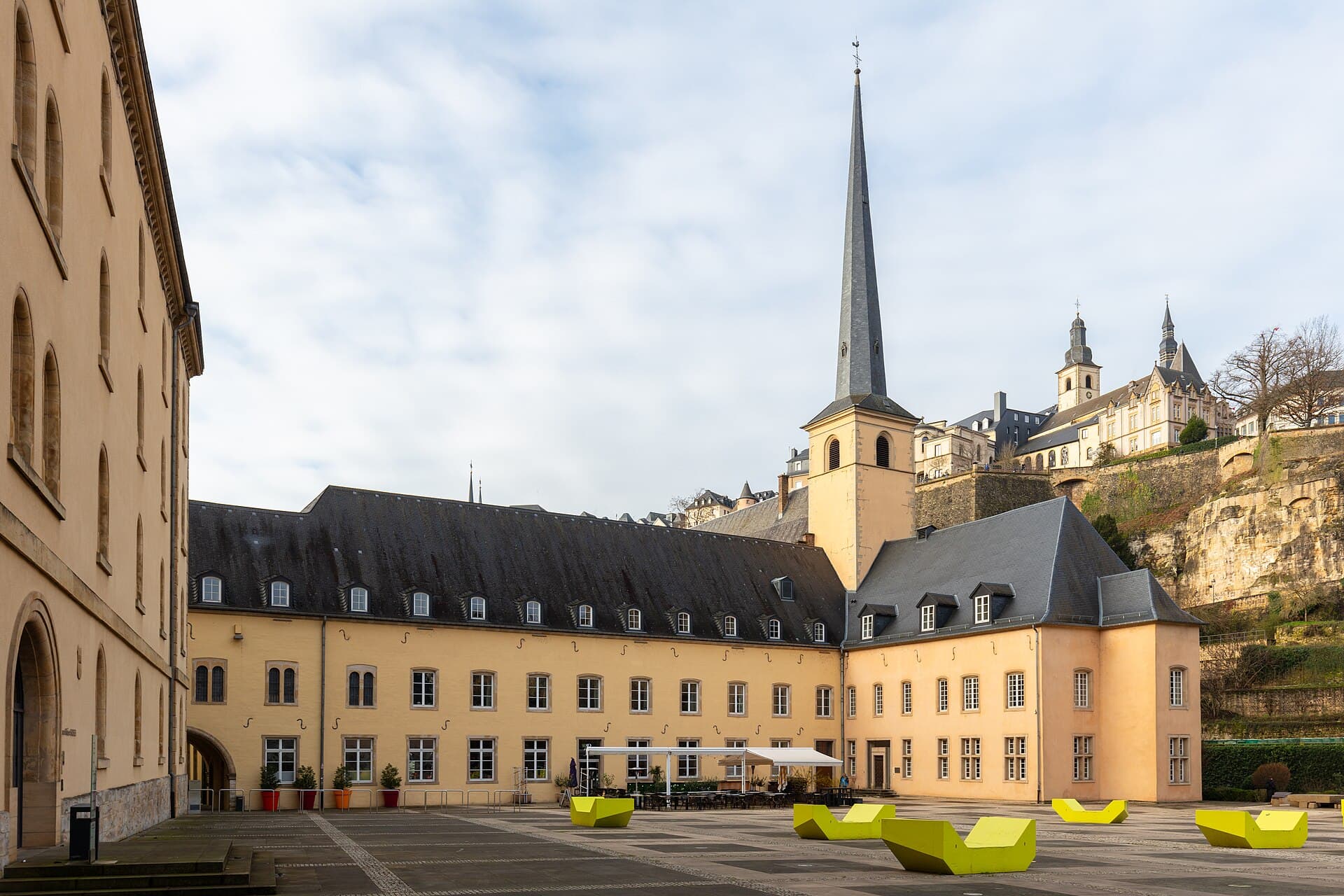 Neumünster AbbeyNeumünster Abbey is a broad white complex on the floor of the Grund valley besid2 minutes walk4.5
 The GrundThe Grund is the quarter in the valley floor directly beneath the upper town, on2 minutes walk
Three ways: the free lift cut into the rock at the Plateau du Saint-Esprit drops you in seconds and runs almost around the clock — by far the easiest. Or the stone stairs from the end of the Chemin de la Corniche, handsome but very steep. Or the Pfaffenthal inclined lift on the other side. Going down is easy by any route; it is coming back up that makes the lift worth finding.