
Luxembourg's environments
From Ardennes forest to river valleys.
PlayMistyForMe — CC BY 3.0 · PlayMistyForMe — CC BY 3.0 · Jwh — CC BY-SA 3.0 lu · Jwh — CC BY-SA 3.0 lu
The National Museum of Natural History is in the Grund, housed in the former Hospice Saint-Jean — an eighteenth-century stone building on the Alzette bank, roughly opposite Neumünster Abbey. The display starts with the universe and the earth and narrows steadily until it reaches Luxembourg itself: the formation of the rocks, local fossils, then the country's environments — the Ardennes forests to the north, the farmland to the south and the river valleys — and their living species, then a section on human impact and climate change. What distinguishes it is that it is built for children without being shallow: touch stations, drawers that open onto specimens, small laboratories, and exhibits set at a child's eye level. With a child on a wet day it is the best option in the capital, the ticket is cheap, and its position in the Grund lets the visit fold into a walk along the river.
From Ardennes forest to river valleys.
What came out of the country's own rock.
25 Rue Munster, 2160 Luxembourg
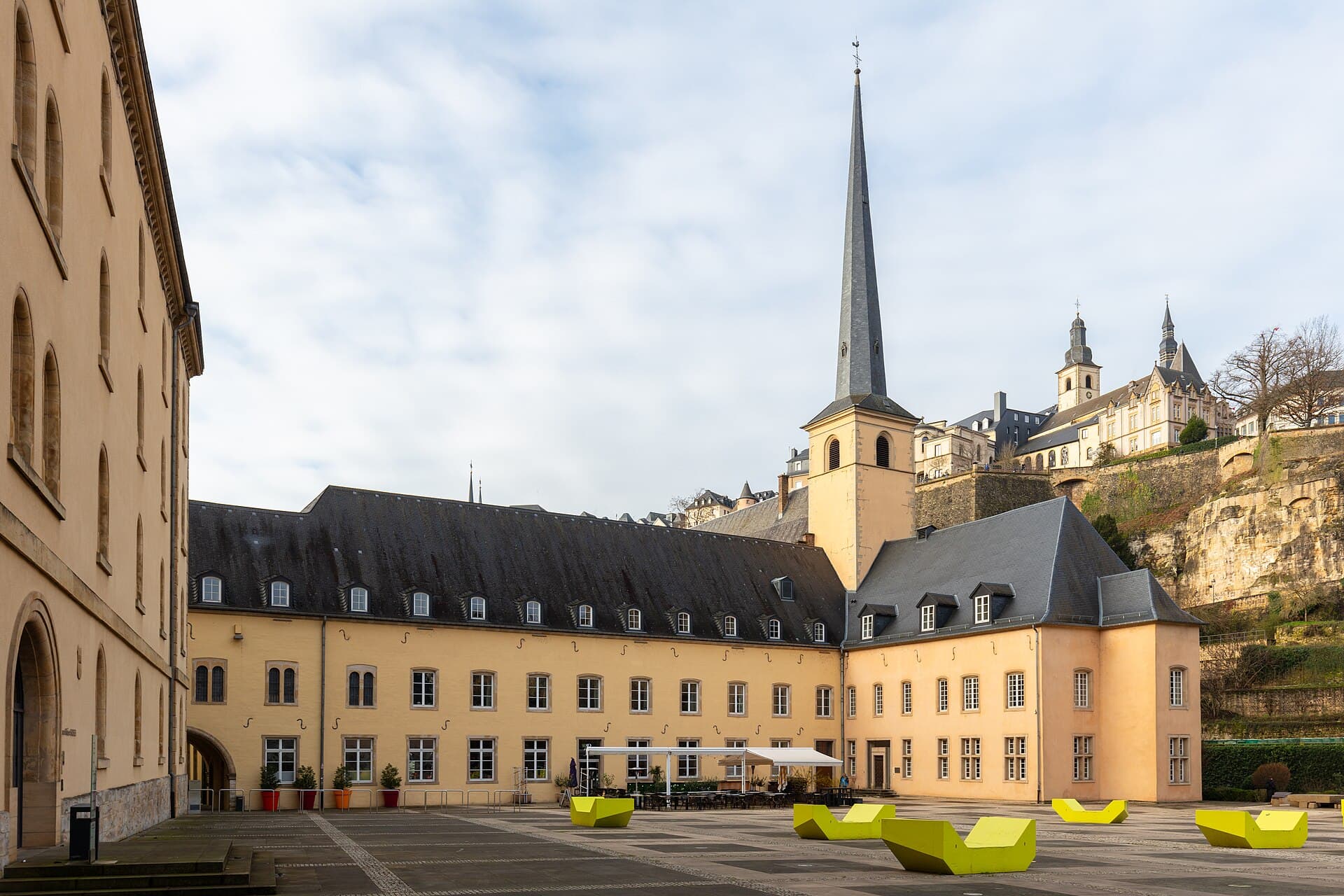 Neumünster AbbeyNeumünster Abbey is a broad white complex on the floor of the Grund valley besid1 minute walk4.5
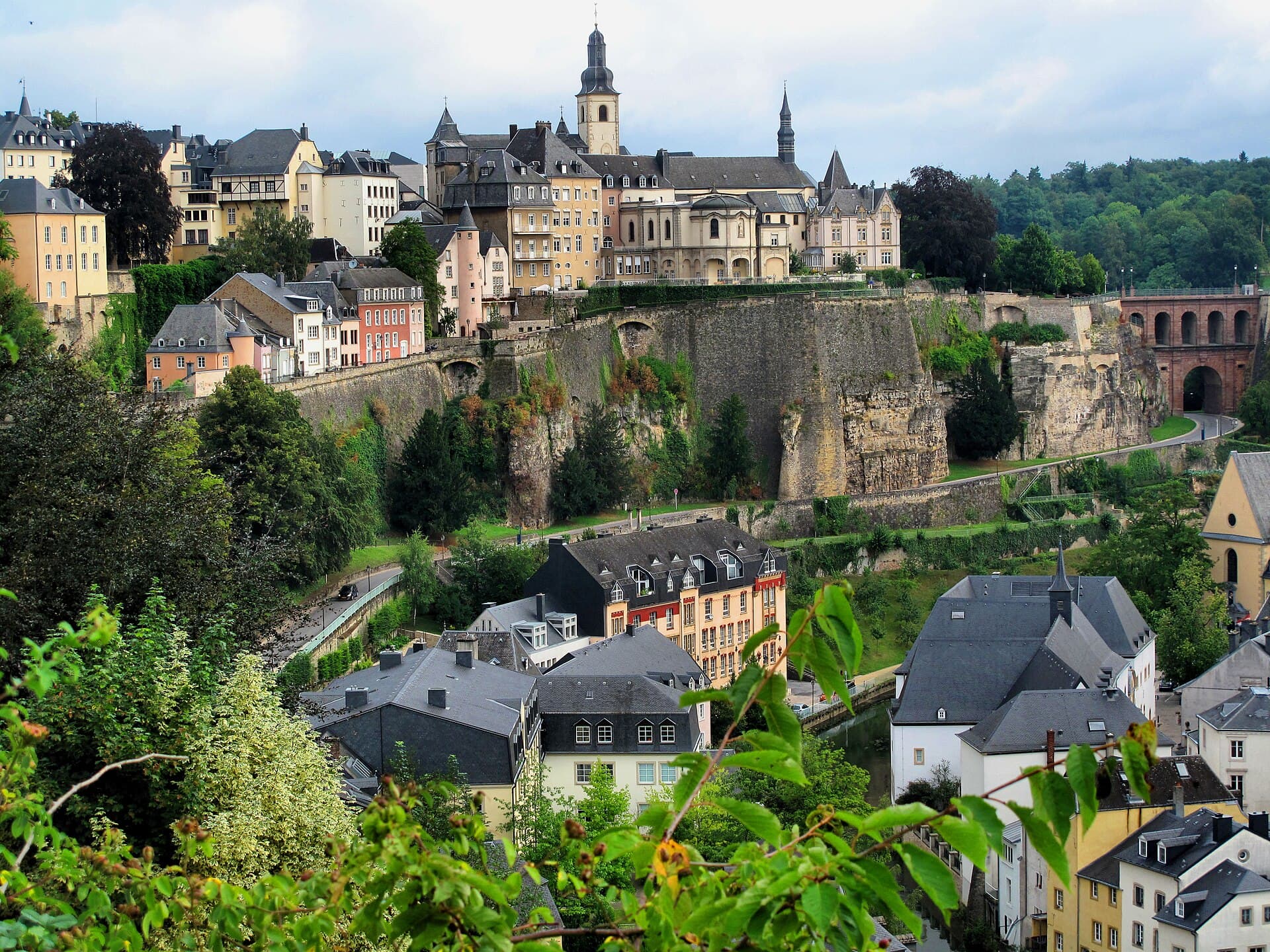 The Chemin de la CornicheThe Chemin de la Corniche is a short walk running along the top of the old rampa1 minute walk
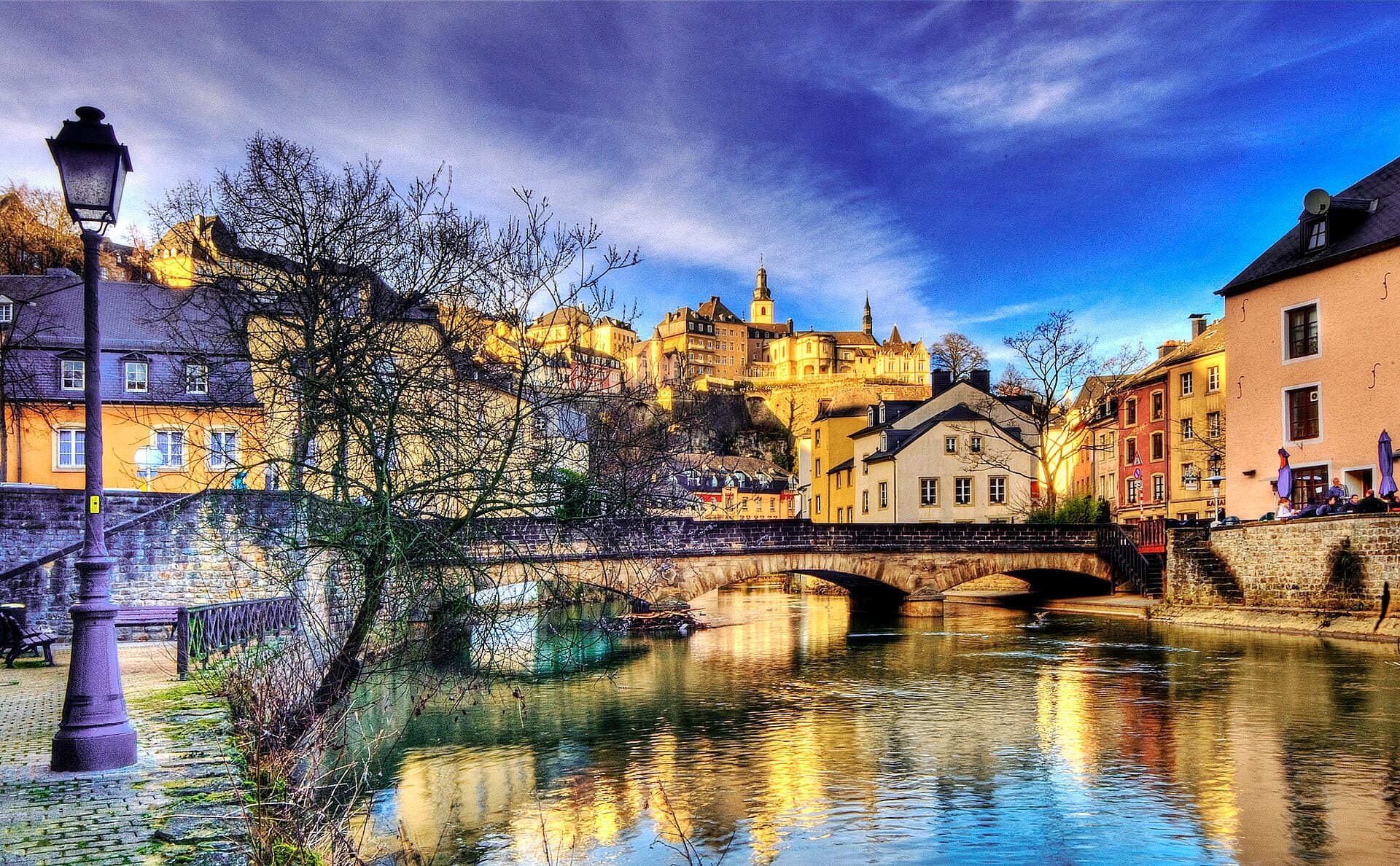 The GrundThe Grund is the quarter in the valley floor directly beneath the upper town, on2 minutes walk
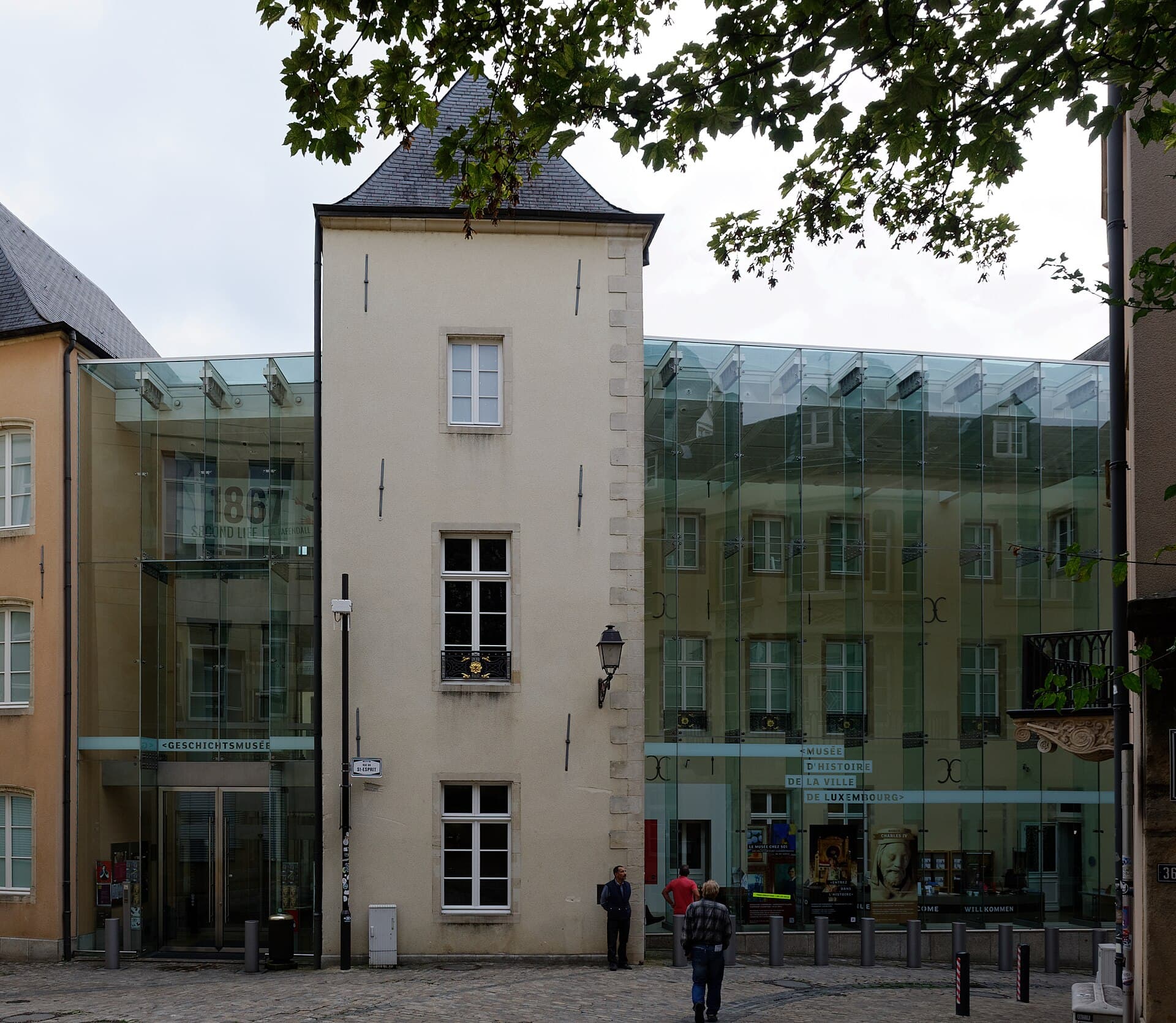 The Luxembourg City History MuseumThe City History Museum occupies four adjoining historic houses in the upper tow2 minutes walk4.7
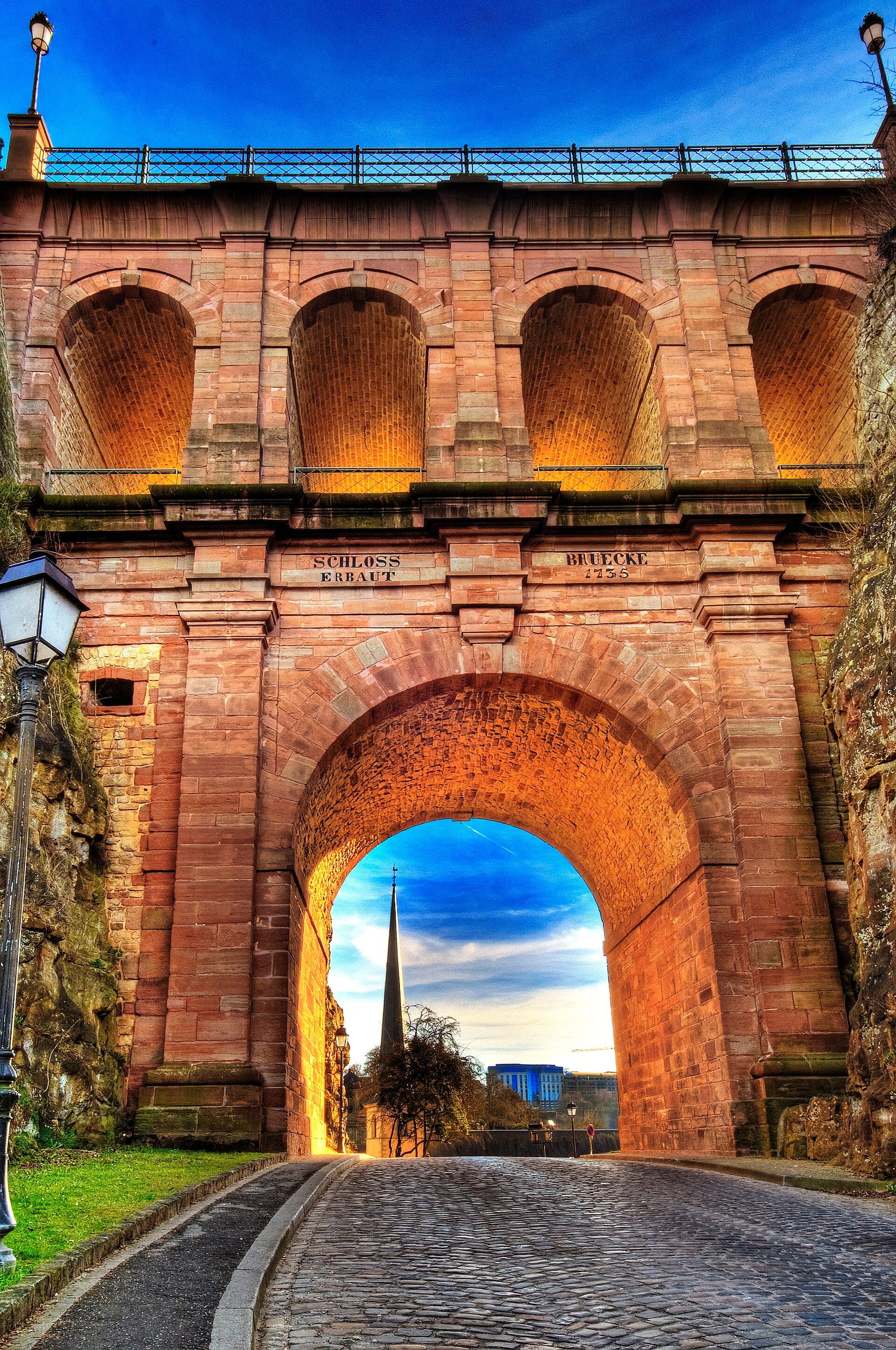 The Castle BridgeA short stone bridge linking the upper town to the Bock promontory, and the only2 minutes walk4.6
The natural history museum in the morning in the Grund, lunch in the quarter, then the free rock lift up to the upper town, then the City History Museum, whose glass lift children enjoy in itself. The three are close together and the walking is short and mostly sheltered. Add the Bock casemates if the child is not uneasy in enclosed spaces — the tunnels work in rain too.