
Gilded ceilings
And chandeliers.
upyernoz from Haverford, USA — CC BY 2.0 · Davide Mauro — CC BY-SA 4.0 · Jean Housen — CC BY-SA 4.0 · Jean Housen — CC BY-SA 4.0 · Jean Housen — CC BY-SA 4.0 · Jean Housen — CC BY-SA 4.0 · Jean Housen — CC BY-SA 4.0 · Jean Housen — CC BY-SA 4.0
A palace and garden built by Khan Muhammad Rahim Khan II of Khiva for his son Asfandiyar Khan, planned in the 1890s, begun in 1904 and finished in 1912. It is named after a wealthy merchant, Nurullabay, who owned the garden and agreed to sell it only if the palace bore his name. It was built outside the walls of Itchan Kala for lack of space inside, and specialists from Russia and Germany worked alongside Khiva's craftsmen, leaving their mark on the design; some of its tiles and ceramics came from Saint Petersburg. The palace blends local and European styles: courtyards, carved wooden columns and towered walls, alongside halls with tall windows, painted and gilded ceilings and chandeliers. In 1912 Asfandiyar Khan added a separate building for receiving foreign guests, and the khan's family lived here until 1920. Entry is by ticket; ask at the door whether the Itchan Kala pass covers it. It is a short walk from the old town's north gate.
And chandeliers.
Around the palace.
And gardens.
Northwest of Itchan Kala, outside the walls, Khiva
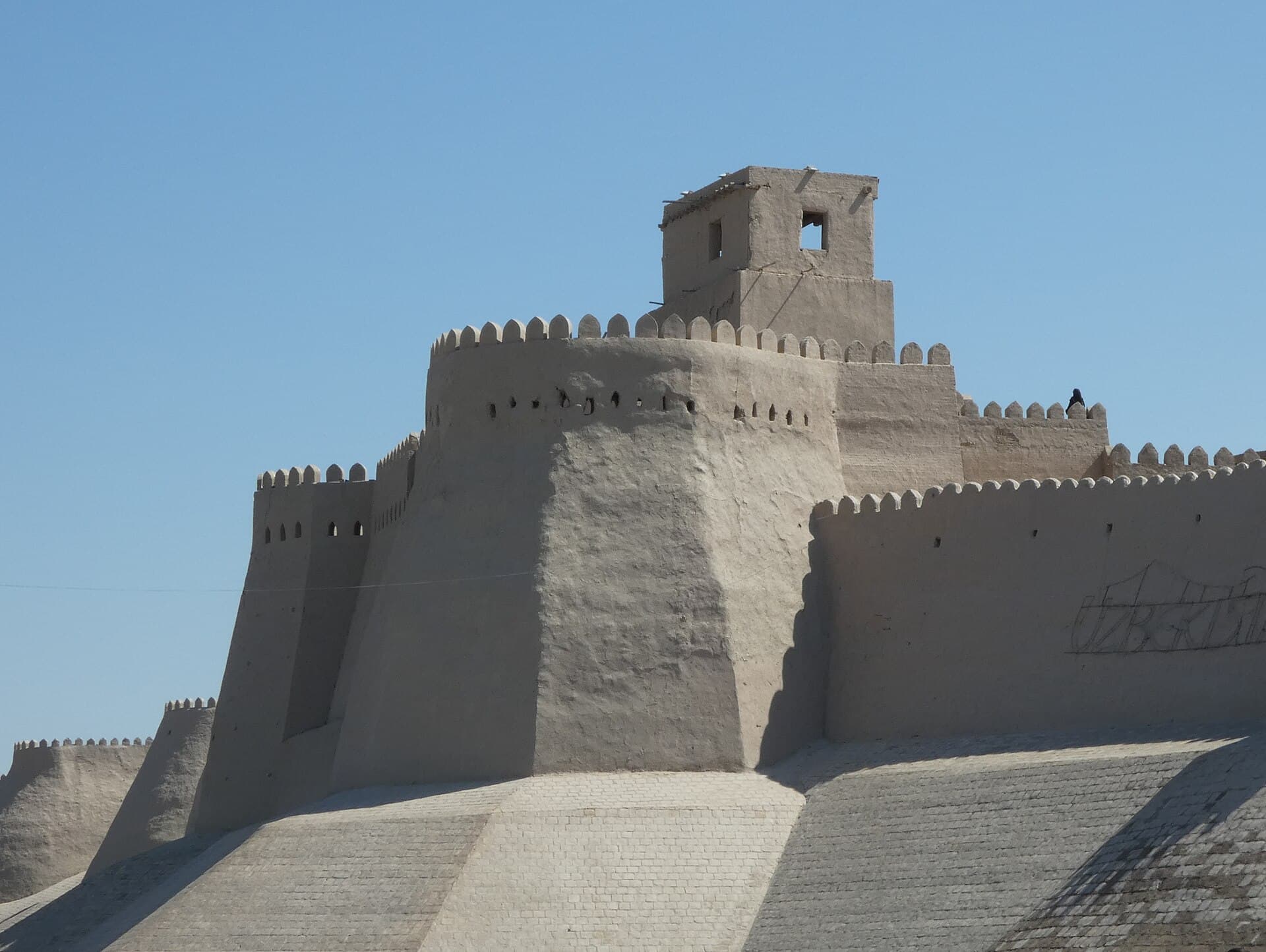 Kunya Ark, KhivaThe citadel of the khans of Khiva inside Itchan Kala; its name means «old fortre4 minutes walk4.7
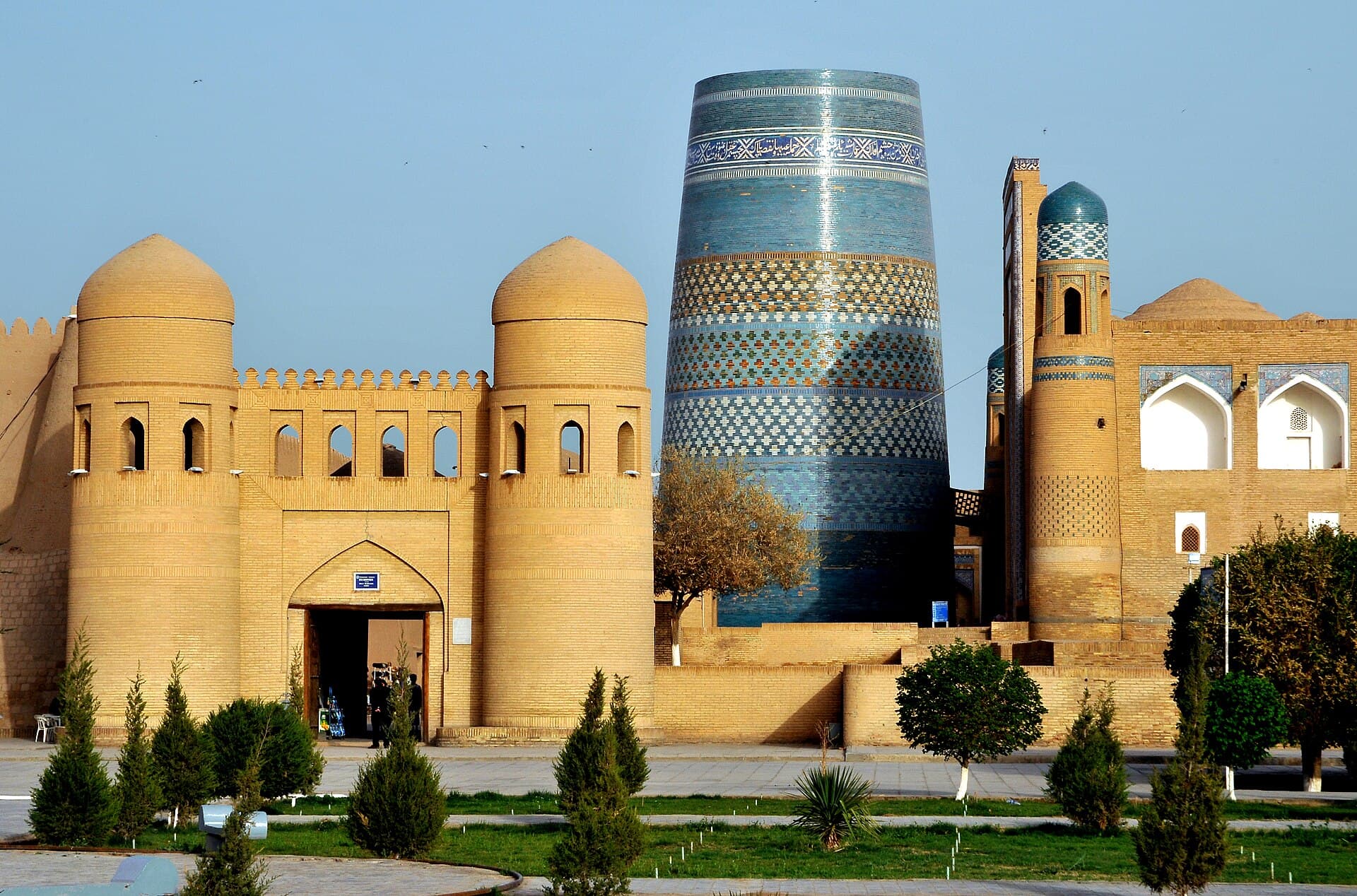 Kalta Minor minaretAn unfinished minaret in Khiva's Itchan Kala, in front of the Muhammad Amin Khan5 minutes walk4.9
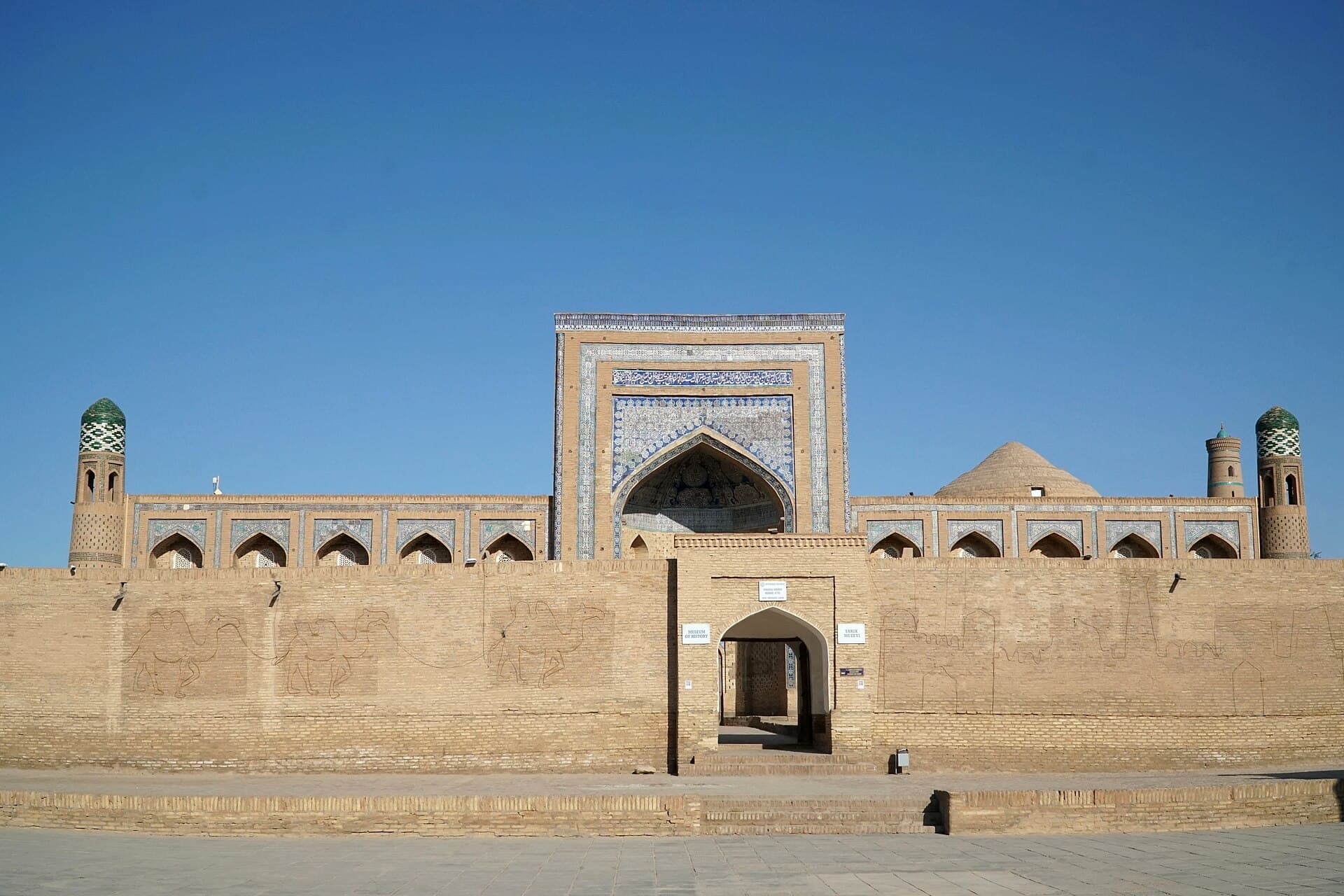 Muhammad Rahim Khan MadrasaOne of Khiva's largest madrasas, facing the Kunya Ark citadel inside Itchan Kala6 minutes walk4.7
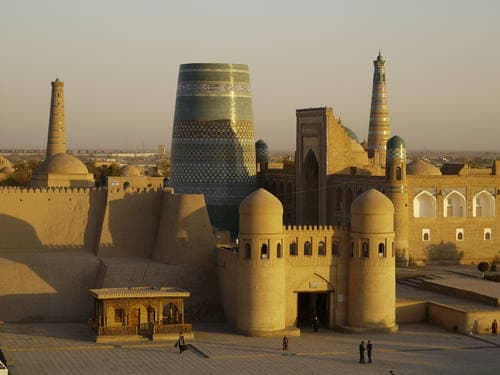 Itchan Kala, Khiva's walled cityThe walled inner town of Khiva, a World Heritage Site since 1990. It holds more 6 minutes walk4.8
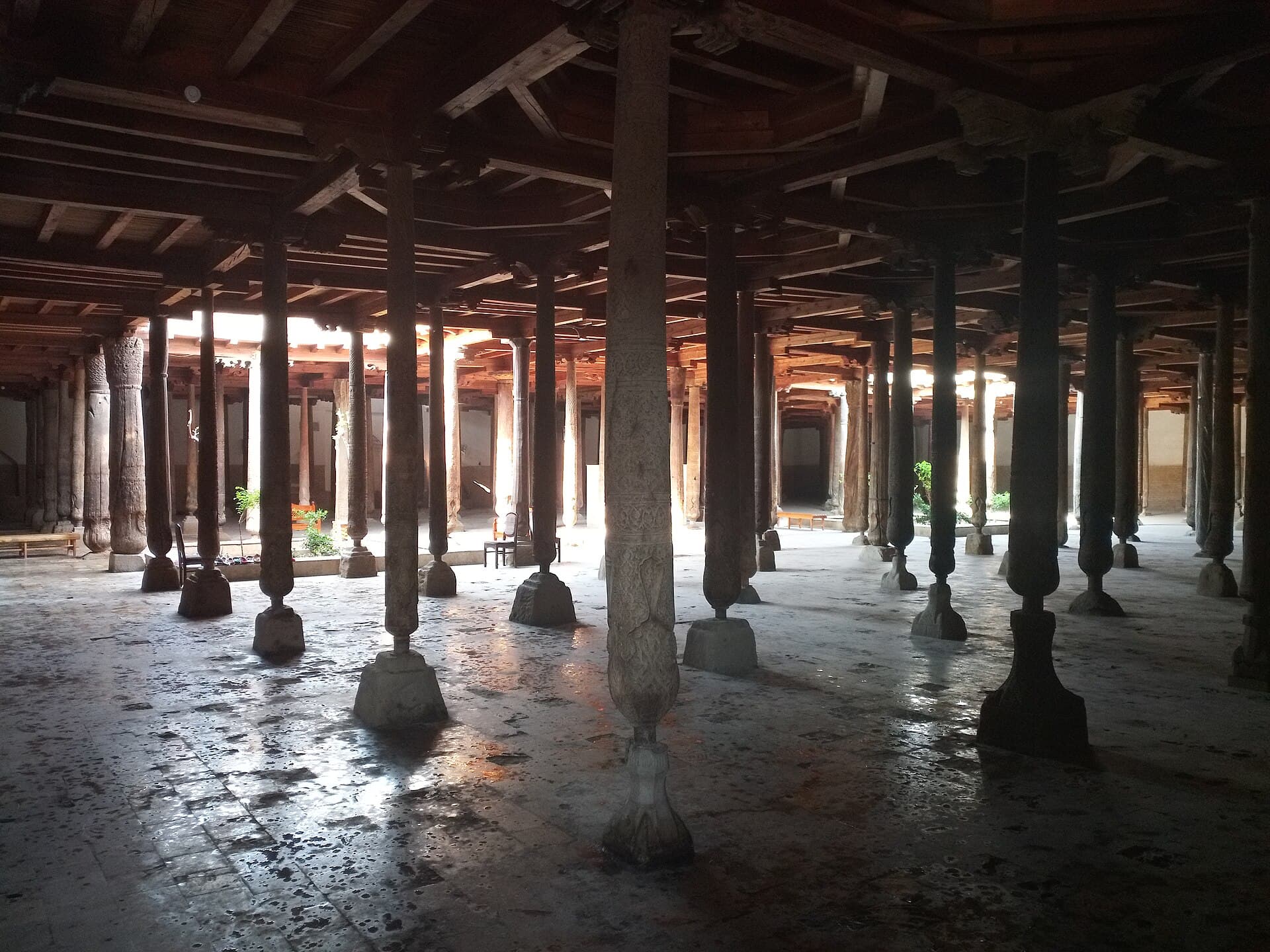 Juma Mosque, KhivaOne of Itchan Kala's principal monuments, in its middle on the road between the 7 minutes walk4.6
The merchant Nurullabay owned the garden and would only sell it to the khan if the palace carried his name.