
The observation tower
A full circle of views over the castle, the Old Town and the Forth valley, reached by a tight spiral stair above the third-floor lift.
Pjt56 --- If you use the picture outside Wikipedia I would appreciate a short e-mail to pjt56@gmx.net or a message on my discussion page — CC BY-SA 4.0 · BertieB — CC BY-SA 4.0 · habiloid — CC BY-SA 2.0 · Daniel from Glasgow, United Kingdom — CC BY 2.0
In 1842 Frederick Hill, Scotland's first inspector of prisons, called Stirling's old Tolbooth the worst prison in Britain, and the answer arrived five years later: this stern stone block on St John Street, opened in 1847 to designs by Thomas Brown on the then-fashionable 'separate system', where every inmate was kept alone in his cell, at work or at his lessons rather than mixing with the rest. Its career as a civil prison was short. The army took it over as a detention barracks in 1888, it closed altogether in 1935, spent the Second World War as a gas-mask store and a Home Guard training hall, then sank into use as a warehouse for a confectioner's ingredients before reopening as an attraction in 1996. What you get today is not a museum in the usual sense but a walking piece of theatre. Tours leave every half hour from 10:15, the last at 17:15, and for about 25 minutes one actor switches between warder, hangman and escaping convict. You are then left to wander the cells and the 'Scene of the Crime' exhibition and climb the observation tower. The tower alone justifies the ticket, with a full circle of views over the Old Town, Stirling Castle and the Forth valley, but the lift only reaches the third floor and a tight spiral staircase does the rest, so it is no place for anyone unsteady on stairs; the top floor and the tower are both out of reach for wheelchairs and pushchairs, and the cell doorways are narrow. Expect to pay £15 for adults, £13.50 for students and concessions and £9 for children aged 5 to 16, with no family ticket advertised. The performance is played for laughs and audience participation, and the jail bills itself as child friendly and not too scary, so children enjoy it far more than anyone hoping for quiet historical depth; if that is what you want, the castle a few minutes uphill serves it better. Book online in July and August, since each tour takes only 24 people; on ordinary days you can simply pay at the gatehouse ticket office on arrival. The jail sits on the slope between the railway station and the castle, a seven-minute walk up from the station, so it works best as a stop on the way down from the castle rather than a climb up from the platform. Its real rarity in the Old Town is free visitor parking behind the building, reached through the main archway at the front, which makes it a practical stop for a family arriving by hire car. Outside the summer season the car park gates shut at 17:00 rather than 18:00 and the light goes long before that, so make it a morning visit.
A full circle of views over the castle, the Old Town and the Forth valley, reached by a tight spiral stair above the third-floor lift.
One actor plays warder, hangman and escaping convict in roughly 25 minutes of comedy and audience participation.
The solitary cells of 1847 that replaced the Tolbooth, which a government inspector called the worst prison in Britain.
St John Street, Stirling FK8 1EA
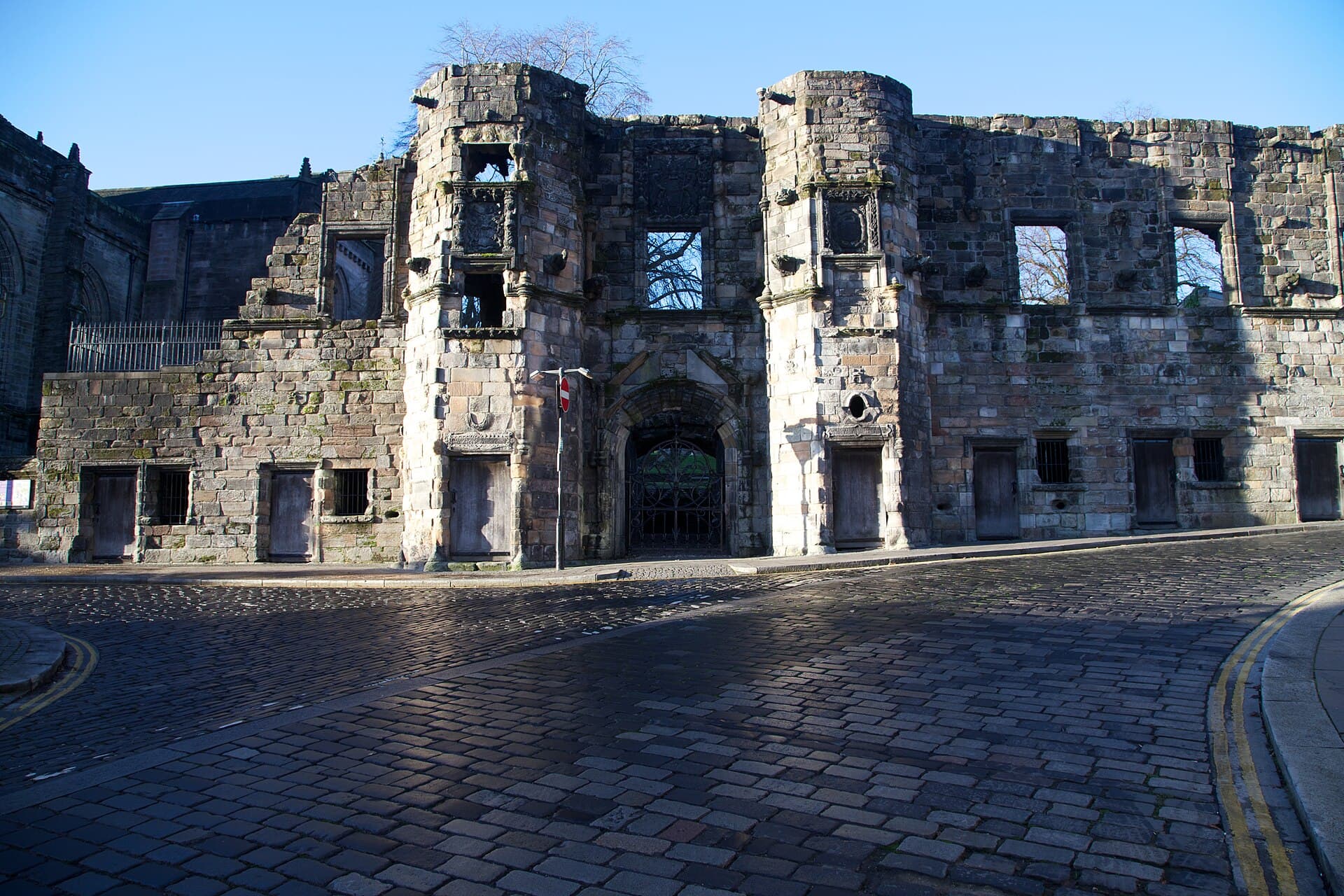 Mar's WarkA facade with no house behind it. That is all that remains of the mansion John E2 minutes walk4.8
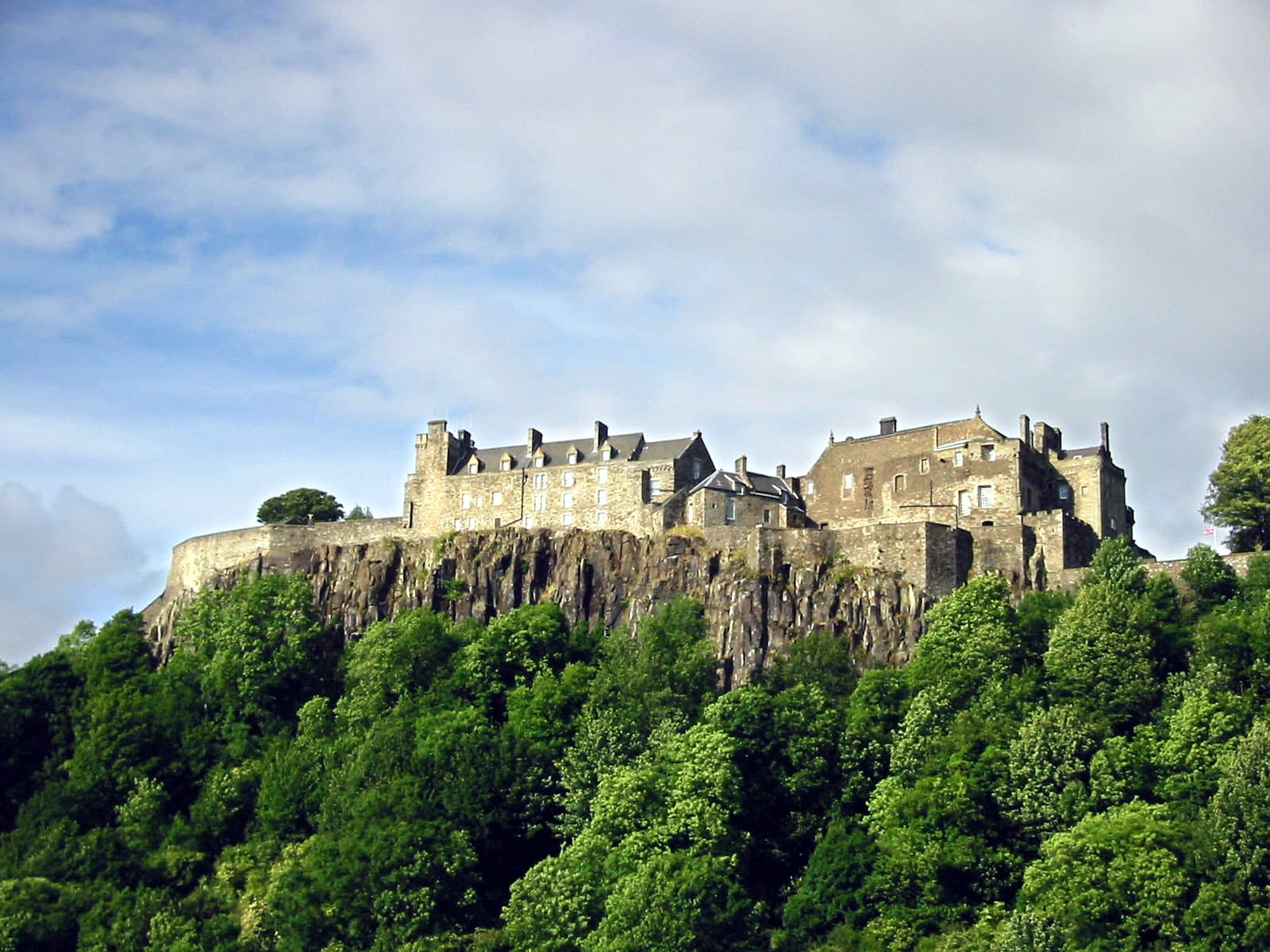 Stirling CastleMary, Queen of Scots was crowned here in September 1543 before her first birthda6 minutes walk4.5
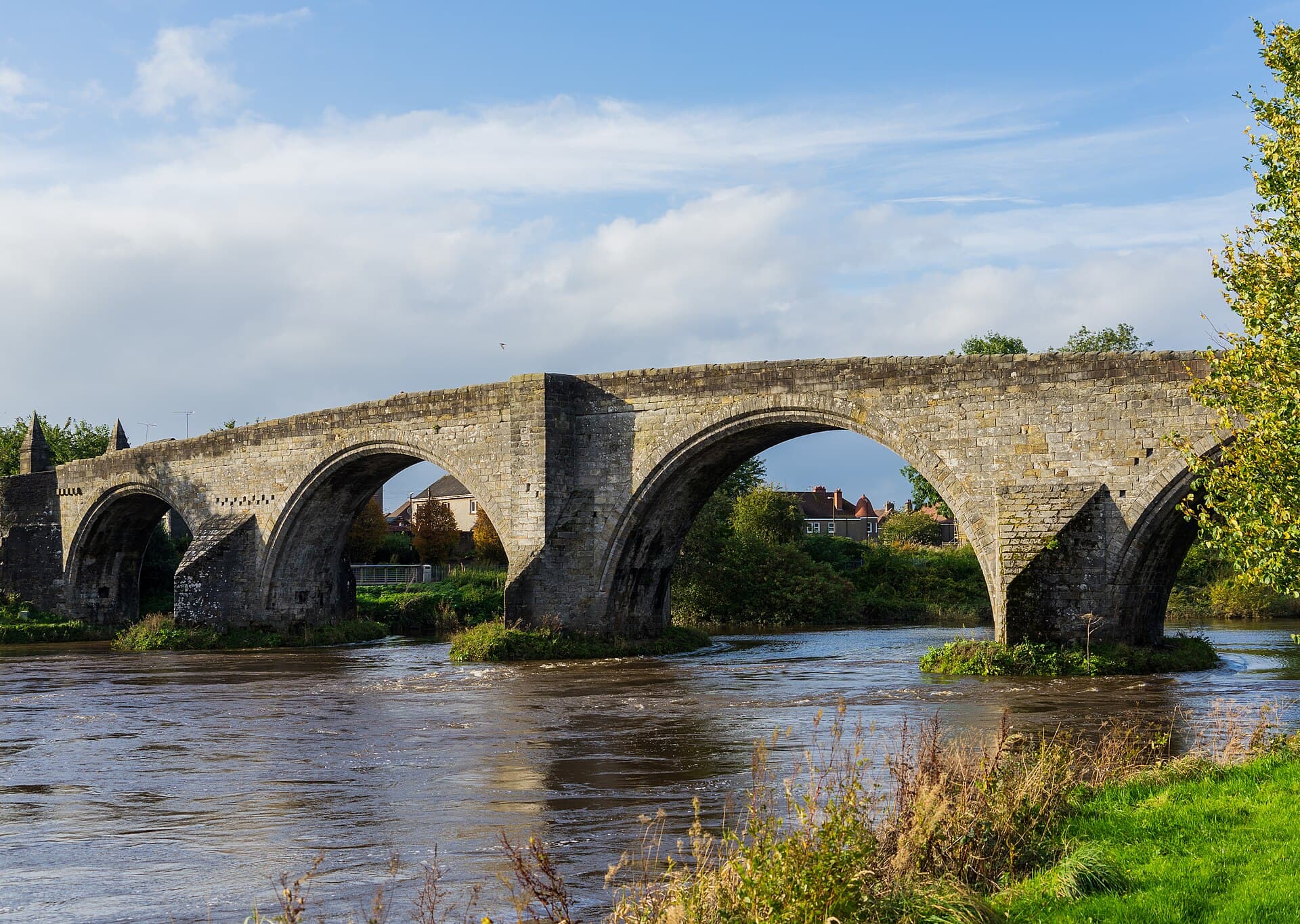 Stirling Old BridgeFor more than three centuries this was the lowest bridge on the River Forth, and13 minutes walk4.7
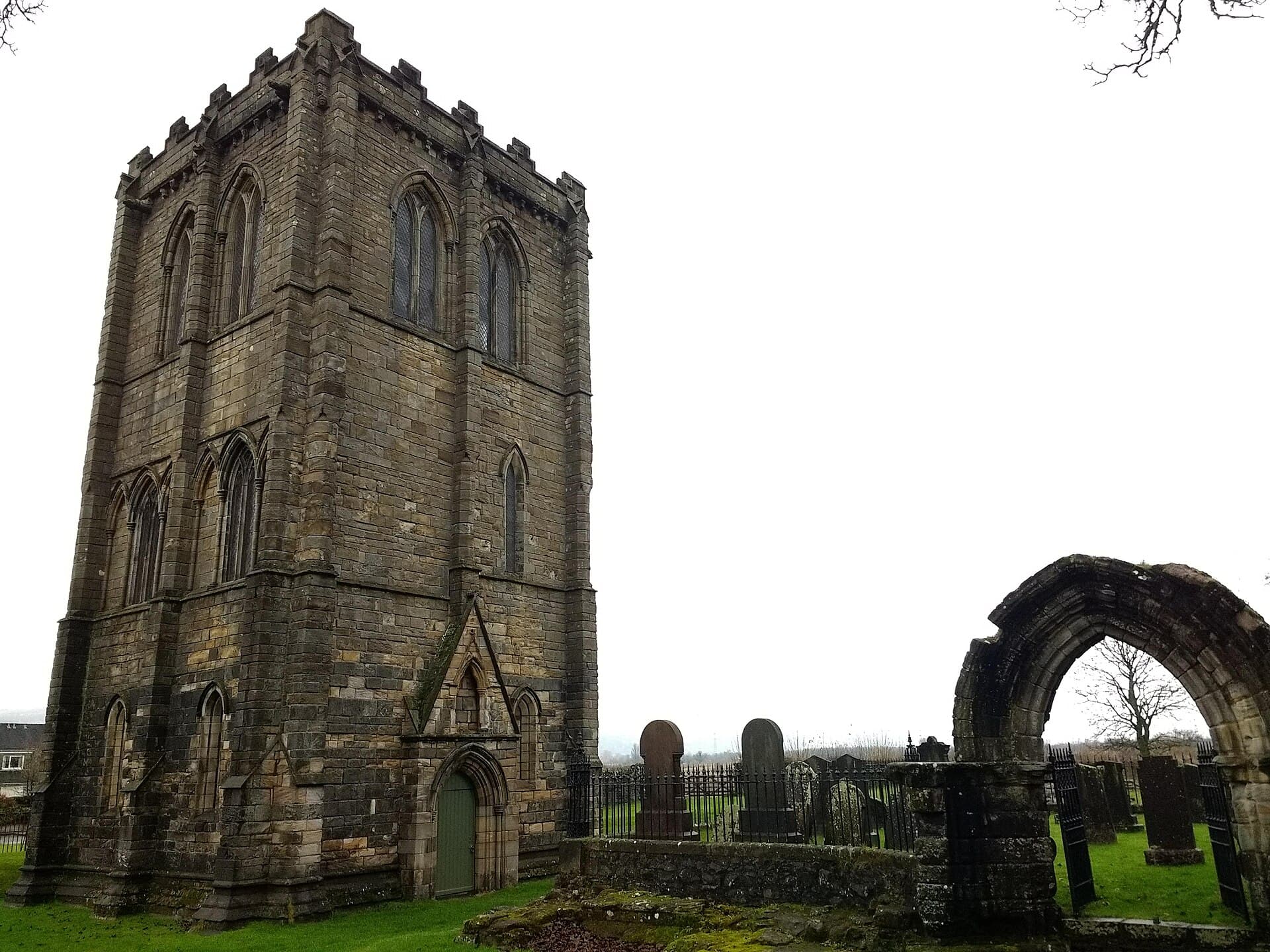 Cambuskenneth AbbeyA Scottish king and his queen lie in a field at the edge of farmland. That is th21 minutes walk4.5
With only half a day, do the castle alone; it matters far more. The jail is a pleasant extra for a family with children aged about 6 to 12 staying a full day, and anyone without good English will miss most of the performance and be left with the tower.
The show is light and the jail calls itself child friendly and not too scary; children's tickets run from age 5 to 16. But the top floor and tower need a spiral staircase and the cell doorways are narrow, so leave the pushchair on the ground floor, and under-fives will follow none of the performance.