
Scotland's old gateway
For over three centuries this was the lowest bridge on the Forth, so anyone moving between Lowlands and Highlands crossed here unless they forded the river upstream.
Iain Cameron — CC BY 2.0 · John Knight — CC BY 2.0 · John Knight — CC BY 2.0 · Iain Cameron — CC BY 2.0
For more than three centuries this was the lowest bridge on the River Forth, and short of fording the river far upstream, anyone travelling overland between southern Scotland and the Highlands crossed these four stone arches. Everything downstream was tidal estuary and mud, which is why the old saying calls Stirling «the brooch that clasps the Highlands and Lowlands together». The bridge you walk across today was built around 1500 (its custodians hedge to «the 1400s or 1500s»), runs roughly 82 metres over four spans, and replaced a succession of timber bridges. The most famous of those timber bridges is the one that has vanished entirely: the crossing at the heart of the Battle of Stirling Bridge in 1297, when William Wallace and Andrew Moray let the army of Edward I, under the Earl of Surrey, funnel onto a narrow span and then fell on it. That bridge stood about 180 yards upstream and its piers have been traced under the water, so do not expect a plaque saying «the battle happened here» on these particular stones. The setting, though, is exactly the setting: the looping river, the castle rock to the south-west and the Wallace Monument rising on Abbey Craig to the north-east. The stone bridge has its own war story too. In December 1745 Brigadier-General Blakeney, lieutenant governor of Stirling Castle, had the southern arch pulled down to keep the Jacobite army out of the town; it was rebuilt in 1749, and its masonry is said to differ subtly from the medieval arches. The bridge once carried a defensive gate at the end nearer the burgh and a toll on goods, lost its wheeled traffic when the new road bridge opened alongside in May 1833, and was scheduled as a monument on the last day of 1921; it is now in the care of Historic Environment Scotland. Be clear about expectations: this is a fifteen-to-thirty-minute stop, not a visit. The bridge is open to pedestrians at all hours, free, with nothing to book, about 15 to 20 minutes' walk north of the railway station and the town centre. The crossing is short, though the deck rises to a hump in the middle and the grassy banks are exposed to the wind, so a calm summer stroll is the best version of it; in Scotland's short winter daylight it is at its prettiest in the hour before sunset, when the low light catches the stone. Fold it into the walk between the castle and the Wallace Monument rather than making a separate trip, and take your photograph from the south bank so the monument appears behind the arches.
For over three centuries this was the lowest bridge on the Forth, so anyone moving between Lowlands and Highlands crossed here unless they forded the river upstream.
The southern arch was destroyed in December 1745 to keep the Jacobite army out of the town and rebuilt in 1749; its masonry is said to differ from the medieval arches.
From the south bank you can frame the stone arches with the Wallace Monument on Abbey Craig behind them in a single photograph.
River Forth at Riverside, north of the town centre, Stirling FK8 1QR
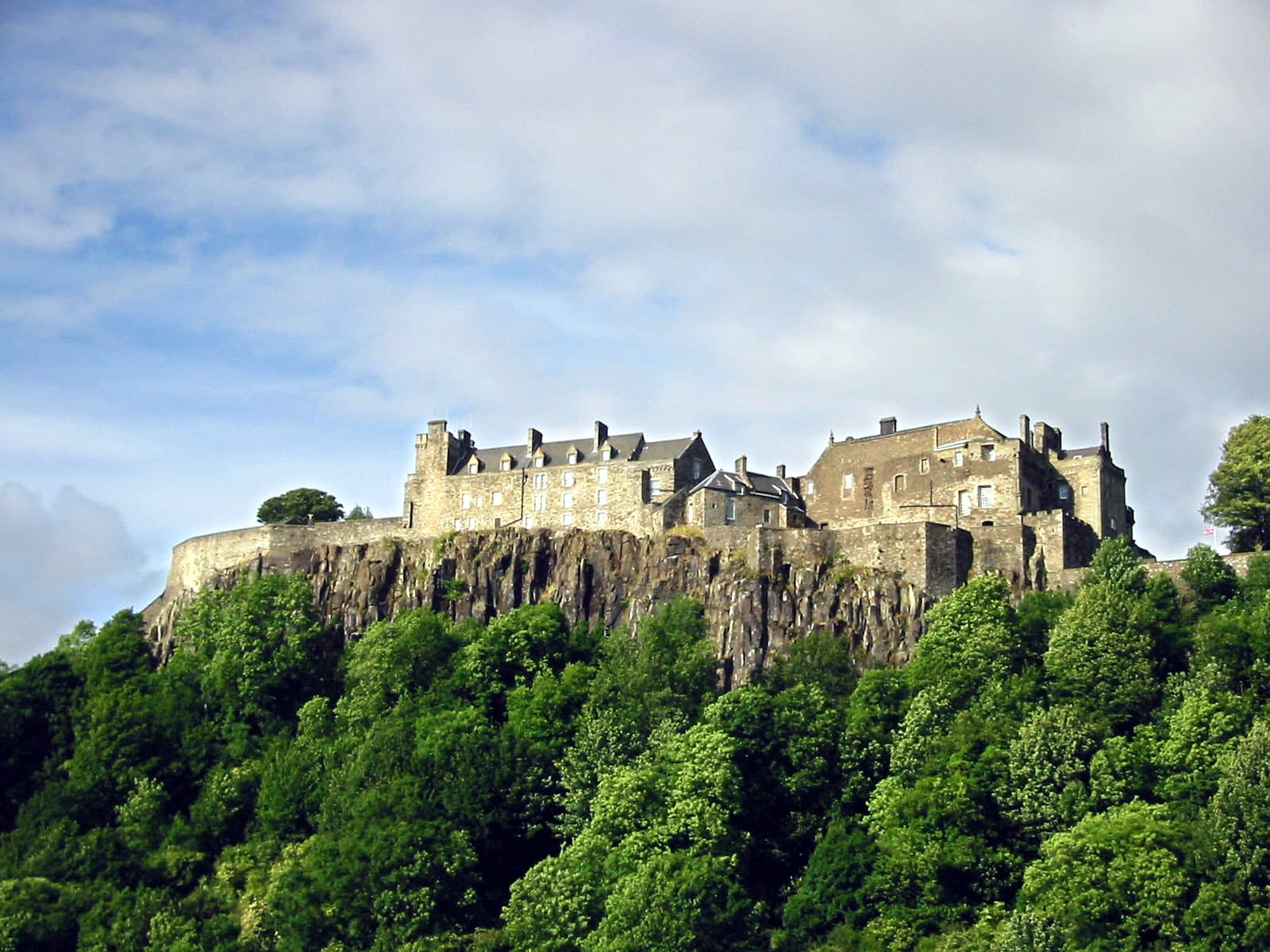 Stirling CastleMary, Queen of Scots was crowned here in September 1543 before her first birthda11 minutes walk4.5
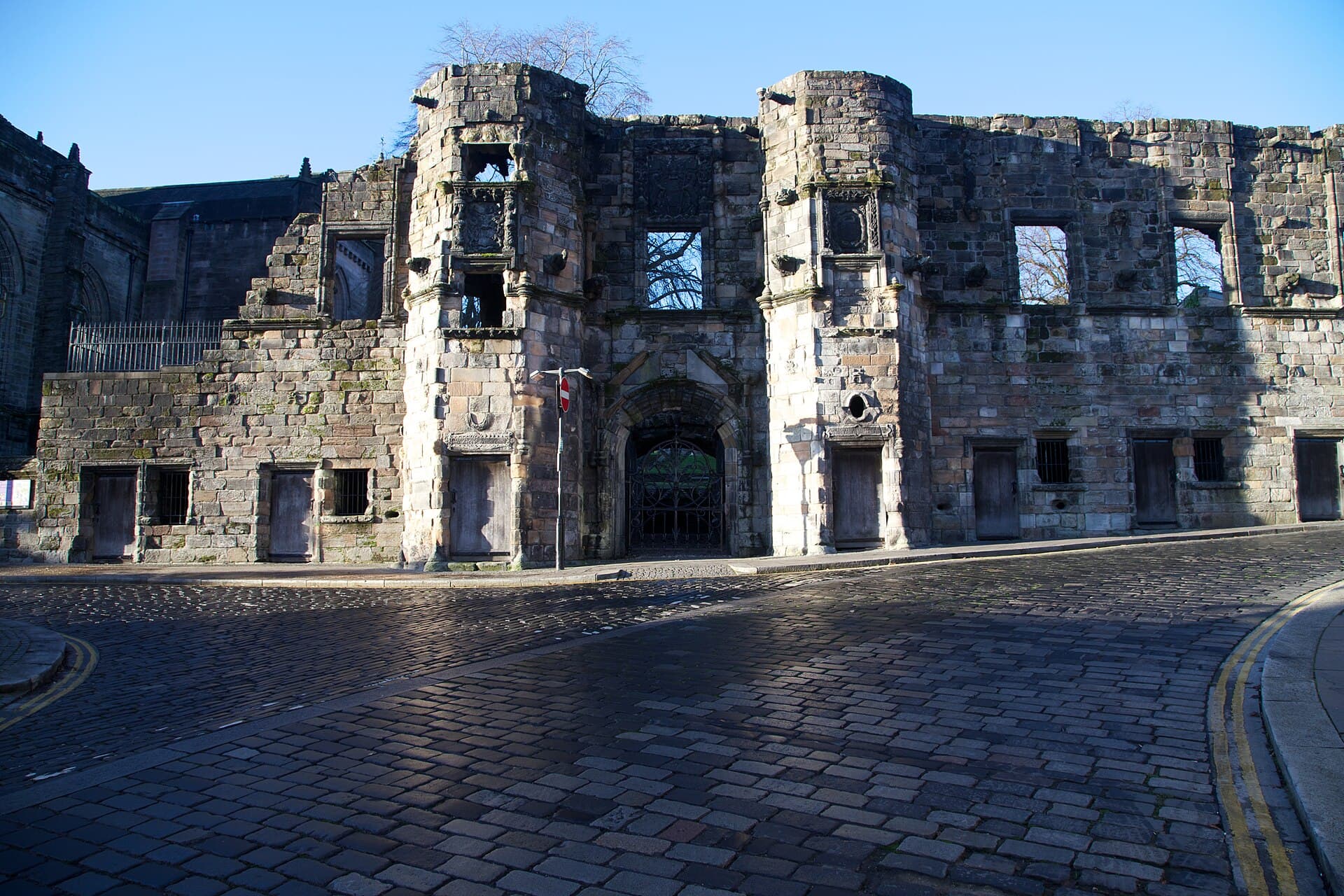 Mar's WarkA facade with no house behind it. That is all that remains of the mansion John E12 minutes walk4.8
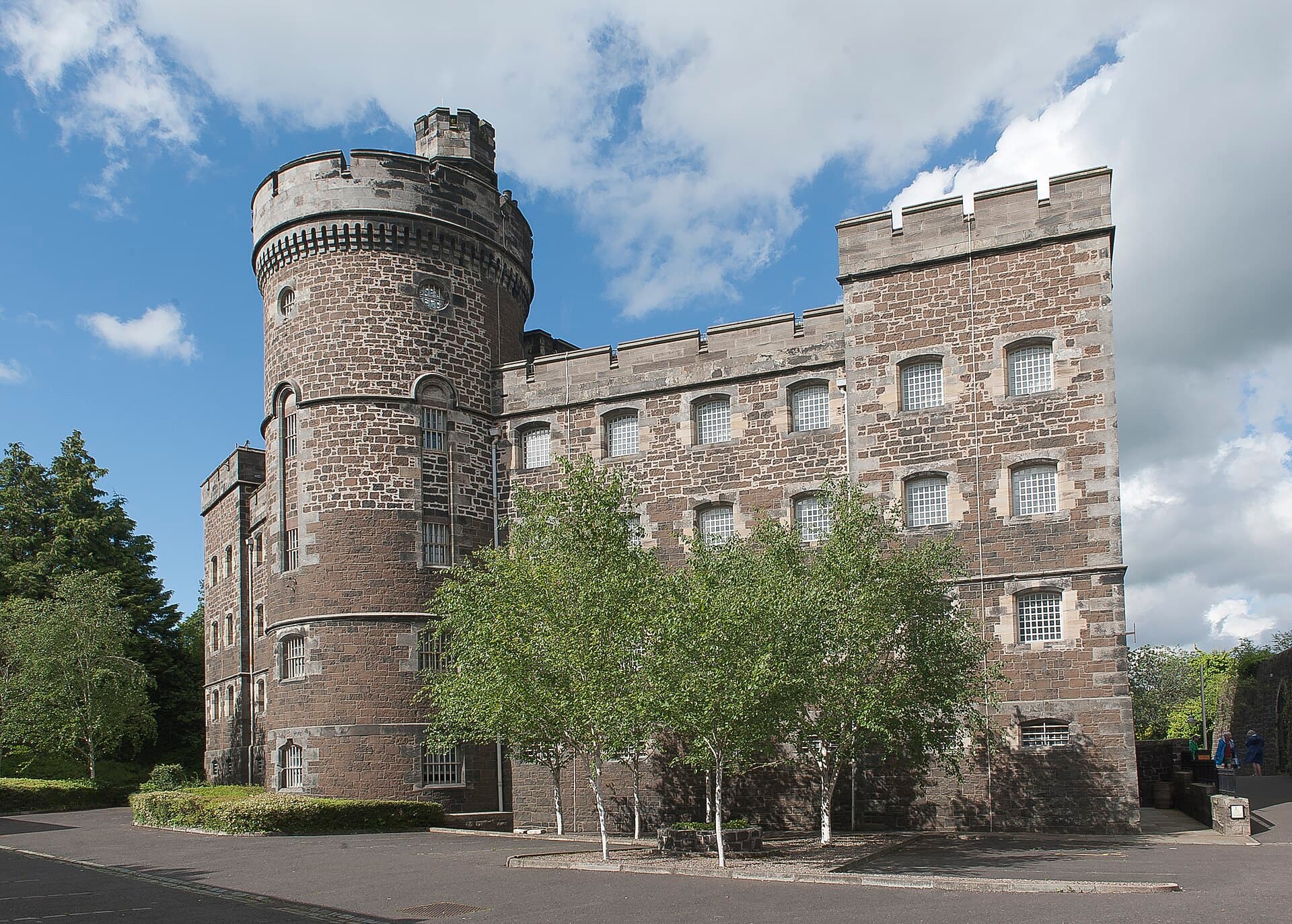 Stirling Old Town JailIn 1842 Frederick Hill, Scotland's first inspector of prisons, called Stirling's13 minutes walk4.6
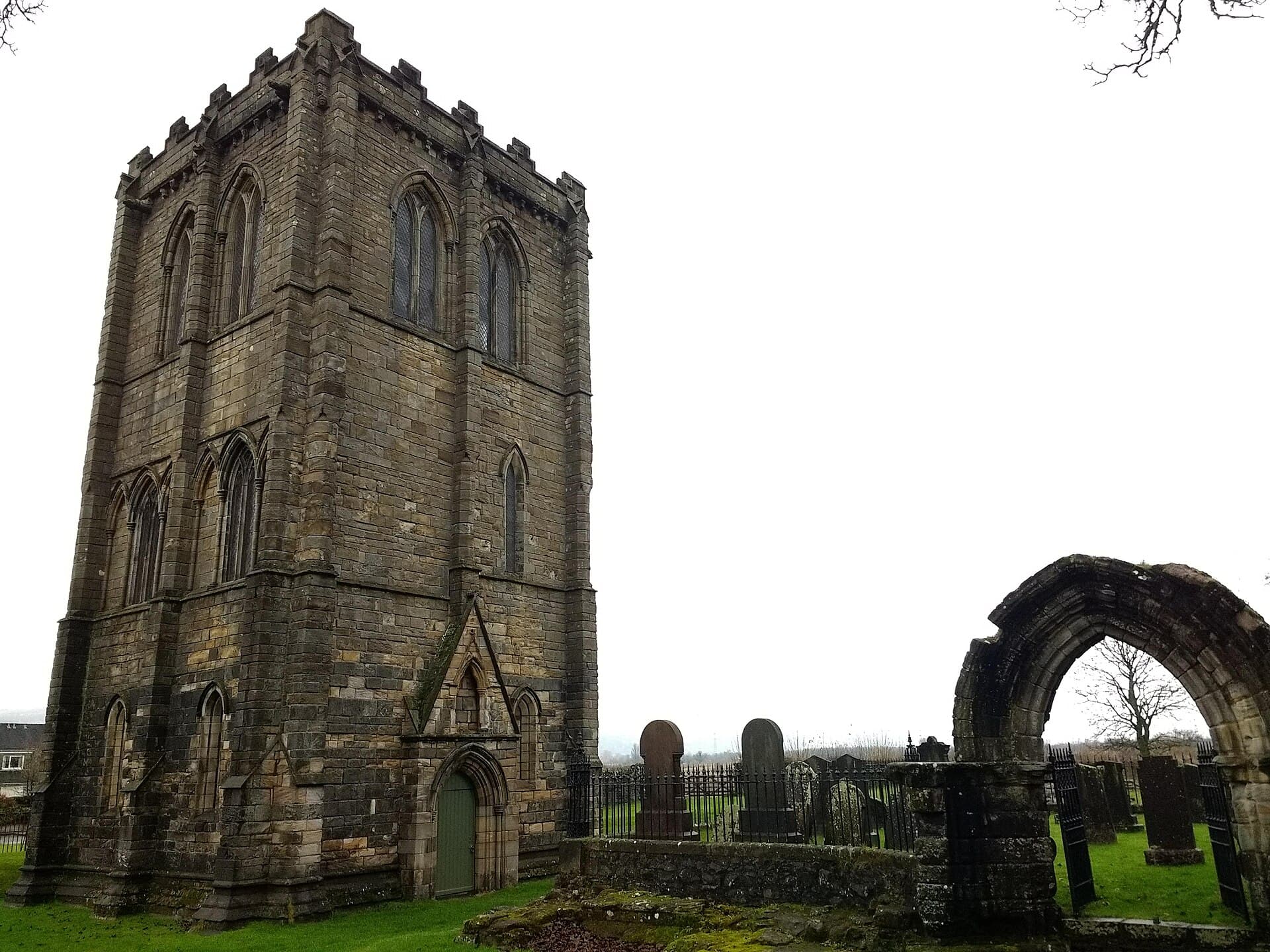 Cambuskenneth AbbeyA Scottish king and his queen lie in a field at the edge of farmland. That is th17 minutes walk4.5
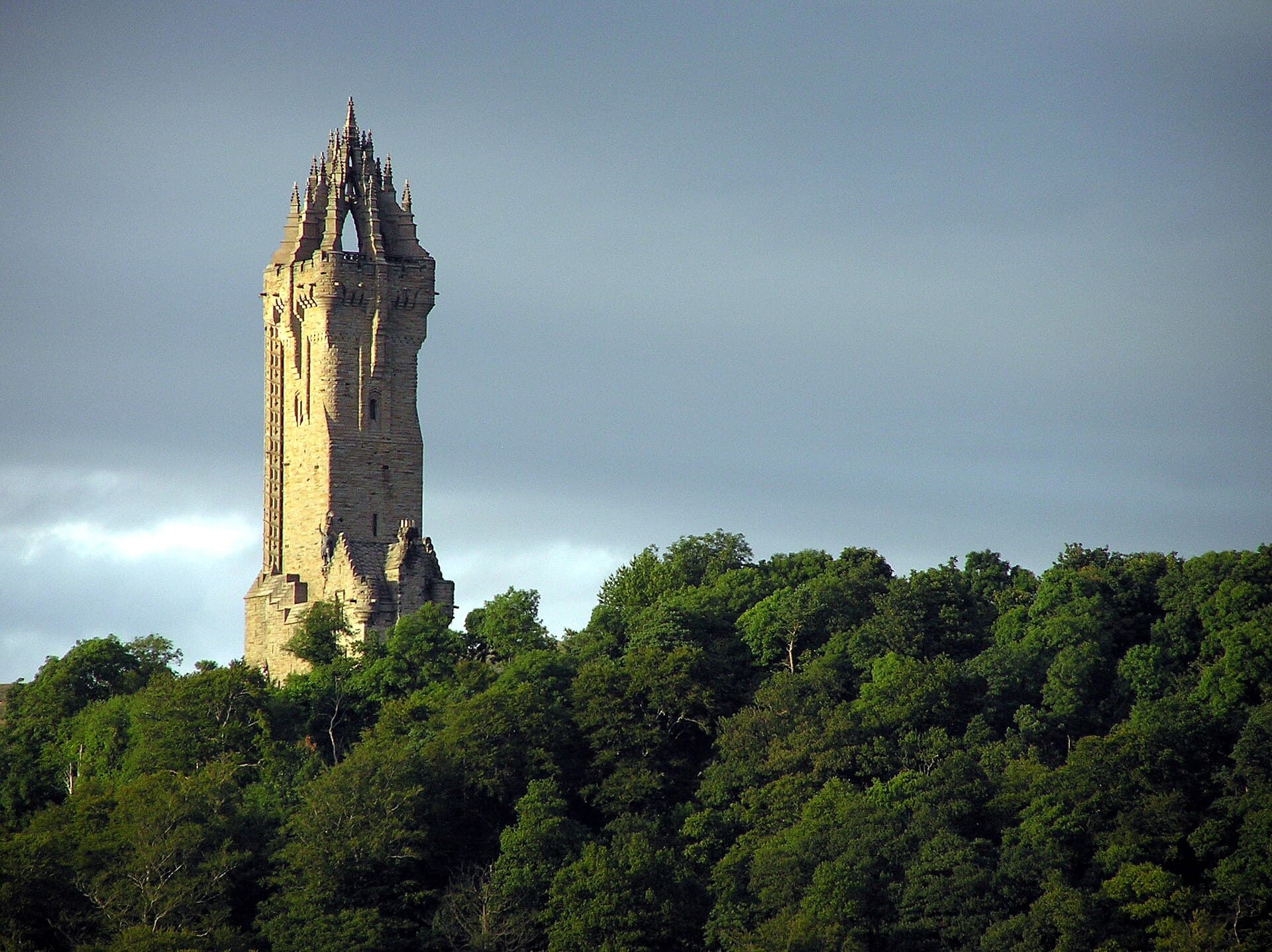 The National Wallace MonumentTwo hundred and forty-six narrow spiral steps, no lift and no handrail: that is 20 minutes walk4.8
No. The battle bridge was timber, stood about 180 yards upstream and has vanished above water; the present stone bridge dates from around 1500. The setting is the same, but do not come expecting a battlefield site.
Not on its own; it is a fifteen-minute stroll over a short bridge with no facilities and little to hold children for long. Make it a stop on the way between the castle and the Wallace Monument, or skip it if time is short.