
The Royal Palace
Six state rooms repainted and refurnished as they stood in the 1540s, hung with hand-woven recreations of the Hunt of the Unicorn tapestries.
CC BY-SA 3.0 · Otto Domes — CC BY-SA 4.0 · Otto Domes — CC BY-SA 4.0 · Brian Gratwicke from DC, USA — CC BY 2.0
Mary, Queen of Scots was crowned here in September 1543 before her first birthday, inside a castle you can pick out from miles away as a smear of bright yellow on a volcanic crag above the River Forth. That colour is neither accident nor modern taste: the Great Hall James IV finished around 1503 was lime-washed back to its original ochre so that it would be seen from afar, exactly as the king intended. People arrive at Edinburgh Castle expecting a fortress; people arrive at Stirling and find a Renaissance royal palace built to dazzle, and that difference is the whole reason to come. The heart of the visit is the Royal Palace James V began in the 1530s, its six state rooms restored to their first appearance in a ten-year project completed in 2011. Walls are painted in colour, ceilings are carved, and in the Queen's rooms hang hand-woven recreations of the Hunt of the Unicorn tapestries, which took roughly thirteen years to weave by the old methods. Upstairs, the Stirling Heads Gallery shows the surviving carved oak roundels that once looked down from the palace ceiling, among the finest Renaissance carving in Britain. The Great Hall with its rebuilt hammerbeam roof, the Chapel Royal built in 1594 for the baptism of James VI's son, and the Great Kitchens with their tableaux of a royal feast are all on the same ticket, as is the Argyll and Sutherland Highlanders museum in the King's Old Building, which is strictly for the military-history minded. Adults pay £18.50 booked online or £20.50 at the gate, children under seven go free, and family tickets bring the total down. The castle opens daily all year: 9:30 to 18:00 from April to September, to 17:00 from October to March, last entry an hour before closing, shut only on 25 and 26 December, with a 16:00 close on Christmas Eve and an 11:00 opening on New Year's Day. More than 600,000 people pass through each year, so in July and August the palace rooms are packed between eleven and two; a timed online booking saves both money and queueing, and arriving at opening gives you the palace nearly to yourself. The route from the gate to the Inner Close is cobbled and climbs steadily, and there is no store for pushchairs or large bags, so a light folding buggy is the realistic choice and a baby carrier is better still. From Stirling's train and bus station it is about a kilometre uphill through the Old Town, fifteen to twenty minutes on foot, and the train from Edinburgh or Glasgow takes under an hour. Drivers in hire cars get a surprise: the esplanade car park in front of the castle is now reserved for coaches and disabled badge holders, so leave the car at the Castleview park and ride on the edge of town and come in by bus, or use the council car parks below the Old Town. In winter the days are short and the view over the Ochil Hills and the Wallace Monument can vanish into mist, but in return the palace is almost empty.
Six state rooms repainted and refurnished as they stood in the 1540s, hung with hand-woven recreations of the Hunt of the Unicorn tapestries.
Scotland's largest medieval secular hall, with a rebuilt hammerbeam roof and the ochre lime-wash that makes it visible for miles.
The whole Forth valley at your feet: the Wallace Monument and the Ochil Hills, with the Bannockburn battlefield three kilometres to the south.
Castle Wynd, Stirling FK8 1EJ
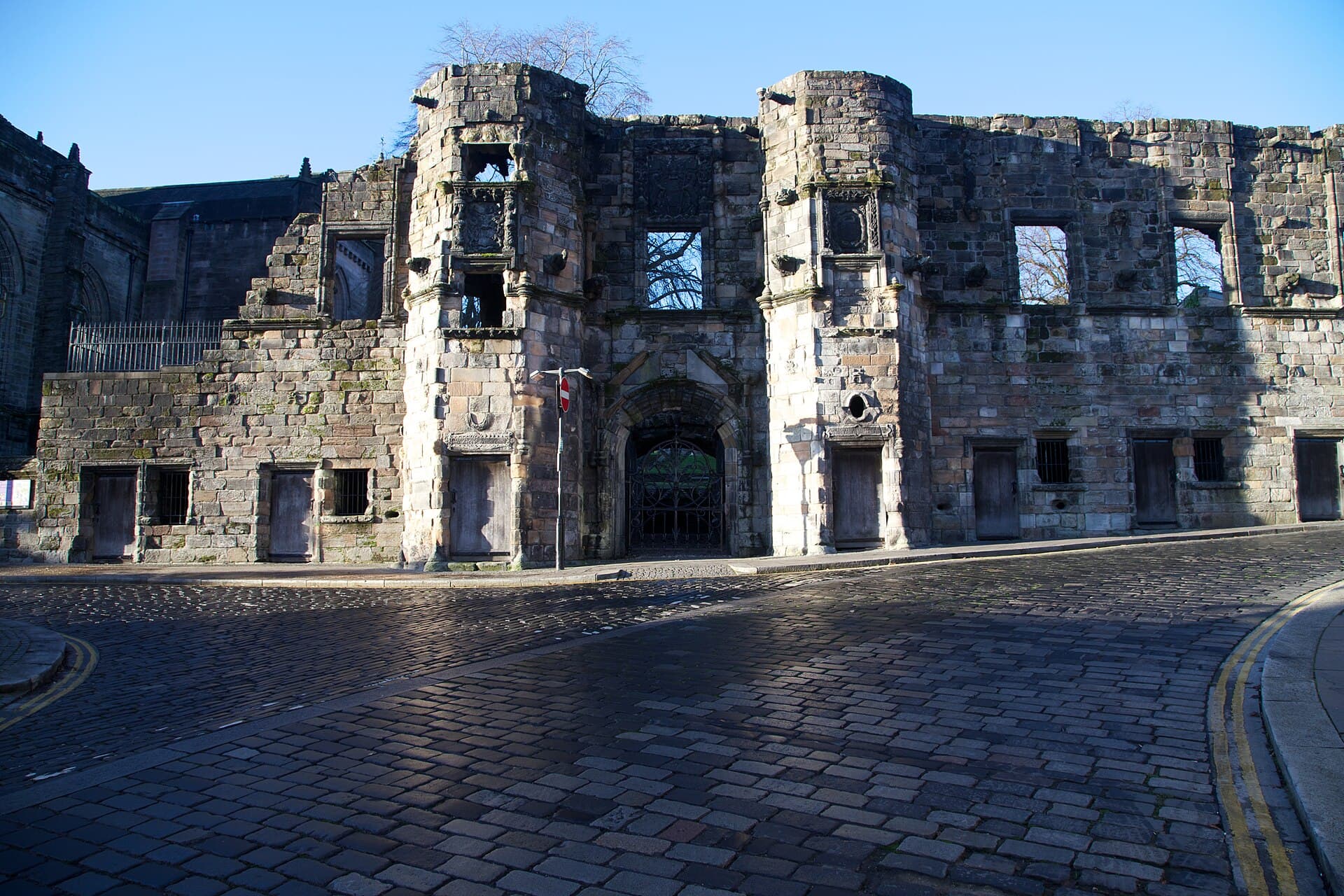 Mar's WarkA facade with no house behind it. That is all that remains of the mansion John E5 minutes walk
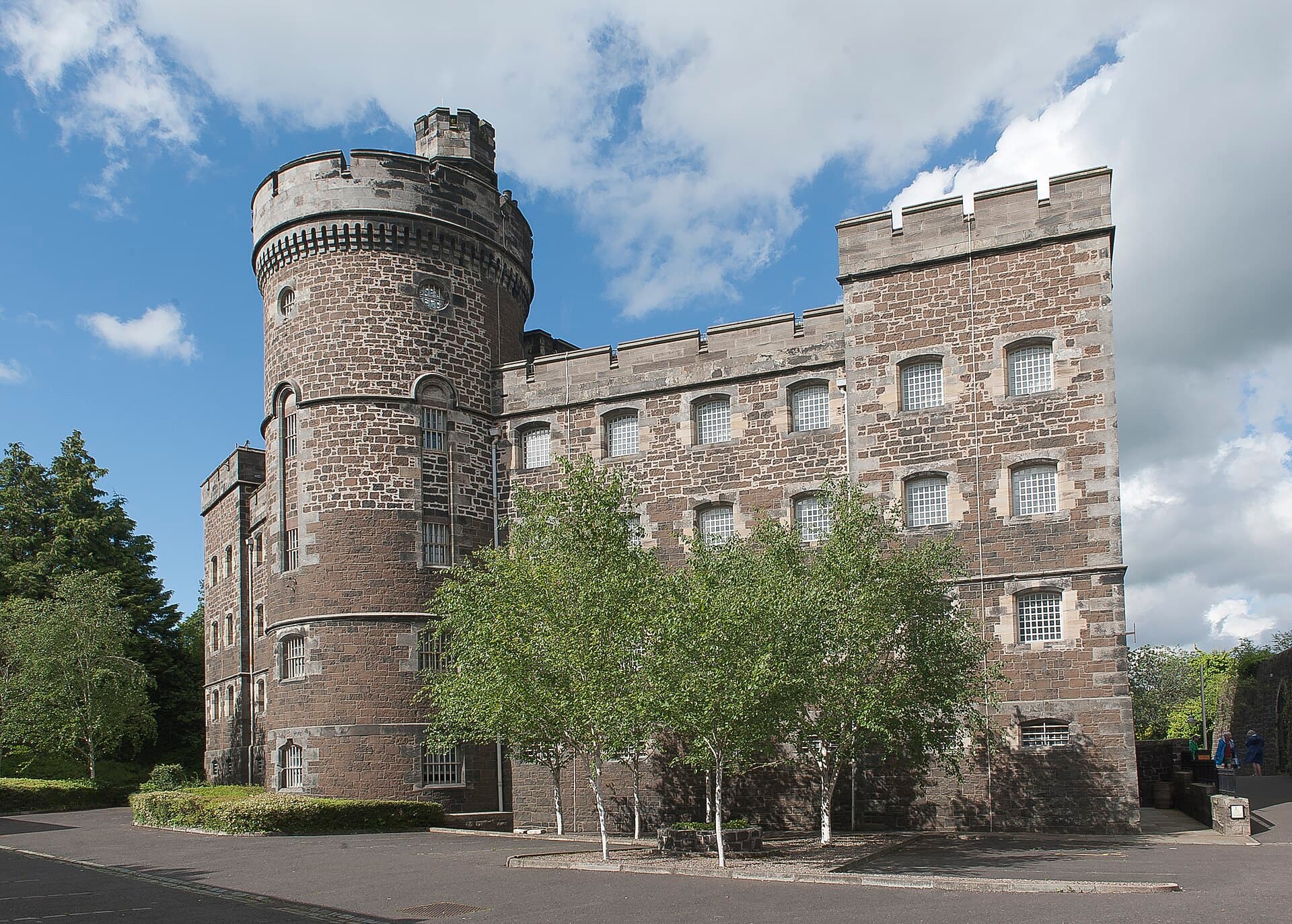 Stirling Old Town JailIn 1842 Frederick Hill, Scotland's first inspector of prisons, called Stirling's6 minutes walk
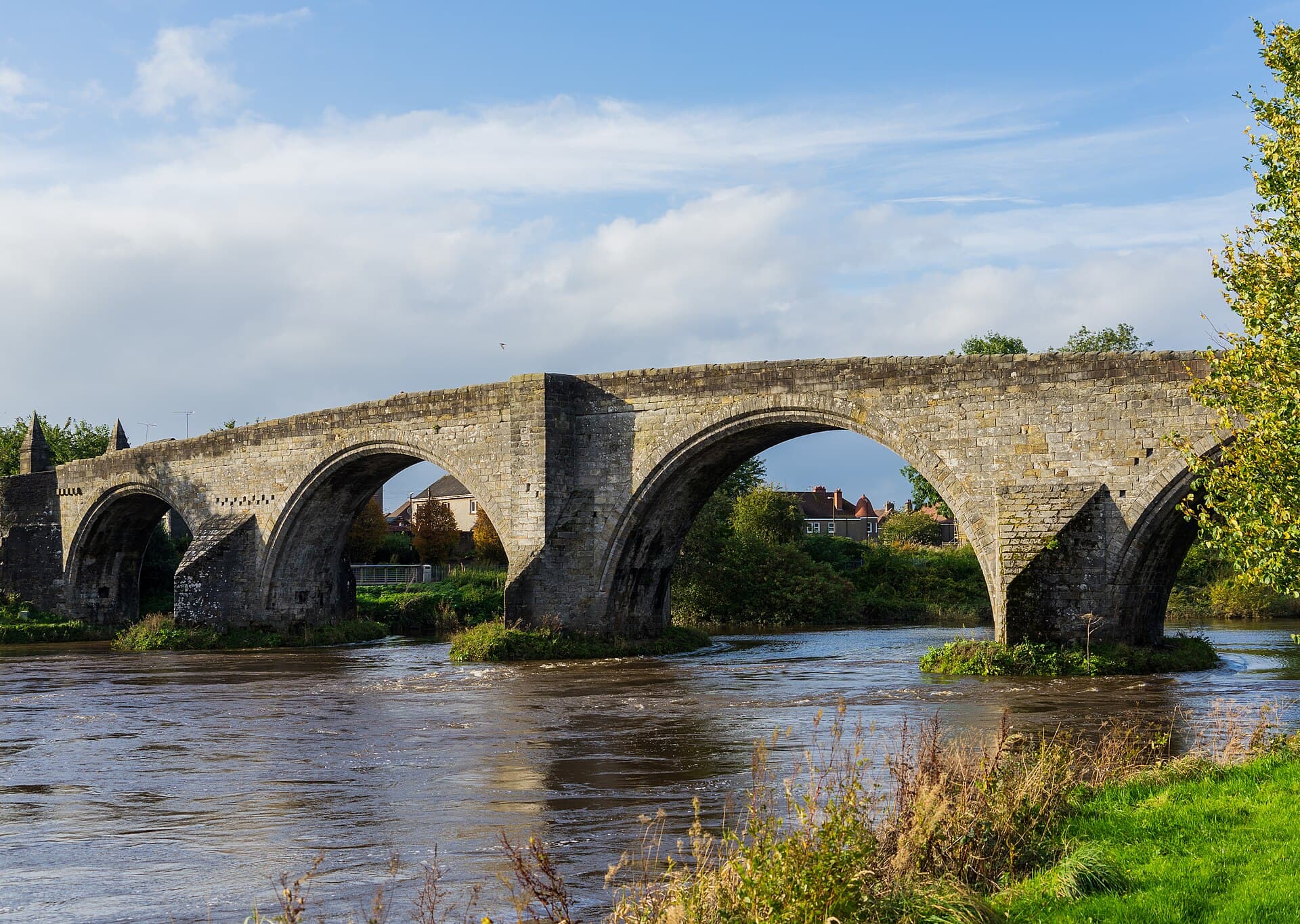 Stirling Old BridgeFor more than three centuries this was the lowest bridge on the River Forth, and11 minutes walk
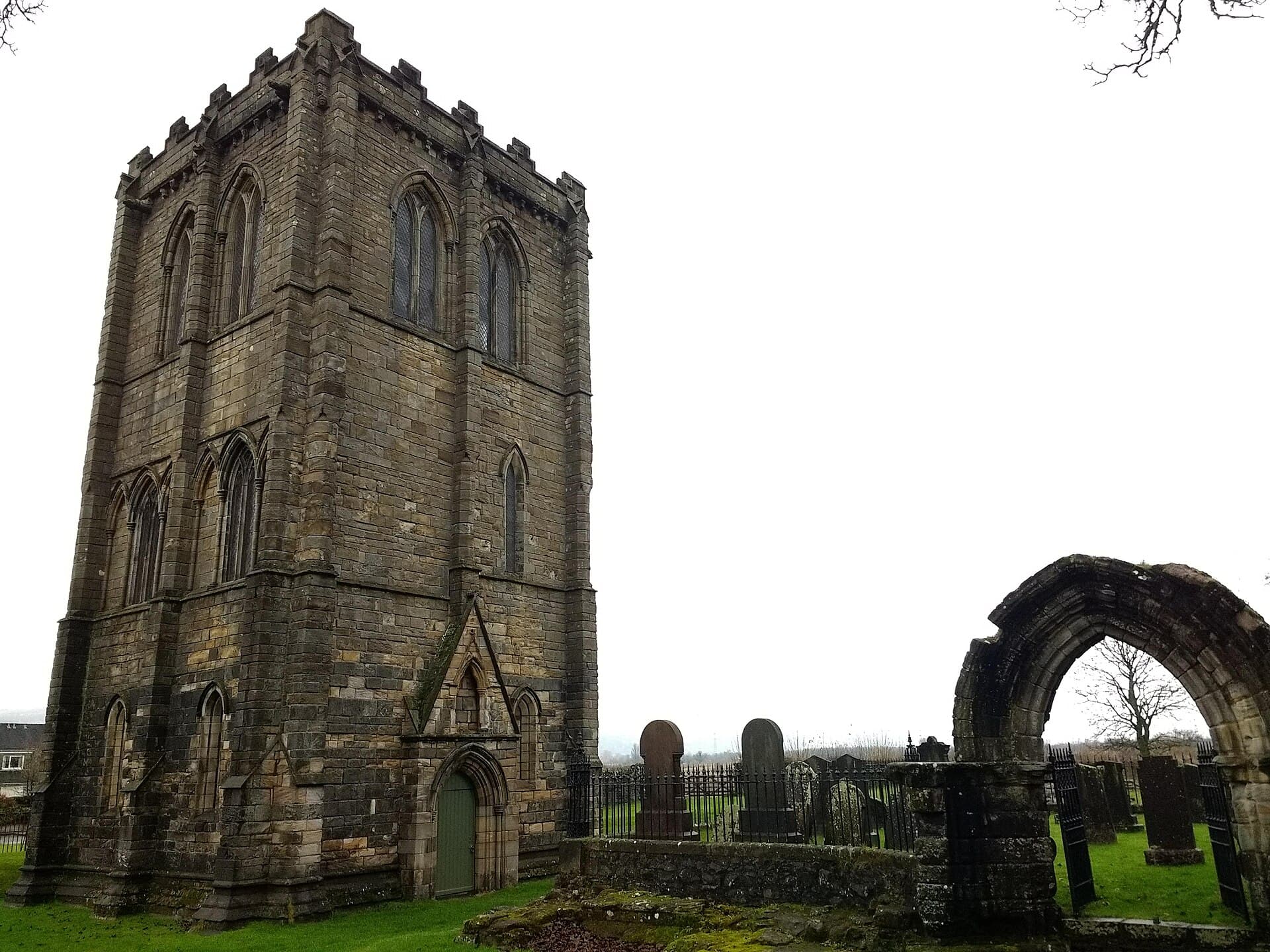 Cambuskenneth AbbeyA Scottish king and his queen lie in a field at the edge of farmland. That is th23 minutes walk
Yes, if royal interiors interest you more than fortifications: Stirling's palace was refurnished in full colour with its tapestries, so it feels like a palace rather than a ruin, and it is less crowded and cheaper. If what you want is the crown jewels and a city view, Edinburgh Castle is enough and Stirling can be skipped.
It works well from about age six: costumed staff in the palace, a vault of activities for children, and under-sevens go free. A pushchair is possible but the ground is steep cobbles, the kitchens and museum have steps, and nowhere stores it, so a baby carrier is easier for infants.