
A third option for women
Neither marriage nor convent — an organised residence with relative independence.
VitVit — CC BY-SA 4.0 · FOTO:Fortepan — ID 51282: Adományozó/Donor: Nagy Gyula. archive copy at the Wayback Machine — CC BY-SA 3.0 · Reem Al-Kashif — CC BY-SA 4.0 · FOTO:Fortepan — ID 51346: Adományozó/Donor: Nagy Gyula. — CC BY-SA 3.0
A Baroque palace in central Brno, built in the seventeenth century to house the Institute of Noble Ladies, and holding today the ethnographic department of the Moravian Regional Museum. Its name points to a social institution that reads strangely now: such foundations were established to house the daughters of noble families who had not married and had not entered convents. They were not convents in the full religious sense but organised residences allowing women of a particular class a relatively independent and socially respectable life, in a society that offered them little beyond marriage or the cloister. The ethnographic exhibition inside covers rural Moravian life: traditional dress, tools, customs and the ritual year. Moravia retains far stronger traditions of dress and music than Bohemia, an internal difference that surprises anyone who treats Czechia as a single bloc. Practical points: entry is ticketed and may cover the Moravian Museum's other branches. The location is central, walking distance from everything.
Neither marriage nor convent — an organised residence with relative independence.
Far stronger dress and music traditions — a real internal difference.
The exhibition follows customs through the farming seasons and feasts.
Kobližná street, central Brno
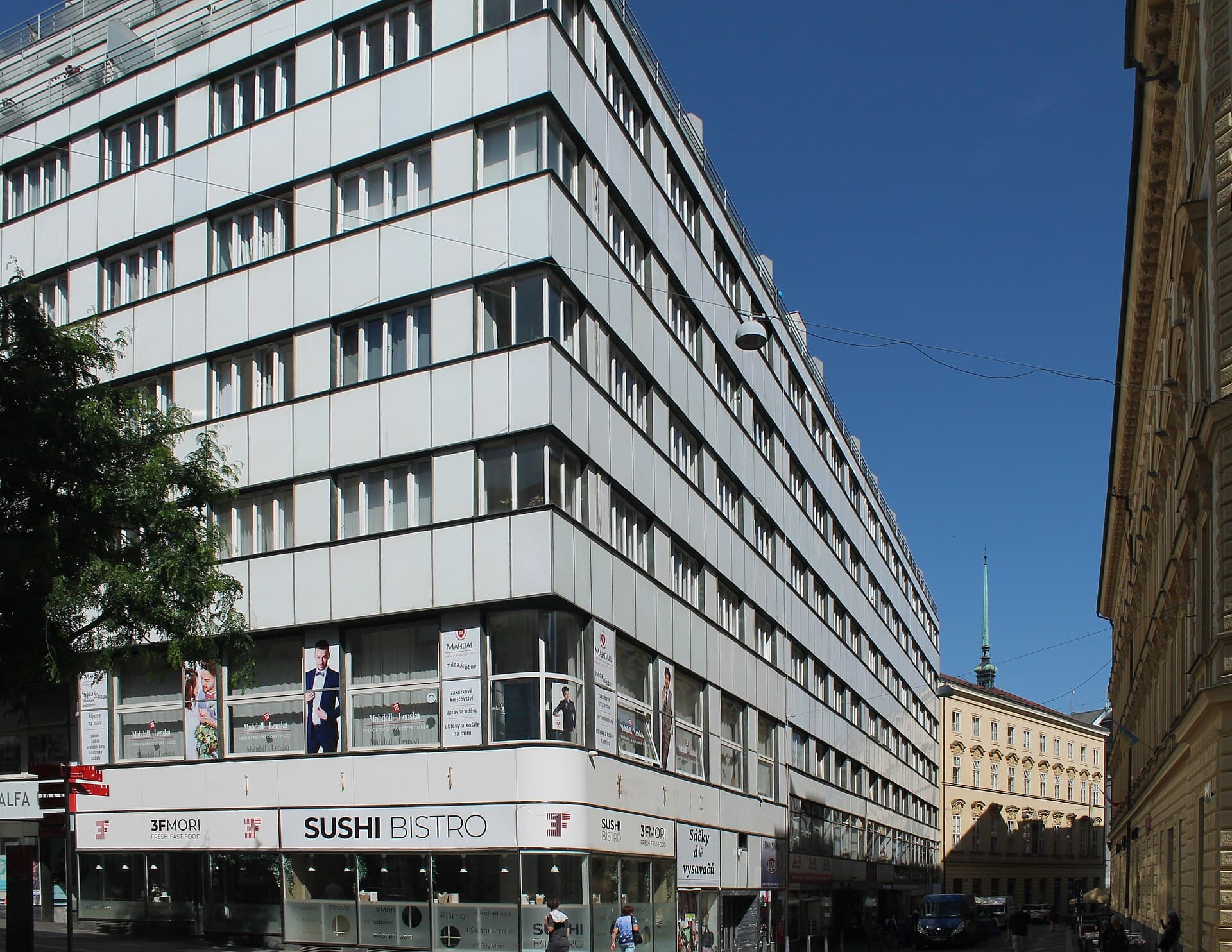 Alfa PalaceA functionalist building of the 1930s in central Brno, containing a covered shop1 minute walk4.1
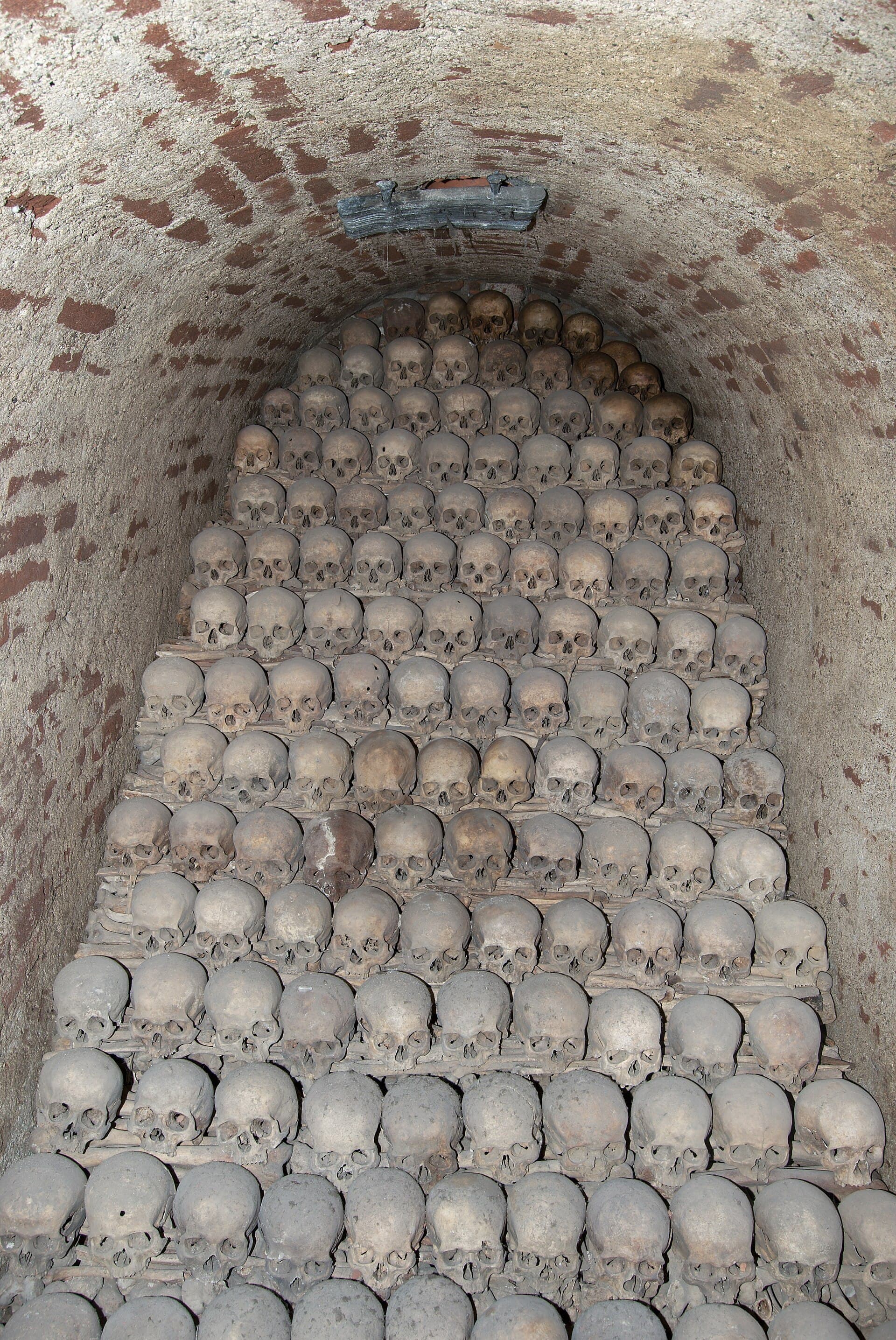 The Brno OssuaryDirectly beneath James Square sleep fifty thousand: Europe's second-largest ossu2 minutes walk4.4
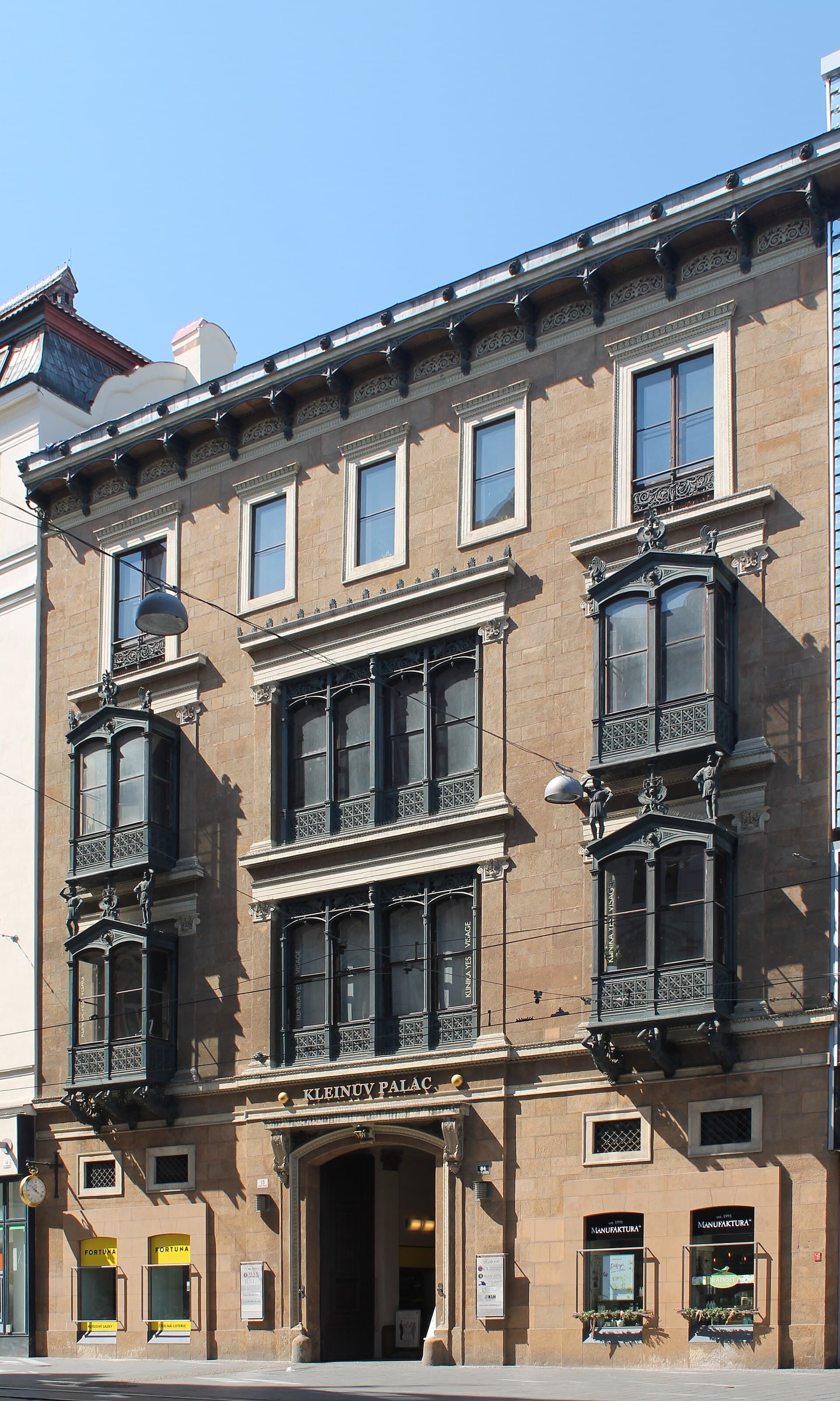 Klein PalaceA mid-nineteenth-century palace on Náměstí Svobody, Brno's main square, built by2 minutes walk4.8
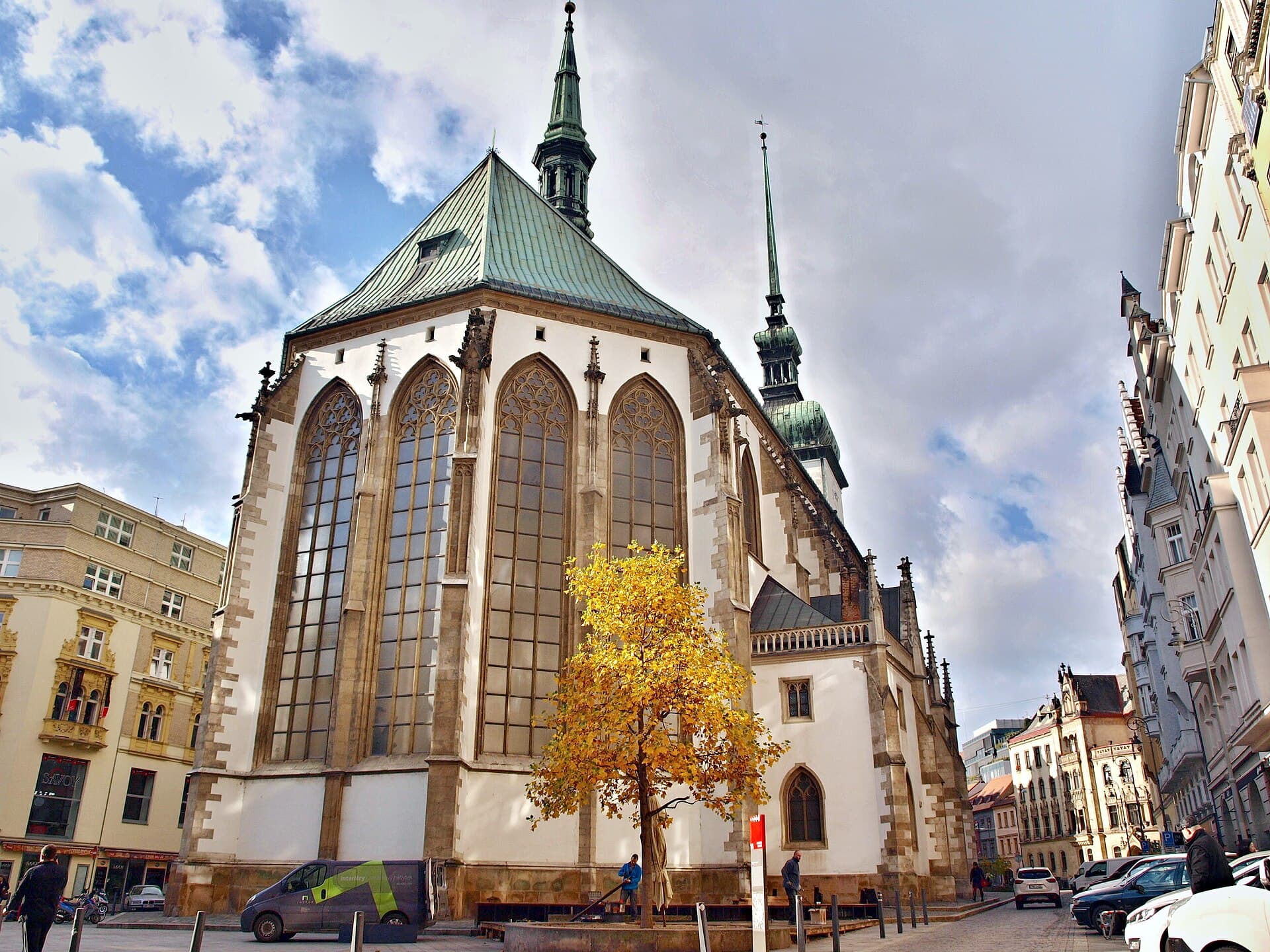 St James's SquareA square in the northern part of old central Brno around the Gothic church of St2 minutes walk4.8
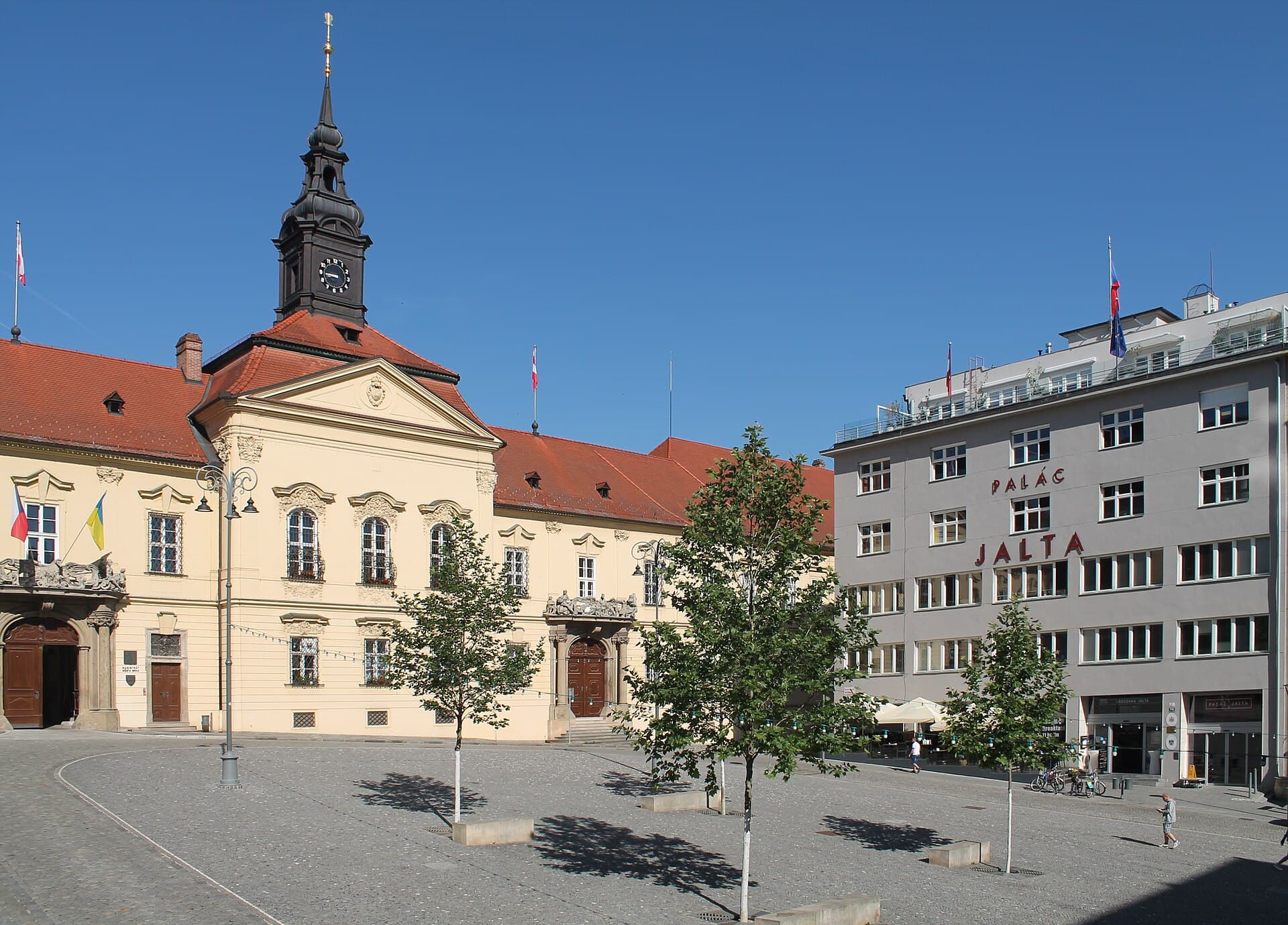 Dominican SquareA square in old central Brno holding the New Town Hall, the Dominican monastery 3 minutes walk4.8
Two historic regions that with Czech Silesia make up Czechia. Bohemia is in the west with Prague as its capital, Moravia in the east with Brno. The differences are real: different dialects, stronger folk traditions in Moravia, higher Catholic observance, and a wine culture in south Moravia against Bohemia's beer culture. Moravians distinguish themselves clearly, and it is a cultural rather than political distinction.
If folk culture interests you, yes — it is the best place in Brno to understand rural Moravia. If you have only one day in Brno, Villa Tugendhat, Špilberk and the Capuchin crypt come first. The museum is small and an hour covers it.