
Modernist façade
A single block.
Sabrinachiarella — CC BY-SA 4.0 · Joalpe — CC BY-SA 4.0 · Joalpe — CC BY-SA 4.0 · Joalpe — CC BY-SA 4.0 · Joalpe — CC BY-SA 4.0
The 9 de Julho Palace is the seat of the São Paulo State Legislative Assembly, facing Ibirapuera Park, and is named after 9 July 1932, the start of the Constitutionalist movement in which São Paulo rose against the federal government to demand a constitution, still a public holiday in the state. The building opened on 25 January 1968, the anniversary of the city's founding, after the assembly had moved between several seats since its creation in 1835, among them the Jesuit college and the Palace of Industries. The architects Adolpho Rubio Morales and Fábio Kok de Sá Moreira designed it as a single modernist block of 36,000 square metres on seven floors, its main entrance facing the park and broad ramps leading to the «Monumental Floor» with the main hall and reception spaces. The building is seen on a walk through Ibirapuera Park and past the nearby Bandeiras monument, and the assembly sometimes runs guided public visits, so ask in advance.
A single block.
Opposite.
At set times.
Opposite Ibirapuera Park, São Paulo
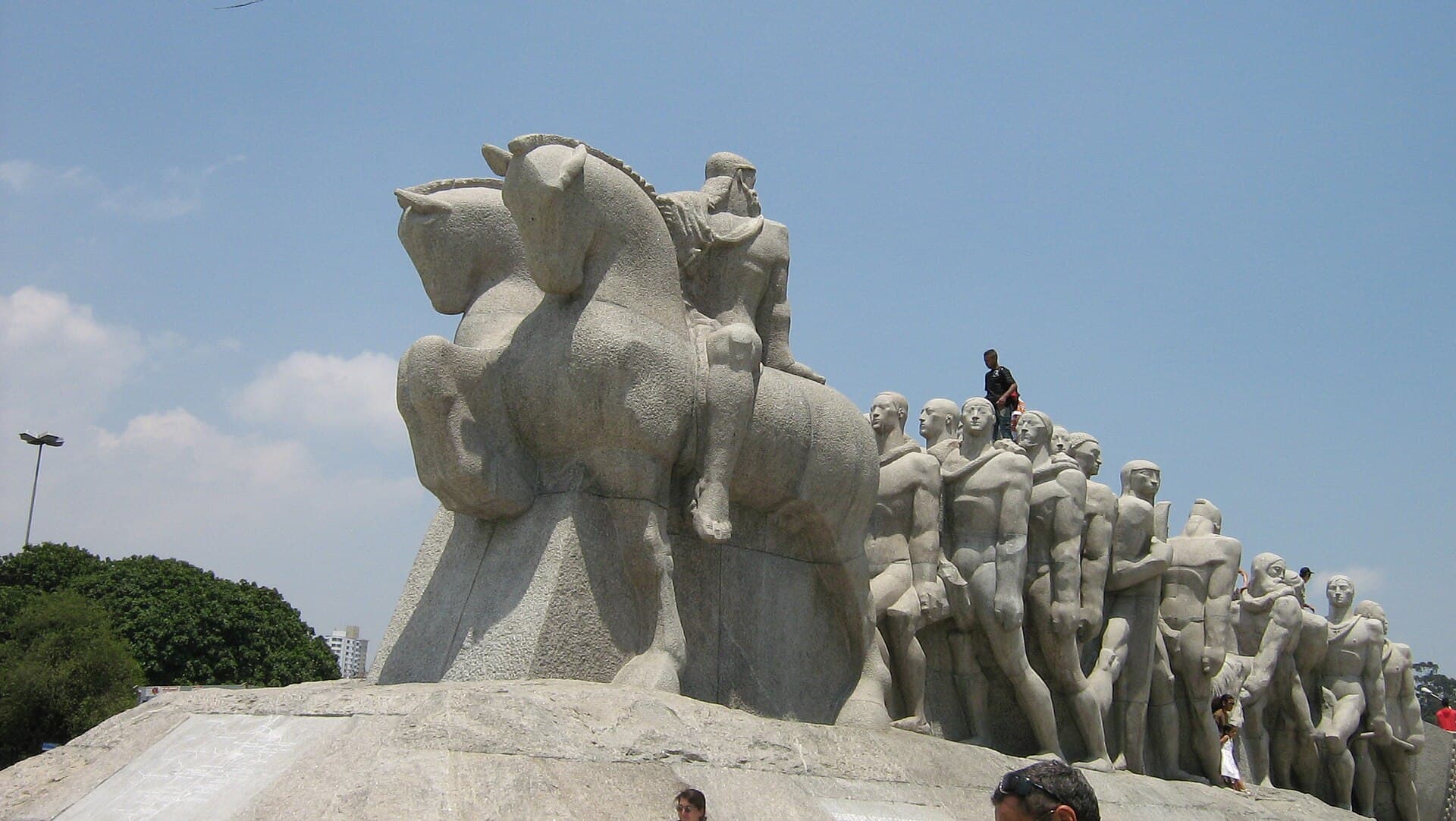 Monument to the BandeirasAt the northern entrance to Ibirapuera Park stands São Paulo's best-known monume4 minutes walk4.6
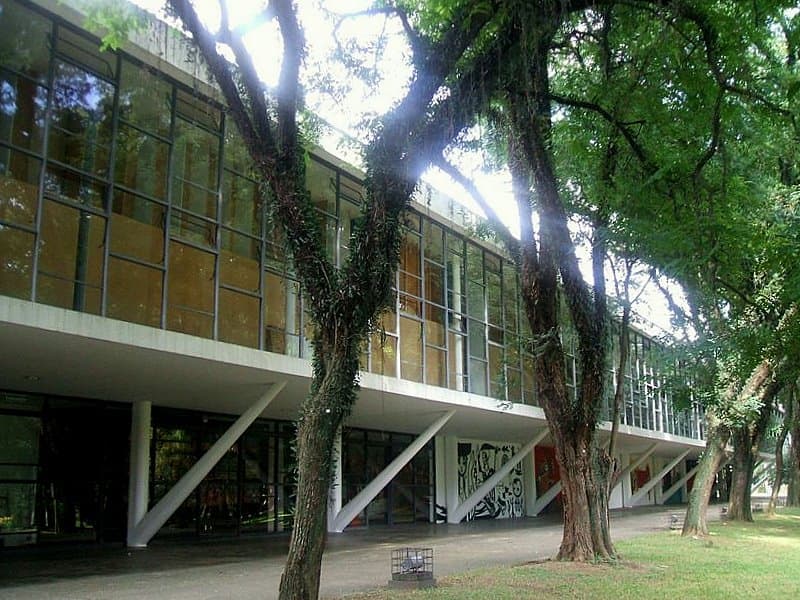 Museu Afro BrasilThe Museu Afro Brasil, in Ibirapuera Park, is dedicated to the history, art and 5 minutes walk4.7
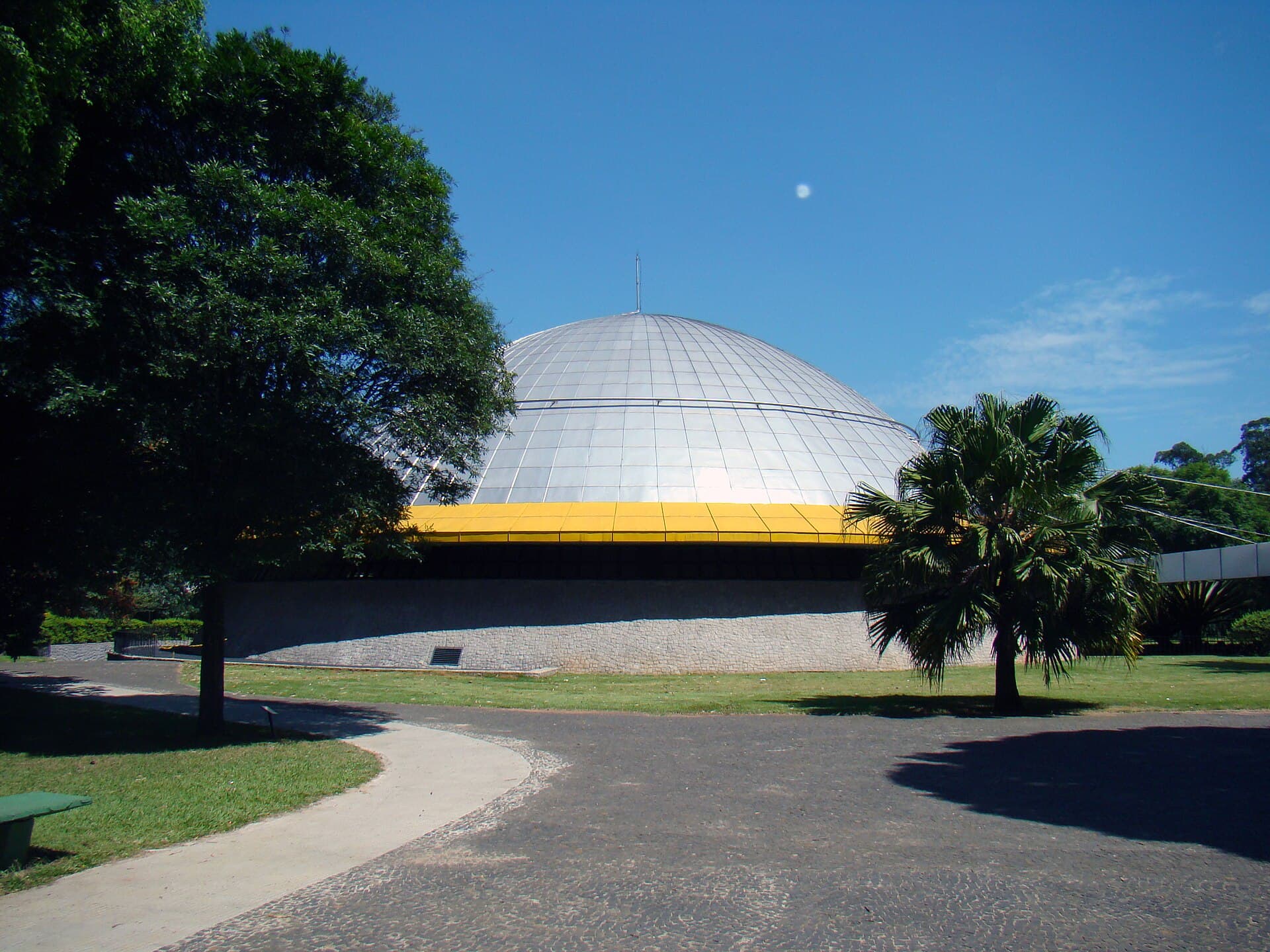 Ibirapuera PlanetariumThe Ibirapuera Planetarium, officially the Professor Aristóteles Orsini Planetar7 minutes walk4.3
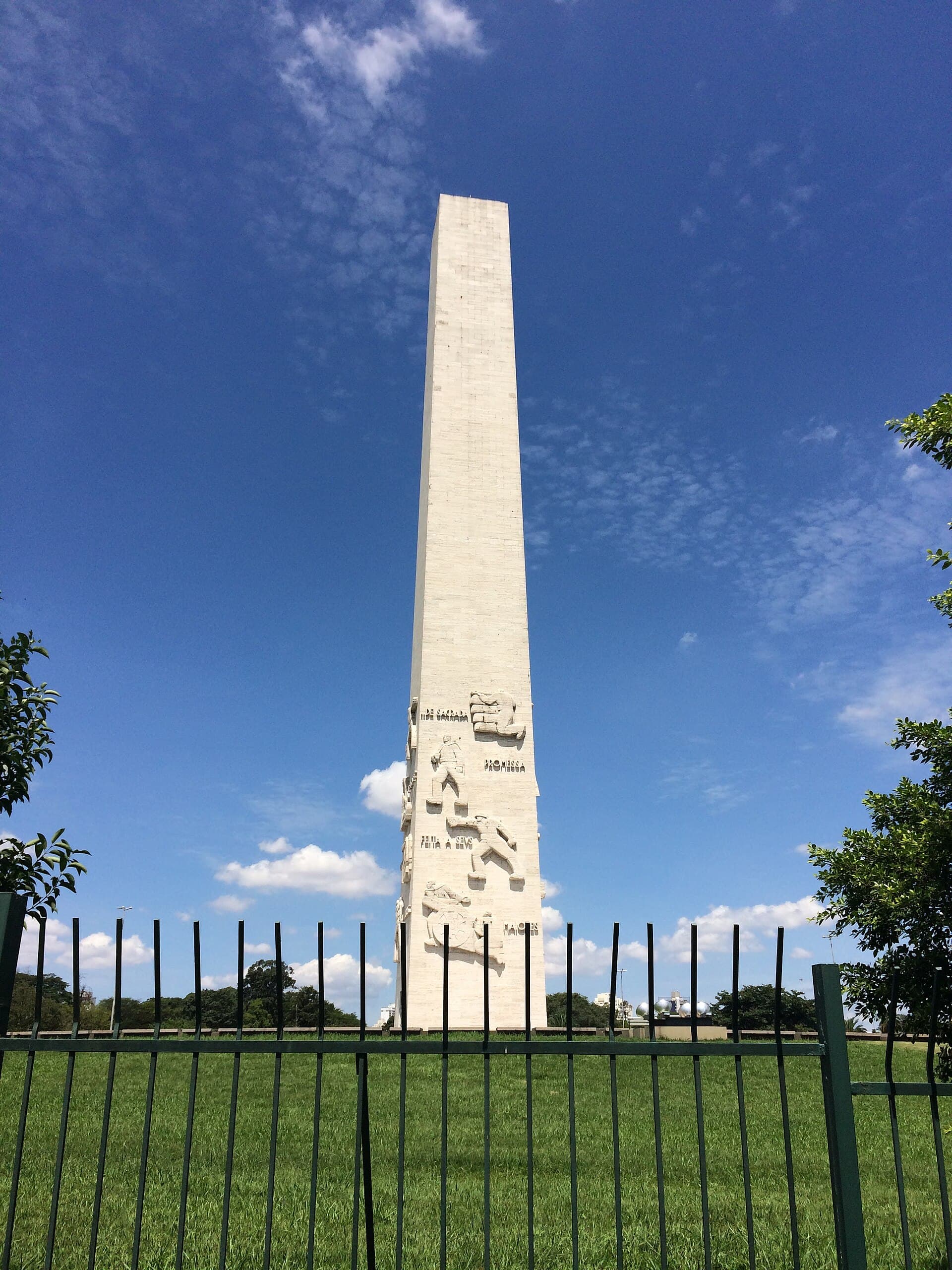 Obelisk of São PauloThe Ibirapuera Obelisk, officially the «Mausoleum of the Heroes of 32», is São P7 minutes walk
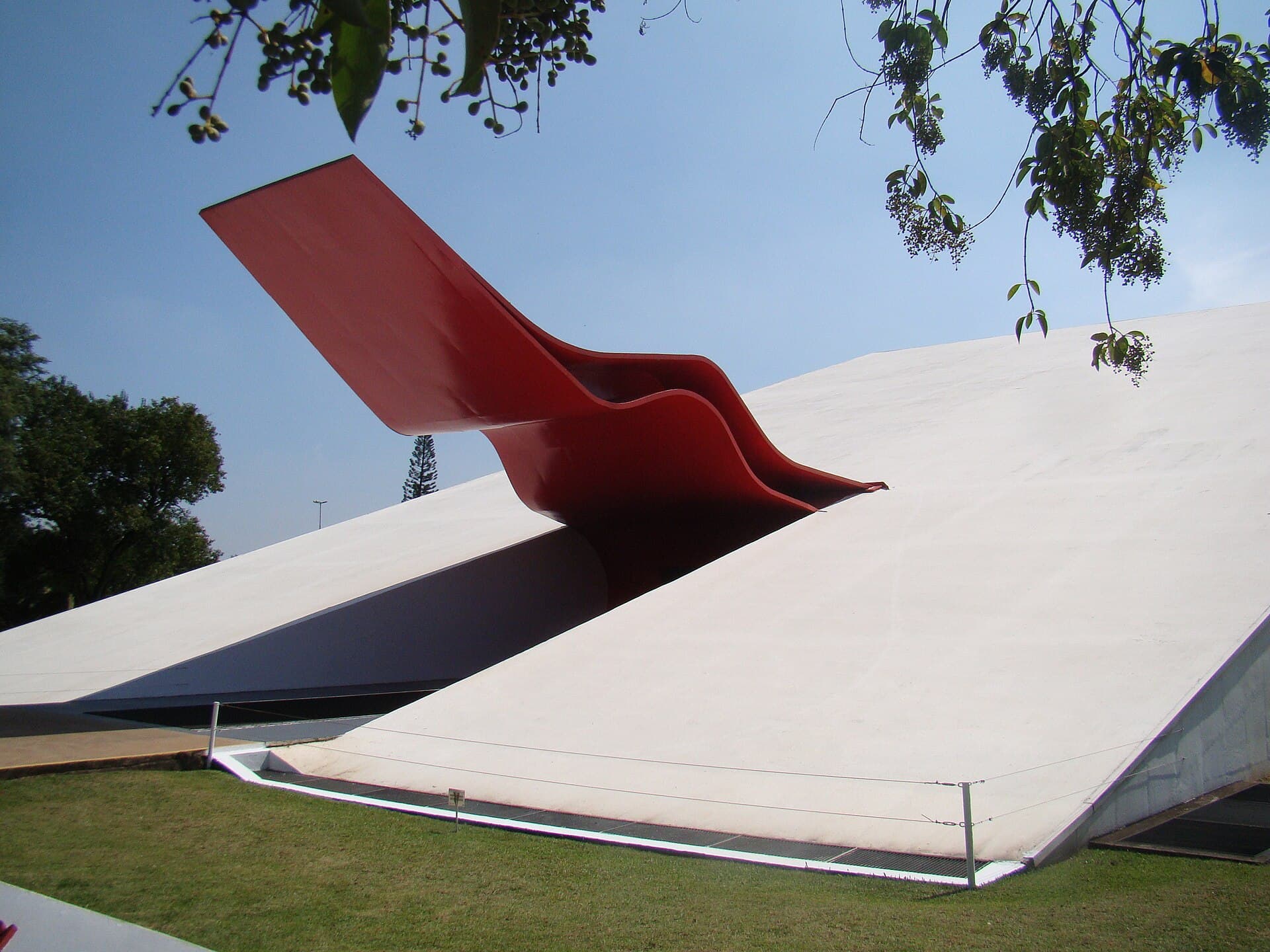 Ibirapuera AuditoriumThe concert hall in Ibirapuera Park is by Oscar Niemeyer, the last piece of the 7 minutes walk4.9
After 9 July 1932, the start of São Paulo's Constitutionalist movement.