
The Italica floor
The Roman city's mosaics laid room by room.
Public domain · Benjamin Smith — CC BY-SA 4.0 · Benjamin Smith — CC BY-SA 4.0 · Benjamin Smith — CC BY-SA 4.0
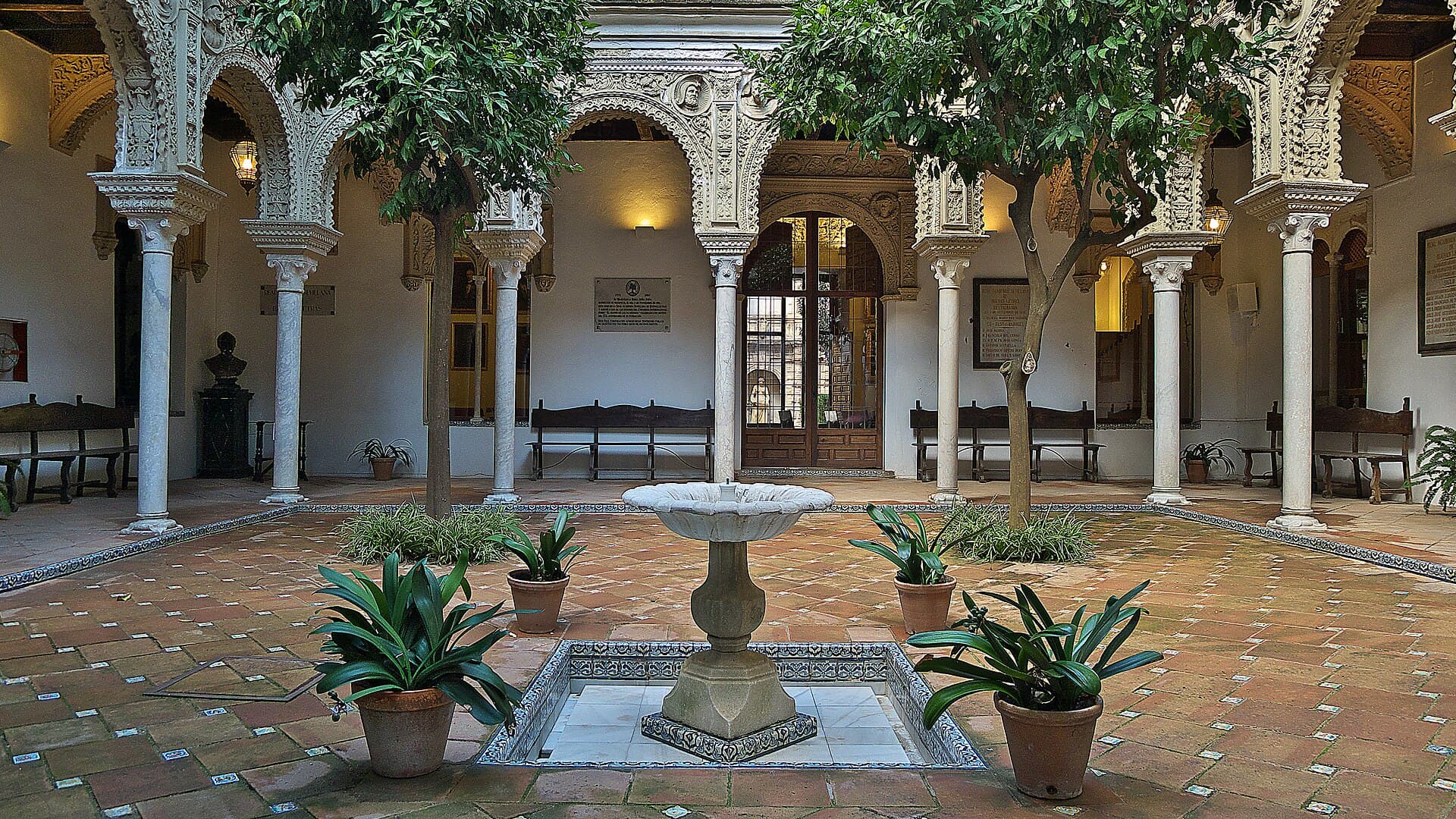
The Lebrija palace houses Seville's strangest passion: the antiquity-loving Countess Regina turned her early-1900s home into Europe's finest floor — complete Roman mosaics from nearby Italica paving her halls and courtyards, till it was called the best-mosaicked house on earth. Above the Roman floors coil Mudéjar plasterwork, azulejos and Castilian timber ceilings — the Sevillian strata digested in one house — while the guided upper floor shows her library and collections as she lived among them. On the shopping street of Cuna, steps from the Setas, it is the elegant least-famous of the city's palaces — for mosaic lovers specifically, without substitute.
The Roman city's mosaics laid room by room.
Rome below, Mudéjar around, timber above — history in cross-section.
Calle Cuna 8, 41004 Seville
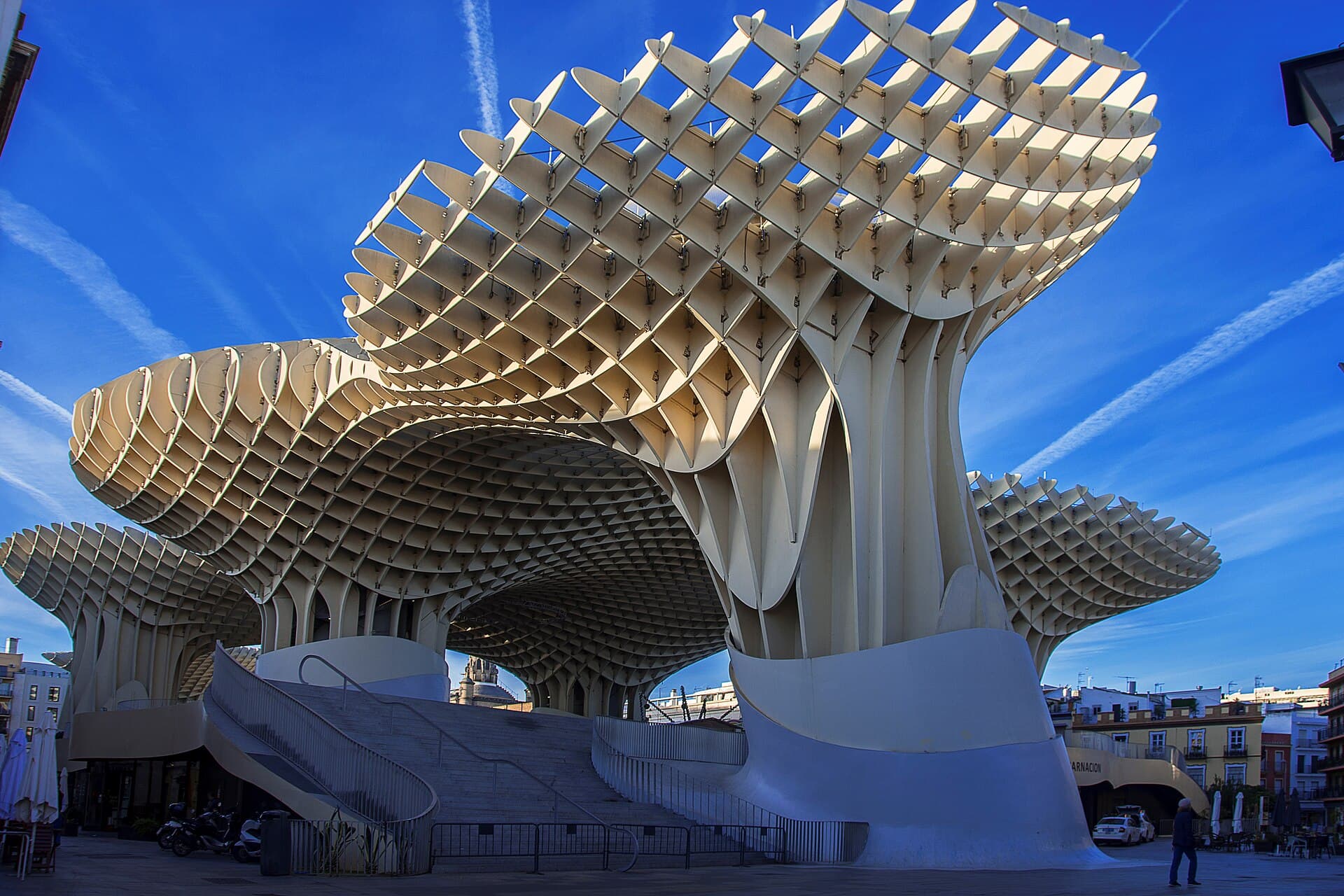 Setas de Sevilla (Metropol Parasol)"The mushrooms" — as Sevillians named them on sight — form the world's largest t3 minutes walk4.3
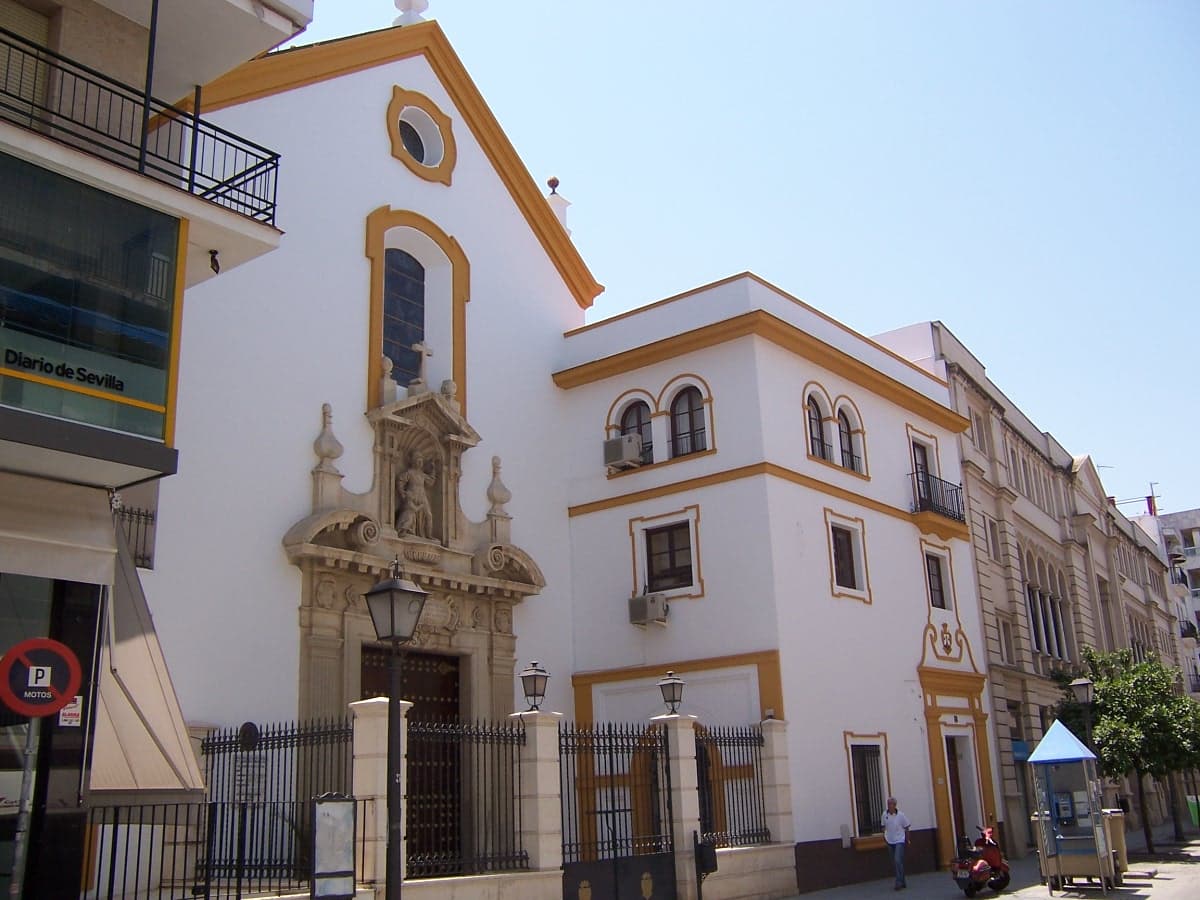 Church and Museum of Santo ÁngelA seventeenth-century church in central Seville, formerly attached to a Carmelit3 minutes walk4.7
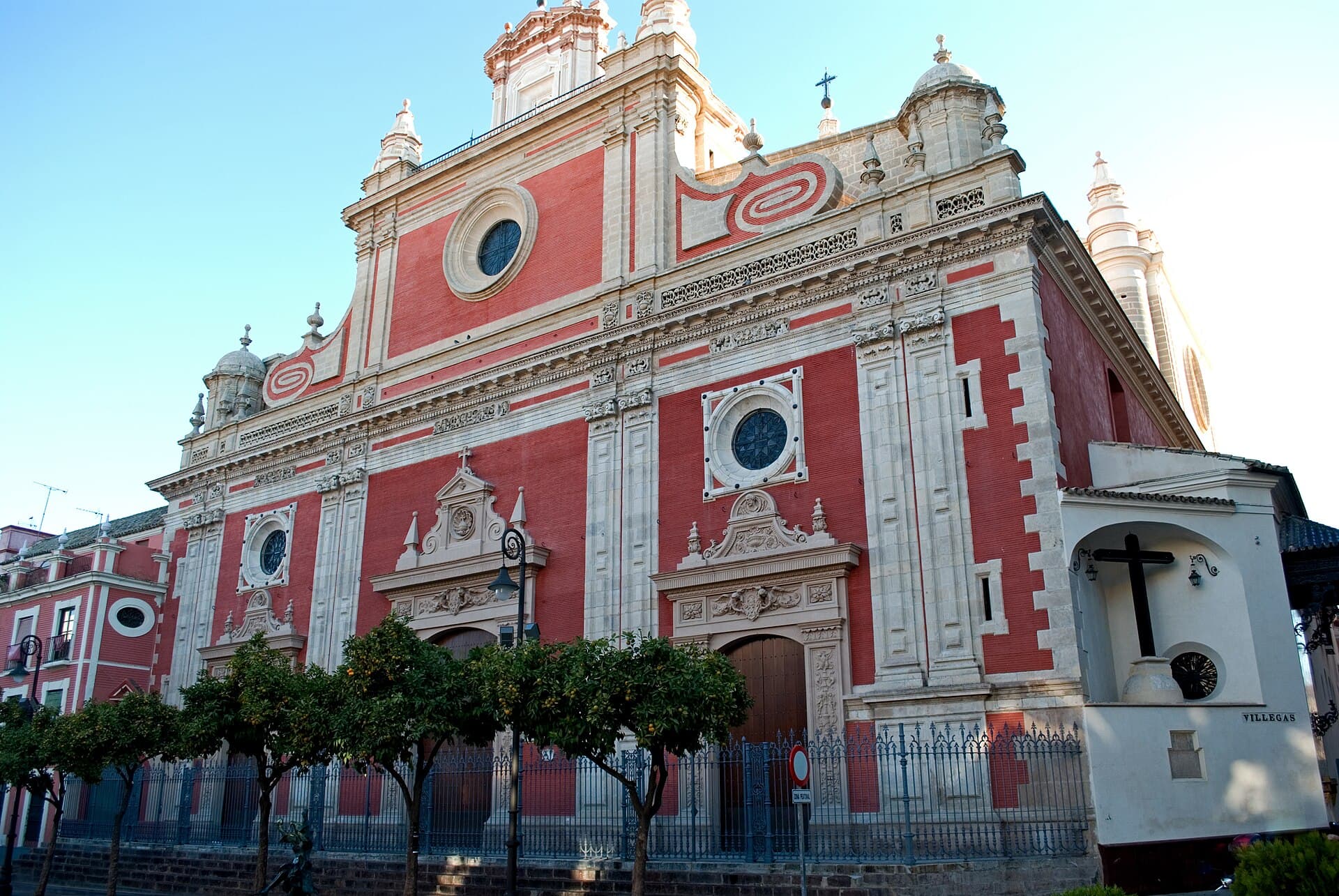 Church of El SalvadorSeville's second largest church after the cathedral, standing on a square in the3 minutes walk4.7
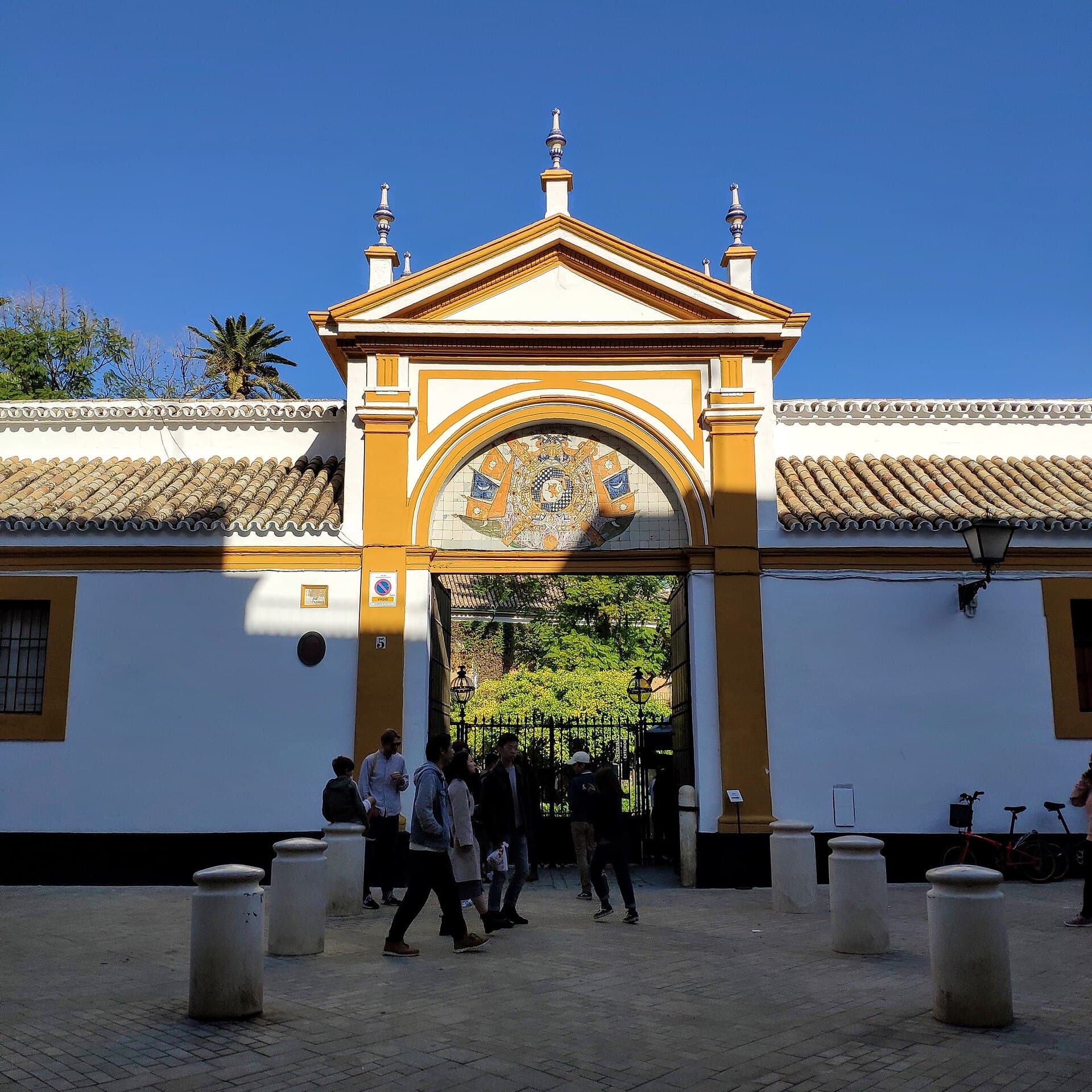 Palacio de las DueñasLas Dueñas is the house of Spain's most famous dukes and Seville's most alive pa6 minutes walk4.5
 Royal Academy of Fine ArtsSeville's academy of fine arts, an institution going back to the eighteenth cent7 minutes walk4.8
It completes, not replaces: the site (9 km out) gives the vast amphitheatre and context; this gives mosaics preserved as if yesterday. Roman devotees do both — quick tasters find here the air-conditioned digest.