
It survived by being private
It fell outside the rules for altering public bridges.
Didier Descouens — CC BY-SA 4.0 · Armin Kleiner — CC BY-SA 4.0 · Álvaro de la Paz Franco — CC0 · Ethan Doyle White — CC BY-SA 4.0
A small bridge in the Cannaregio district, one of only two bridges in Venice left without a parapet. All Venice's bridges were originally without parapets — bare stone or timber spans you crossed with nothing to stop you falling. Railings were added gradually from the nineteenth century for reasons of safety, and only this bridge and the Devil's Bridge on Torcello remain without. The reason for its survival is that it is private: it leads to a single house rather than a public street, so it fell outside the rules governing the alteration of public bridges. Its name comes from the Chiodo family, who owned the house. This makes it a witness to the shape of the city two centuries ago: crossing it, you understand how walking in Venice was more dangerous than it is now, and how the relationship with the water was closer and less guarded. The bridge is effectively private — it is seen and photographed from the opposite bank rather than crossed.
It fell outside the rules for altering public bridges.
All its bridges were like this before the nineteenth century.
The Devil's Bridge is the only other survivor.
The Cannaregio district, Venice
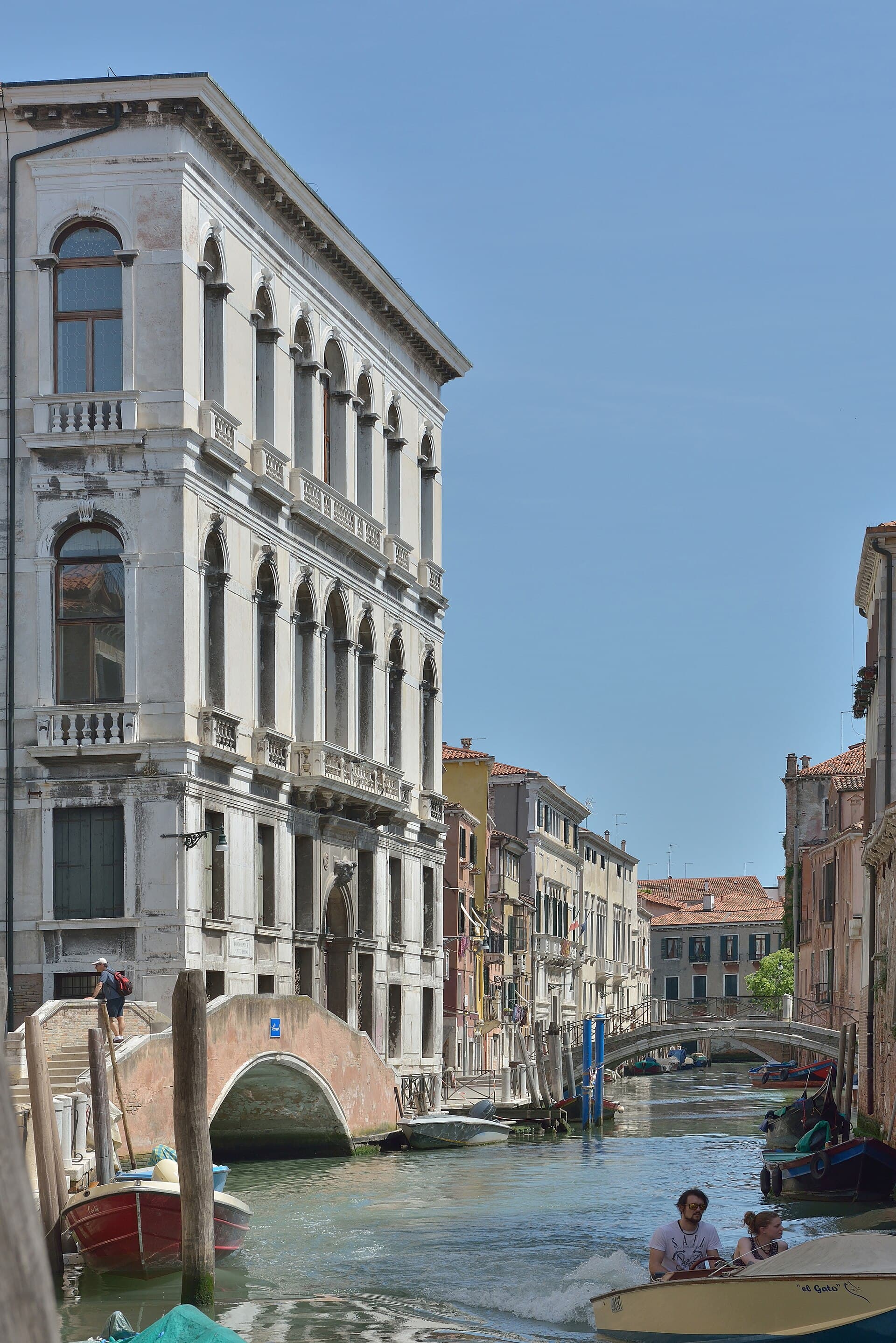 Palazzo Diedo – Berggruen Arts & CultureUntil 2012, people came into this palace to stand before a judge. Now they come 3 minutes walk4.2
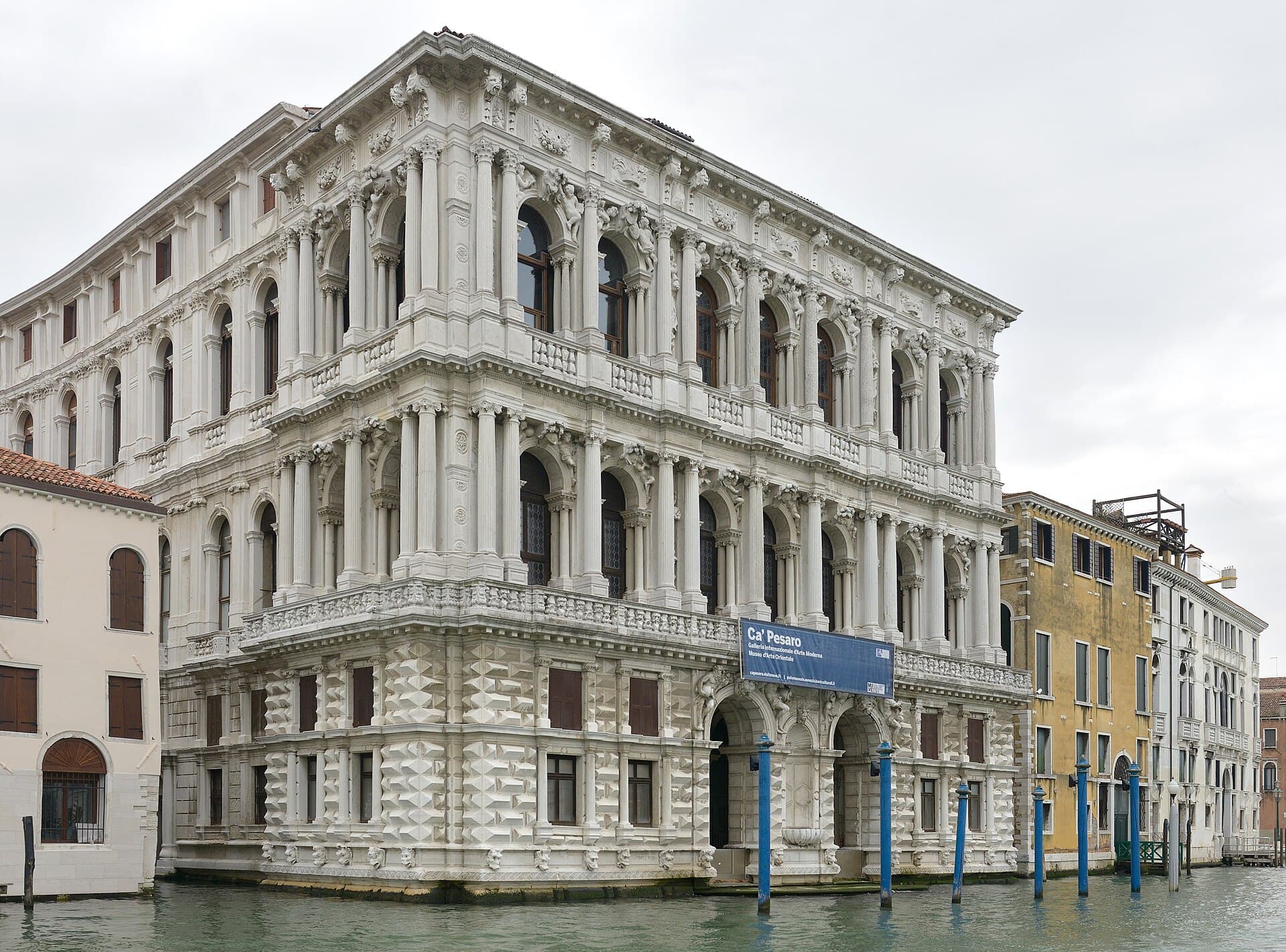 The Museum of Oriental ArtA museum of Asian art on the top floor of the Ca' Pesaro palace on the Grand Can4 minutes walk4.6
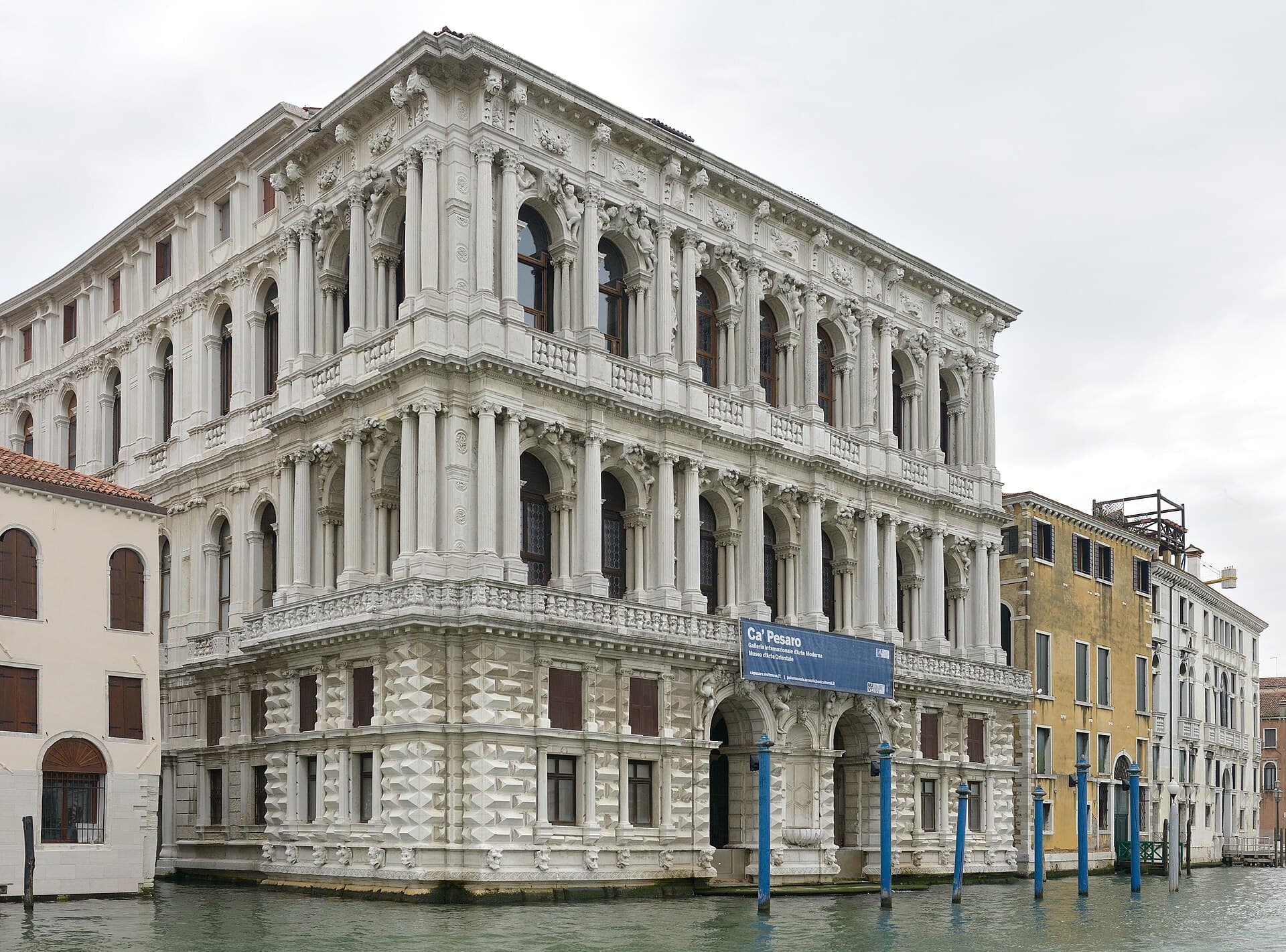 Ca' PesaroCa' Pesaro is the grandest Baroque palace on the Grand Canal, its heavy marble f4 minutes walk4.4
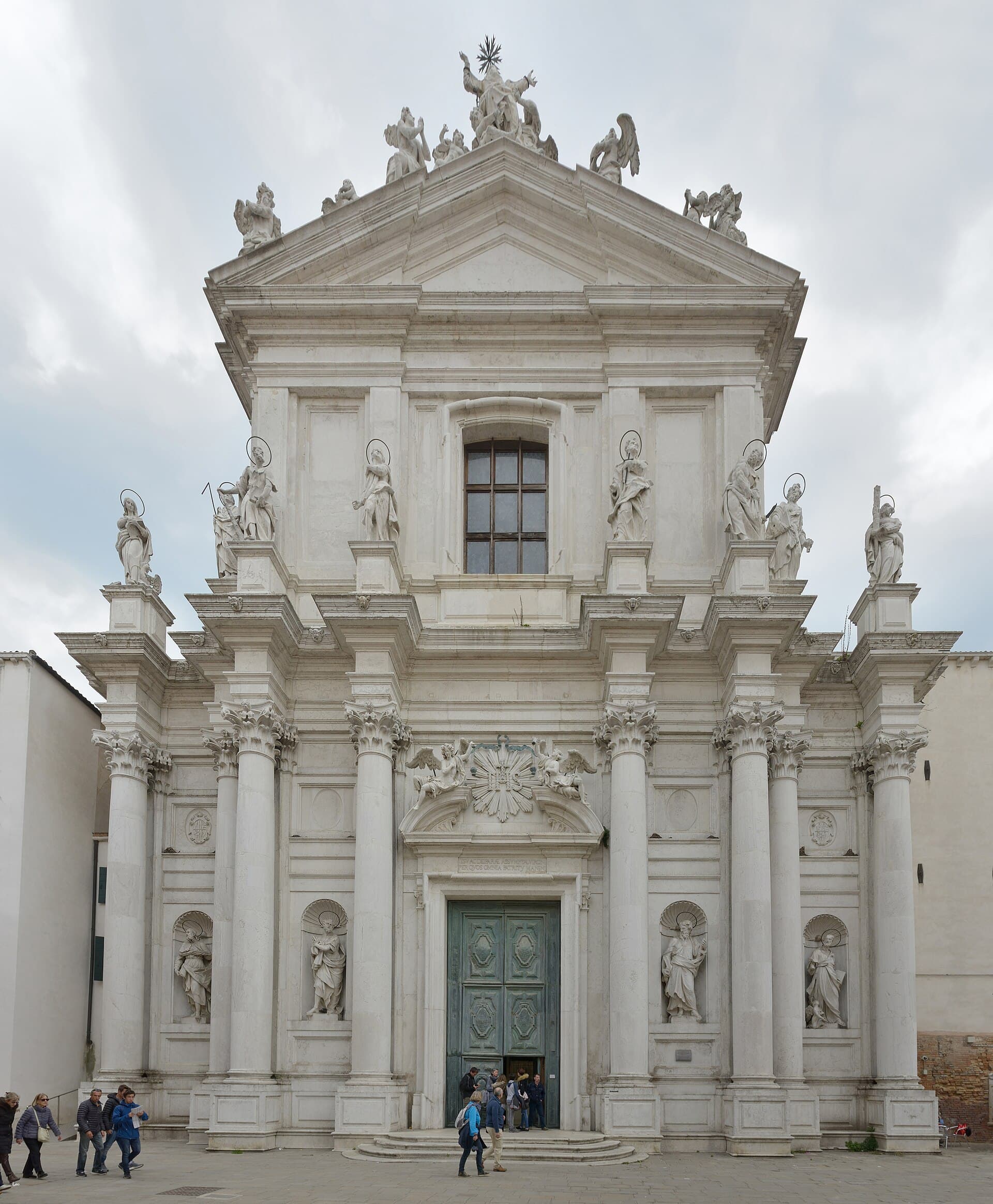 I Gesuiti (Santa Maria Assunta)You walk in convinced the walls are hung with heavy green-and-white damask, fold4 minutes walk4.8
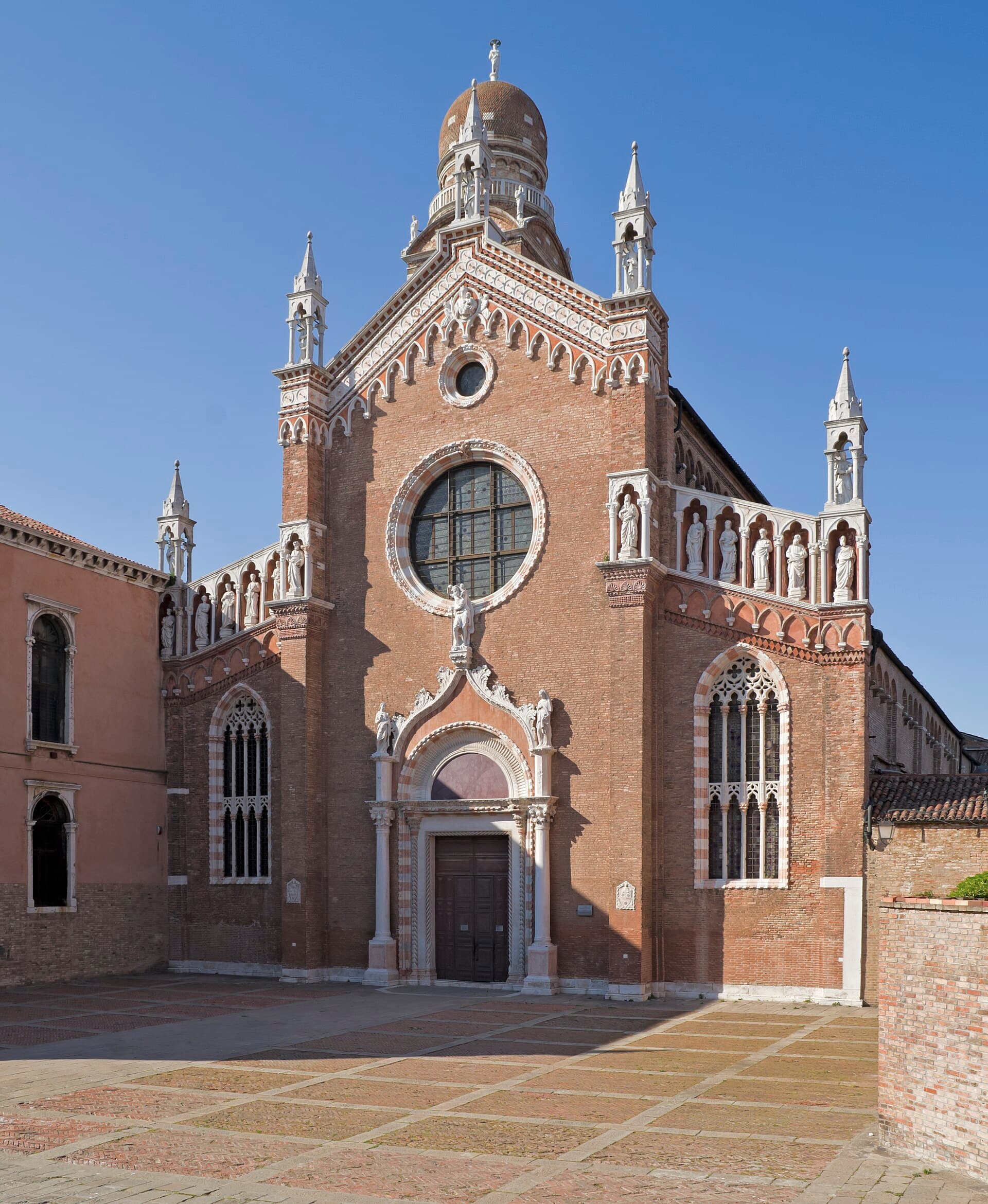 Madonna dell'OrtoTwo canvases roughly fourteen and a half metres tall stand guard over the high a5 minutes walk4.7
That it is Venice's genuine residential quarter: its most populous and the least turned into a tourist frontage. It holds the Jewish Ghetto — the first district in the world to bear that name, established in 1516 — the church of Madonna dell'Orto where Tintoretto is buried, and long straight canals with cafés and bars used by residents. Going fifty metres off the main Strada Nova is enough to empty the lanes entirely.
Three practical rules: stay off the axis between the station, the Rialto and San Marco — that line carries most of the crowd, and any side lane is far quieter. Move very early or after six in the evening when the day trips and cruise passengers leave. And stay in the city rather than in Mestre: Venice at night is an entirely different place. Cannaregio, eastern Castello and the Giudecca are the quiet alternatives.