
Two canvases to the ceiling
The Last Judgement and the Golden Calf rise some fourteen and a half metres either side of the chancel, usually with nobody between you and them.
Didier Descouens — CC BY-SA 4.0 · Effems — CC BY-SA 4.0 · Effems — CC BY-SA 4.0 · Abxbay — CC BY-SA 3.0
Two canvases roughly fourteen and a half metres tall stand guard over the high altar: the Last Judgement and the Making of the Golden Calf, painted by Tintoretto not for a cardinal or a doge but for his own parish church, a few minutes from his front door. The remarkable part is that you may well be standing in front of them entirely alone. Madonna dell'Orto sits at the northern edge of Cannaregio, off the conveyor belt that runs between the Rialto and San Marco, which leaves one of the loveliest Gothic interiors in Venice close to empty for most of the day. This was Tintoretto's parish in the literal sense. He lived minutes away on the Fondamenta dei Mori, worshipped here for decades, and was buried here in 1594 with two of his children in the small chapel to the right of the chancel. The grave slab is so plain it disappoints anyone expecting a monument, and that gap between the quiet stone and the roaring paintings above it is the best joke in the building. Over a doorway at the end of the right aisle hangs the Presentation of the Virgin, with its steep diagonal staircase and the tiny figure at the top of it; plenty of visitors leave preferring it to everything else here. The building is fourteenth-century Gothic, its front finished in the 1460s: warm rose brick and white Istrian stone, a rose window, twelve apostles standing in their niches across the facade, and an onion-domed campanile of 1503 visible from the lagoon. The church was first dedicated to St Christopher, patron of those who carry people across water, and his statue still stands above the door. The name changed after a stone Madonna, abandoned in a nearby kitchen garden and credited with miracles, was brought inside; hence the Madonna of the Garden. There is a modern scar too: an empty frame in the Valier chapel where a small Giovanni Bellini hung until it was stolen in 1993. The holder agreed in July 2025 to give the panel back, so it is worth checking on the day whether it is home on the wall. Getting there is half the pleasure: about twenty-five minutes on foot from the Rialto through lanes where people actually live, or the Madonna dell'Orto vaporetto stop practically at the door. Artistic visits run Monday to Saturday; Sunday belongs to mass, not to sightseeing. The interior is flat and step-free, though the bridges on the way are not. Honestly: if you have only two days in Venice, this is not a priority. If you care about painting, or want one genuinely silent hour in a city that never offers you any, few places give it as generously.
The Last Judgement and the Golden Calf rise some fourteen and a half metres either side of the chancel, usually with nobody between you and them.
The painter was buried here in 1594 in a small chapel to the right of the chancel, under a stone far quieter than anything he painted above it.
Rose-pink brick, white Istrian stone and twelve apostles in their niches, on a small square where nobody is waiting in line.
Campo Madonna dell'Orto, Cannaregio 3512, 30121 Venice
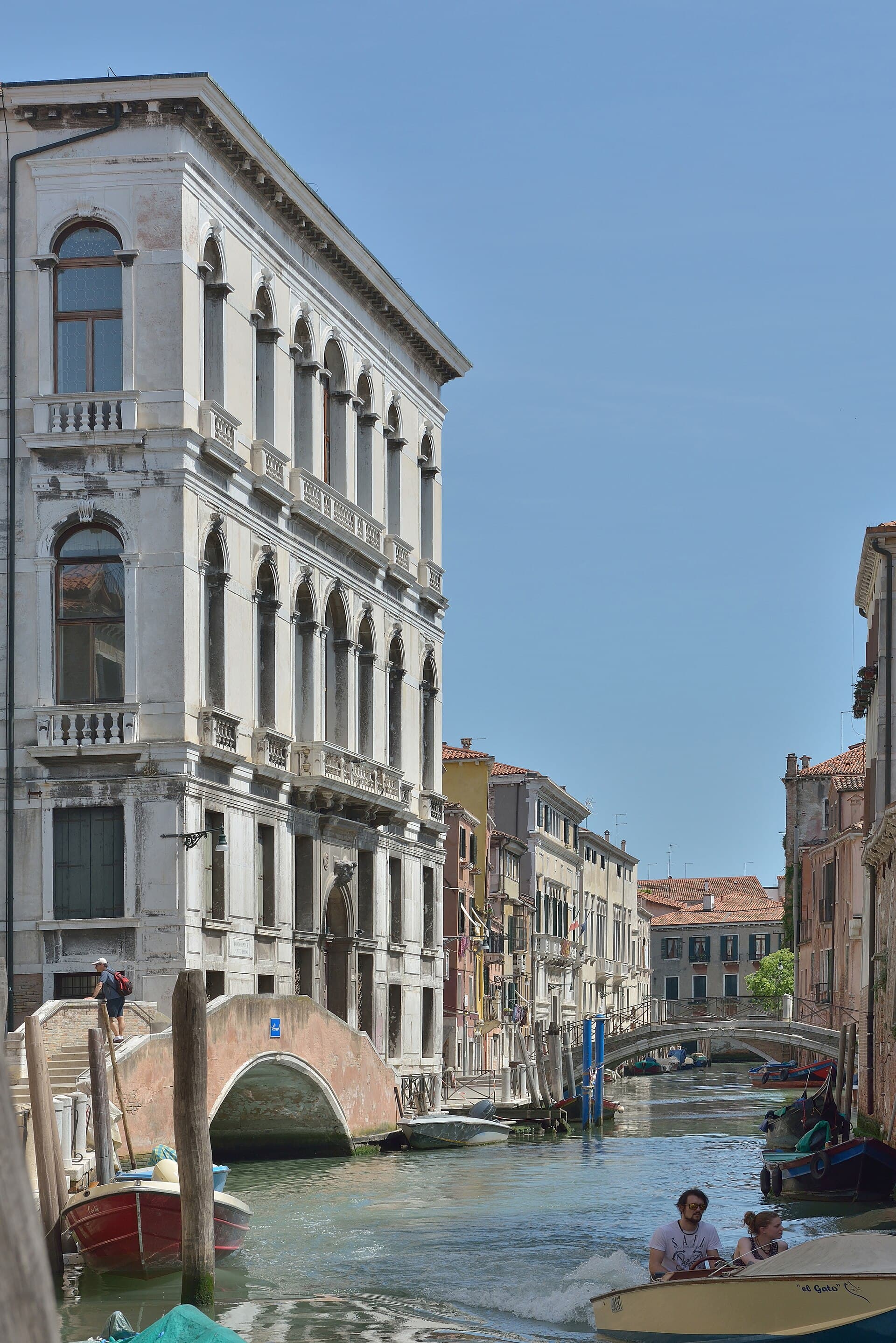 Palazzo Diedo – Berggruen Arts & CultureUntil 2012, people came into this palace to stand before a judge. Now they come 4 minutes walk4.2
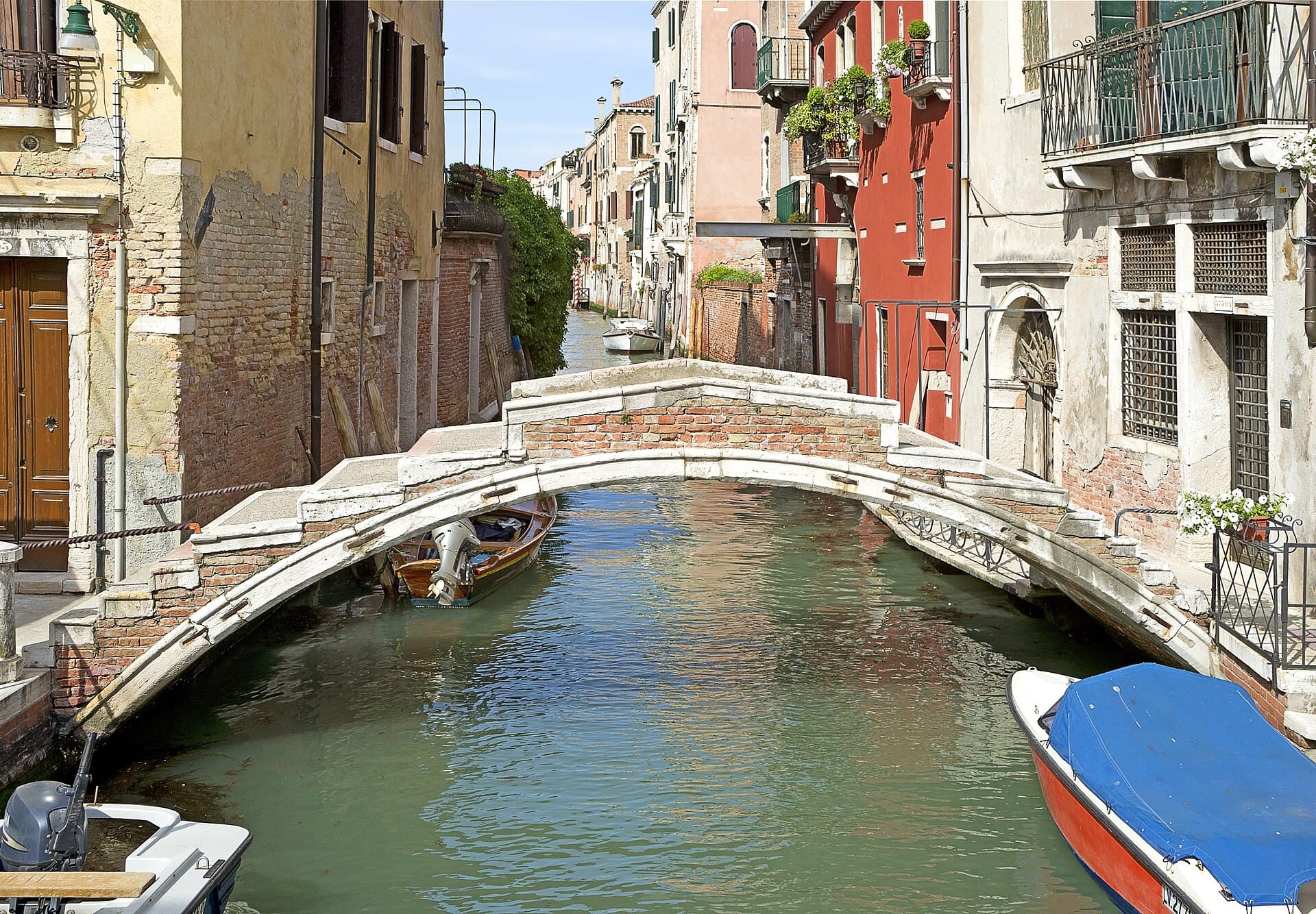 The Ponte ChiodoA small bridge in the Cannaregio district, one of only two bridges in Venice lef5 minutes walk4.5
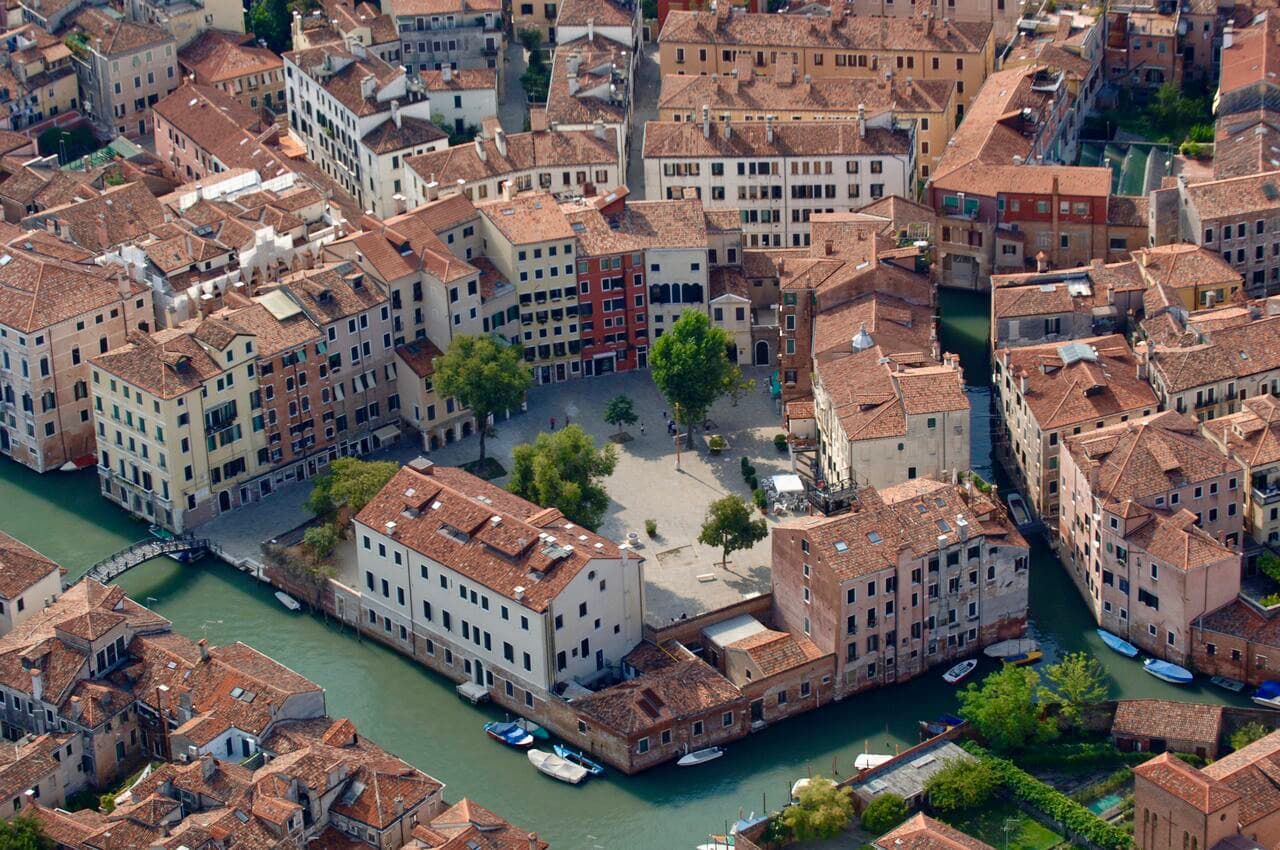 The Venice GhettoFrom this small quarter of Cannaregio the word "ghetto" entered every language: 6 minutes walk4.4
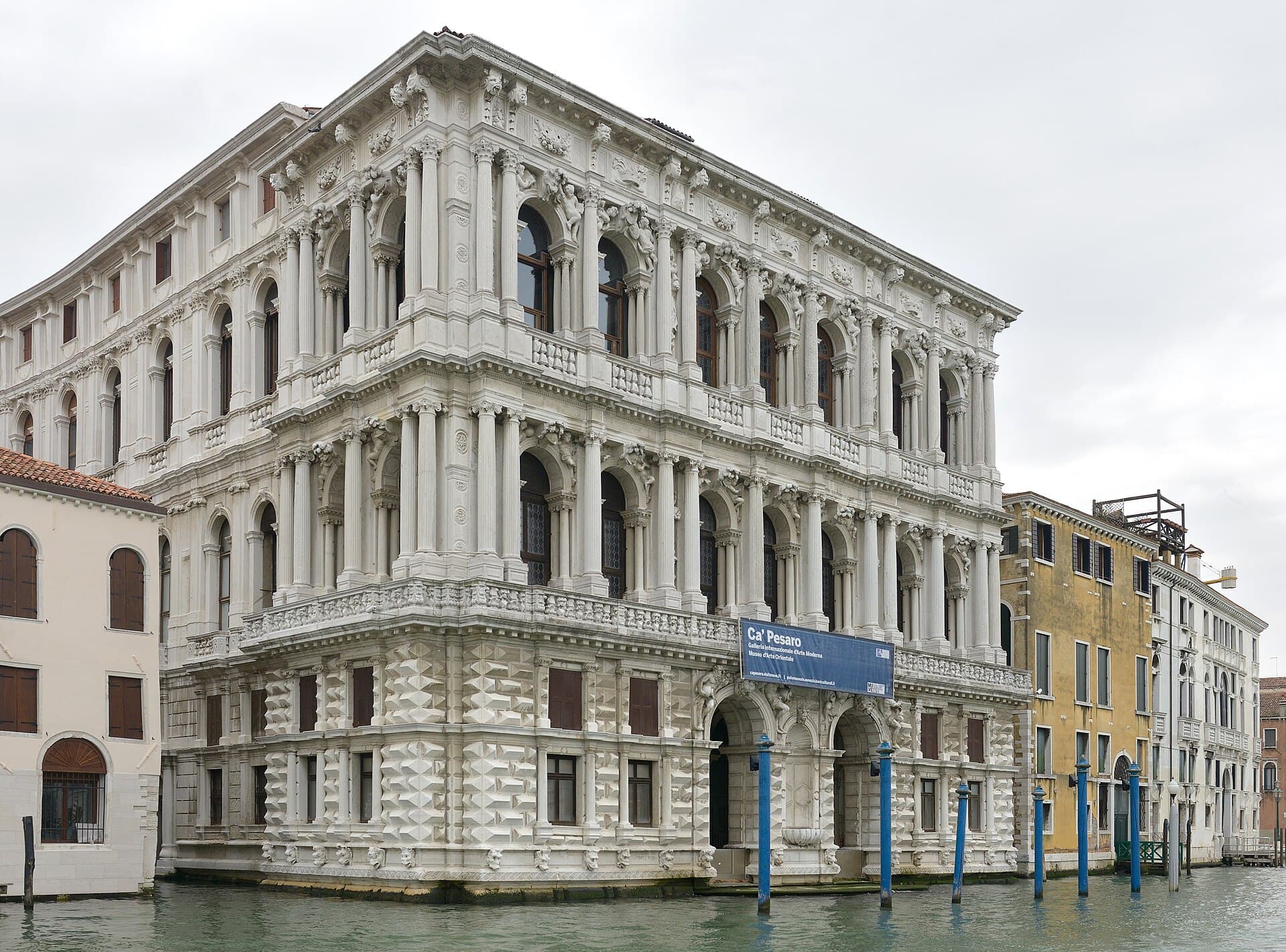 The Museum of Oriental ArtA museum of Asian art on the top floor of the Ca' Pesaro palace on the Grand Can7 minutes walk4.6
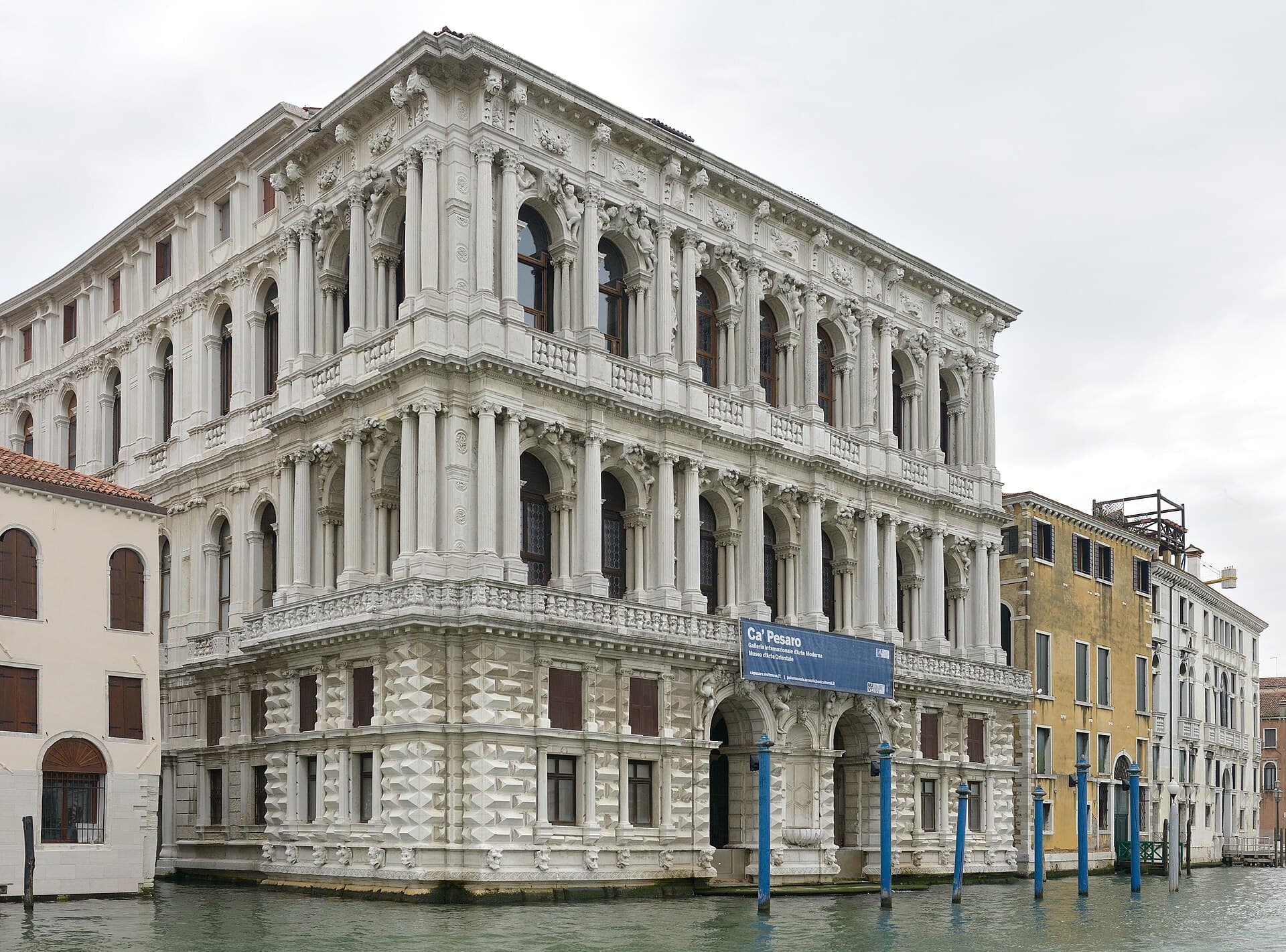 Ca' PesaroCa' Pesaro is the grandest Baroque palace on the Grand Canal, its heavy marble f7 minutes walk4.4
If Madonna dell'Orto is the only church on your list, buy the single ticket and skip the pass; it is far cheaper. The pass, around €15, covers sixteen or so churches and lasts a year from first use, so it only starts paying off at about the fifth one. In practice that means a stay of three days or more and a real appetite for Venetian painting, not a quick look on the way past.
Not as a visitor. Sunday is given over to mass; you are welcome to attend the service, but not to wander the paintings with a camera. Come Monday to Saturday instead, and aim to be inside comfortably before four: the ticket desk closes ten minutes ahead of the church, and the light in the nave fades quickly late in the day.