
The collector's rooms
Objects where they were used, not in cases.
Continentaleurope — CC BY-SA 3.0 · Frank Vincentz — CC BY-SA 3.0 · Frank Vincentz — CC BY-SA 3.0 · Tranceliner — CC BY-SA 4.0
Mdina's second-oldest building and the finest house to visit in it: Palazzo Falson is a thirteenth-century noble house with a Siculo-Norman facade, carved double windows and an inner courtyard — home to Malta's nobility for centuries, and finally to the British artist and collector Olof Gollcher, who lived here until 1987 and willed it as a museum. What makes it different is that it is a collector's house rather than a family one: forty-five rooms display his personal collection — oriental carpets, silver, jewellery, armour and weapons, clocks, paintings and a library of four thousand books — shown in the rooms he used rather than in museum cases. An audio guide is included and tells the man's life alongside his objects, and the roof is a café looking over Mdina's rooftops and the plains — among the quietest places on the island. The museum is small and an hour covers it.
Objects where they were used, not in cases.
Carved medieval double windows.
Villegaignon Street, Mdina
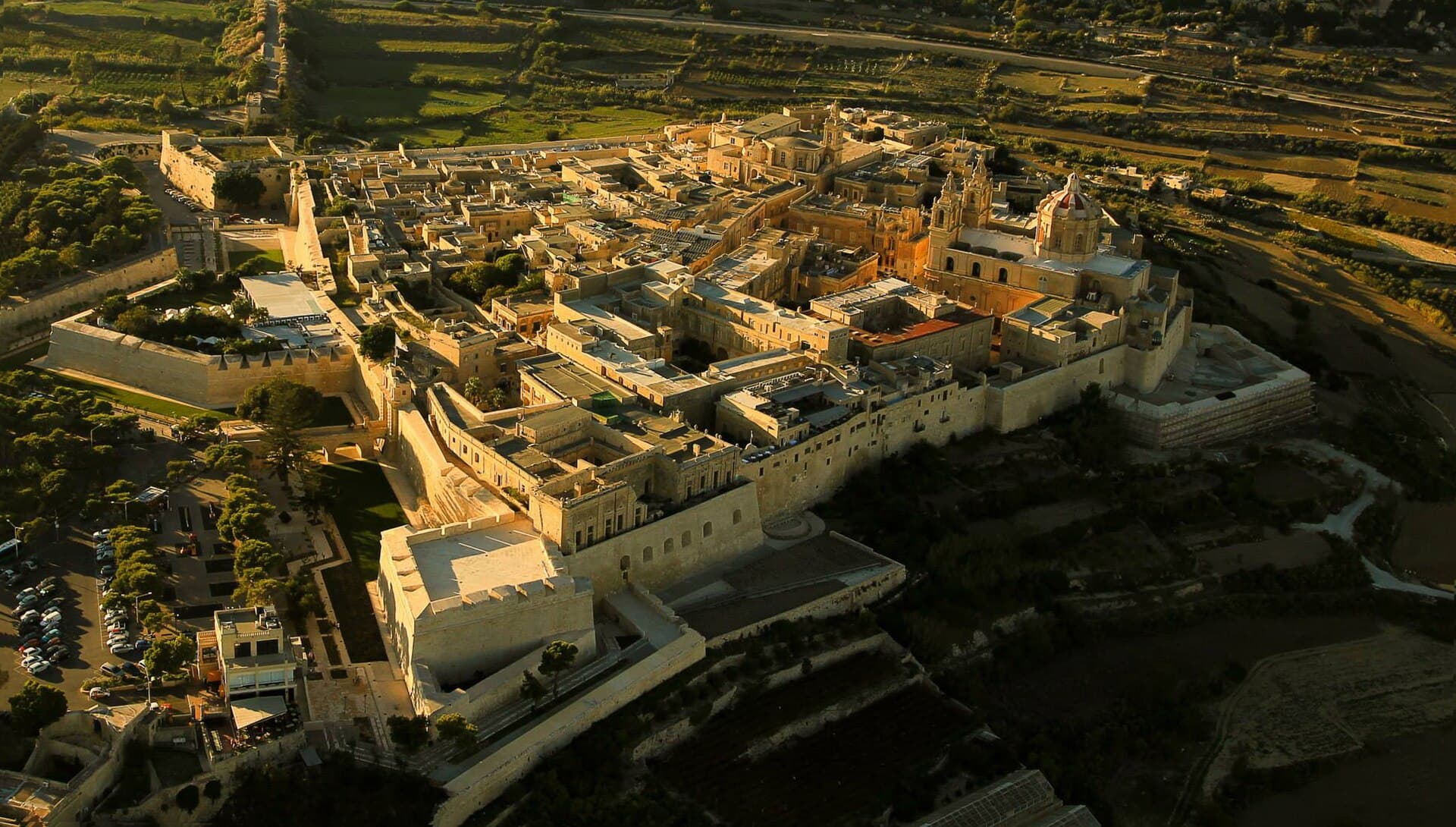 Mdina, the Silent CityMalta's old capital, and its name is Arabic: Mdina ruled the island for some two2 minutes walk4.8
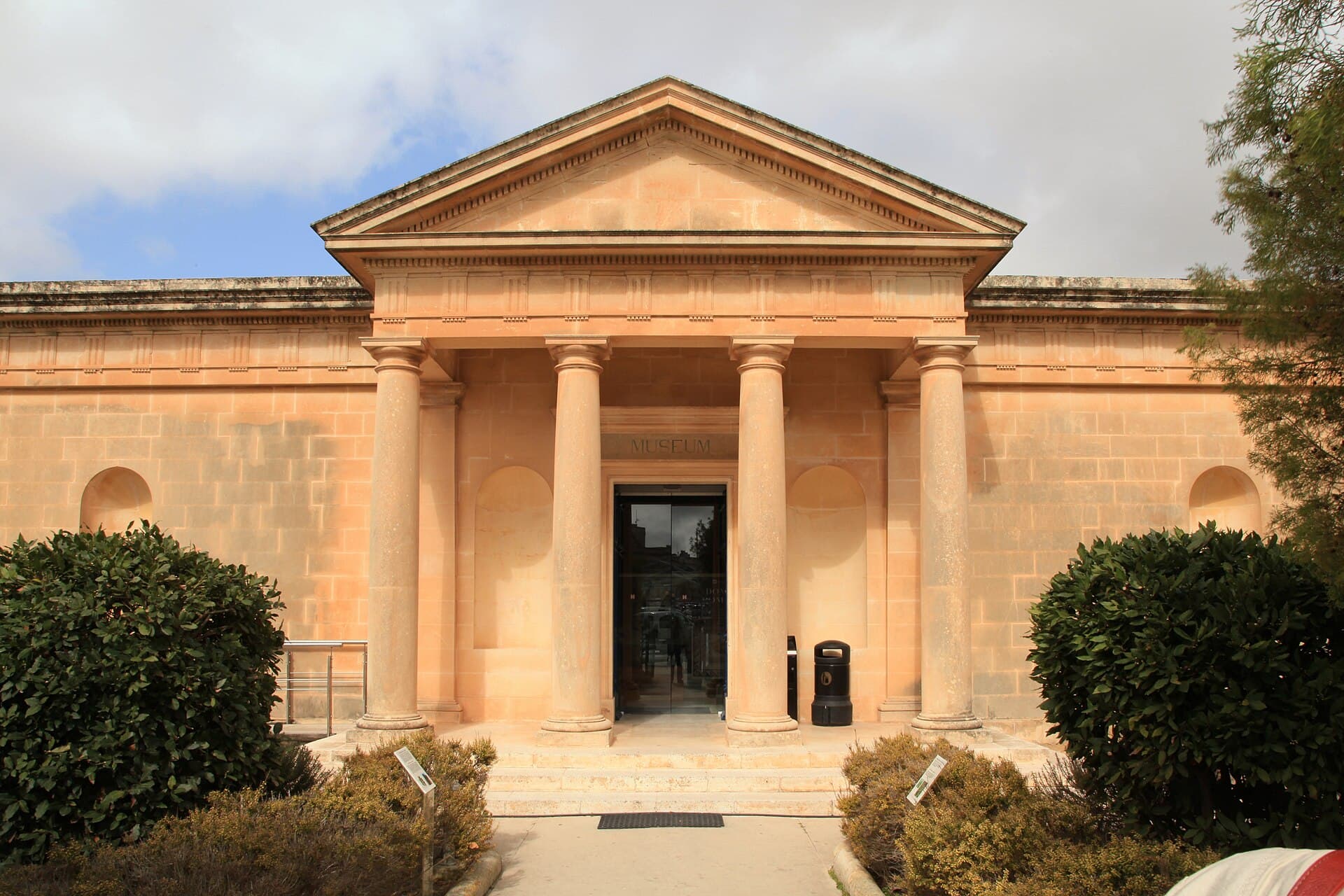 The Domvs RomanaA wealthy Roman house found by accident in 1881 while planting a tree: the Domvs4 minutes walk4.1
 Collegiate Church of St PaulA Baroque church in the town of Rabat next to Mdina, built above the grotto wher8 minutes walk4.8
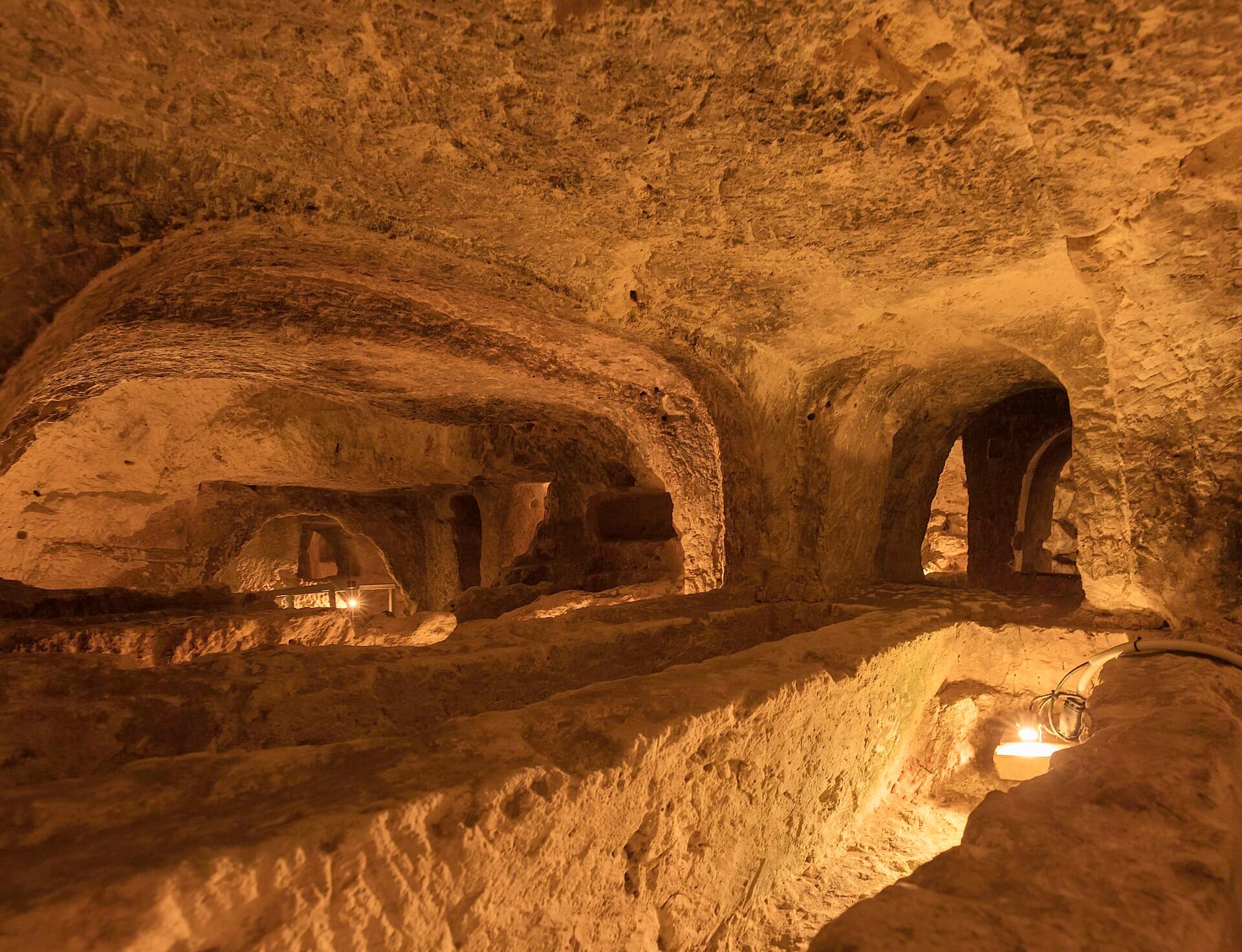 St Paul's CatacombsMalta's largest underground burial complex: the Rabat catacombs are a network of11 minutes walk4.2
Close: both are noble houses open to visitors, but Casa Rocca is still inhabited by its family and seen on a guided tour, while Falson is a museum with a free-roaming audio guide — and its collection is richer.