
The agape tables
Rock tables for the memorial meal beside the dead.
Diego Delso — CC BY-SA 4.0 · Diego Delso — CC BY-SA 4.0 · Diego Delso — CC BY-SA 4.0 · Diego Delso — CC BY-SA 4.0
Malta's largest underground burial complex: the Rabat catacombs are a network of some thirty Roman cemeteries cut into the limestone between the third and eighth centuries — outside Mdina's walls, because Roman law forbade burial inside a city, so this whole underground field became the city's graveyard. What distinguishes them is the coexistence they record: pagan, Christian and Jewish burials side by side in the same complex, told apart by their carved symbols (the seven-branched menorah in the Jewish tombs) — rare evidence of a multi-faith society in Roman Malta. Their most famous feature is the agape tables: circular tables cut from the rock where families sat to eat the memorial meal beside their dead. The route is lit and fitted with walkways, and the underground temperature is a relief in summer — with an audio guide included to explain what you are seeing.
Rock tables for the memorial meal beside the dead.
Marking the Jewish tombs among their neighbours.
St Agatha Street, Rabat
 Collegiate Church of St PaulA Baroque church in the town of Rabat next to Mdina, built above the grotto wher2 minutes walk4.8
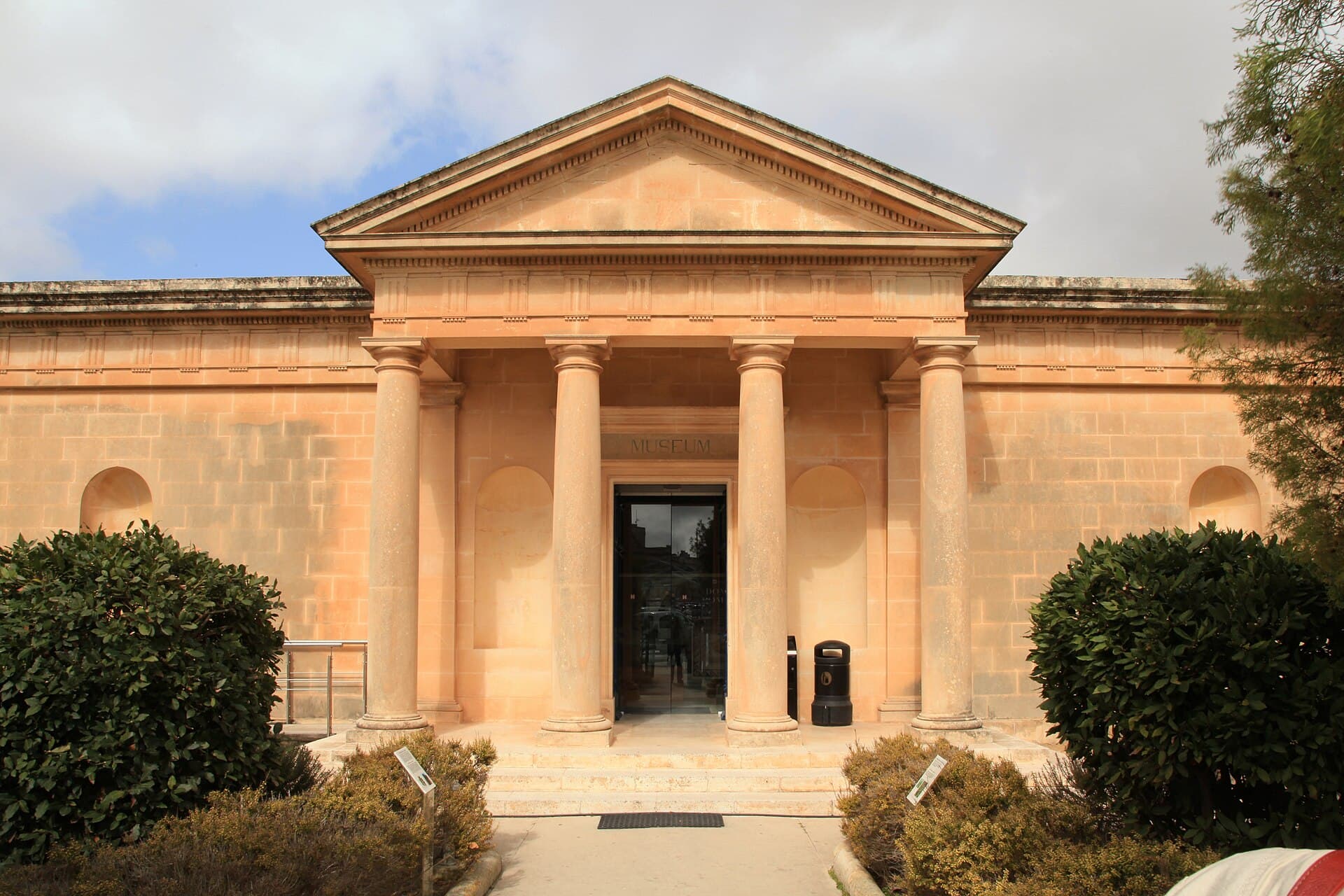 The Domvs RomanaA wealthy Roman house found by accident in 1881 while planting a tree: the Domvs7 minutes walk4.1
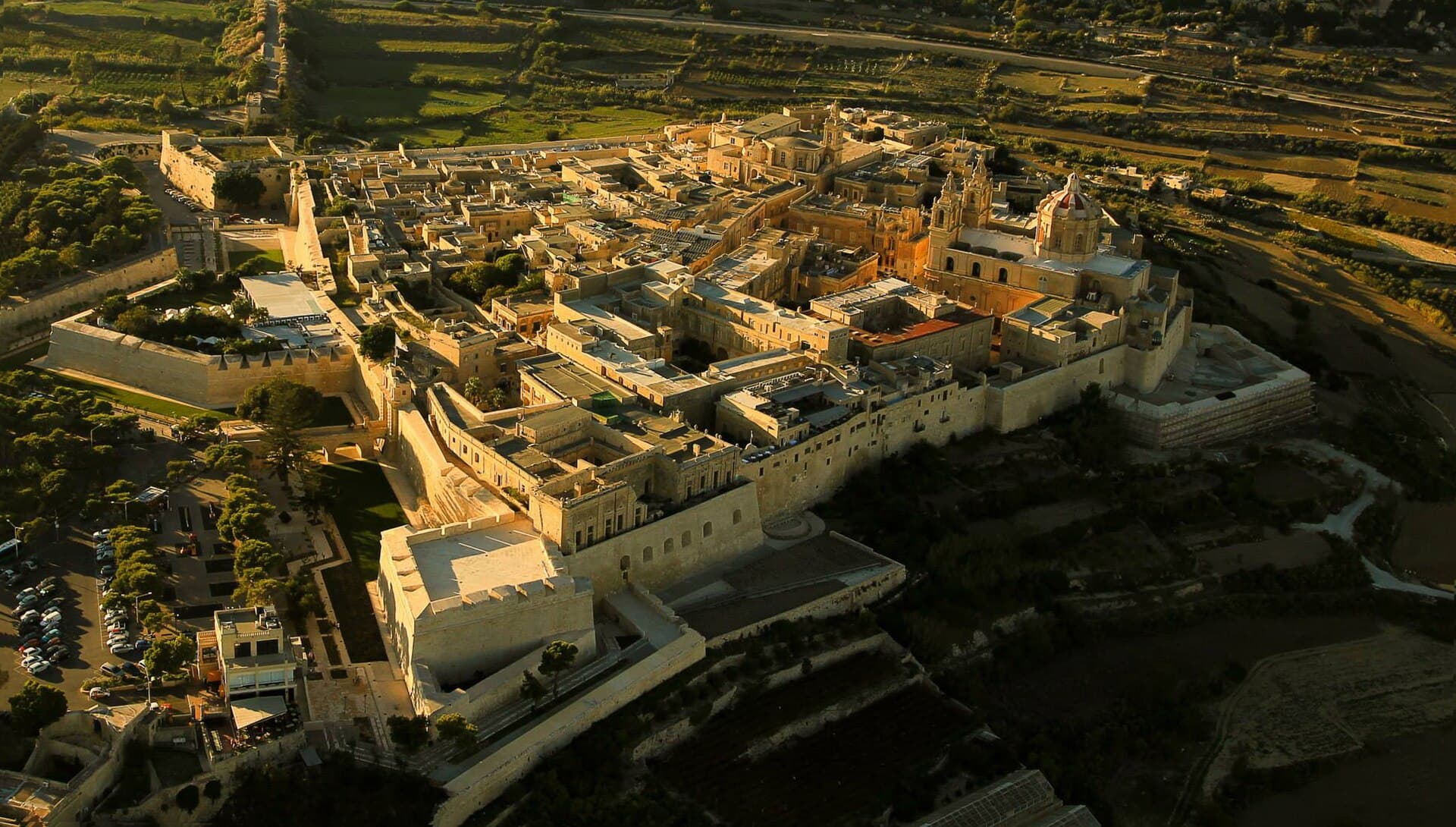 Mdina, the Silent CityMalta's old capital, and its name is Arabic: Mdina ruled the island for some two9 minutes walk4.8
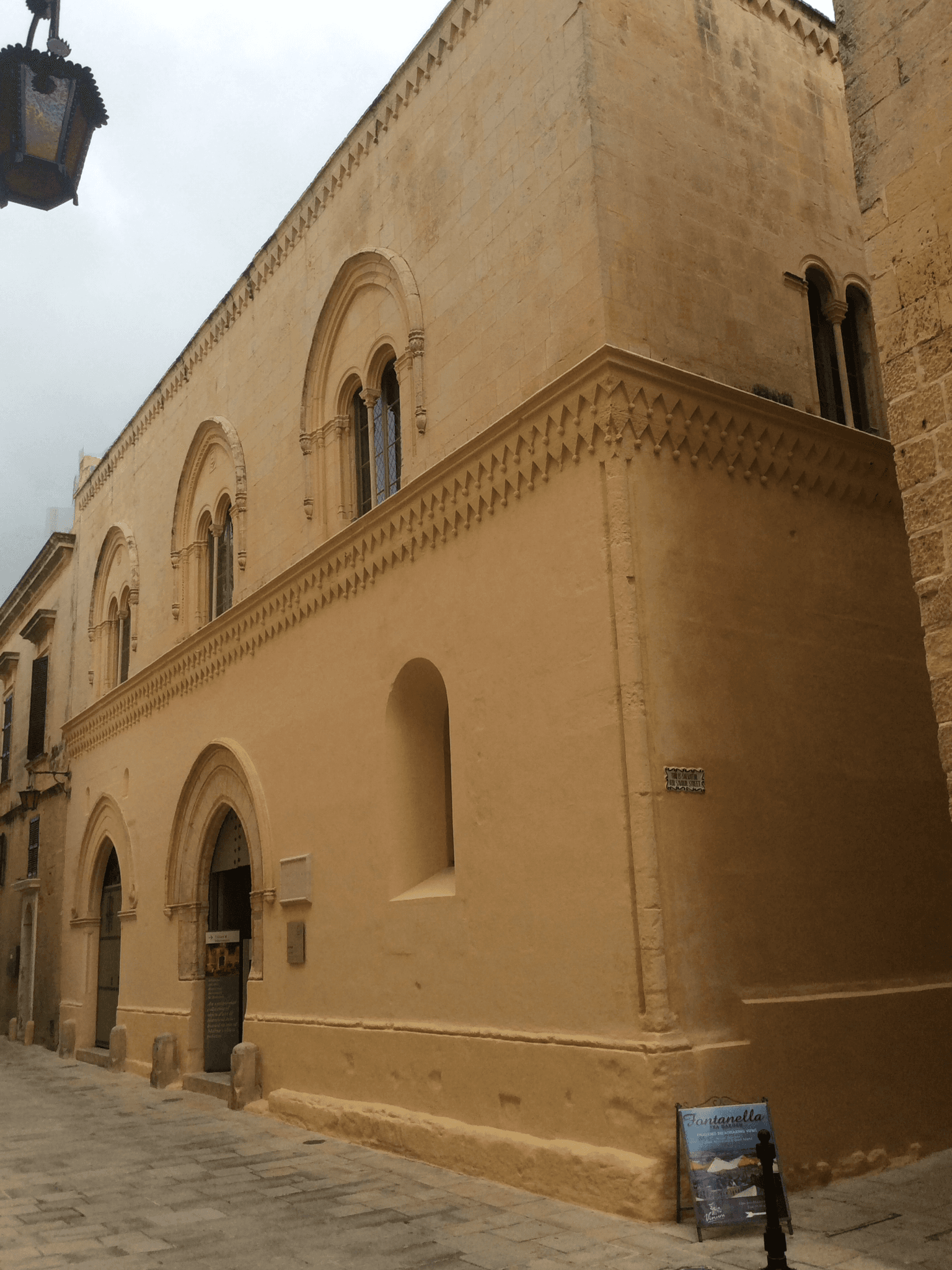 Palazzo FalsonMdina's second-oldest building and the finest house to visit in it: Palazzo Fals11 minutes walk4.7
The name is traditional: Paul the Apostle is said to have been shipwrecked on Malta in AD 60 and stayed three months — but the catacombs postdate him, and are named for their nearness to a church bearing his name.