
An episode in Acts
A ship run aground in a storm, and islanders who took in the survivors.
Diego Delso — CC BY-SA 4.0 · Brian Harrington Spier from Shanghai, China — CC BY-SA 2.0 · Mboesch — CC BY-SA 3.0 · Enrique Íñiguez Rodríguez (Qoan) Credit information This work was created by Enrique Íñiguez (Qoan). You are free to use it for any purpose as long as you credit me properly (e.g. © Enrique Íñiguez (C — CC BY-SA 4.0
A Baroque church in the town of Rabat next to Mdina, built above the grotto where Maltese tradition holds St Paul stayed after his ship was wrecked on the island's coast. The episode is recorded in the Acts of the Apostles: a ship carrying Paul as a prisoner to Rome ran aground in a storm on an island whose people took in the survivors. Malta has defined itself by that event for centuries and regards it as the origin of its Christianity. What makes the visit different is the layers: the seventeenth-century Baroque church above, the plain stone grotto beneath it, and around the area a network of Roman and early Christian burial catacombs. Those catacombs — St Paul's and the nearby St Agatha's — are among the most important early Christian remains in the Mediterranean, and show that the Christian community here really is ancient rather than merely traditional. Practical points: entry to the church is normally free; the grotto and catacombs may be separately ticketed. Rabat adjoins Mdina, so the two are visited together. Respect that it is a working church — modest dress and quiet.
A ship run aground in a storm, and islanders who took in the survivors.
Among the most important early Christian remains in the Mediterranean.
A Baroque church above a stone grotto above a Roman burial network.
Rabat, beside Mdina
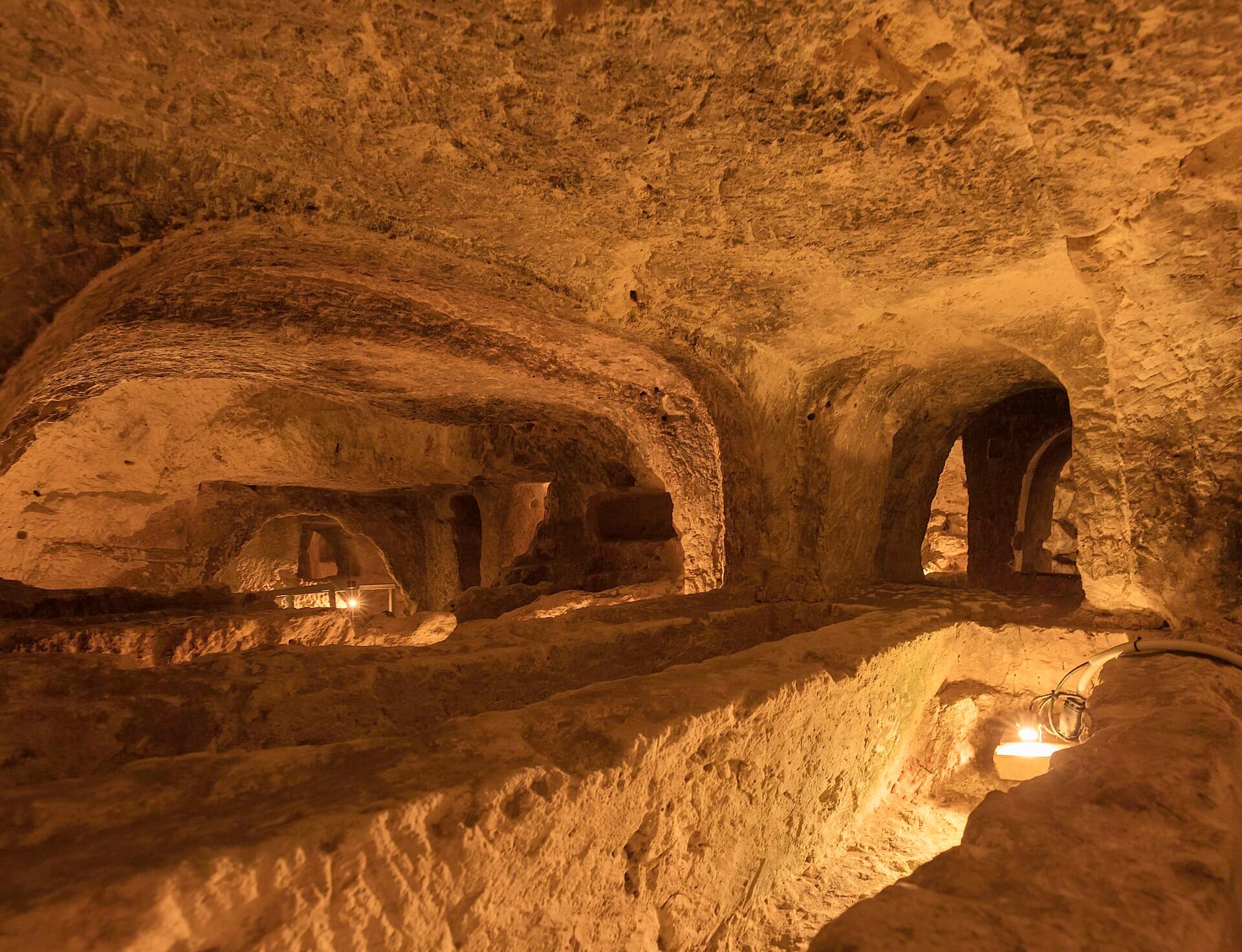 St Paul's CatacombsMalta's largest underground burial complex: the Rabat catacombs are a network of2 minutes walk4.2
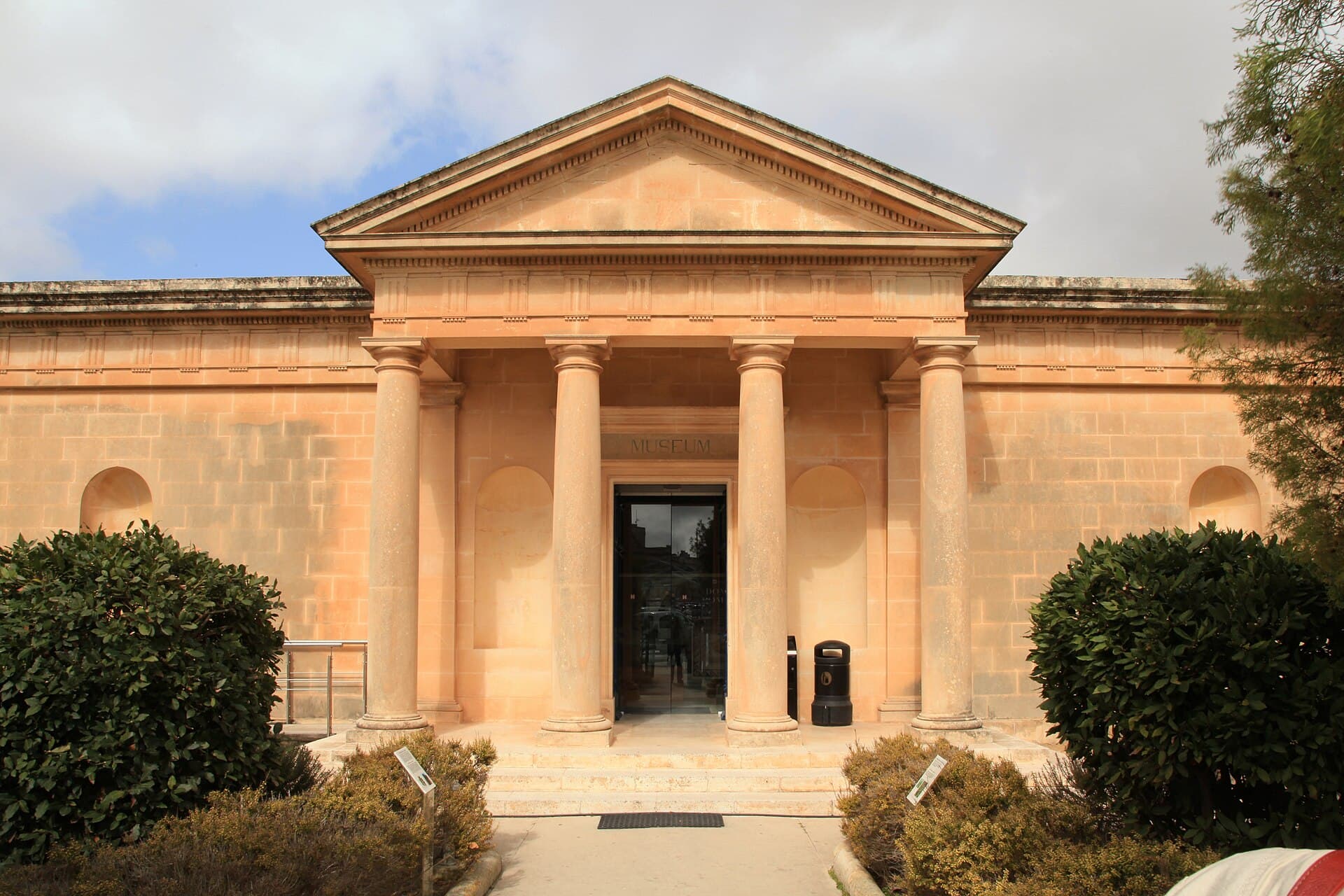 The Domvs RomanaA wealthy Roman house found by accident in 1881 while planting a tree: the Domvs5 minutes walk4.1
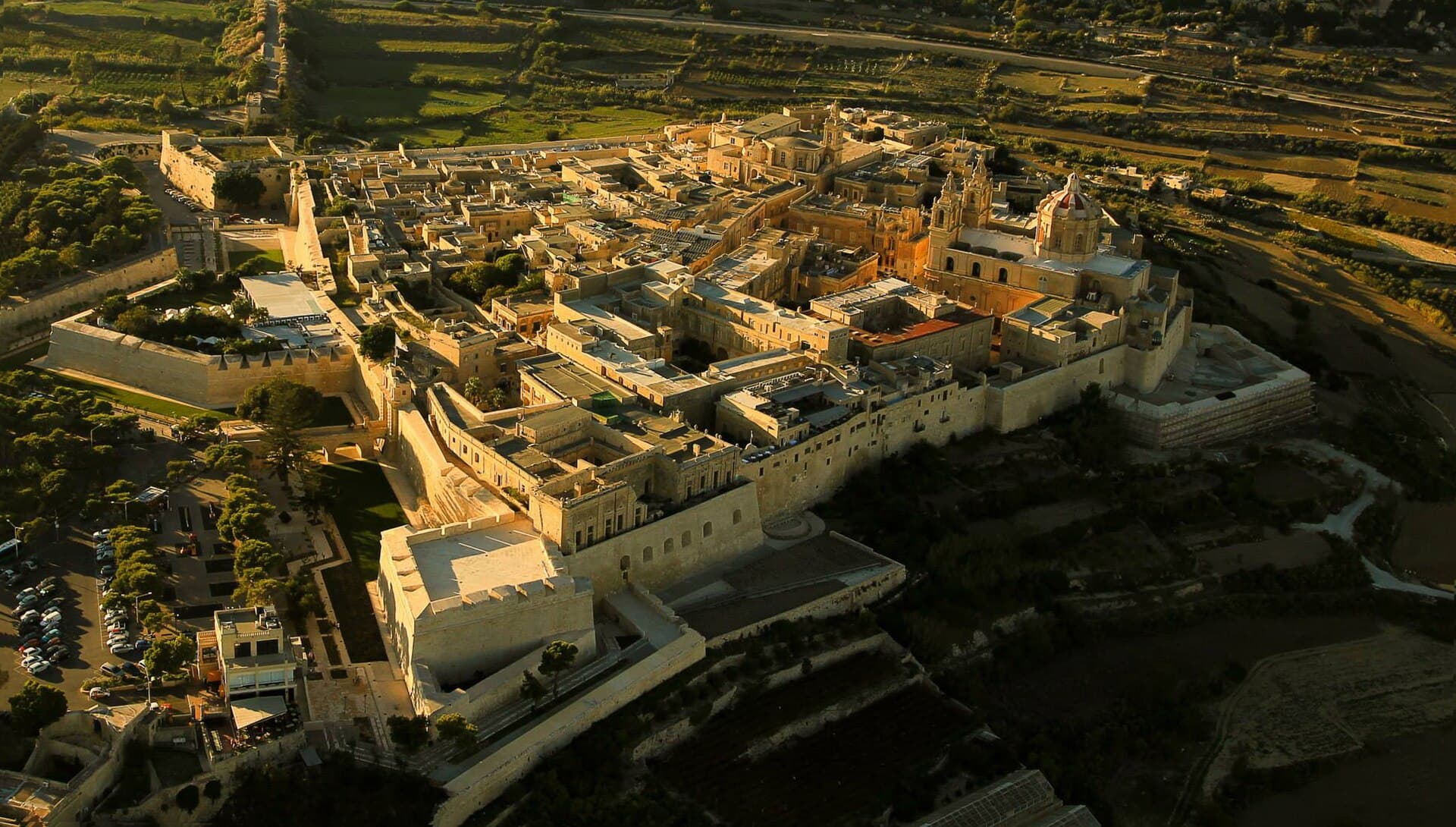 Mdina, the Silent CityMalta's old capital, and its name is Arabic: Mdina ruled the island for some two7 minutes walk4.8
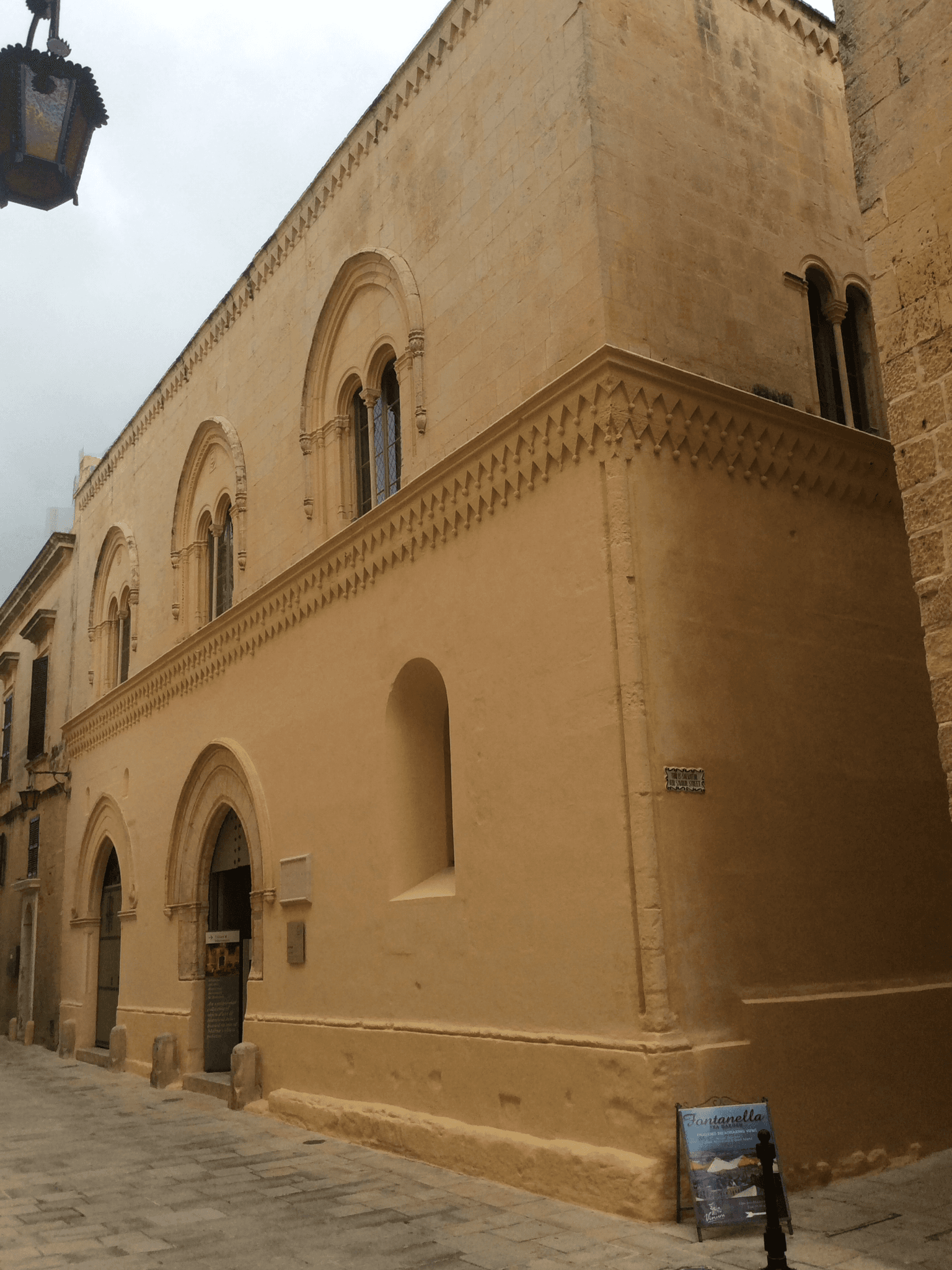 Palazzo FalsonMdina's second-oldest building and the finest house to visit in it: Palazzo Fals8 minutes walk4.7
It is the cornerstone of how Malta defines itself. The country holds that its Christianity dates directly to the first century through Paul rather than to a later conversion, which gives the Maltese church a particular place in the island's self-understanding. The feast of the shipwreck is a national holiday, and the catacombs support that antiquity with evidence rather than narrative alone.
Start in Mdina in the morning before the tour coaches arrive — the Silent City is at its best empty — then walk out of its gate into neighbouring Rabat for the church, the catacombs and the Domus Romana. The two adjoin and one day covers both without rushing.