
The lifted frescoes
Complete paintings raised with their plaster from abandoned village churches.
Chris06 — CC BY-SA 4.0 · Davidh820 — CC BY-SA 4.0 · sailko — CC BY-SA 3.0 · sailko — CC BY-SA 3.0
A large stone building near the Street of the Knights whose history sums up the whole history of Rhodes in one structure: a **Byzantine church** built around the eleventh century, then the **Latin cathedral** of the Knights Hospitaller, then a **mosque** under Ottoman rule under the name Enderum Mosque, then a **museum** in the twentieth century. Each layer left its mark: the Byzantine dome and plan, the Gothic arches and vaults the knights added, and a mihrab and a minaret since removed from the Ottoman period. It now holds the **Byzantine Museum** of Rhodes: icons and wall paintings brought from the island's churches and monasteries — some from the thirteenth to fifteenth centuries, including complete frescoes lifted with their plaster from abandoned village churches. ⚠ The museum is **small and quiet** and rarely crowded, though it stands metres from the busiest streets in the city. ⚠ Note that it goes by several names — Panagia tou Kastrou, the Byzantine Museum, or Our Lady of the Castle — all the same building.
Complete paintings raised with their plaster from abandoned village churches.
A Byzantine dome, Gothic vaults and the trace of a mihrab in one building.
Nearly empty despite being beside the city's busiest streets.
Rhodes Old Town, 85100 Rhodes
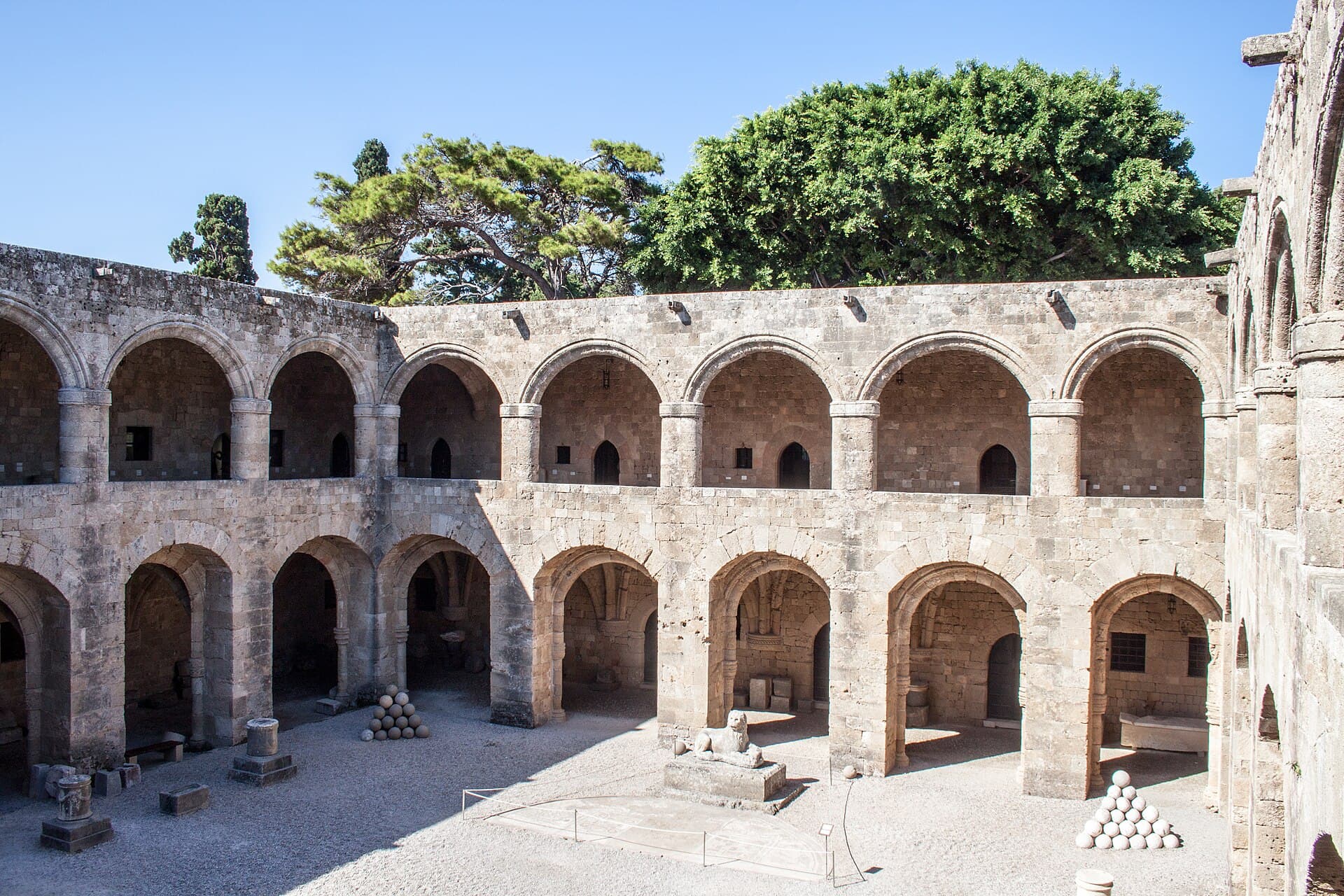 The Archaeological Museum (Knights' Hospital)Rhodes' museum is a building before a collection: the Knights' New Hospital (1481 minute walk4.5
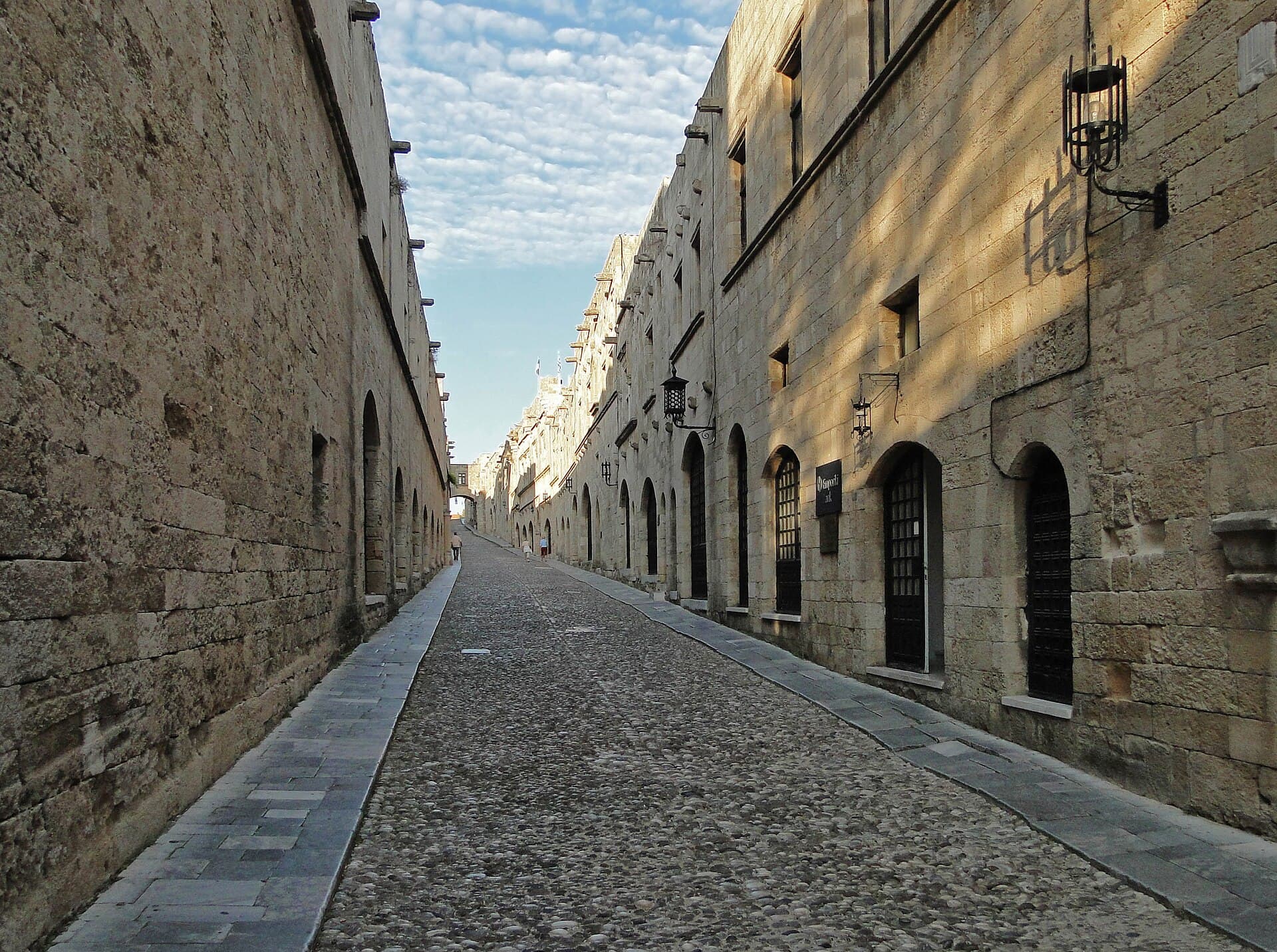 Street of the KnightsA paved stone street climbing some six hundred metres from the harbour to the Pa1 minute walk4.7
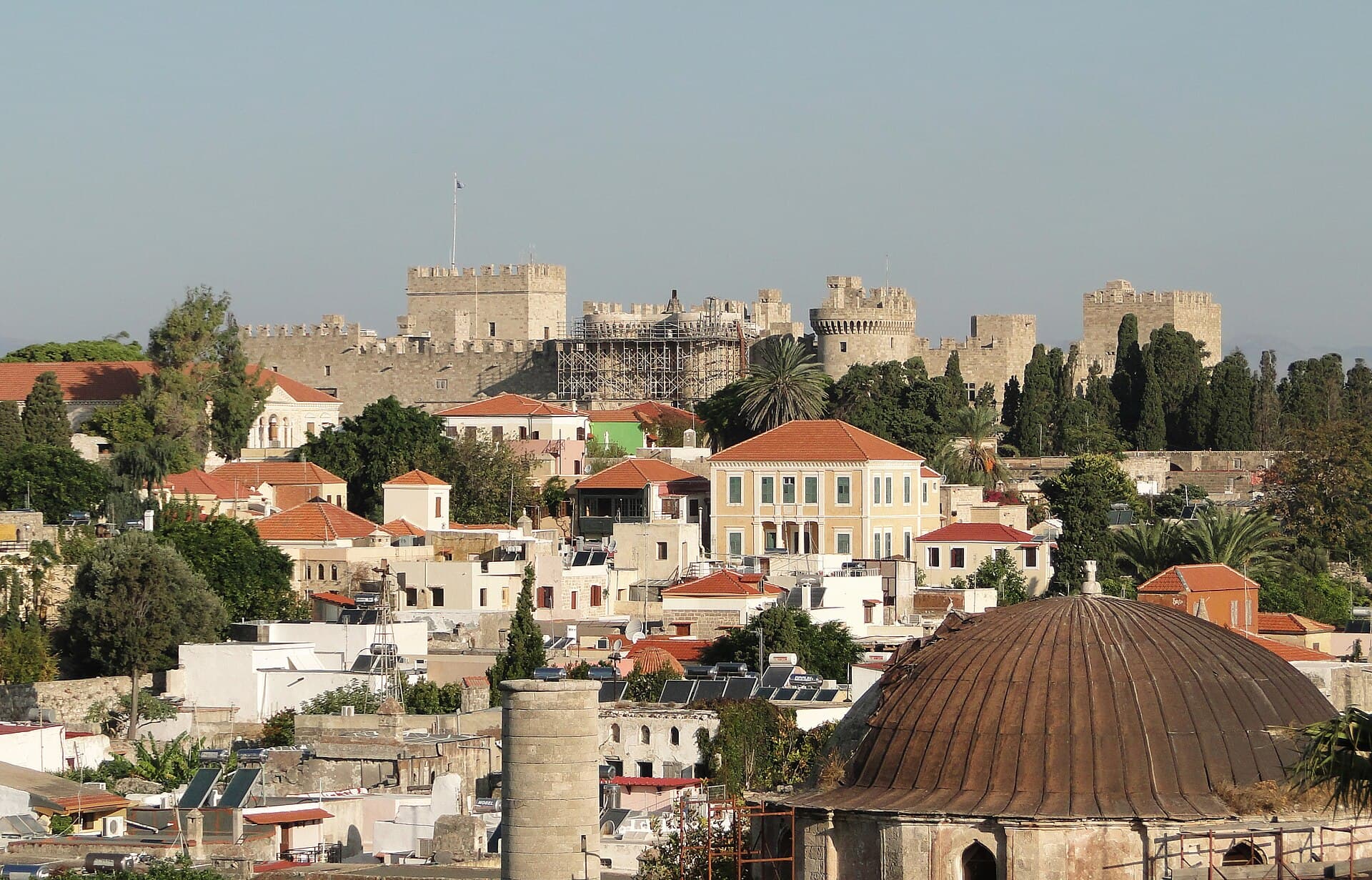 The Medieval City of RhodesRhodes' old town is Europe's largest inhabited medieval city: the Knights of St.3 minutes walk4.7
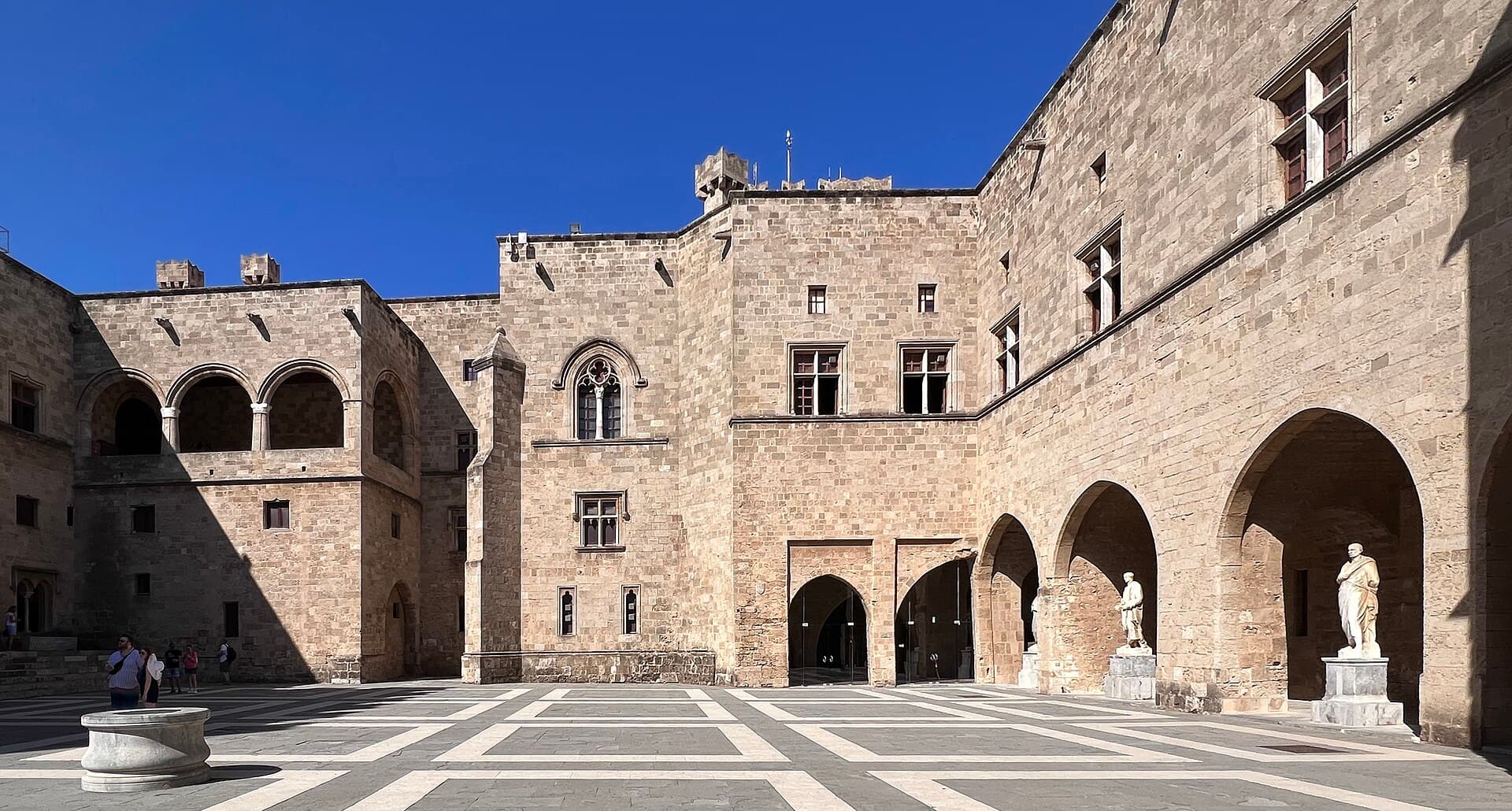 The Grand Master's Palace & Street of the KnightsThe Grand Master's Palace is the Knights' city's crown: a fortress within the fo4 minutes walk4.7
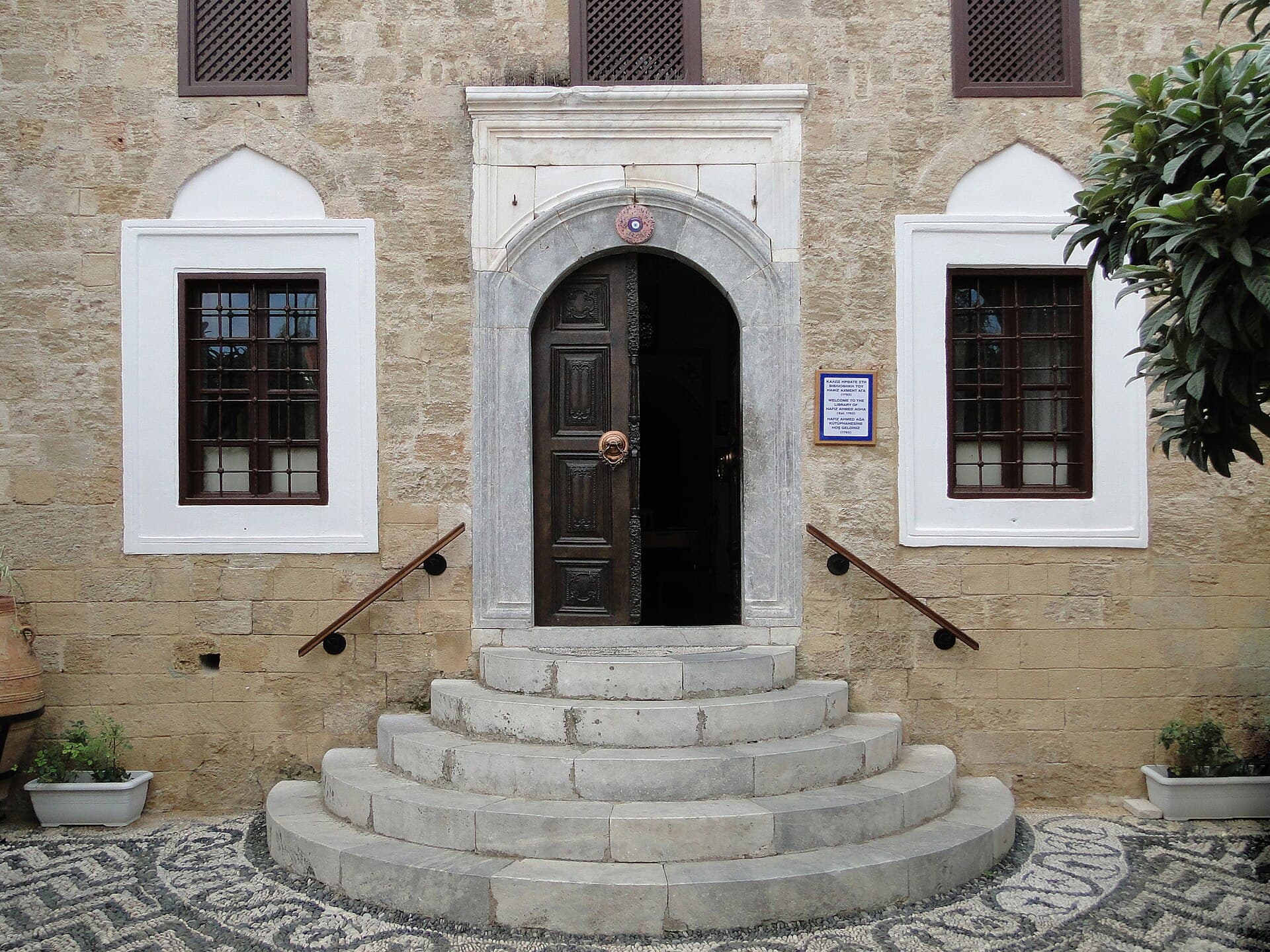 Hafiz Ahmed Agha LibraryA small Ottoman building with a stone frontage and a latticed window on **Sokrat4 minutes walk4.4
Yes if you will see **more than two sites**. The combined ticket normally covers the **Palace of the Grand Master** (the most important), the **Archaeological Museum** in the Knights' Hospital, **this Byzantine Museum** and other sites in the old town, at far less than the sum of individual tickets. ⚠ It is sold at the window of any included site; buying it somewhere **quieter than the palace** saves you the morning queue. Check how long it is valid — usually several days.
That the painting was moved not as a photograph but **with its own material**: conservators fix the face of the fresco with cloth and a special adhesive, then separate the **painted plaster layer** from the wall behind it with fine tools and transfer it to a new support in the museum. This is done when the original building is **near collapse**, abandoned, or exposed to damp, and lifting is the only way to save the painting. Many of this museum's frescoes came from small churches in Rhodian villages that were abandoned and fell in — so you are looking at art that survived because it was taken out.