
The nations' court
The hall where states themselves litigate — law's sovereignty at peak.
Thomas Wolf, www.foto-tw.de — CC BY-SA 3.0 de · International Court of Justice; originally uploaded by Yeu Ninje at en.wikipedia. — Public domain · Txllxt TxllxT — CC BY-SA 4.0 · Alf van Beem — Public domain
International justice's earthly house: the 1913 Peace Palace of brick and soaring tower holds the International Court of Justice — the UN's supreme court where states litigate — and the Permanent Court of Arbitration, every great border dispute and world case pronounced behind this neo-Gothic front. Carnegie's steel fortune built it dreaming 'a palace to end wars' — and the nations furnished it with gifts: Germany's gates, Italy's marble, the tsars' vases, royal Persian carpets — an unintended museum of diplomacy. The gardens were designed as drawn peace. Interiors limit by judicial nature: the free visitor centre tells the story in audio, palace tours run rare seasonal dates booking out instantly — and the court's great public hearings can genuinely be attended by queueing: The Hague's rarest, weightiest experience.
The hall where states themselves litigate — law's sovereignty at peak.
Gates, marble and royal carpets — diplomacy as furnishing.
A steel man funding 'war's end' — the century testing the dream.
Carnegieplein 2, 2517 The Hague
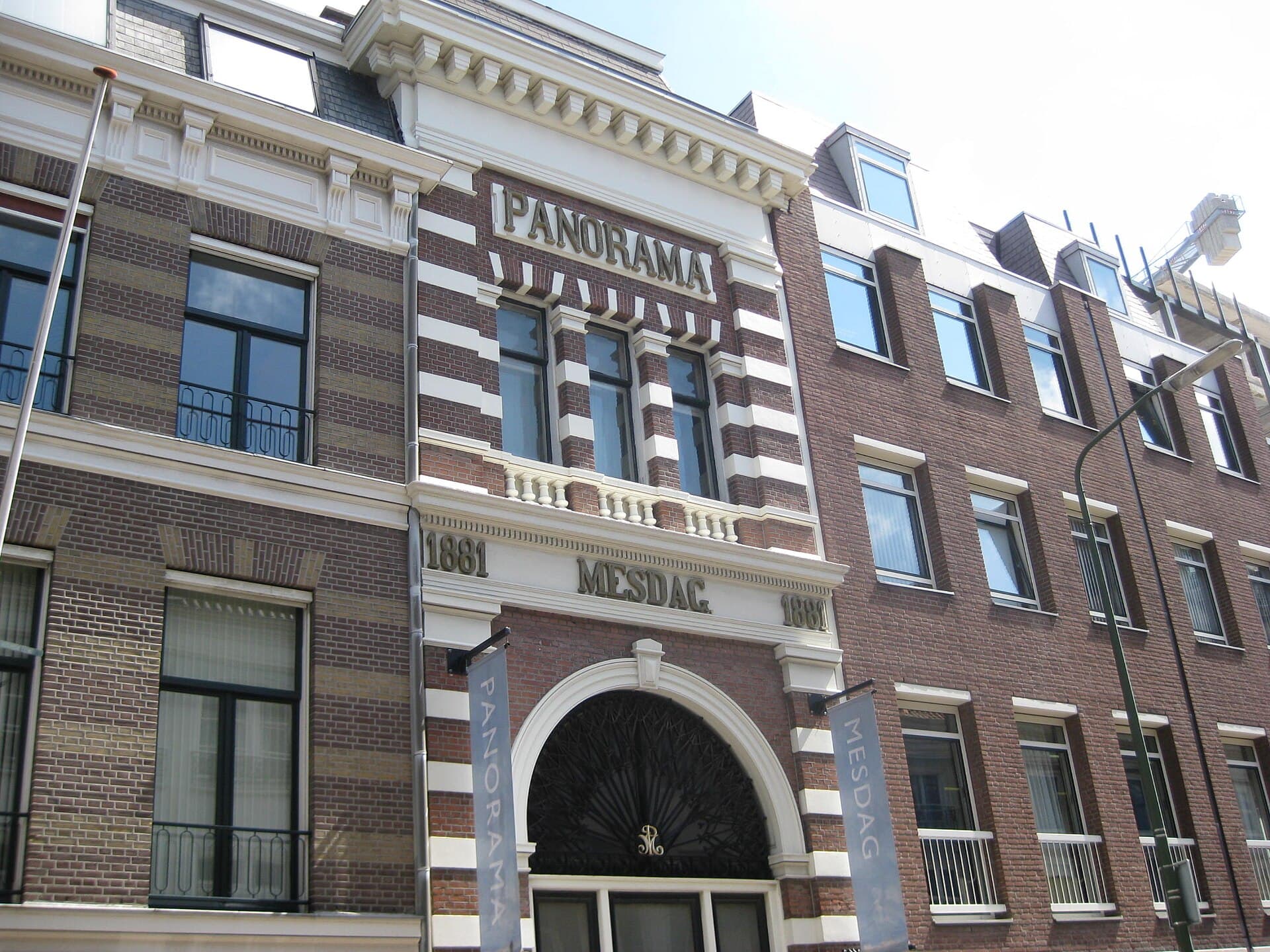 Panorama MesdagThe world's oldest panorama surviving in its original place: Mesdag's circular c8 minutes walk4.8
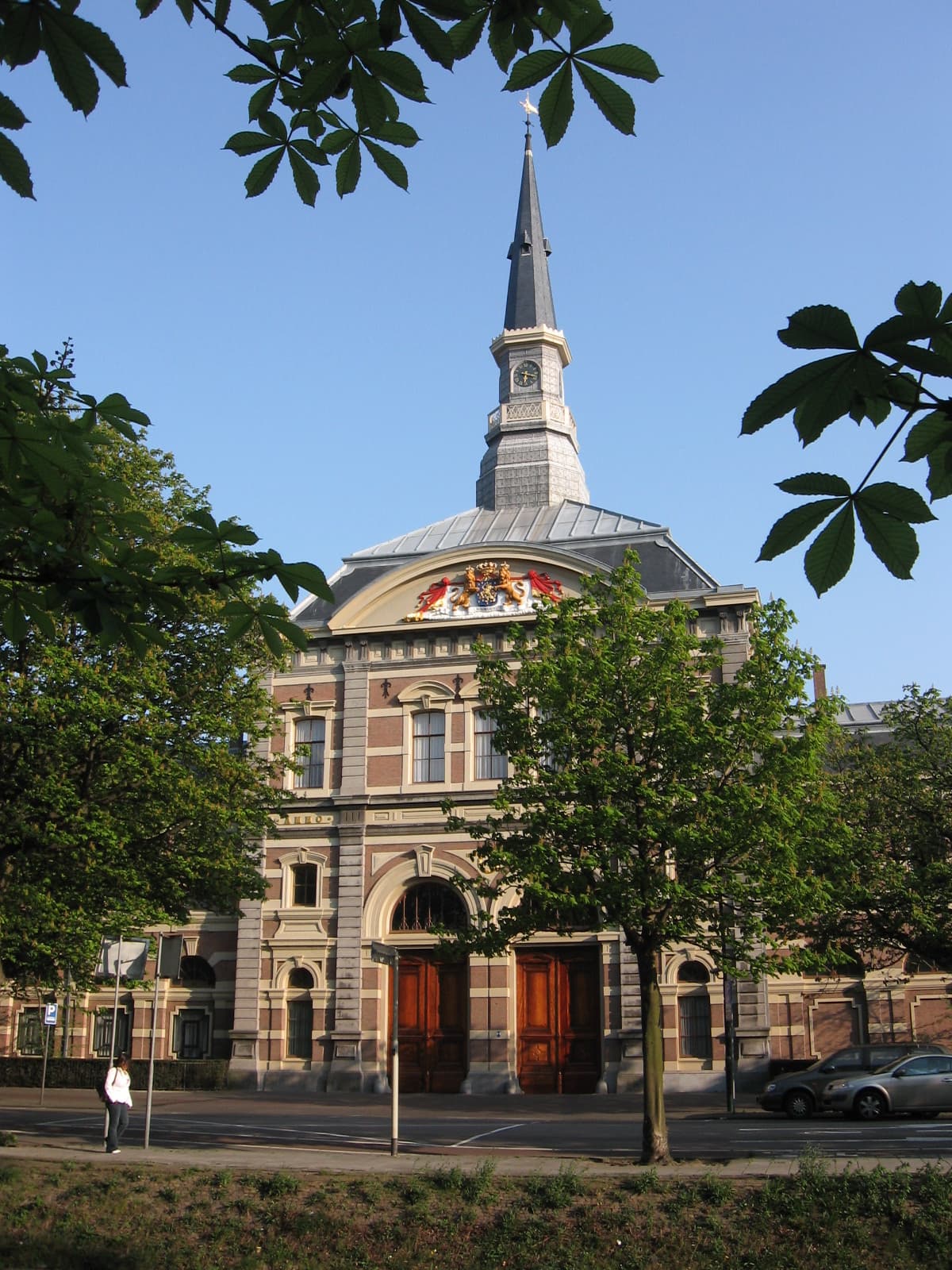 The Royal StablesThe building of the Dutch Royal Stables behind Noordeinde Palace in The Hague, b9 minutes walk4.7
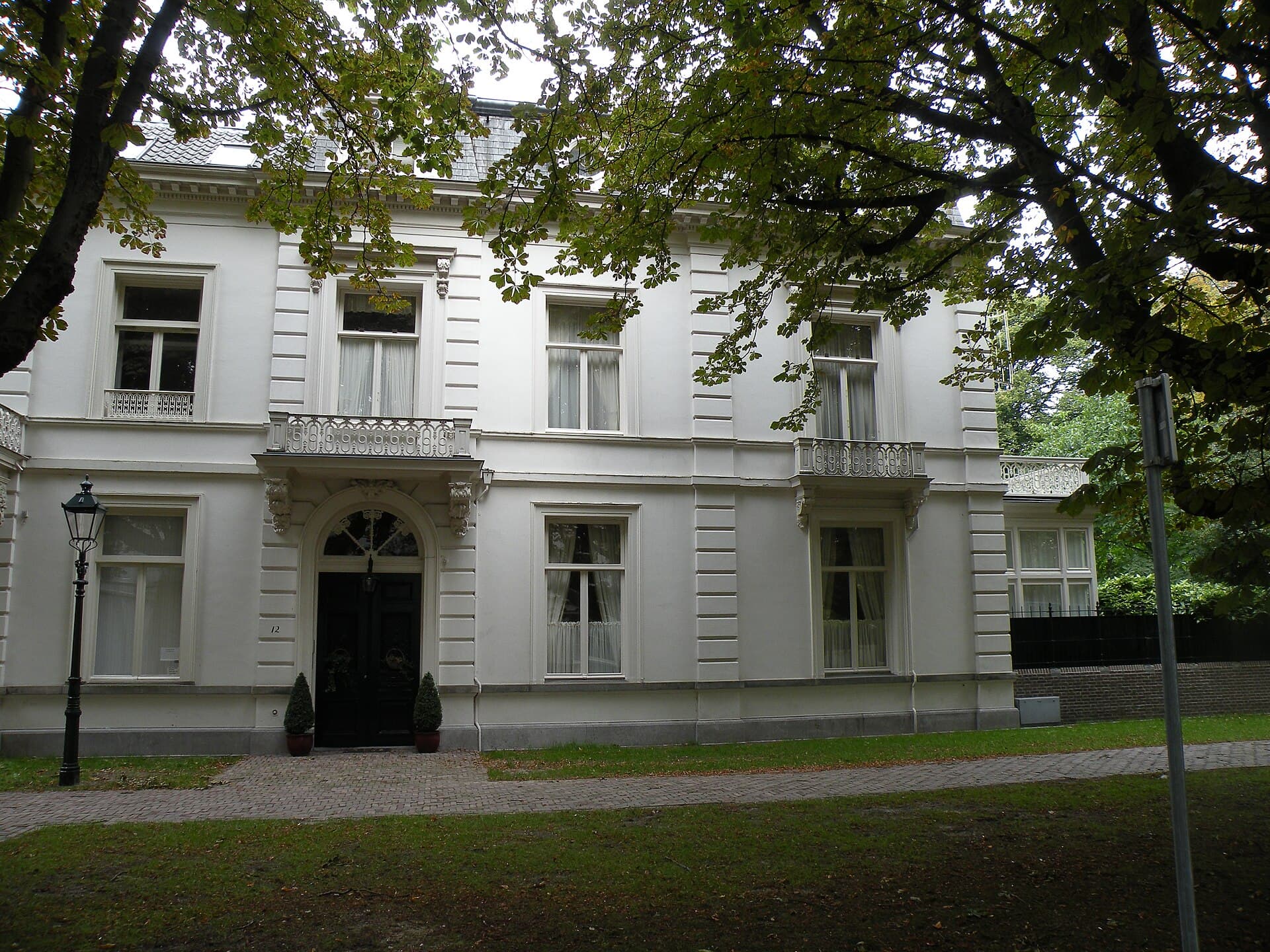 Museum SophiahofMuseum Sophiahof opened in 2019 and takes on a subject long absent from Dutch mu9 minutes walk4.6
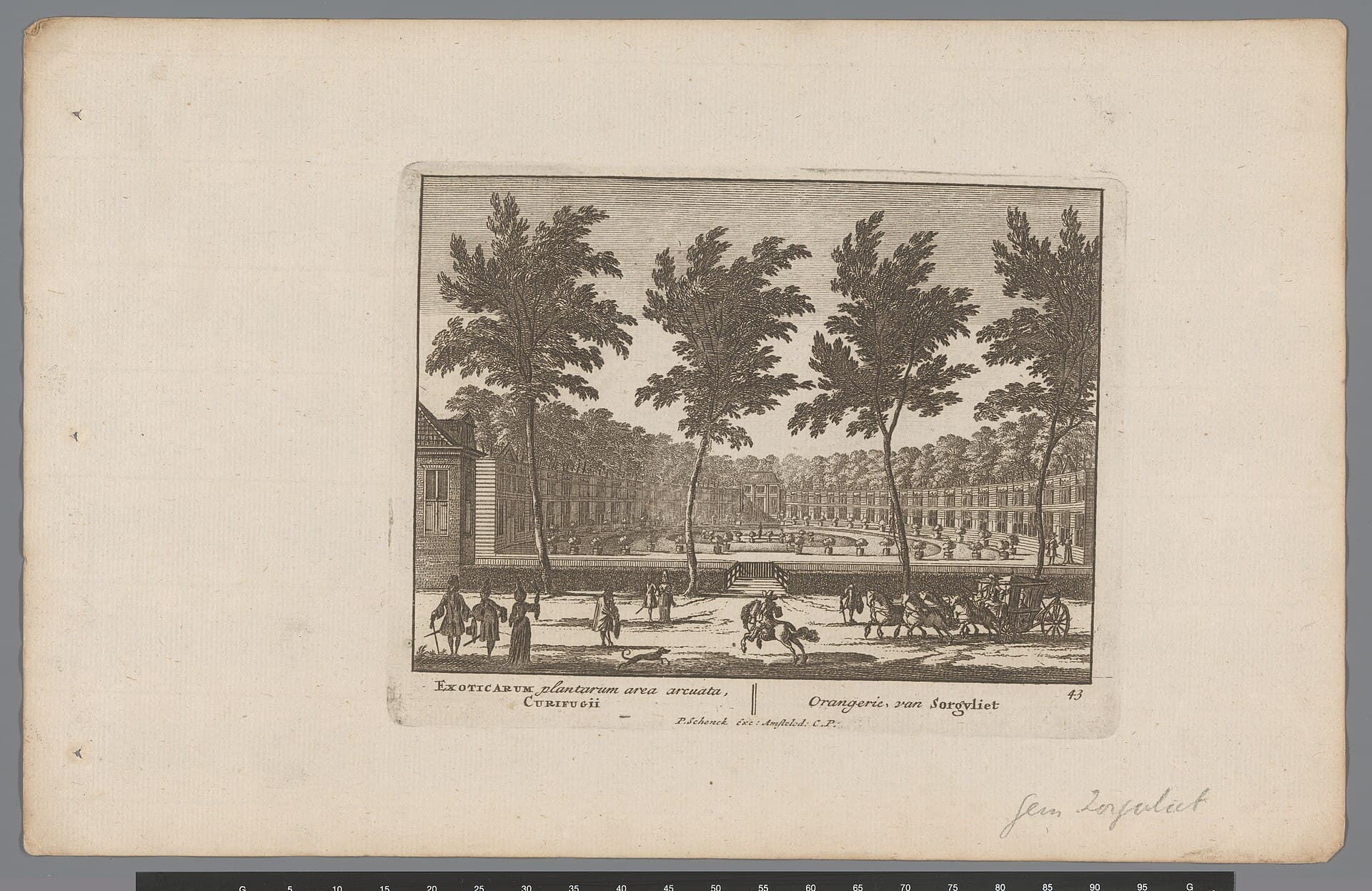 Park SorghvlietSorghvliet is a historic park between central The Hague and Scheveningen, and am10 minutes walk4.5
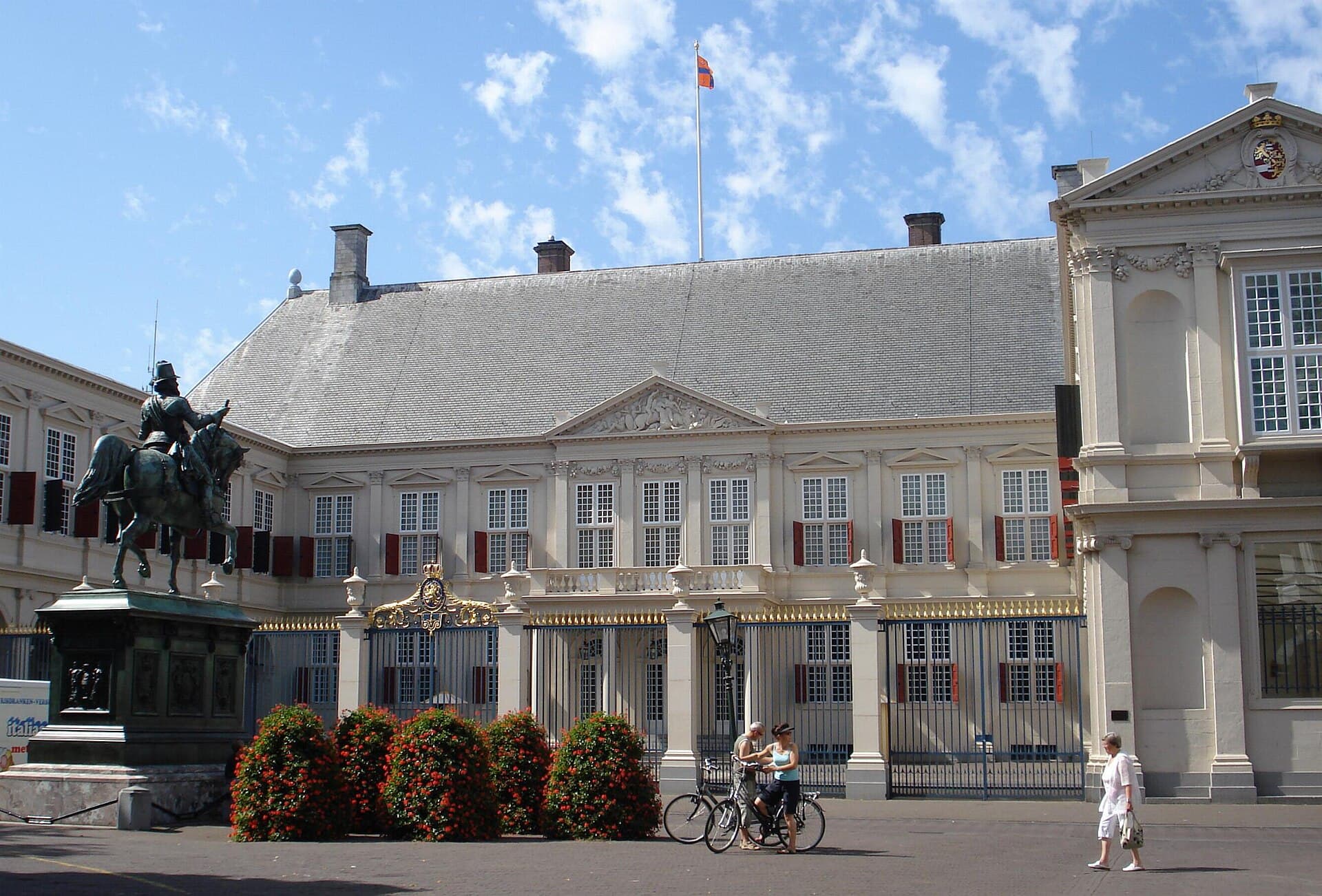 Noordeinde PalaceThe King's office: Noordeinde Palace is the working palace of the King of the Ne12 minutes walk4.4
The city carries three eternally confused: the ICJ here (state disputes: borders, seas) — the ICC in its modern building north (individuals: war, genocide) — the Yugoslavia tribunal closed complete. The palace is strictly the 'court of states' — the distinction half of understanding world news.
Public sittings (great disputes' pleadings) post schedules on the court's site — attendance free by passport, queueing early for limited seats, famous cases meaning dawn lines. The 'history pronounced before you' experience — simultaneous translation in the gallery.
The palace perimeter is a permanent open gallery: flags and tales of map-changing cases — and the peace wishing tree hung with passers' messages. With flame and visitor centre: an exterior visit complete in meaning without entering at all.