
The recorded testimony
People describing arrival, camps and settling in.
Magalhães — Public domain · OSeveno — CC BY-SA 3.0 · Magalhães — Public domain · OSeveno — CC BY-SA 3.0
Museum Sophiahof opened in 2019 and takes on a subject long absent from Dutch museums: the relationship between the Netherlands and the Dutch East Indies — today's Indonesia — and what it left behind in people and memory inside the Netherlands itself. The story is not about the colony but about the return. After Indonesian independence in 1949, some three hundred thousand people moved to the Netherlands: Dutch people born there, Indos of mixed descent, Moluccan soldiers who had served in the colonial army and their families, arriving in a cold country that did not know them and was not prepared for them. The museum tells this through objects and testimony: travel papers, photographs, household belongings, and recordings of people describing the arrival, the temporary camps they were housed in, the discrimination and the settling in. The Hague is the city where the largest number of them settled, so the museum is exactly where it belongs.
People describing arrival, camps and settling in.
Travel papers, photographs and household things that travelled with them.
Sophialaan 10, 2514 The Hague
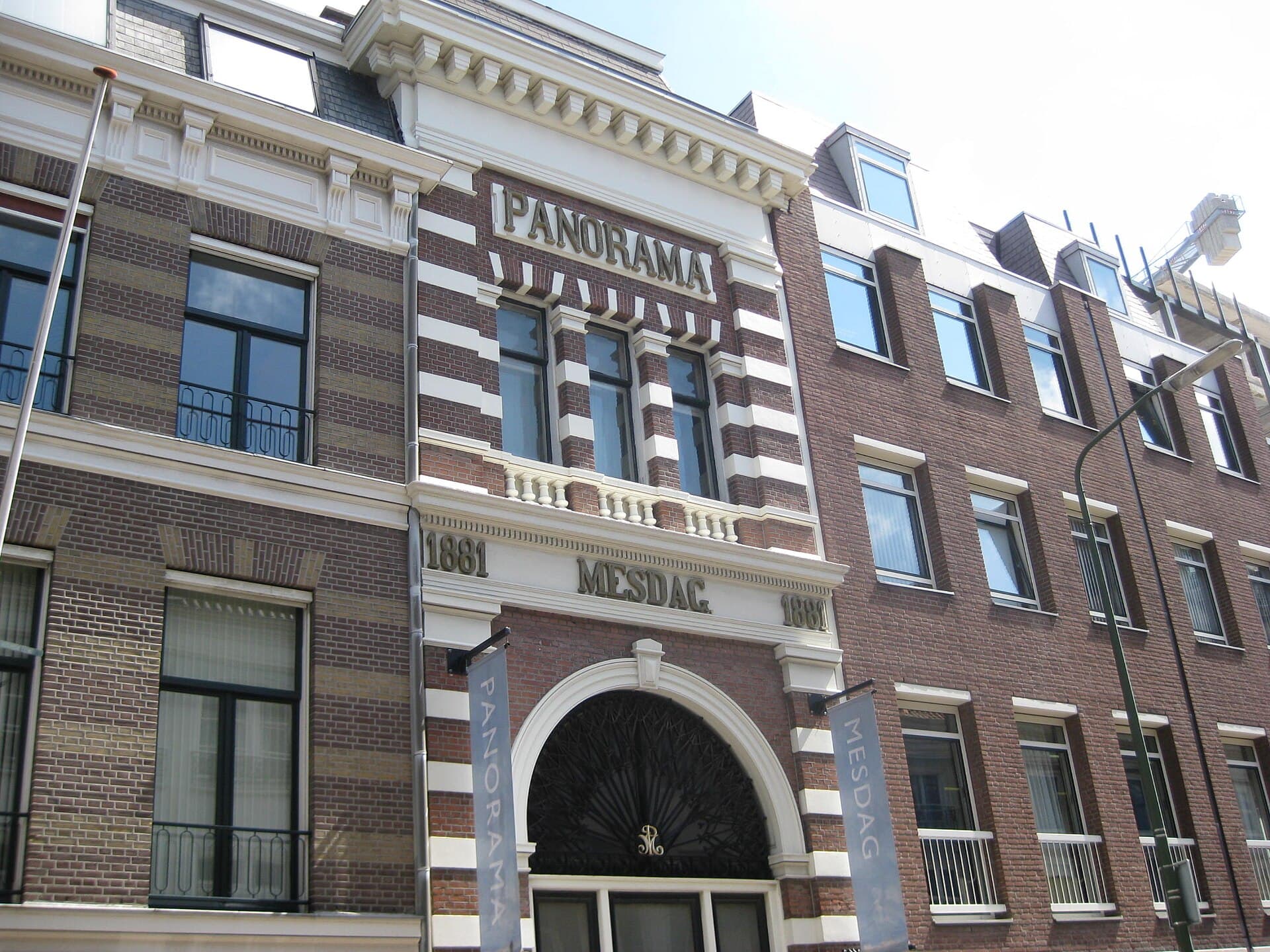 Panorama MesdagThe world's oldest panorama surviving in its original place: Mesdag's circular c3 minutes walk4.8
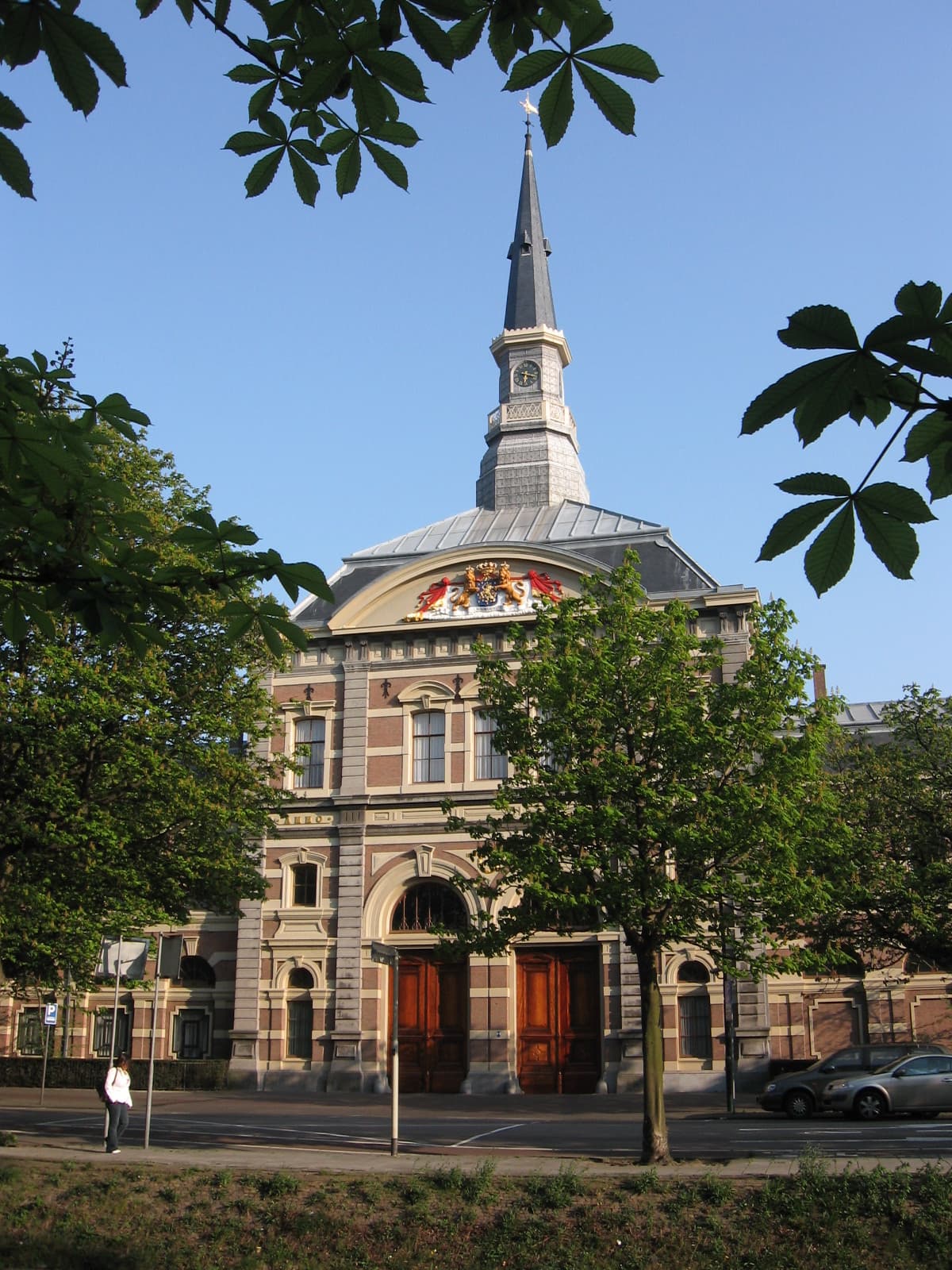 The Royal StablesThe building of the Dutch Royal Stables behind Noordeinde Palace in The Hague, b7 minutes walk4.7
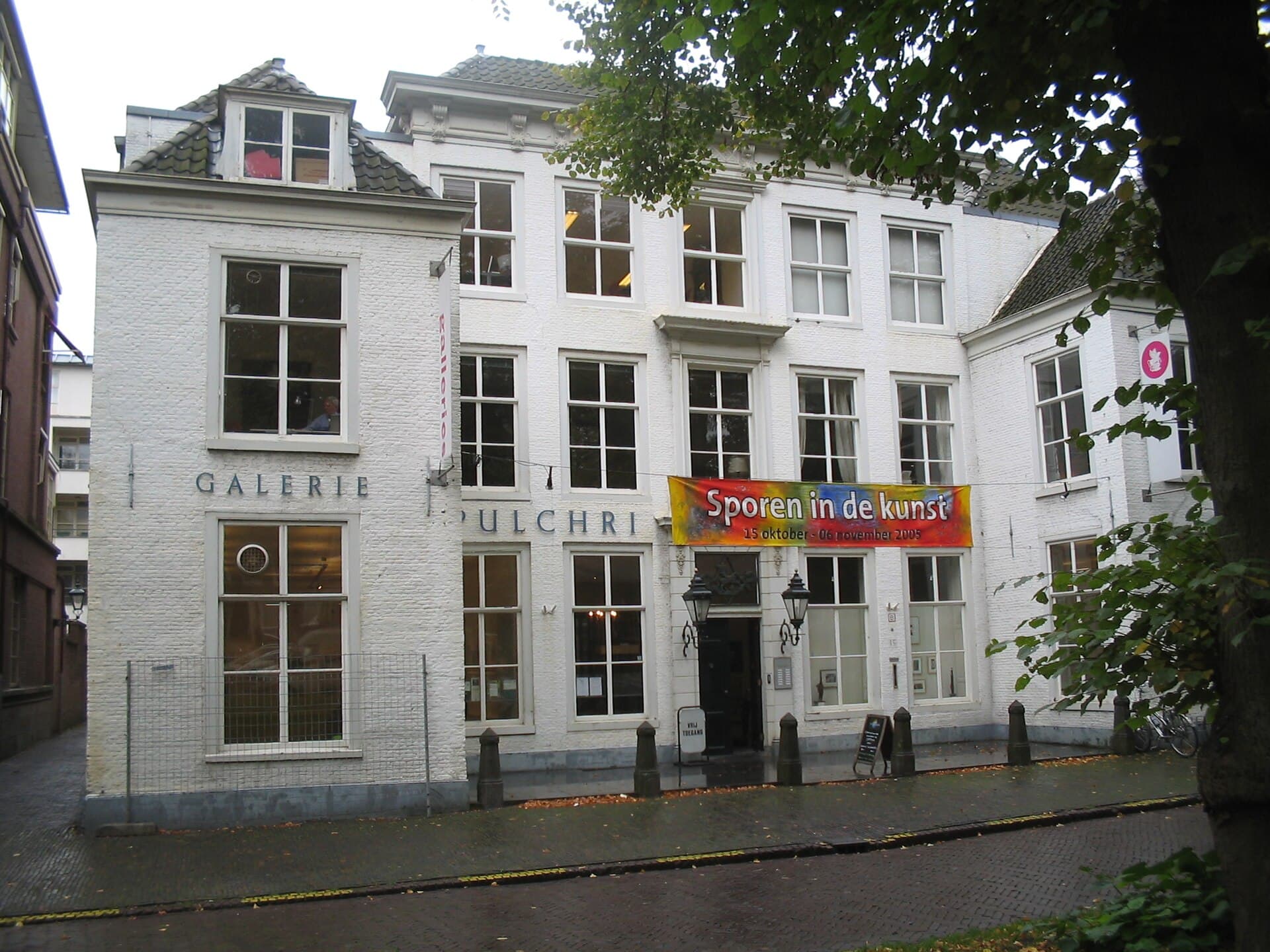 Pulchri StudioAn artists' society and exhibition rooms in an eighteenth-century mansion on the8 minutes walk4.3
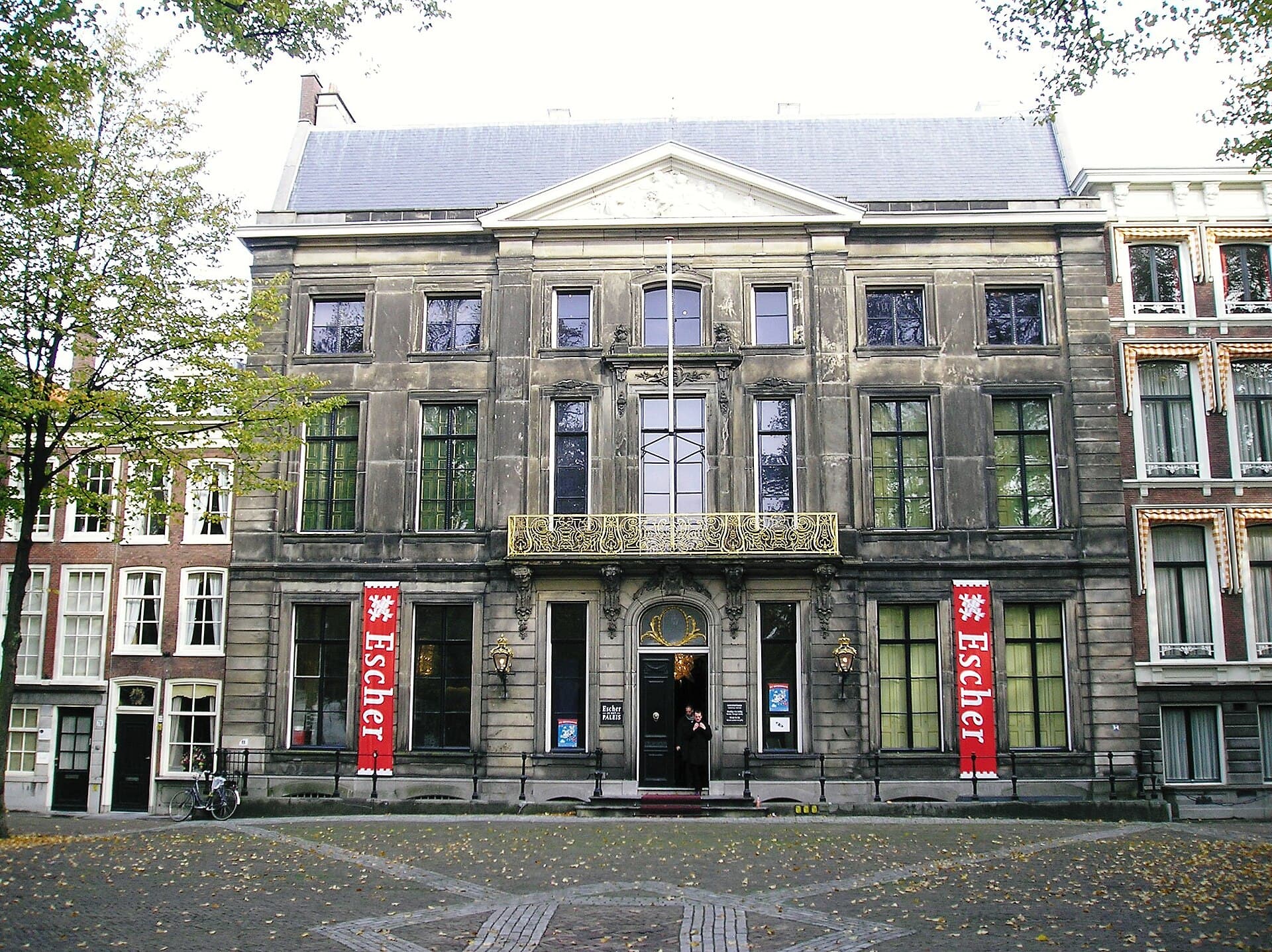 Escher in Het PaleisThe impossible's magician in a queen's palace: the Maurits Escher museum fills t8 minutes walk4.5
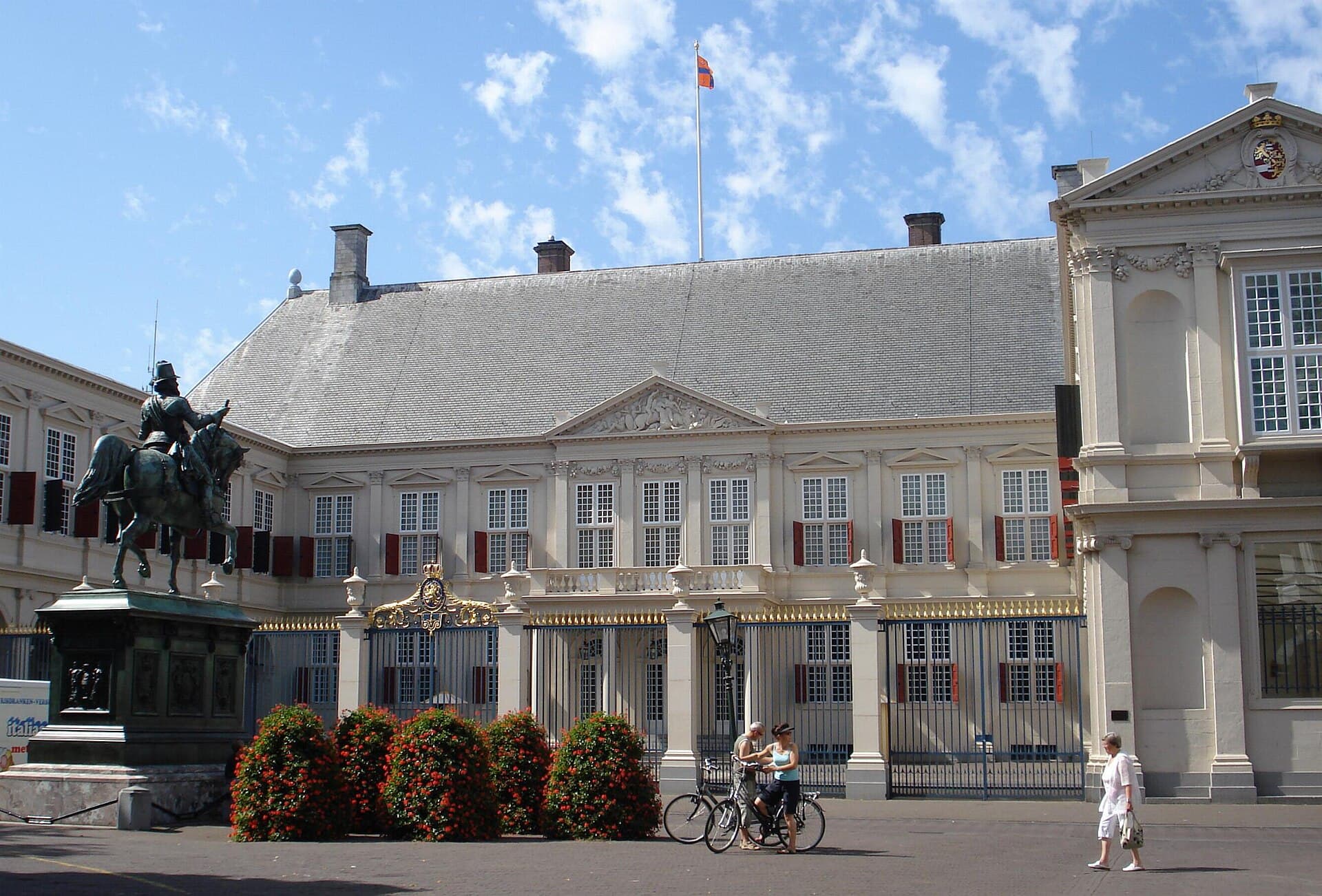 Noordeinde PalaceThe King's office: Noordeinde Palace is the working palace of the King of the Ne8 minutes walk4.4
People of the Maluku islands in eastern Indonesia, many of whose men served in the Dutch colonial army. After independence they were promised a state of their own that never came, and were moved to the Netherlands in 1951 on the understanding that the stay was temporary, a few months — and housed in camps, some of them former Nazi internment camps. The temporary lasted decades. The resulting tension erupted in the 1970s in train hijackings and hostage-takings, among the hardest pages of modern Dutch history, and the museum addresses it directly.