
The ice tunnel
A hundred metres at ten below.
Ray Swi-hymn from Sijhih-Taipei, Taiwan — CC BY-SA 2.0 · Ray Swi-hymn from Sijhih-Taipei, Taiwan — CC BY-SA 2.0 · Helgi Halldórsson from Reykjavík, Iceland — CC BY-SA 2.0 · Axel Kristinsson from Reykjavík, Iceland — CC BY 2.0
A glass dome on six hot-water tanks: Perlan stands on Öskjuhlíð hill above the city, built in 1991 to cap the geothermal tanks that heat Reykjavik — and now the museum of Icelandic nature and the city's best-known viewing platform. Its exhibits condense the country: a real ice tunnel a hundred metres long carved from three hundred tonnes of snow at ten below (take a coat), a planetarium dome showing the northern lights at any time of year, a volcano and earthquake exhibition with a shaking simulator, a basalt cave wall, and an ocean hall of northern wildlife. The outdoor deck circles the dome through 360 degrees, free for anyone who only wants the view: Reykjavik, the bay, Mount Esja and the church spire. Reached by bus, or on foot through the Öskjuhlíð woods in twenty minutes from the centre.
A hundred metres at ten below.
A guarantee for those the sky failed.
360 degrees over city and bay.
Öskjuhlíð, Reykjavik
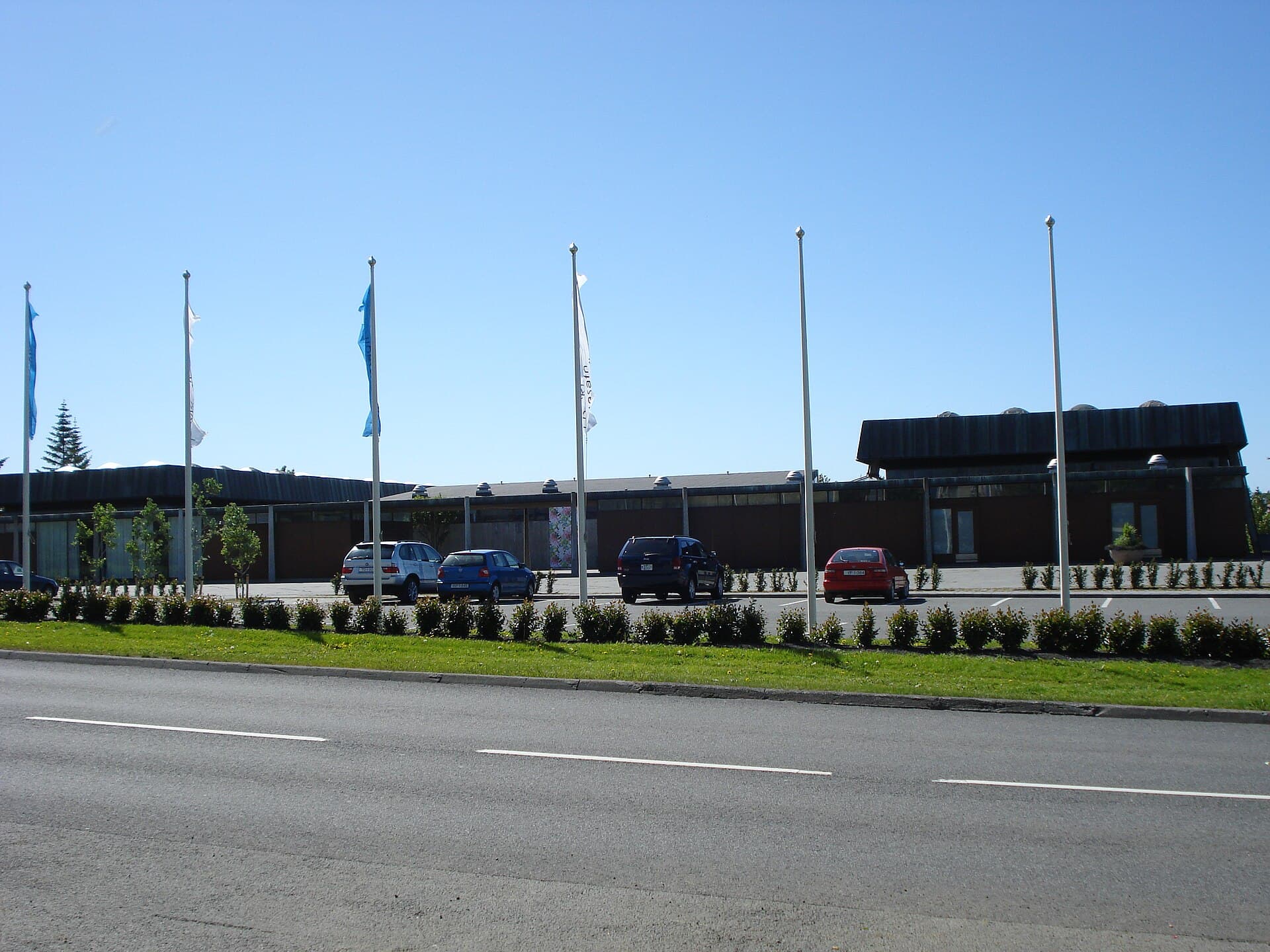 KjarvalsstaðirOne of the buildings of Reykjavík Art Museum, standing in Klambratún park a shor13 minutes walk4.3
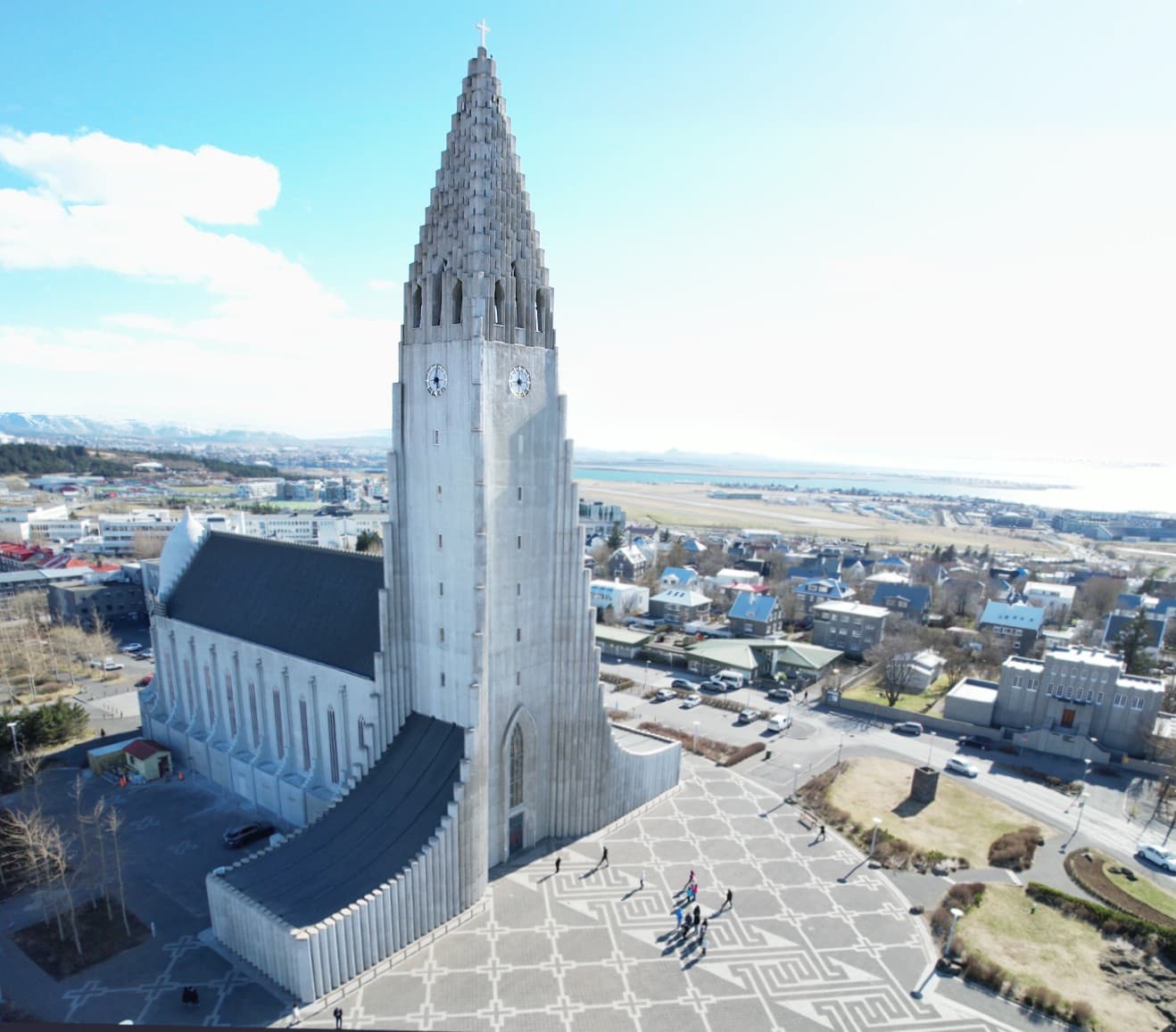 HallgrímskirkjaReykjavik's tallest building and its undisputed emblem: Hallgrímskirkja's steppe18 minutes walk4.5
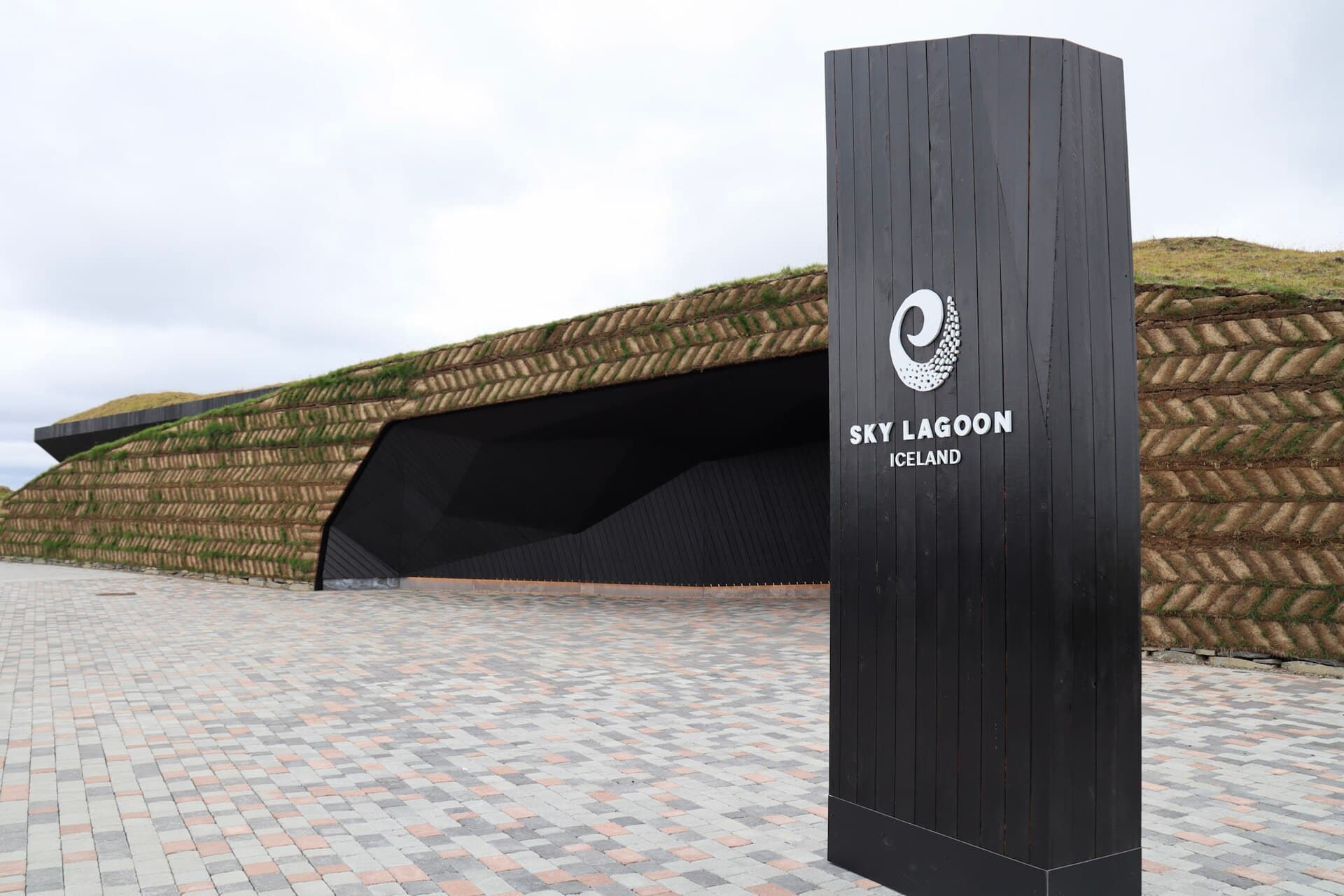 Sky LagoonA geothermal spa on the coast south-west of Reykjavik, opened in 2021, whose inf24 minutes walk4.8
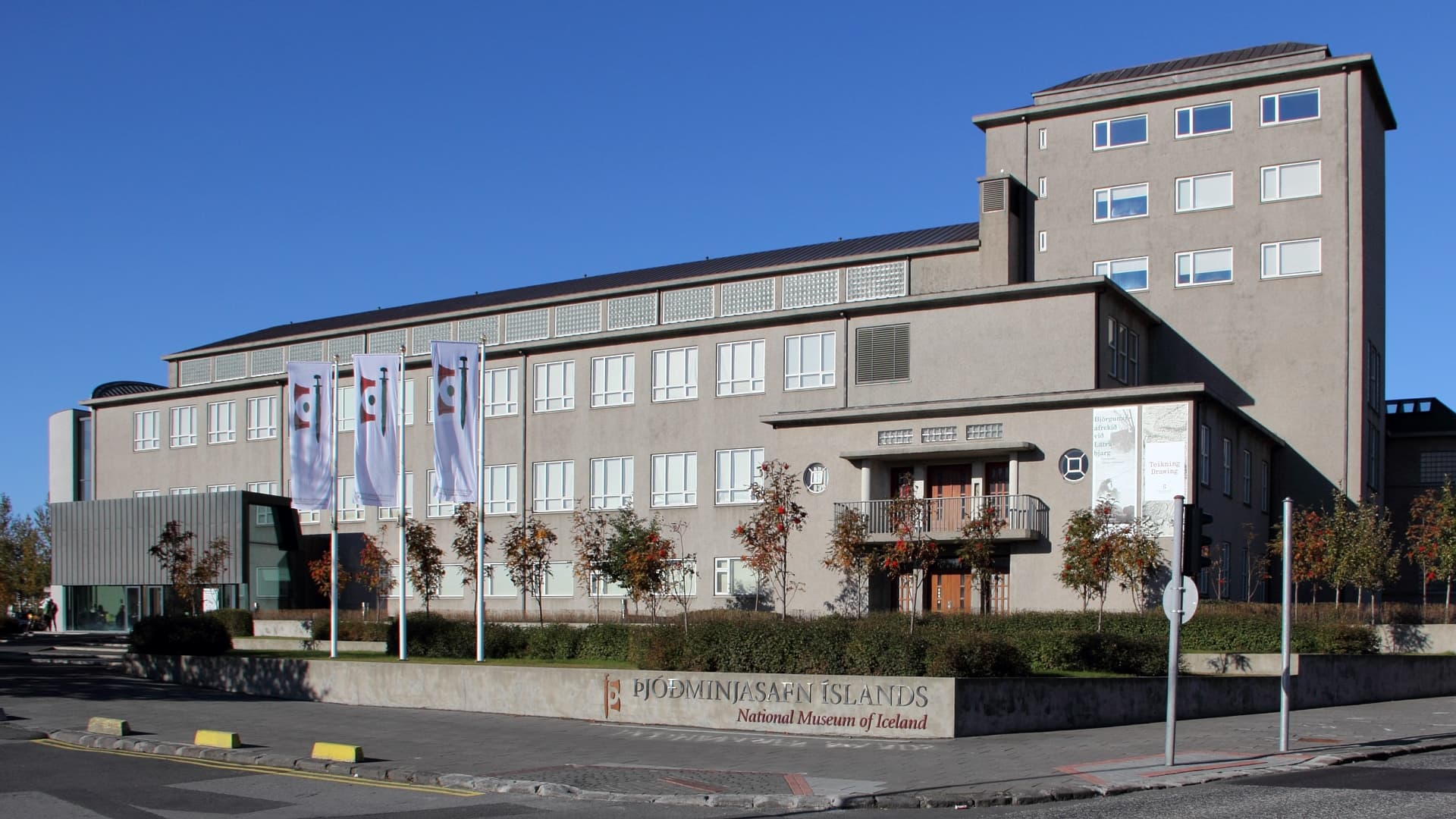 National Museum of IcelandEleven hundred years on two floors: the National Museum beside the university te25 minutes walk4.6
No, but it explains the phenomenon and guarantees seeing its shape for summer visitors or under cloud; the real aurora needs a clear night between September and March.