
The Viking graves
Swords, jewellery and a buried horse.
Helmut Seger — CC BY-SA 4.0 · Ray Swi-hymn from Sijhih-Taipei, Taiwan — CC BY-SA 2.0 · Ray Swi-hymn from Sijhih-Taipei, Taiwan — CC BY-SA 2.0 · Ray Swi-hymn from Sijhih-Taipei, Taiwan — CC BY-SA 2.0
Eleven hundred years on two floors: the National Museum beside the university tells Iceland from the first Norse settlers of 874 to today, in a chronological permanent display that is clear and unpadded — the best way into the country before going out into its nature. Its most famous object is the carved wooden Valþjófsstaður door of the thirteenth century with its knight and dragon, along with small bronze Thor figures from the pagan age, Viking swords and graves, manuscripts, silver jewellery and traditional dress — then the centuries of poverty under Danish rule and the turf house, independence in 1944 and the leap into modernity. The second floor holds temporary photography shows, and the café and shop are good. Ninety minutes suffice, and its position between the university and the pond makes it an ideal rainy-day stop.
Swords, jewellery and a buried horse.
How Icelanders lived for centuries under grass.
Suðurgata 41, Reykjavik
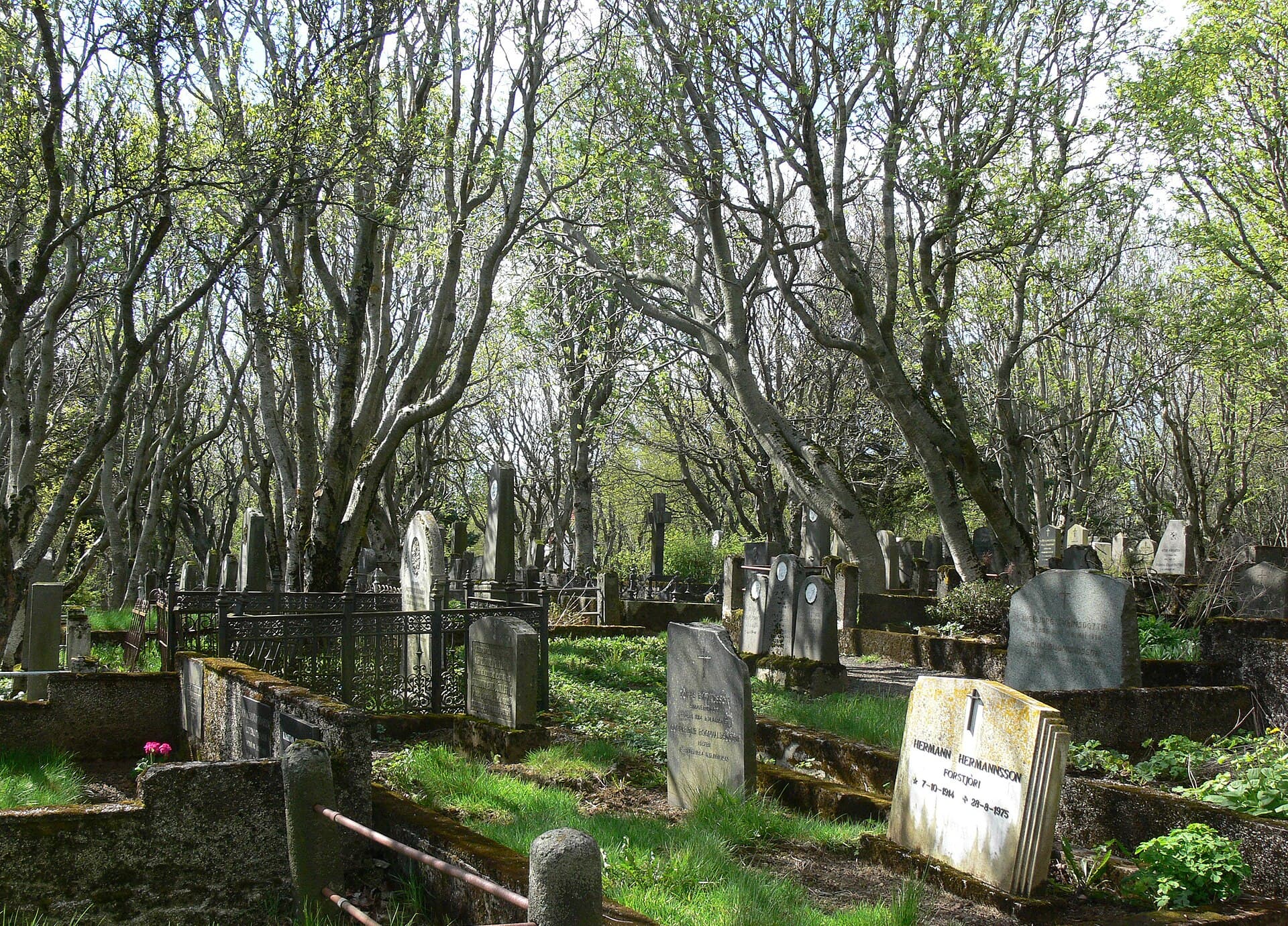 Hólavallagarður CemeteryReykjavik's oldest cemetery, opened in 1838, and today among the quietest green 4 minutes walk4.8
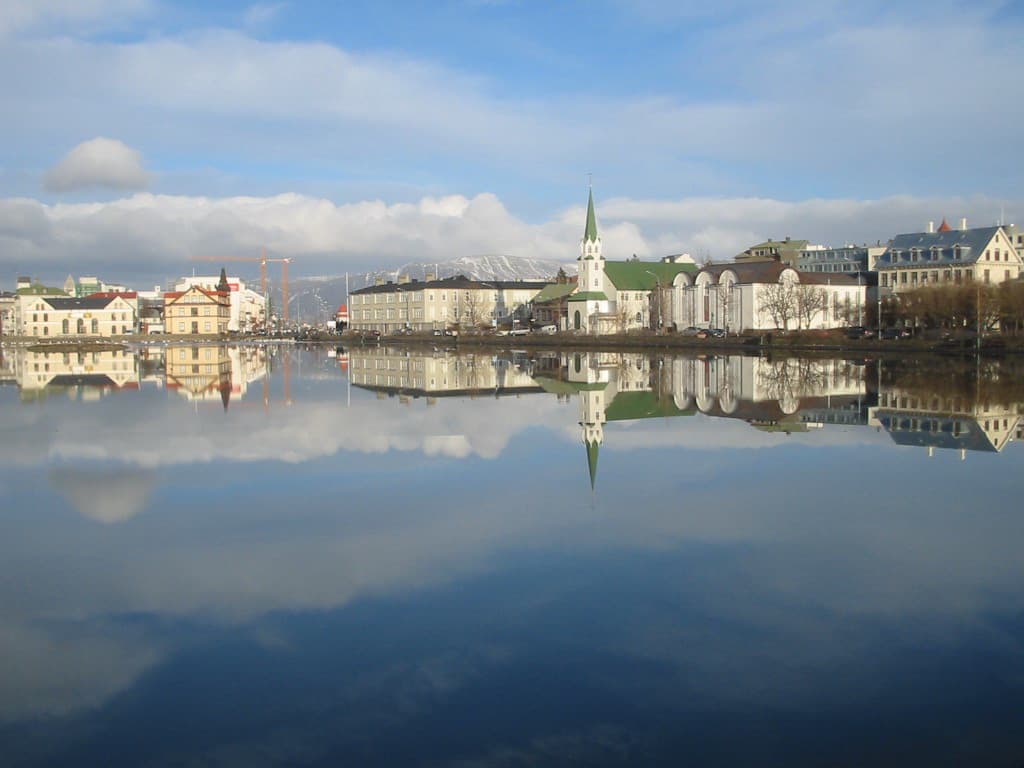 Tjörnin LakeA small lake in the immediate centre of Reykjavik, whose name means simply the p5 minutes walk4.8
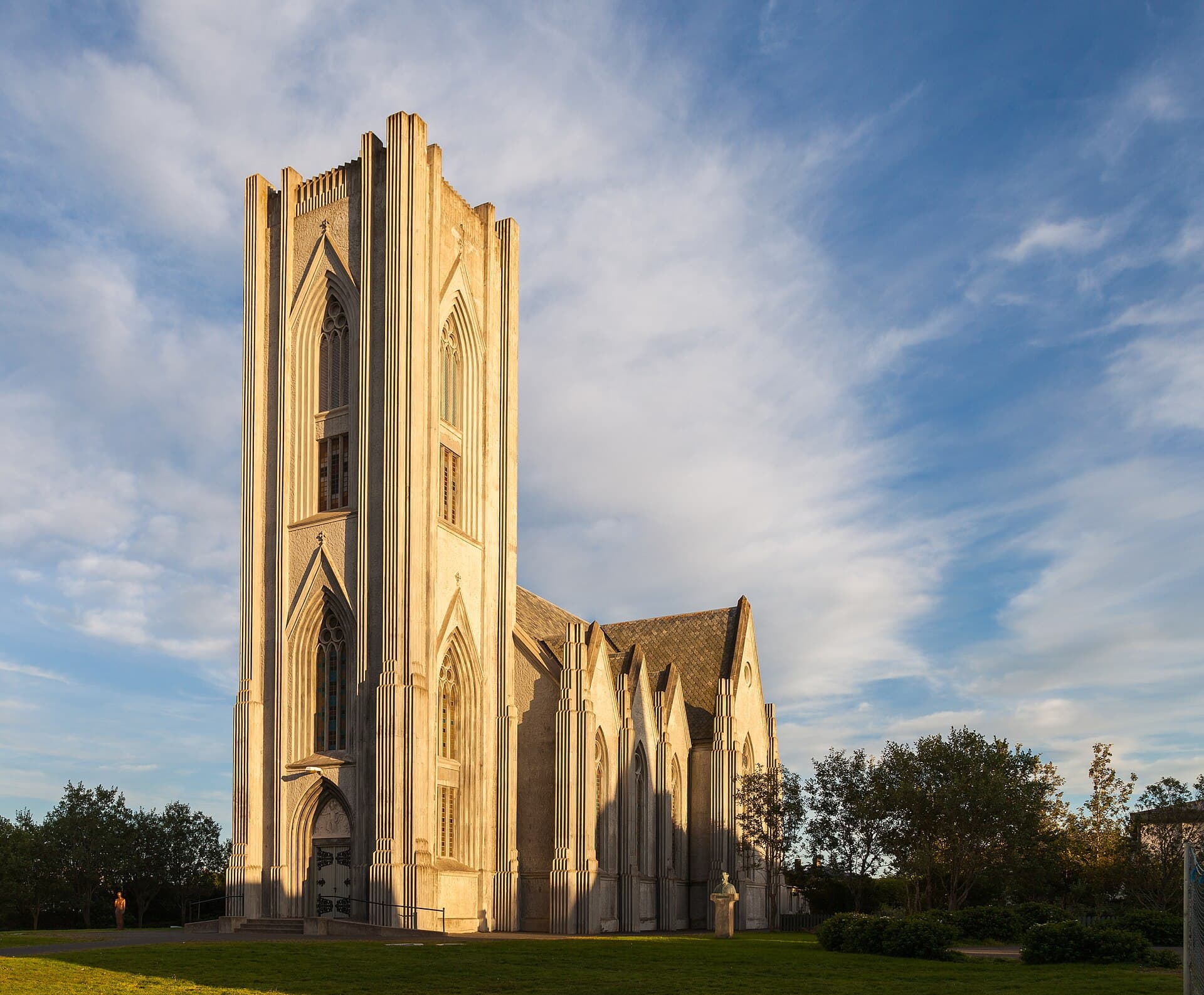 Cathedral of Christ the KingIceland's Catholic cathedral, on the Landakot hill west of central Reykjavik, co8 minutes walk4.4
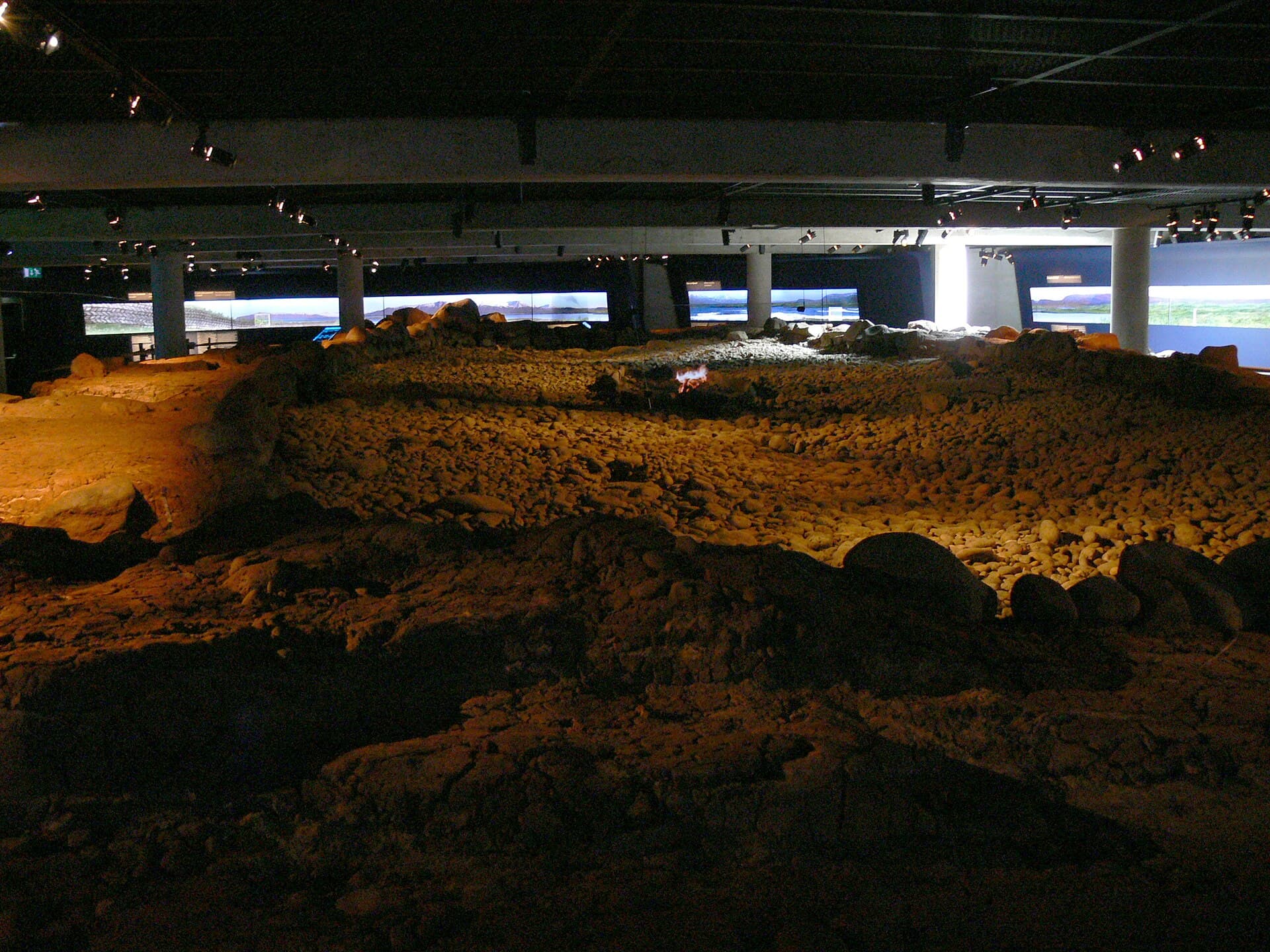 The Settlement Exhibition 871±2Reykjavik's oldest house exactly where it was found: digging hotel foundations i8 minutes walk4.4
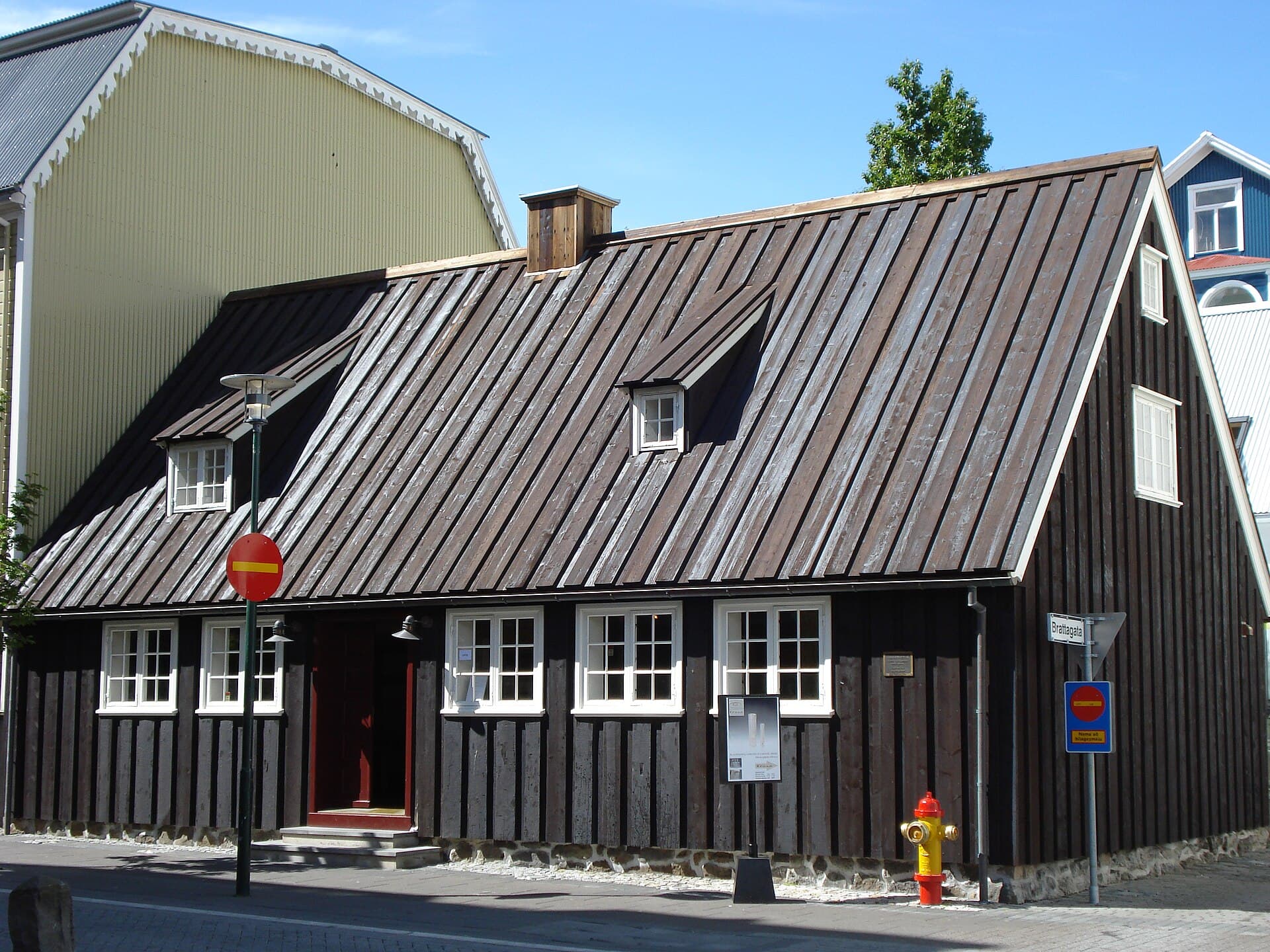 Aðalstræti 10The oldest surviving house in Reykjavik, dating to around 1762, working today as9 minutes walk4.5
The National is broader and longer (a thousand years); the Settlement Exhibition is smaller and deeper on one point: a house of 871 found in place underground. Both fit one day.