
Kjarval's work
The painter who changed how Icelanders see their land — his importance is local first.
TommyBee — Public domain · Odeekenobi — CC0 · Helgi Halldórsson from Reykjavík, Iceland — CC BY-SA 2.0 · TommyBee — Public domain
One of the buildings of Reykjavík Art Museum, standing in Klambratún park a short way from the city centre. The building is part of the story: 1960s modernist architecture with low horizontal lines and glazed walls opening onto the park, among the clearest examples of Nordic modernism in Iceland. It is named after the painter Jóhannes Kjarval, the artist with the largest presence in Icelandic consciousness. His paintings of Iceland's landscape — lava, moss and rock — changed how Icelanders saw their own land, and that is the source of his standing far more than any international art-historical consideration. One part of the building shows his work; the other holds rotating contemporary exhibitions. The ticket normally covers all three Reykjavík Art Museum buildings on the same day, so it makes sense to visit them together rather than this one alone. Its position in a park makes it different from a museum on a street: you can sit outside, and the place is quiet.
The painter who changed how Icelanders see their land — his importance is local first.
Low lines and glass opening onto the park — clear Nordic modernism.
You can sit outside, and it is quiet compared with the museums in the centre.
Klambratún park, Reykjavík
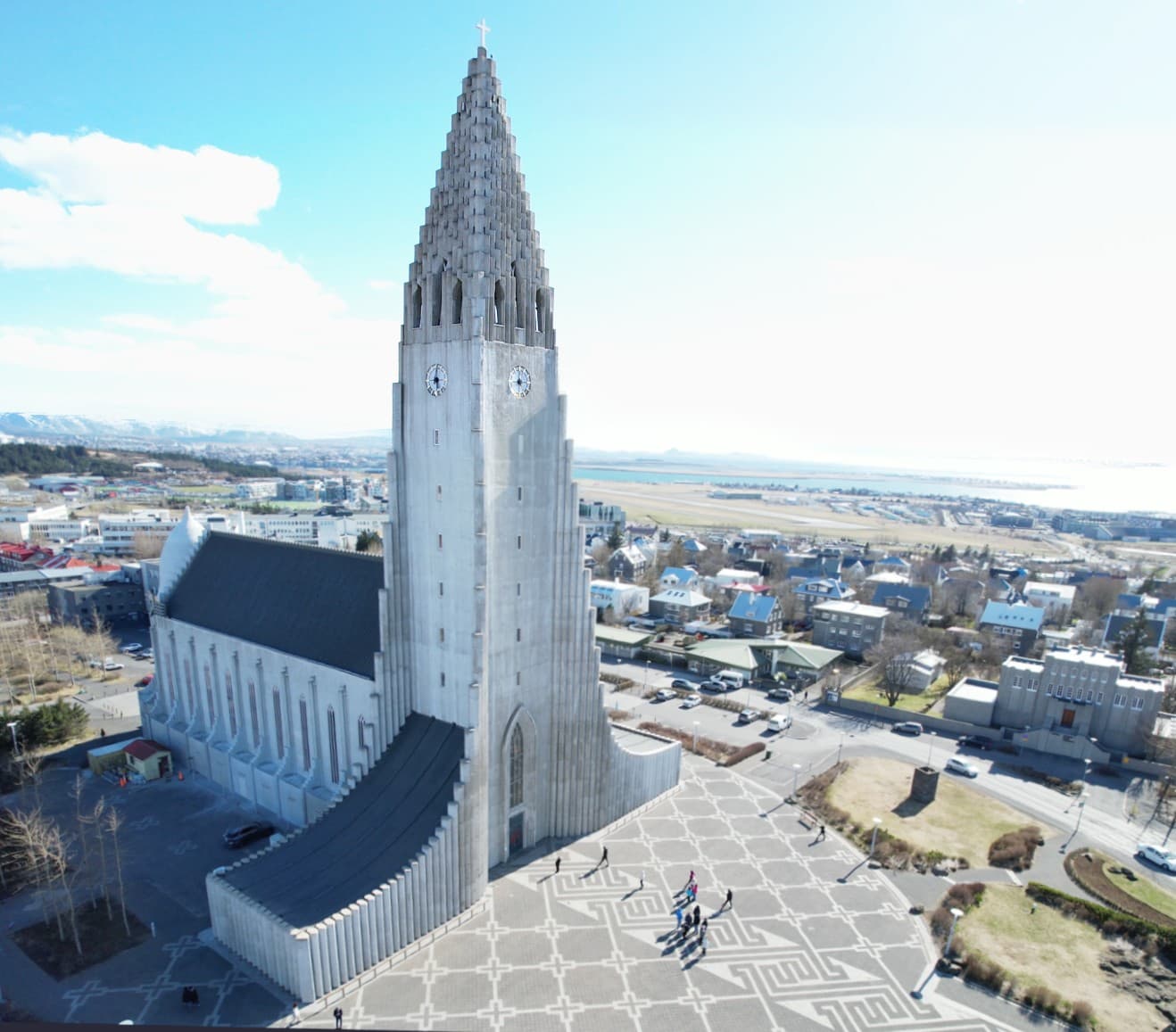 HallgrímskirkjaReykjavik's tallest building and its undisputed emblem: Hallgrímskirkja's steppe10 minutes walk4.5
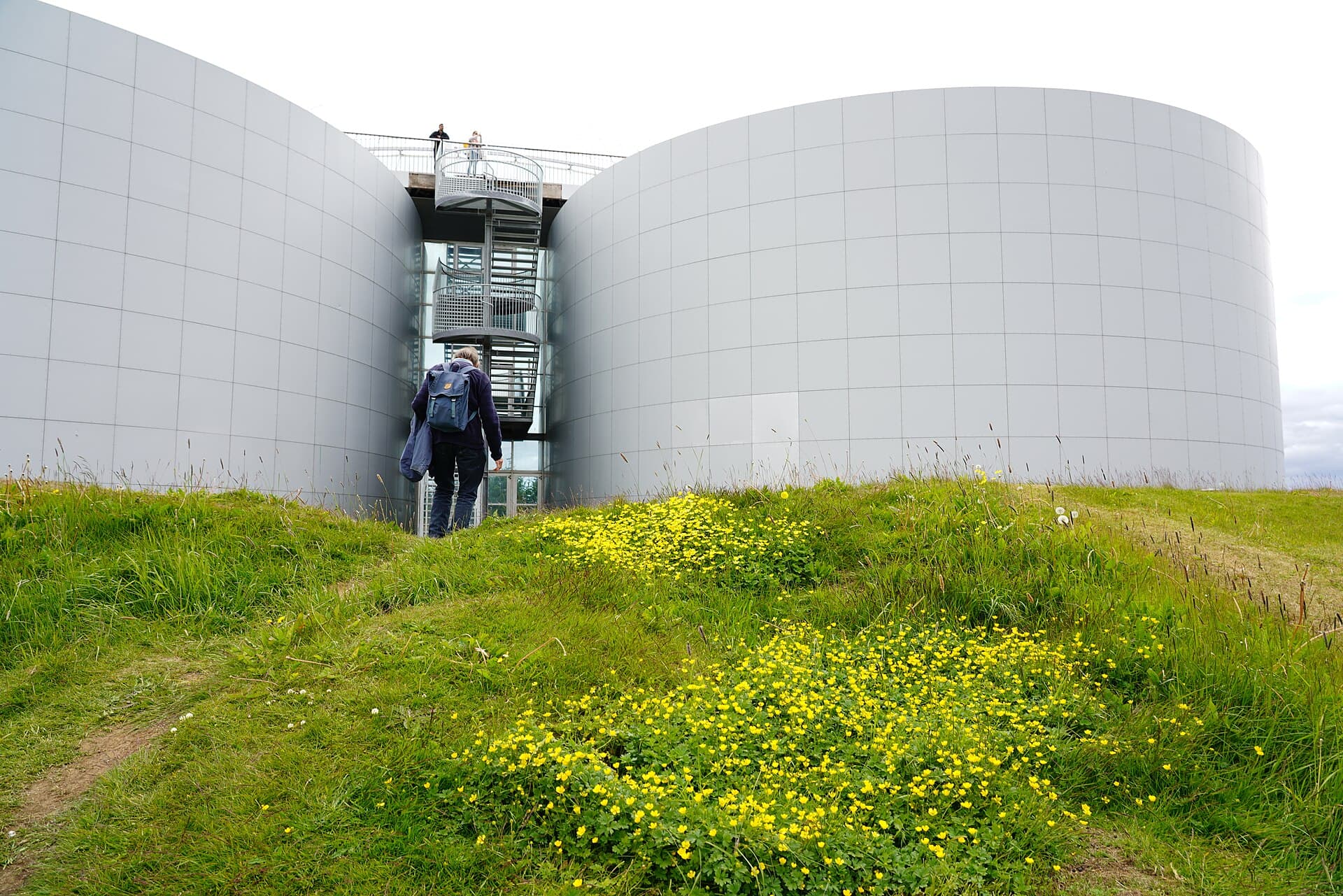 PerlanA glass dome on six hot-water tanks: Perlan stands on Öskjuhlíð hill above the c13 minutes walk4.6
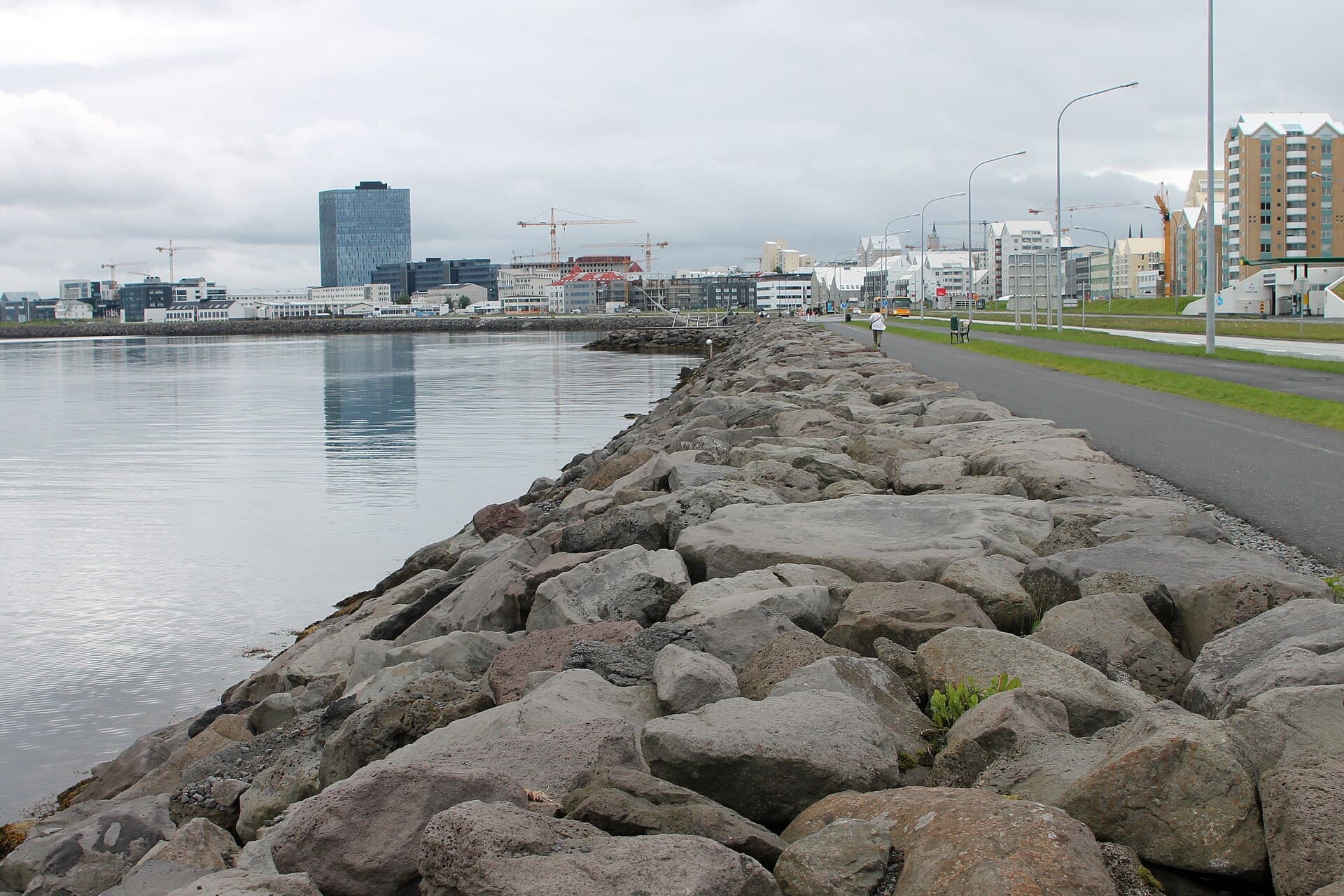 Sun VoyagerA steel skeleton like a bare-boned Viking ship on the sea promenade: Sólfar, the15 minutes walk4.6
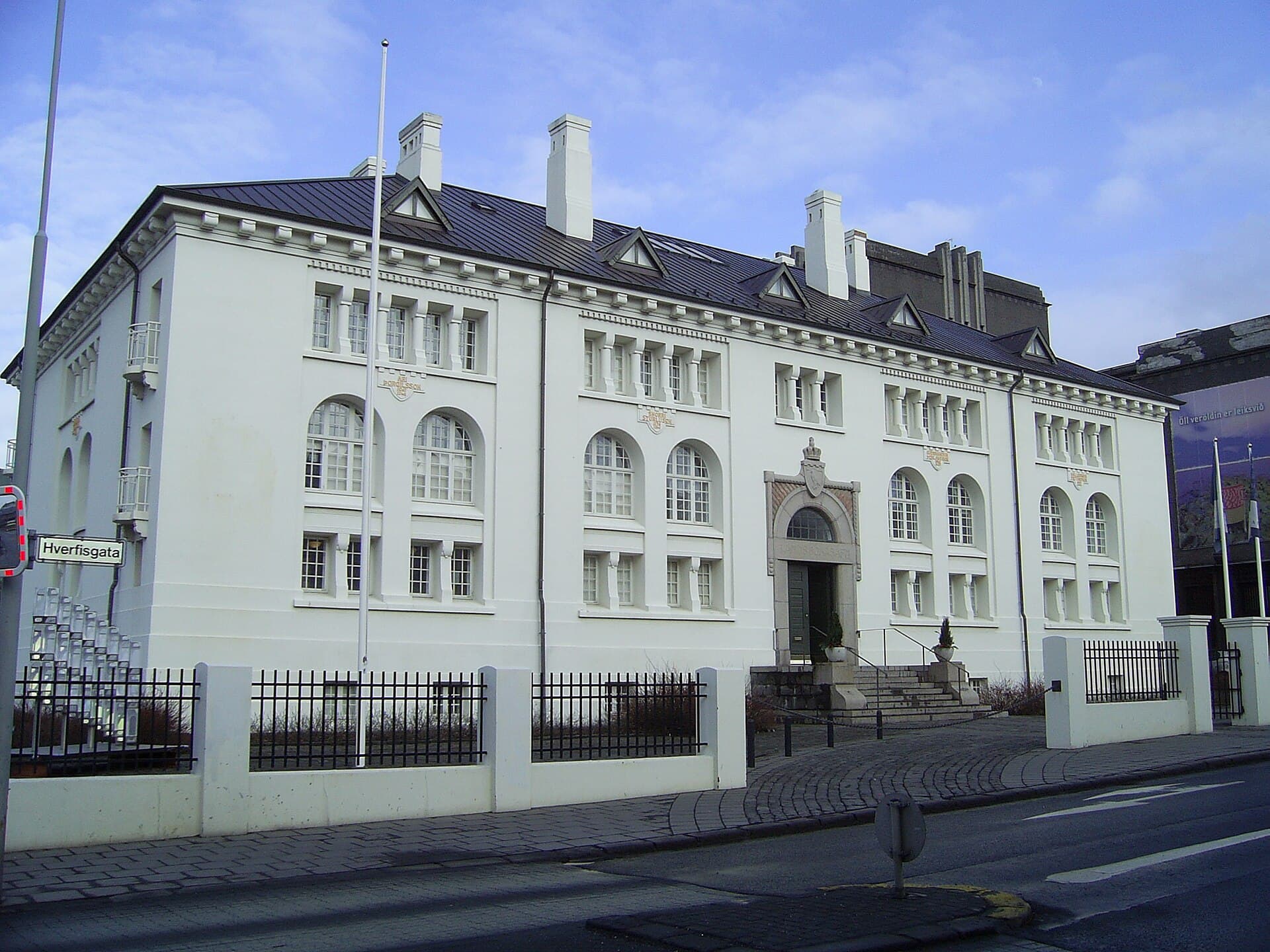 The House of CollectionsA museum in an early twentieth-century building in central Reykjavik, bringing t18 minutes walk4.0
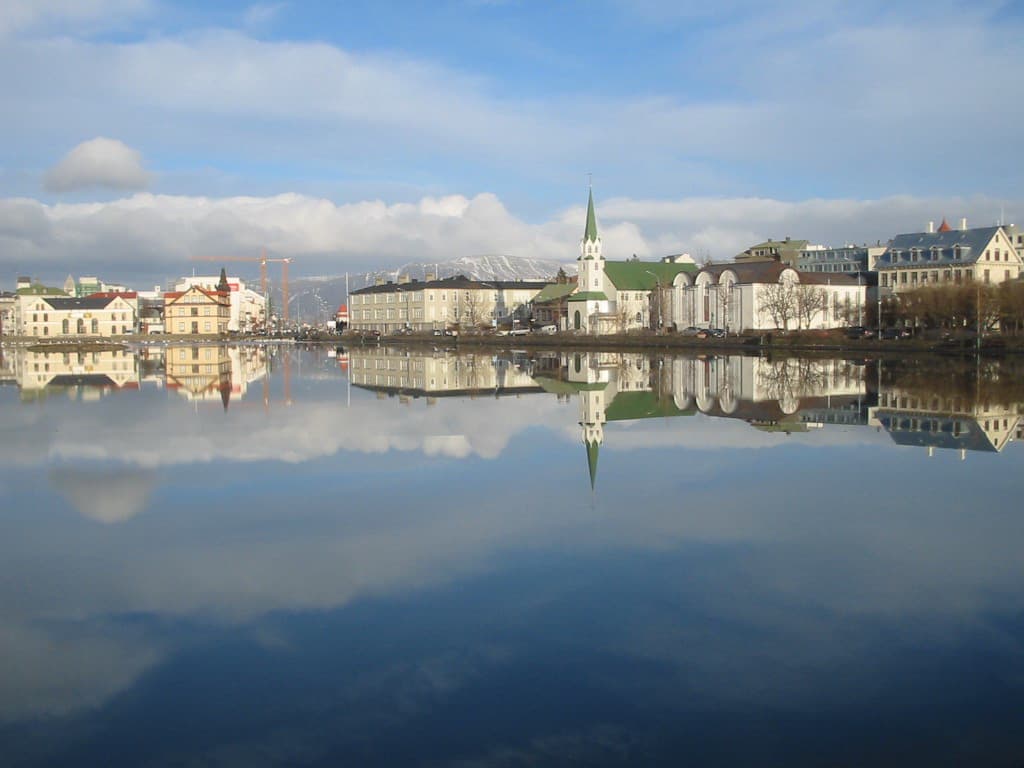 Tjörnin LakeA small lake in the immediate centre of Reykjavik, whose name means simply the p20 minutes walk4.8
The ticket covers all of them on the same day, so visit more than one. Hafnarhús by the harbour shows contemporary art and the work of Erró, and Ásmundarsafn is devoted to the sculptor Ásmundur Sveinsson in his own oddly shaped house. This building is the quietest and the closest to nature.
Yes, if you want to understand how Icelanders see their country. Kjarval's paintings are not merely attractive landscapes but the way a whole nation learned to look at its rock and moss. That context changes the rest of your trip in Iceland.