
The tower platform
Coloured Reykjavik, the bay and the mountains.
Steinninn — CC BY 4.0 · Holger Uwe Schmitt — CC BY-SA 4.0 · Holger Uwe Schmitt — CC BY-SA 4.0 · Holger Uwe Schmitt — CC BY-SA 4.0
Reykjavik's tallest building and its undisputed emblem: Hallgrímskirkja's stepped concrete facade flows from a 74-metre tower on the crest of Skólavörðuholt hill like basalt columns — Guðjón Samúelsson, the state architect, designed it in 1937 after the hexagonal volcanic columns lava forms as it cools, so the church is Iceland's geology built. It took 41 years to raise (1945-1986), and the interior is the facade's opposite: white, plain and high-arched with almost no ornament, filled with northern light and a vast German organ of 5,200 pipes that gives midday concerts daily in summer. The lift to the tower is the point: an open-windowed platform revealing all Reykjavik with its coloured roofs, the bay and the mountains behind — the city's best view. Before the church stands Leif Erikson, discoverer of America, an American gift from 1930.
Coloured Reykjavik, the bay and the mountains.
5,200 pipes in a high white hall.
America's discoverer, centuries before Columbus.
Hallgrímstorg 1, Reykjavik
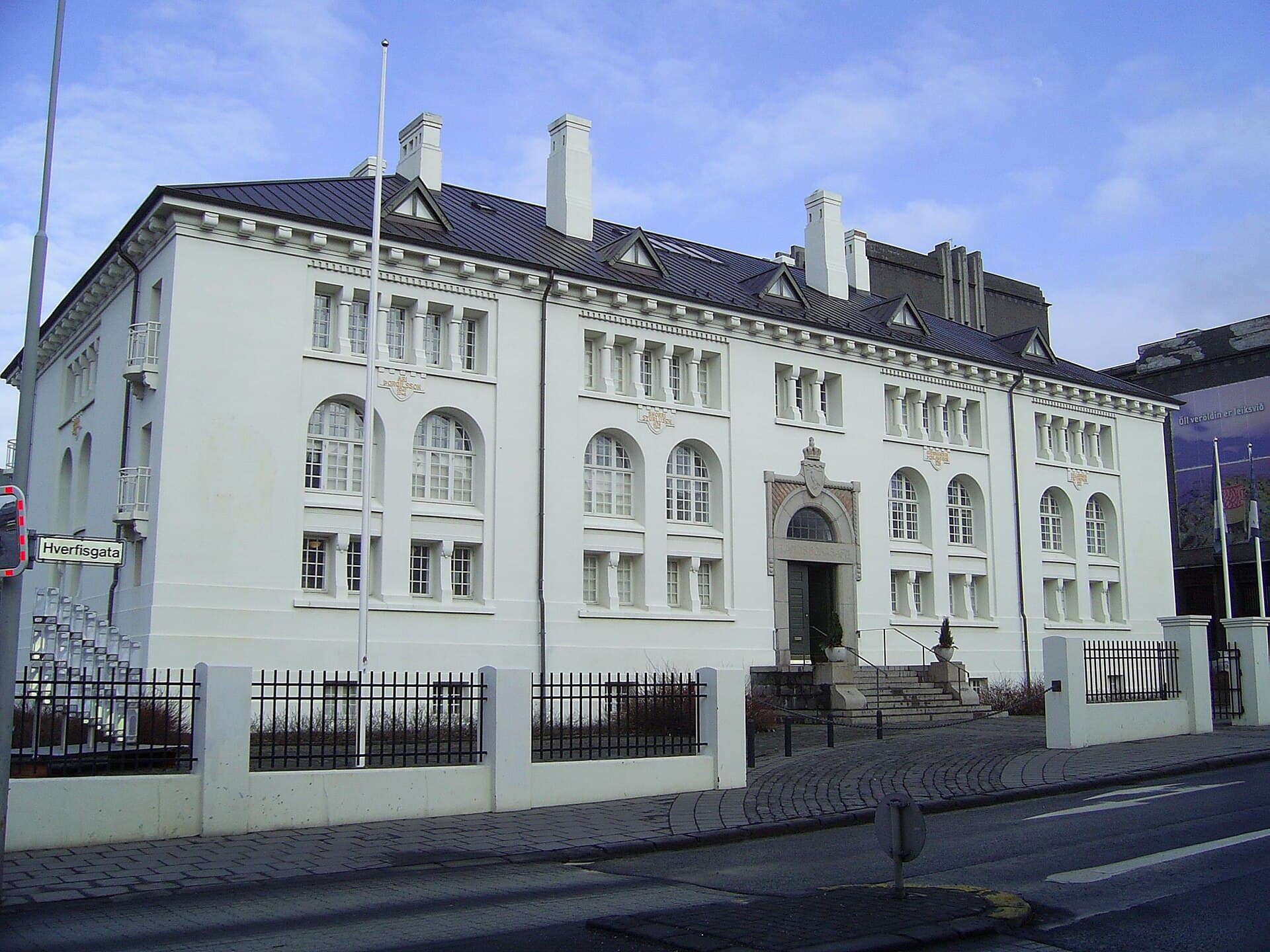 The House of CollectionsA museum in an early twentieth-century building in central Reykjavik, bringing t8 minutes walk4.0
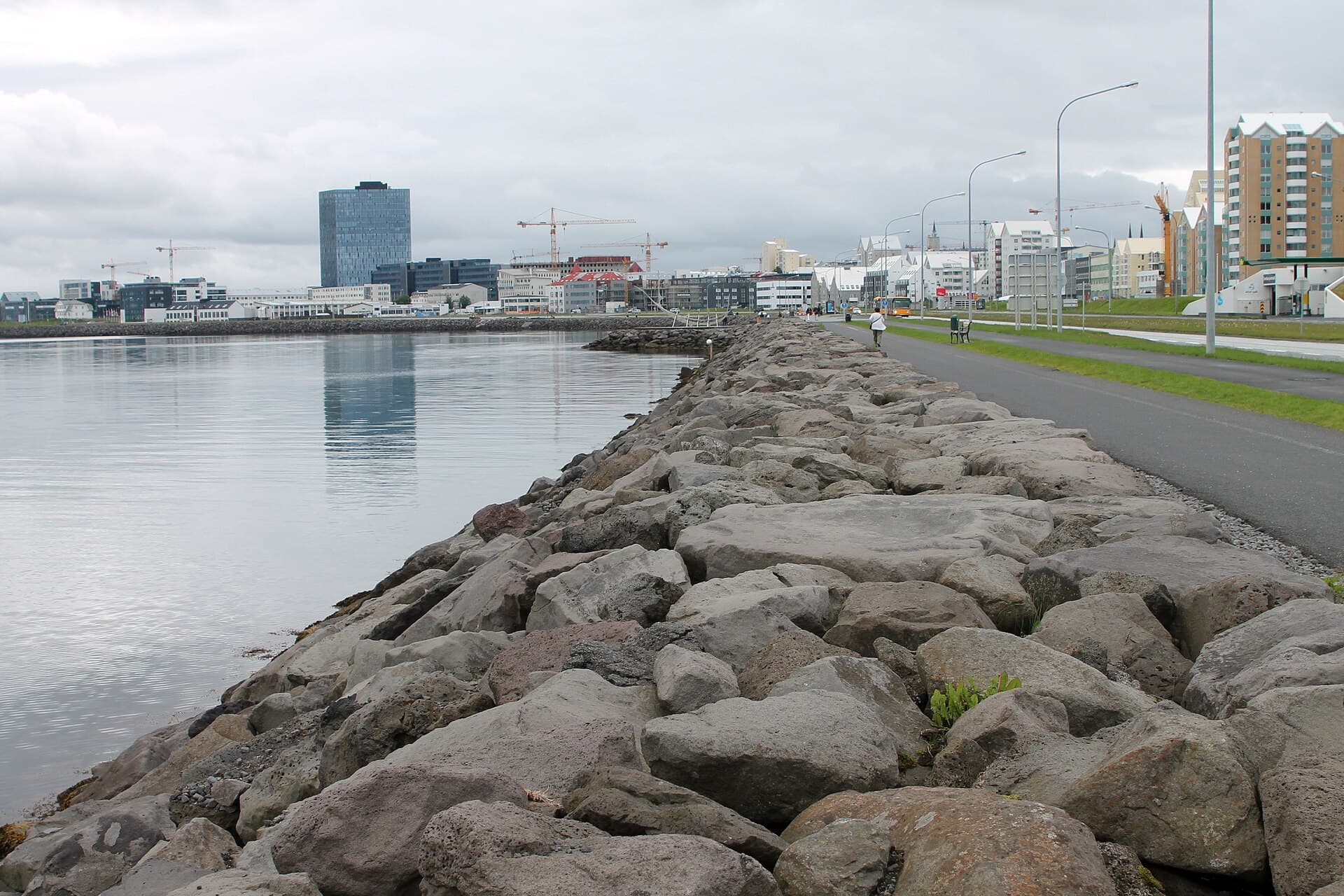 Sun VoyagerA steel skeleton like a bare-boned Viking ship on the sea promenade: Sólfar, the8 minutes walk4.6
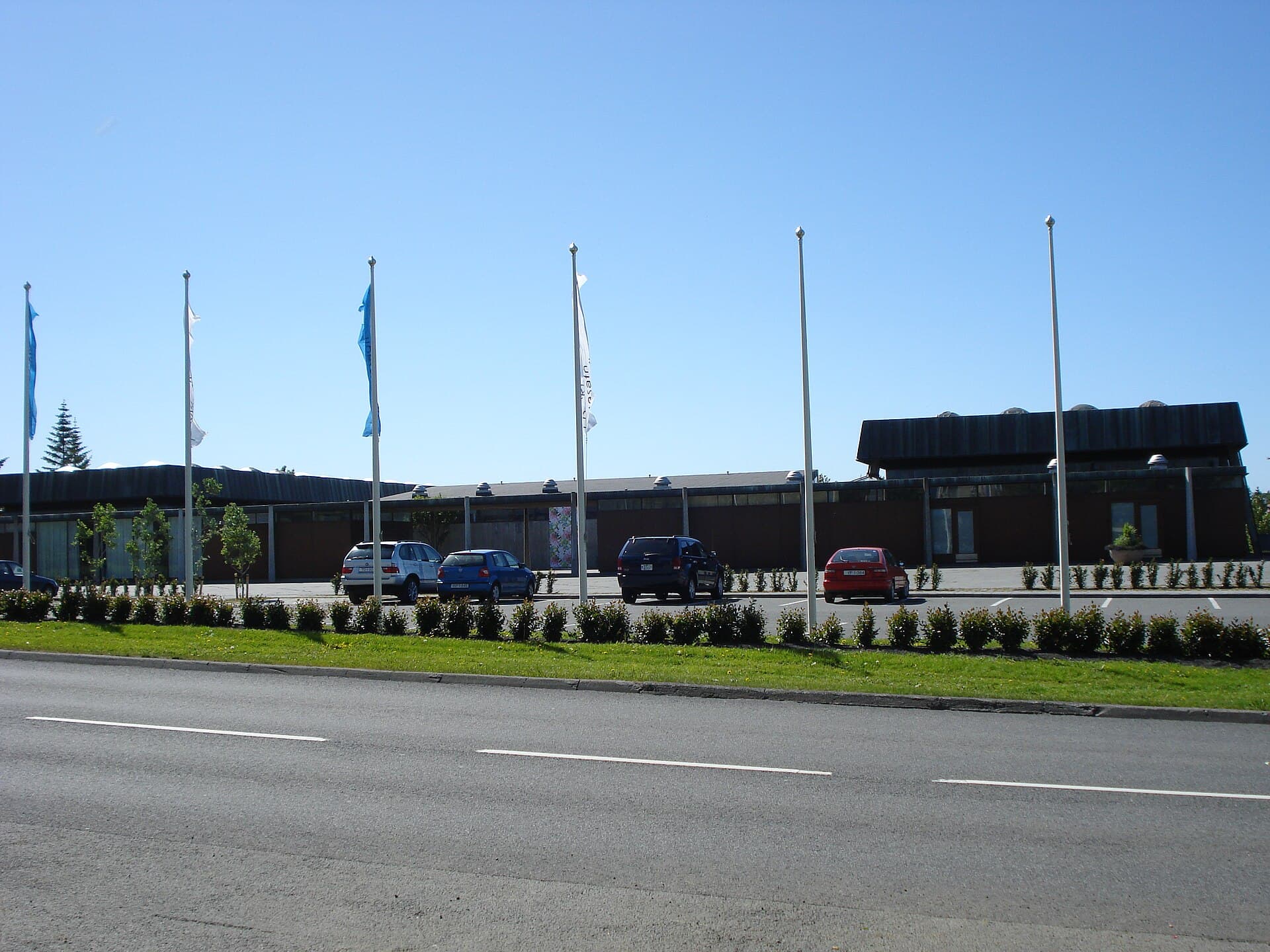 KjarvalsstaðirOne of the buildings of Reykjavík Art Museum, standing in Klambratún park a shor10 minutes walk4.3
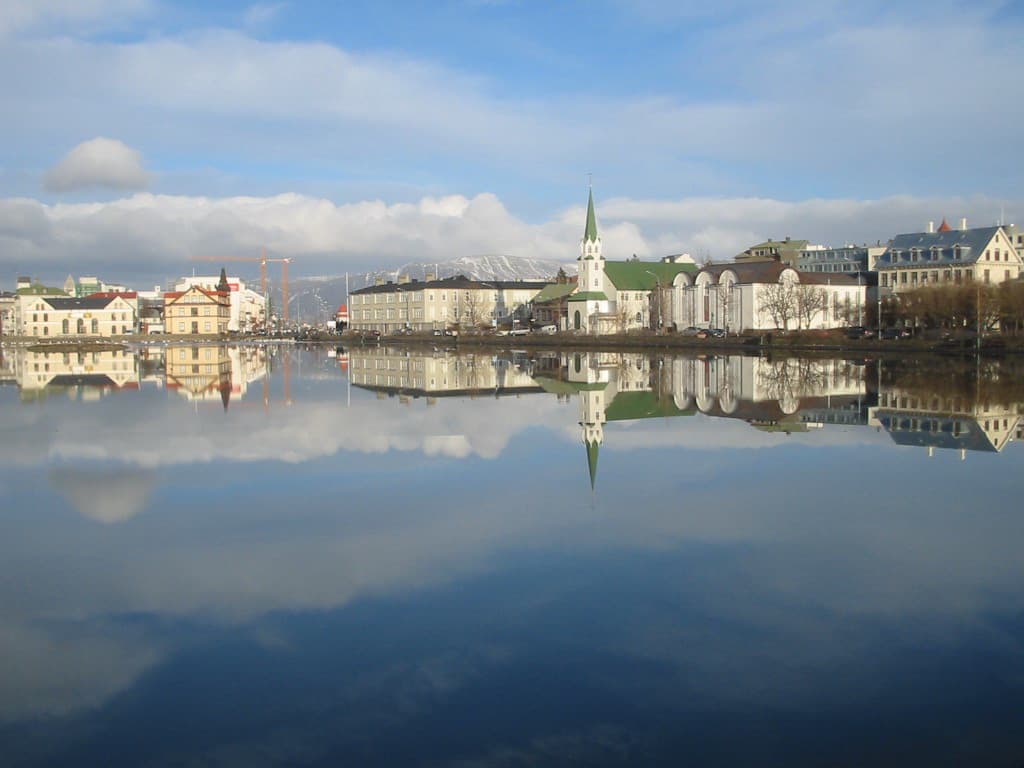 Tjörnin LakeA small lake in the immediate centre of Reykjavik, whose name means simply the p10 minutes walk4.8
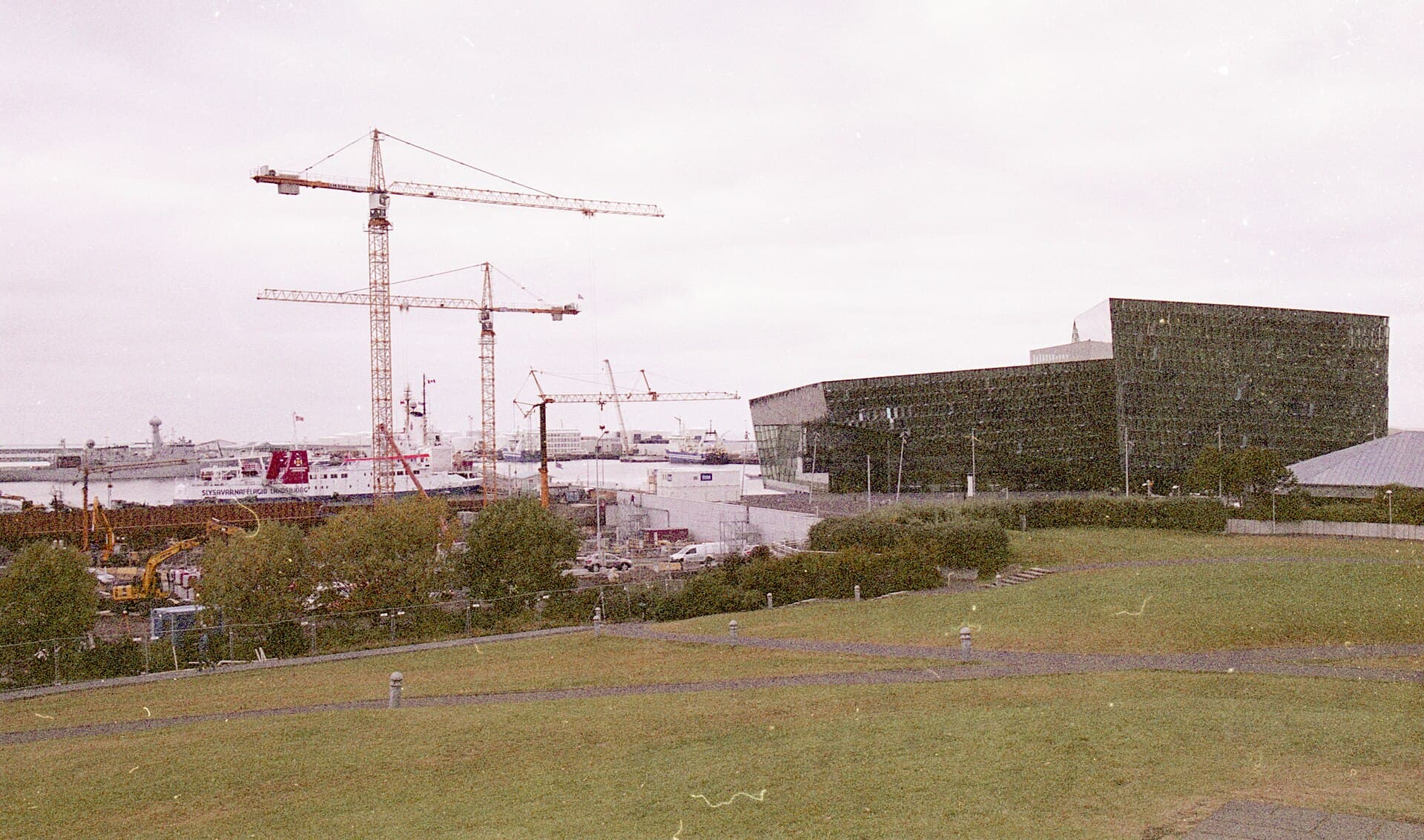 Harpa Concert HallA wall of volcanic glass on the harbour: Harpa concert hall (2011) is clad in 1,12 minutes walk4.5
Yes: the city's highest public point, and the view explains Reykjavik's layout; the windows are open, so photos come without reflections.