
A wind argument saved it
A professor argued public health where heritage failed.
Zygmunt Put — CC BY-SA 4.0 · Kritzolina — CC BY-SA 4.0 · Zygmunt Put — CC BY-SA 4.0 · Mach240390 — CC BY 4.0
What remains of Kraków's medieval wall: a short stretch holding the Florian Gate and three towers, all that survives of a three-kilometre belt with forty-seven towers and eight gates. The wall was demolished between 1810 and 1814 by decision of the Austrian authorities, who judged the fortifications militarily useless and the city in need of expansion. The strip it had occupied was turned into a belt of gardens called the Planty, encircling the whole old town. That solution — replacing a wall with a ring park — recurred in several European cities, and is what gives Kraków its green ring today. This northern section survived thanks to the protest of Professor Feliks Radwański, who argued that demolishing it would expose the city to north winds and disease — a practical argument that persuaded the authorities where heritage arguments had failed. The wall can be climbed on a ticket, seasonally.
A professor argued public health where heritage failed.
The Planty rings the old town on the line of the old wall.
The entrance to the Royal Route towards Wawel.
North of the old town, by the Florian Gate
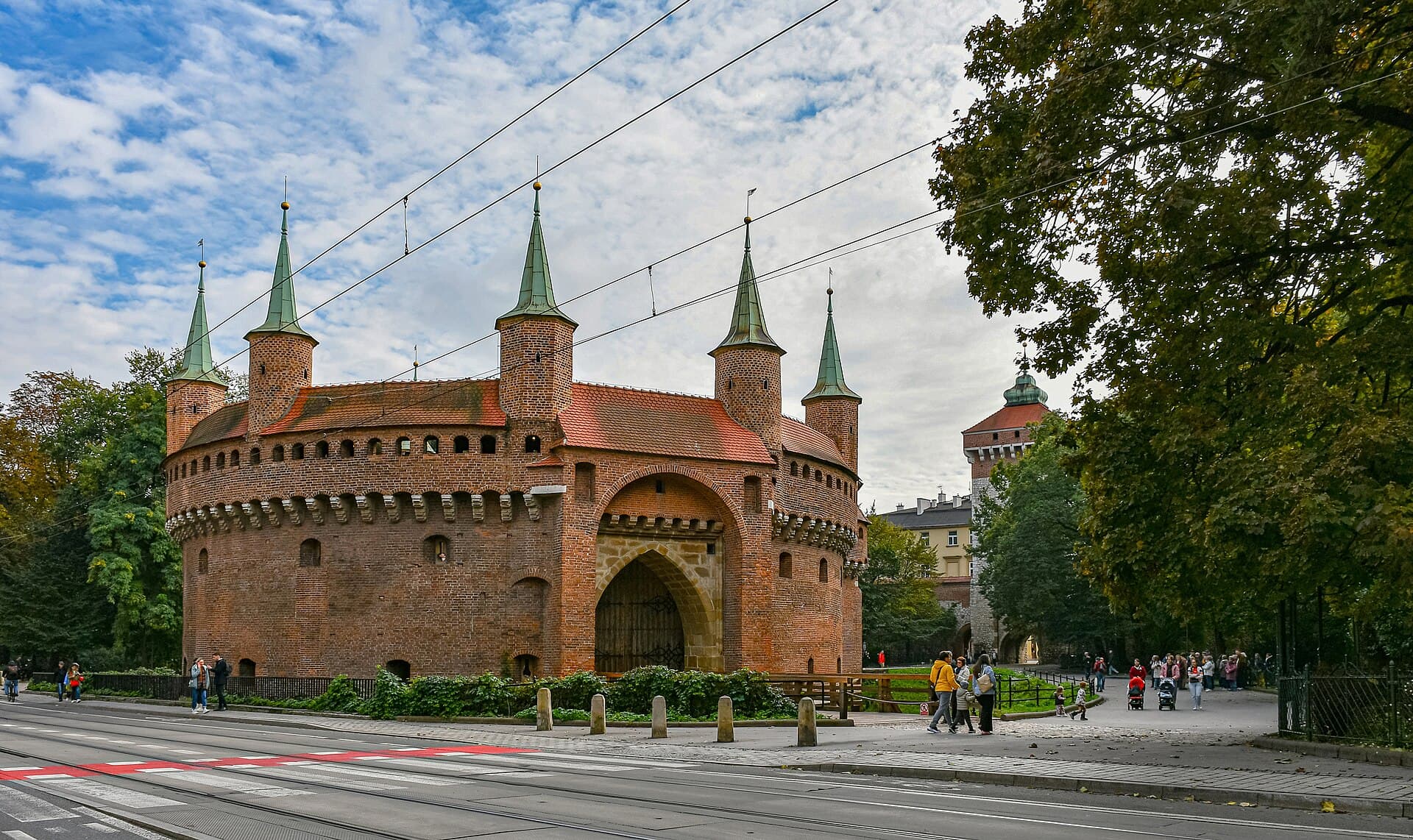 The Barbican, Florian Gate & PlantyThe Barbican is Krakow's war helmet: a round gate-fort (1498) of three-metre wal1 minute walk4.7
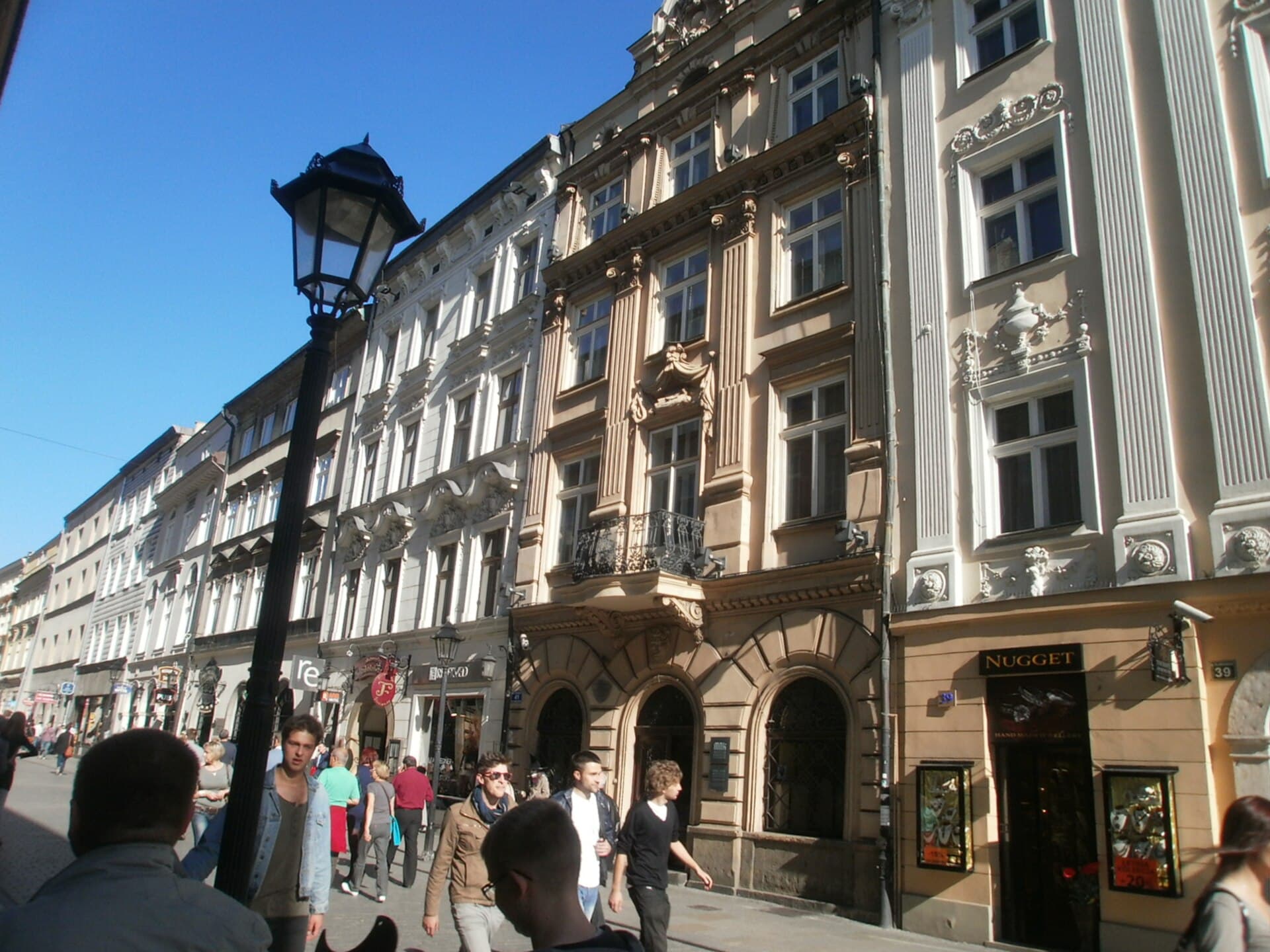 Jan Matejko HouseThe house of the painter Jan Matejko on Floriańska street in the old town, where2 minutes walk4.7
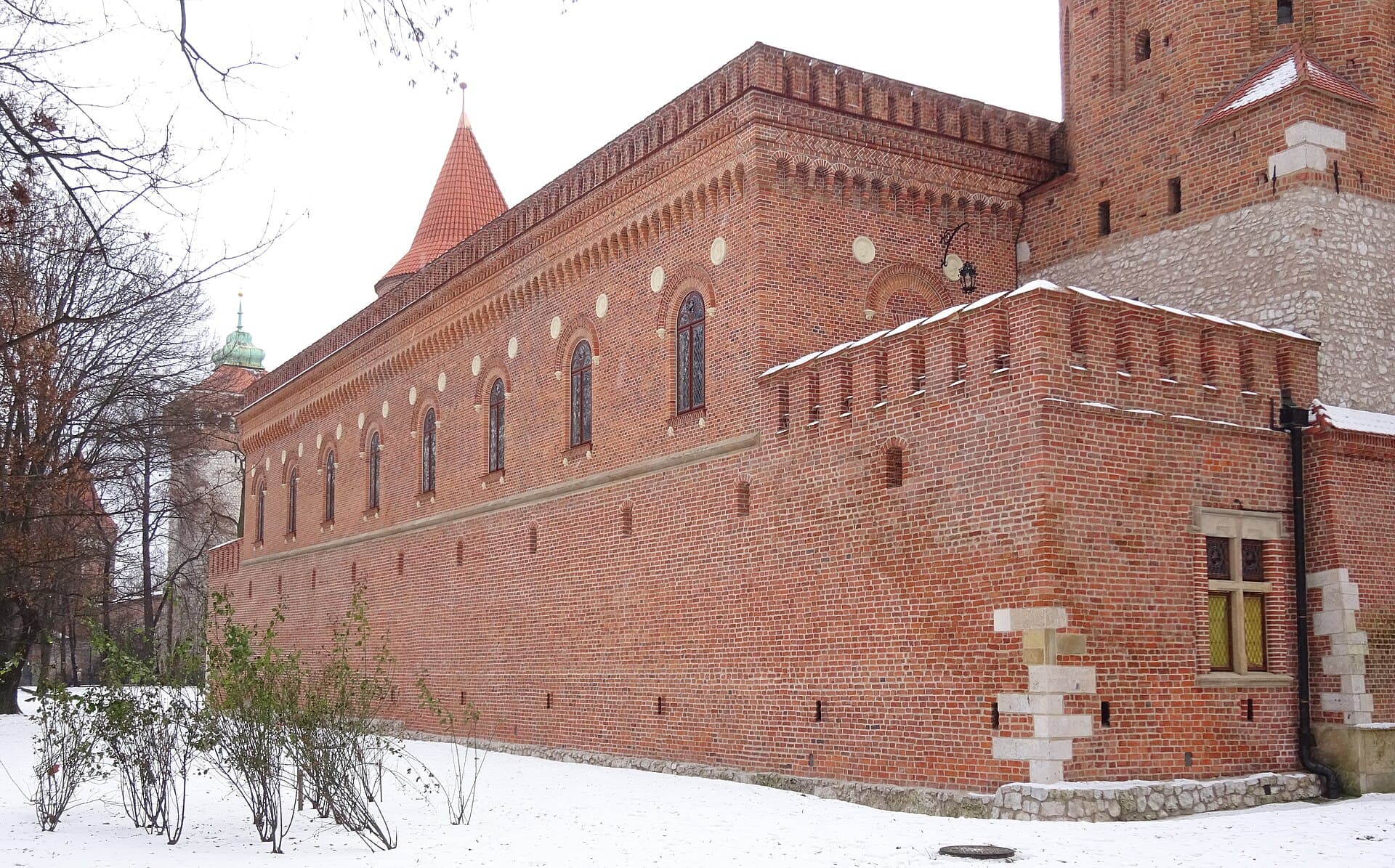 The City ArsenalA sixteenth-century arsenal building attached to Kraków's walls, today a branch 2 minutes walk4.8
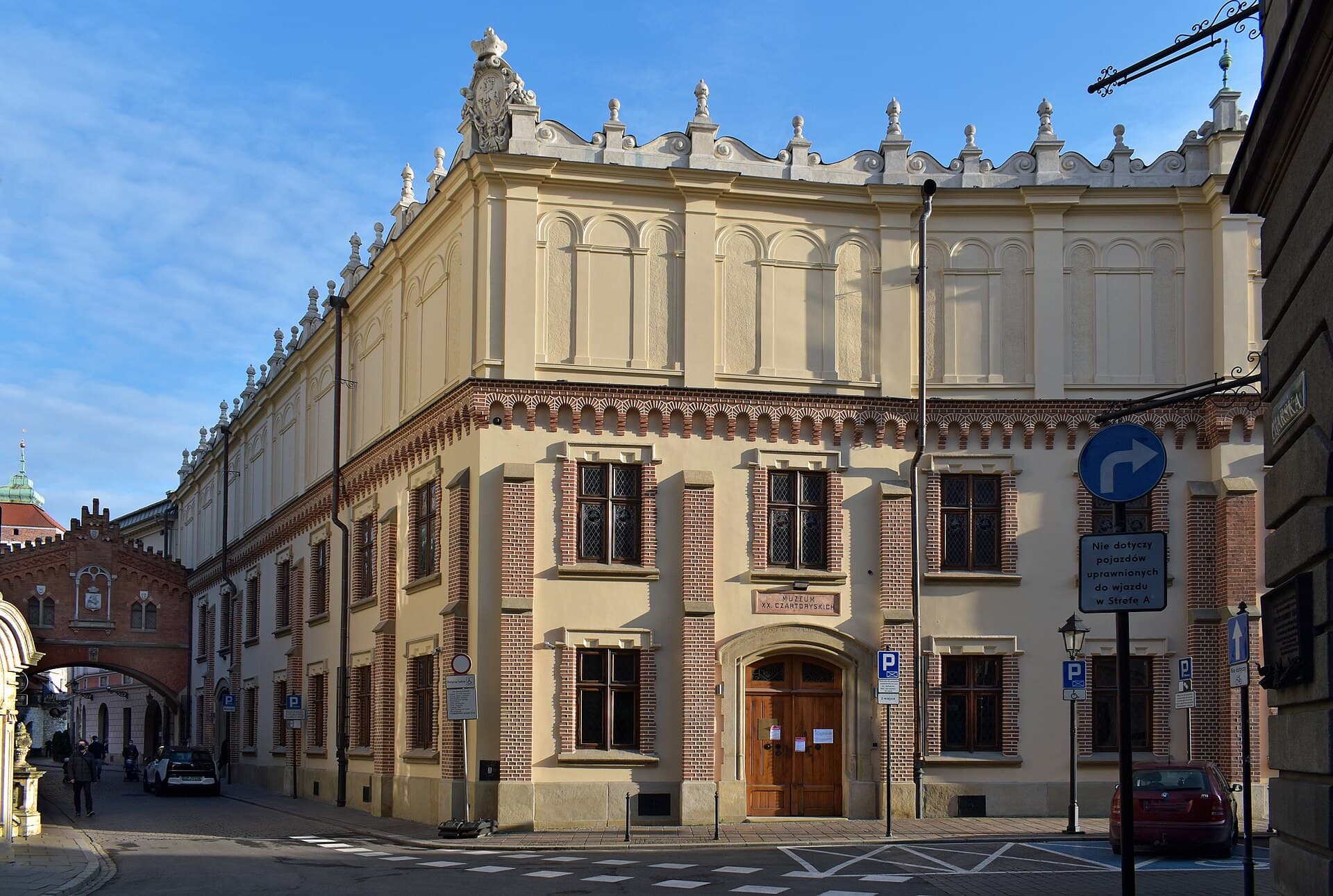 The Czartoryski Museum & the LeonardoThe Czartoryski is home of Poland's most famous painting: the Lady with an Ermin2 minutes walk4.9
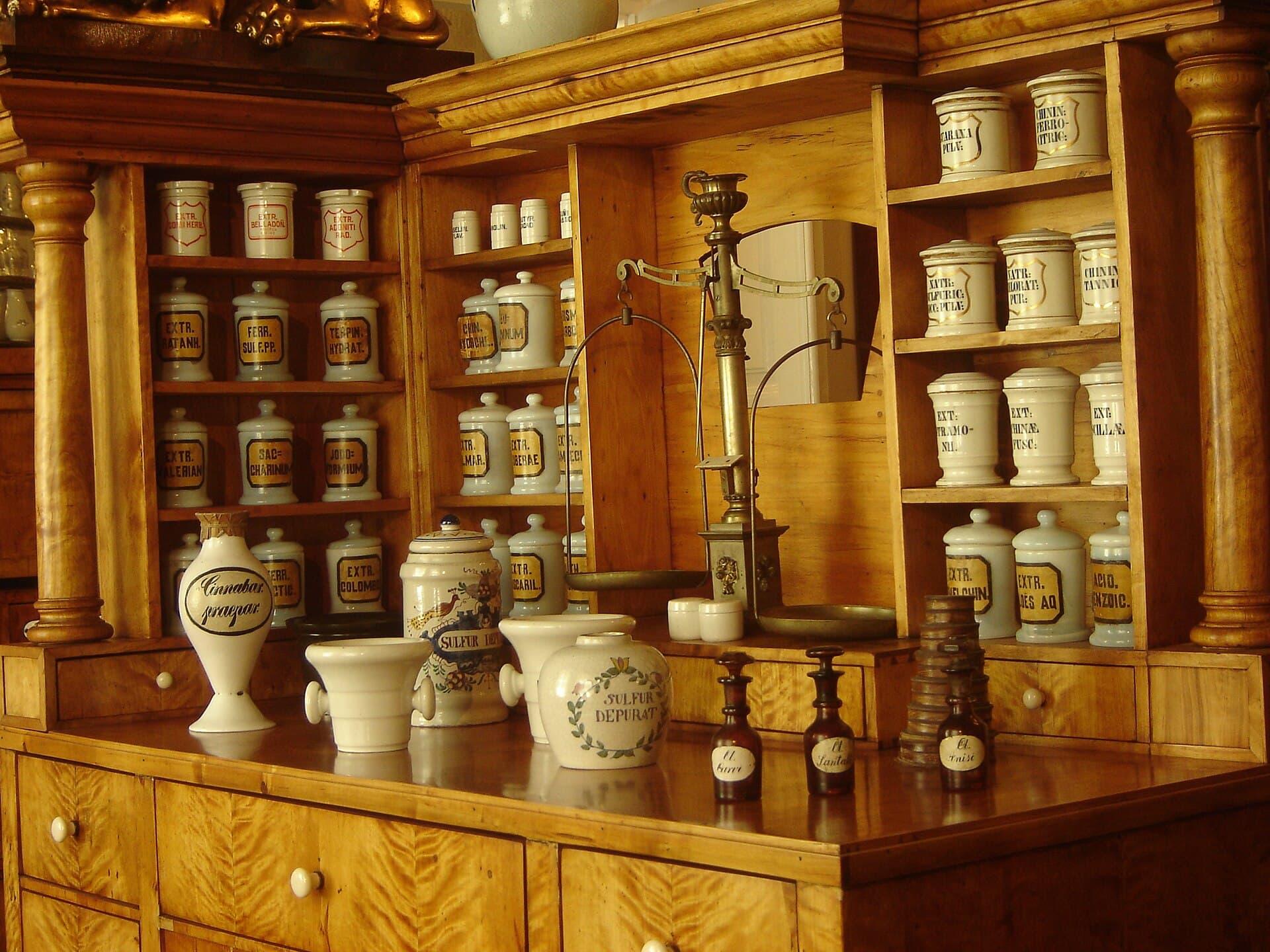 Museum of Pharmacy, KrakówA museum of the Jagiellonian University in a fifteenth-century house on Floriańs3 minutes walk4.8
A belt of gardens about four kilometres long encircling the whole of Kraków's old town, laid out in the early nineteenth century on the ground of the demolished wall and filled moat. It is between fifty and a hundred metres wide, with old trees, paths, monuments and ponds. Walking the full circuit takes about an hour, and it separates the old town from the modern districts clearly — you know you have entered the historic centre when you cross it.
The path the kings of Poland took in coronation and entry processions: it begins at St Florian's church to the north, through the Florian Gate and the Barbican, then Floriańska street to the main square, then Grodzka street south to Wawel hill with the cathedral and royal castle. It runs about two and a half kilometres and passes most of Kraków's monuments.