
The Barcaccia fountain
A marble boat foundering, carved in 1629 — its shape a fix for weak water pressure, its water drinkable.
Hugo DK — CC BY-SA 4.0 · Diego Delso — CC BY-SA 4.0 · Diego Delso — CC BY-SA 4.0 · Jebulon — CC0
The square at the foot of the Spanish Steps, named for the Spanish embassy to the Holy See that has overlooked it since the seventeenth century. It is the heart of Rome's luxury shopping district and the meeting point of four famous streets. At its centre sits the Barcaccia — the "sinking boat" fountain carved by Pietro Bernini and his father in 1629. Its odd shape is an engineering answer: water pressure here is weak, so the fountain was designed low, as a foundering boat, rather than with tall jets. Its water is drinkable — fill your bottle free, as Romans do. Via Condotti begins at the square: Italy's most famous shopping street, home to the great fashion houses and to Caffè Greco, open since 1760. In the corner beside the steps stands the house where the poet Keats died in 1821, now a small museum. The square is free and always open, and Spagna metro station on Line A opens directly onto it.
A marble boat foundering, carved in 1629 — its shape a fix for weak water pressure, its water drinkable.
Italy's most exclusive shopping street, with Caffè Greco trading since 1760 — worth the walk even just to look.
A small museum in the room where the poet died in 1821, looking straight onto the steps.
Piazza di Spagna, Rome
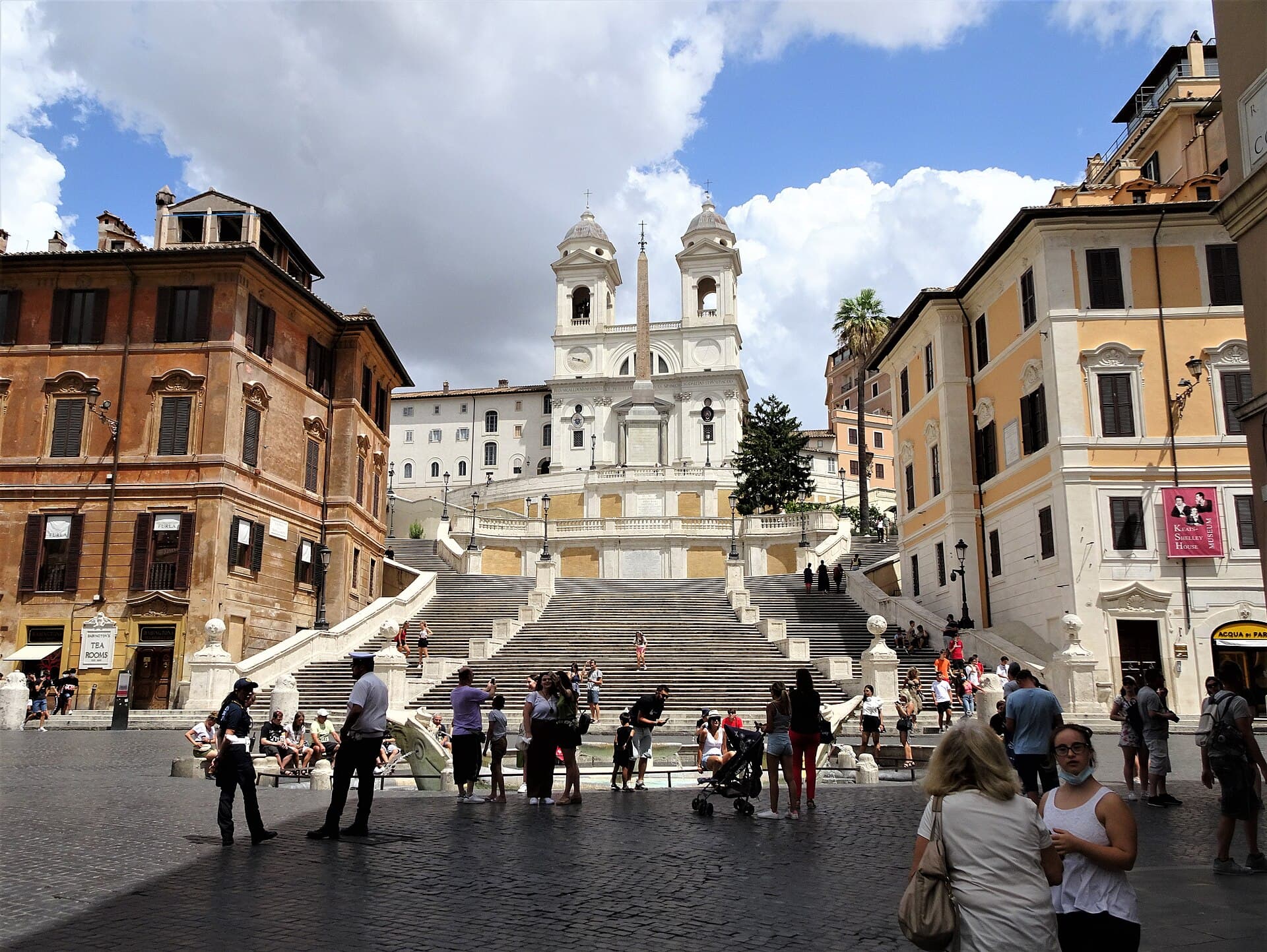 Spanish StepsOne hundred and thirty-five steps widening, narrowing and curving up from Piazza1 minute walk4.7
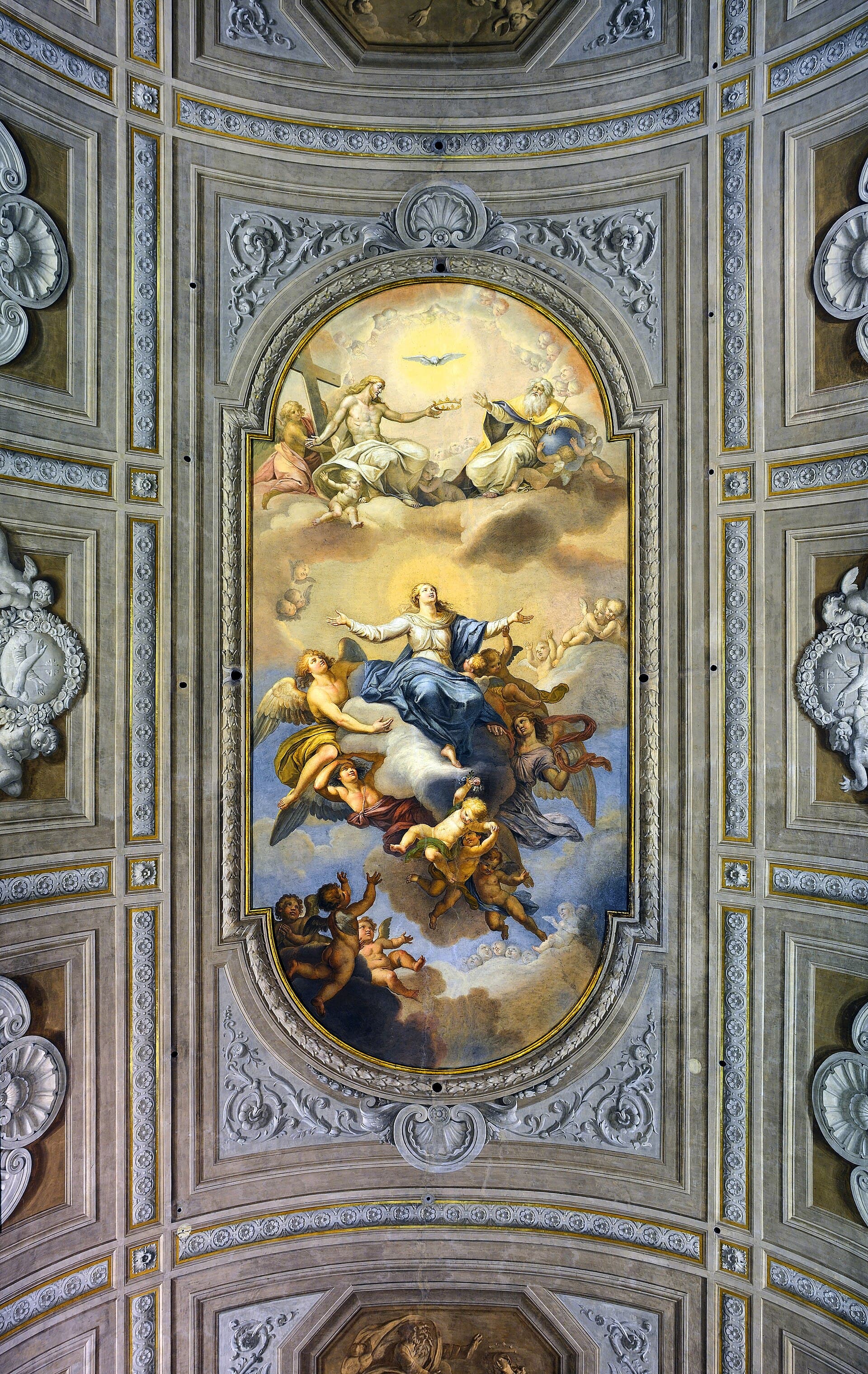 Santa Maria della Concezione dei CappucciniSix small rooms beneath the Capuchin church, their walls and ceilings decorated 7 minutes walk4.7
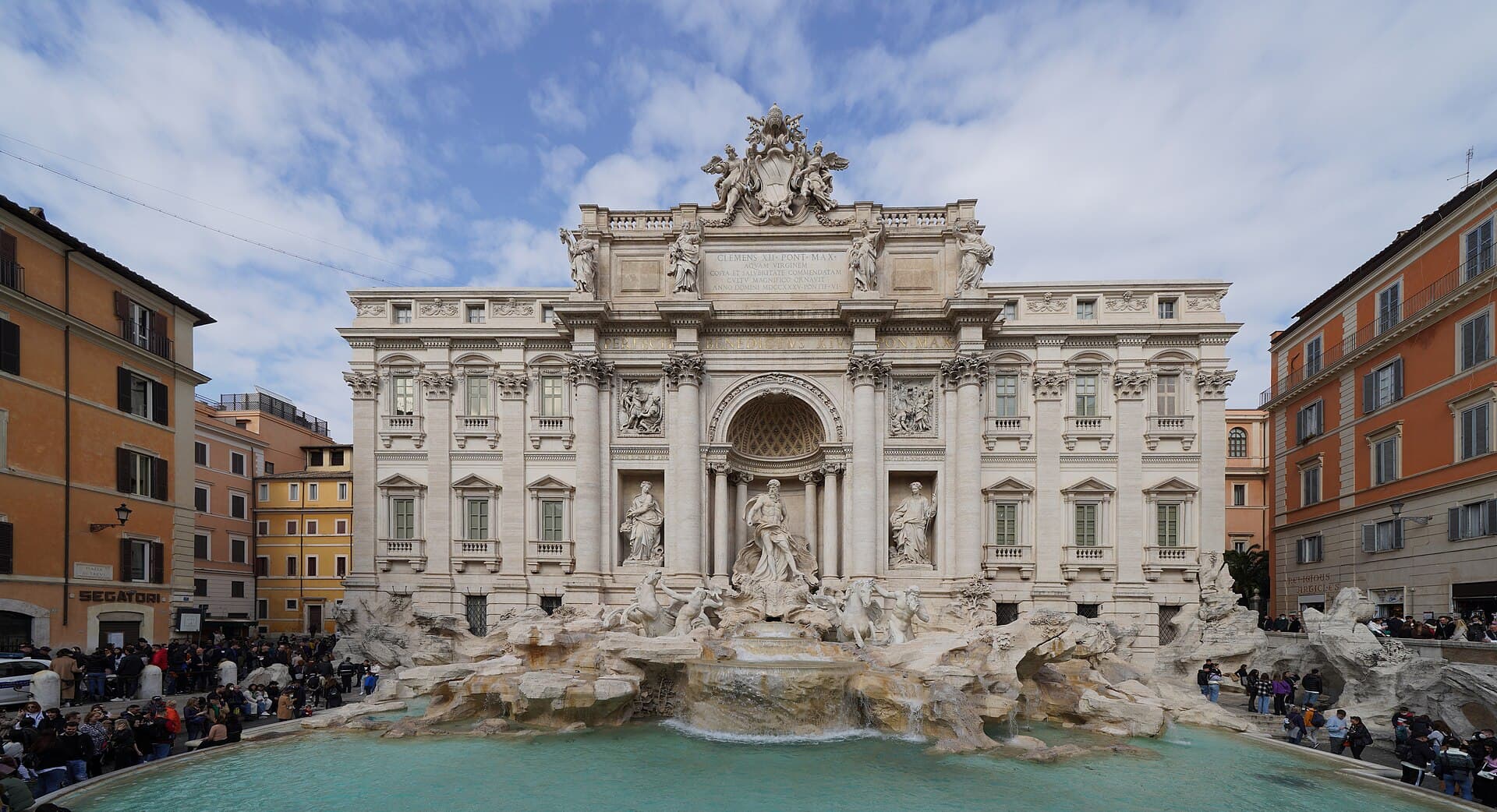 Trevi FountainYou hear it before you see it: water roaring down a narrow lane, and then the vi7 minutes walk4.8
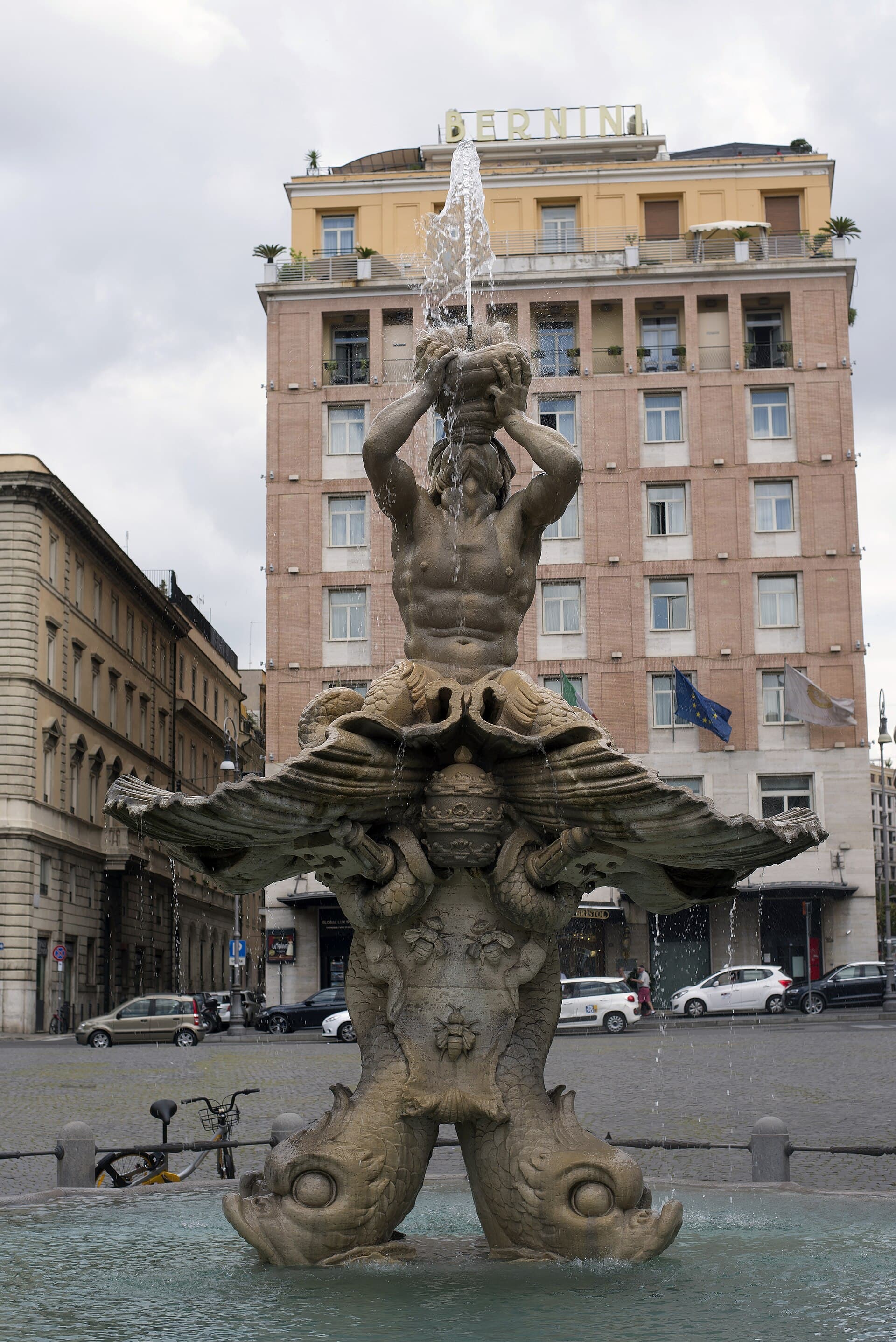 Triton FountainBernini's fountain at the centre of Piazza Barberini, carved in 1643 for Pope Ur7 minutes walk4.7
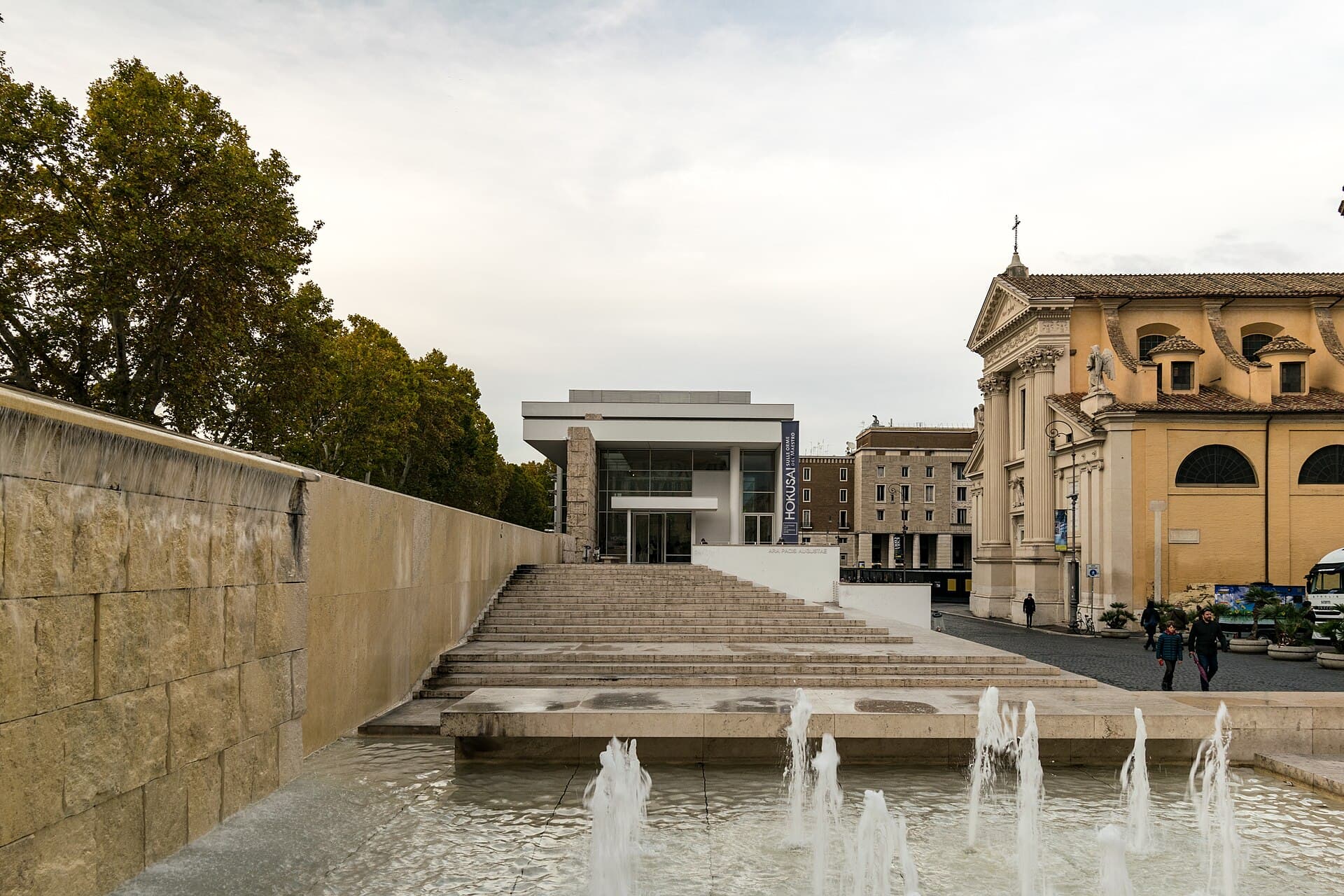 Museum of the Ara PacisThe Altar of Peace, commissioned by the Senate in 13 BC to honour Augustus on hi8 minutes walk4.6
Looking for halal food near Piazza di Spagna? There are several options nearby, from Moroccan and Indian kitchens to quick casual spots and places with a view. Confirm the halal status and opening hours before you go — these can change.
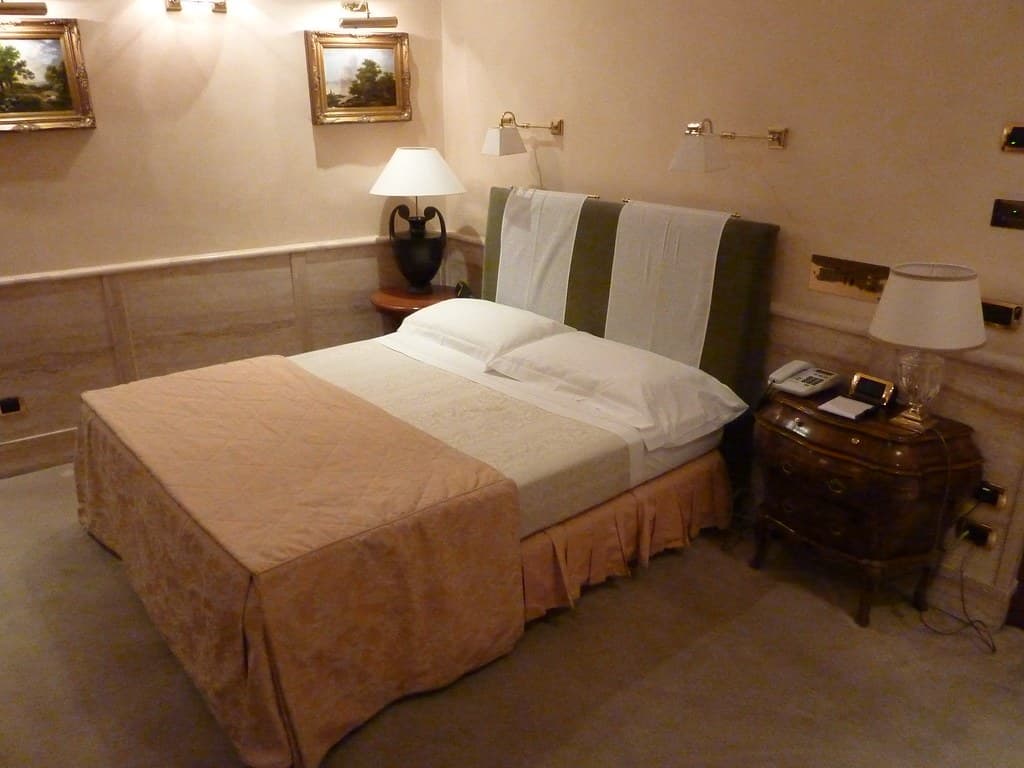 Hotel BaroccoA four-star hotel looking directly onto Piazza Barberini and Bernini's Triton Fo7 minutes walk · $$$$4.9The St. Regis RomeRome's oldest grand hotel and its most historic: opened in January 1894 as the G13 minutes walk · $$$$4.8
The piazza is the lower level, with the Barcaccia fountain and the shopping streets; the steps climb from it to the church of Trinità dei Monti. You see both in one visit.