
The view from the top
From Trinità dei Monti, Rome's rooftops open out with Via dei Condotti running straight below — the best shot of the whole quarter.
Hugo DK — CC BY-SA 4.0 · Falk2 — CC BY-SA 4.0 · Falk2 — CC BY-SA 4.0 · Ben Skála, Benfoto — CC BY-SA 3.0
One hundred and thirty-five steps widening, narrowing and curving up from Piazza di Spagna to the church of Trinità dei Monti — not merely a staircase but a piece of Baroque architecture designed in 1725 as a stage for people to sit on. And sit they did, for three centuries, until the city banned it in 2019 to protect the marble. At the base sits the Barcaccia: a fountain shaped like a sinking boat, carved by Pietro Bernini (father of the more famous one), inspired by a Tiber flood that pushed a boat into the square. At the top stand an Egyptian obelisk and a view over Rome's rooftops that justifies the climb alone. The surrounding quarter is luxury shopping: Via dei Condotti runs straight from the steps, carrying Italy's great fashion houses. In April the steps are banked with flowers, an annual set-piece photographers know well. Remember the new rule: standing and photographing are fine; sitting or eating on the steps draws a fine.
From Trinità dei Monti, Rome's rooftops open out with Via dei Condotti running straight below — the best shot of the whole quarter.
A sinking marble boat at the base, its water drinkable like Rome's other fountains — refill your bottle free.
The pink house right of the steps where the poet John Keats died in 1821 — a small quiet museum that readers, and few others, seek out.
Piazza di Spagna, Rome
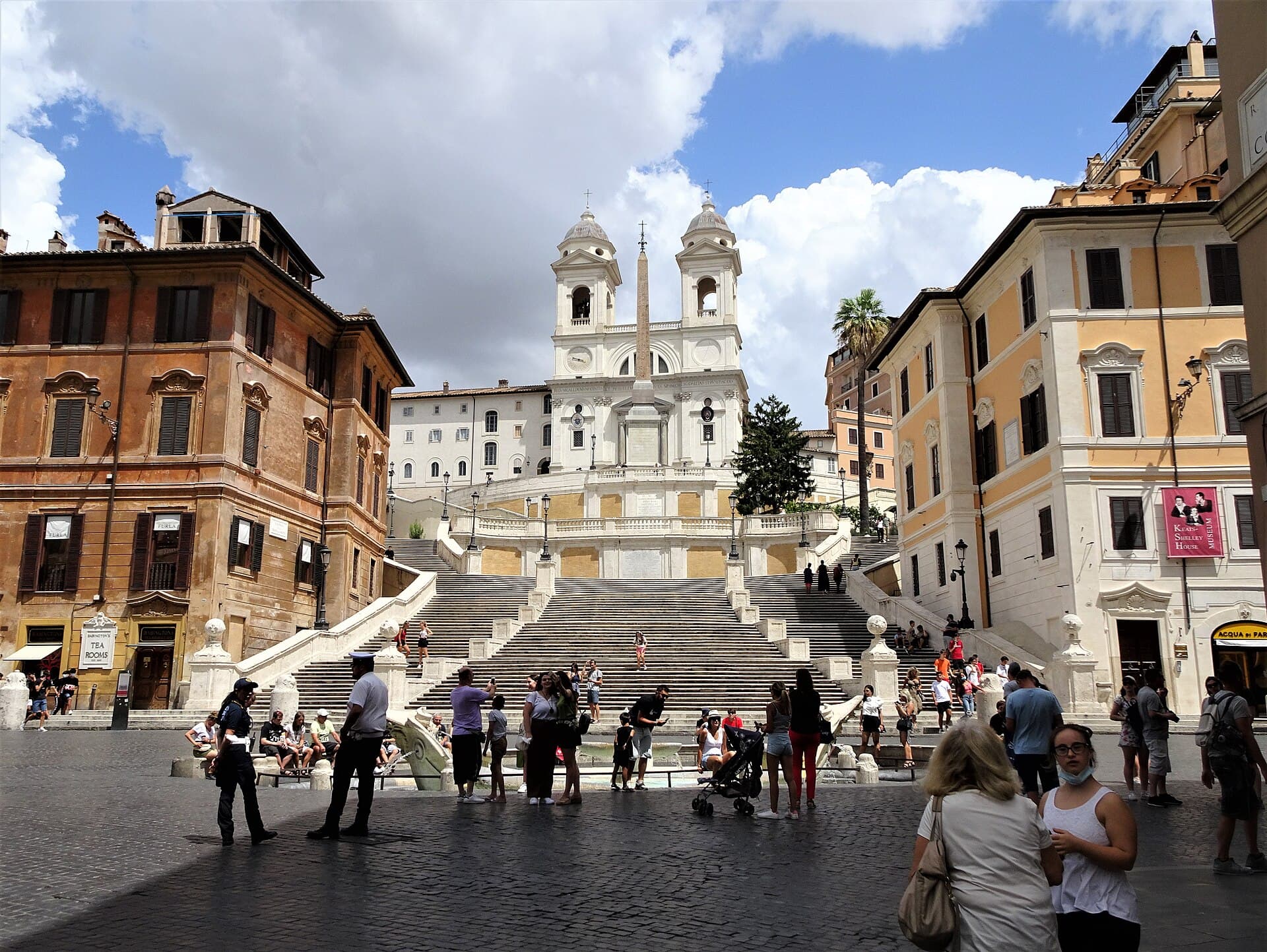 Piazza di SpagnaThe square at the foot of the Spanish Steps, named for the Spanish embassy to th1 minute walk4.6
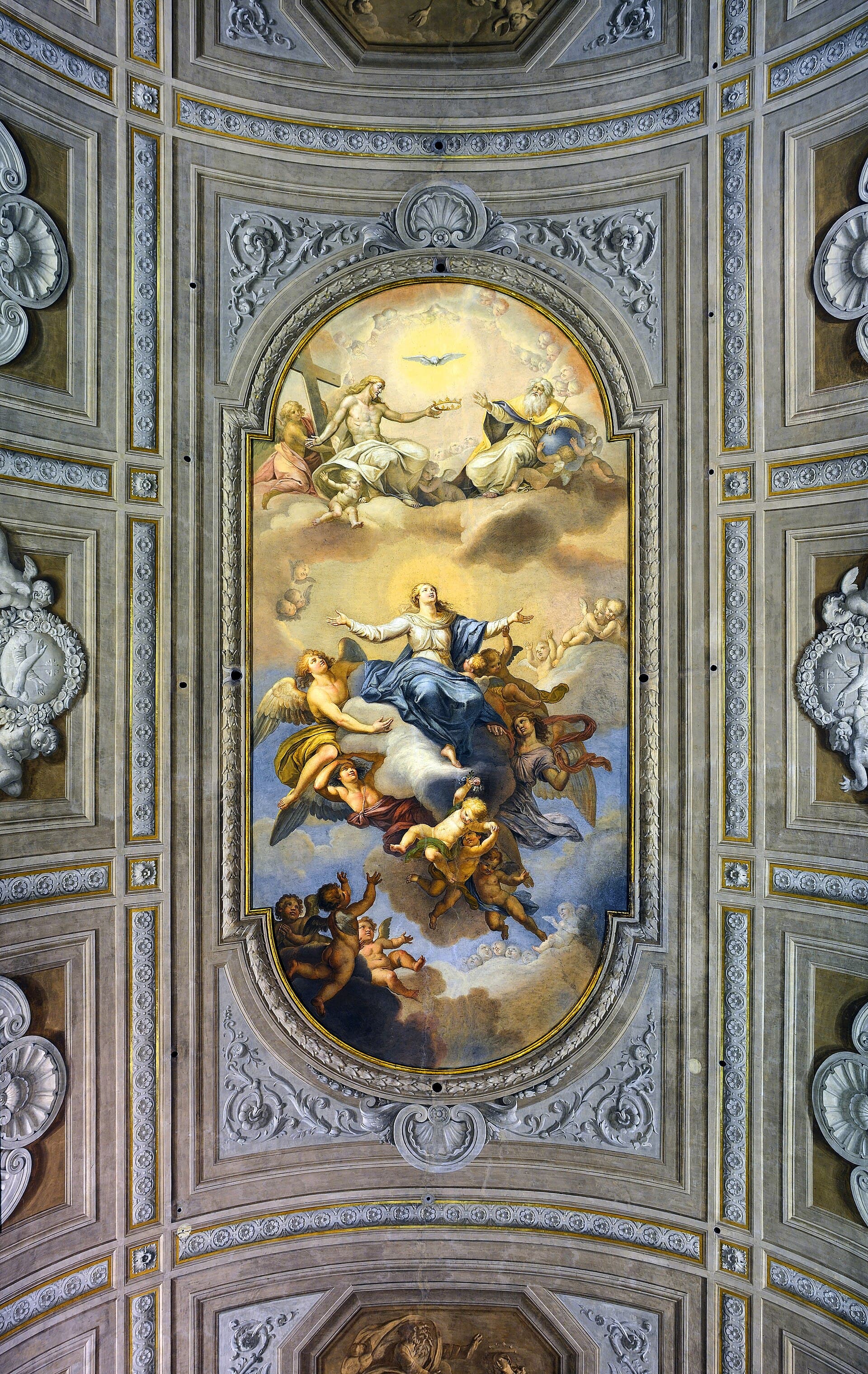 Santa Maria della Concezione dei CappucciniSix small rooms beneath the Capuchin church, their walls and ceilings decorated 6 minutes walk4.7
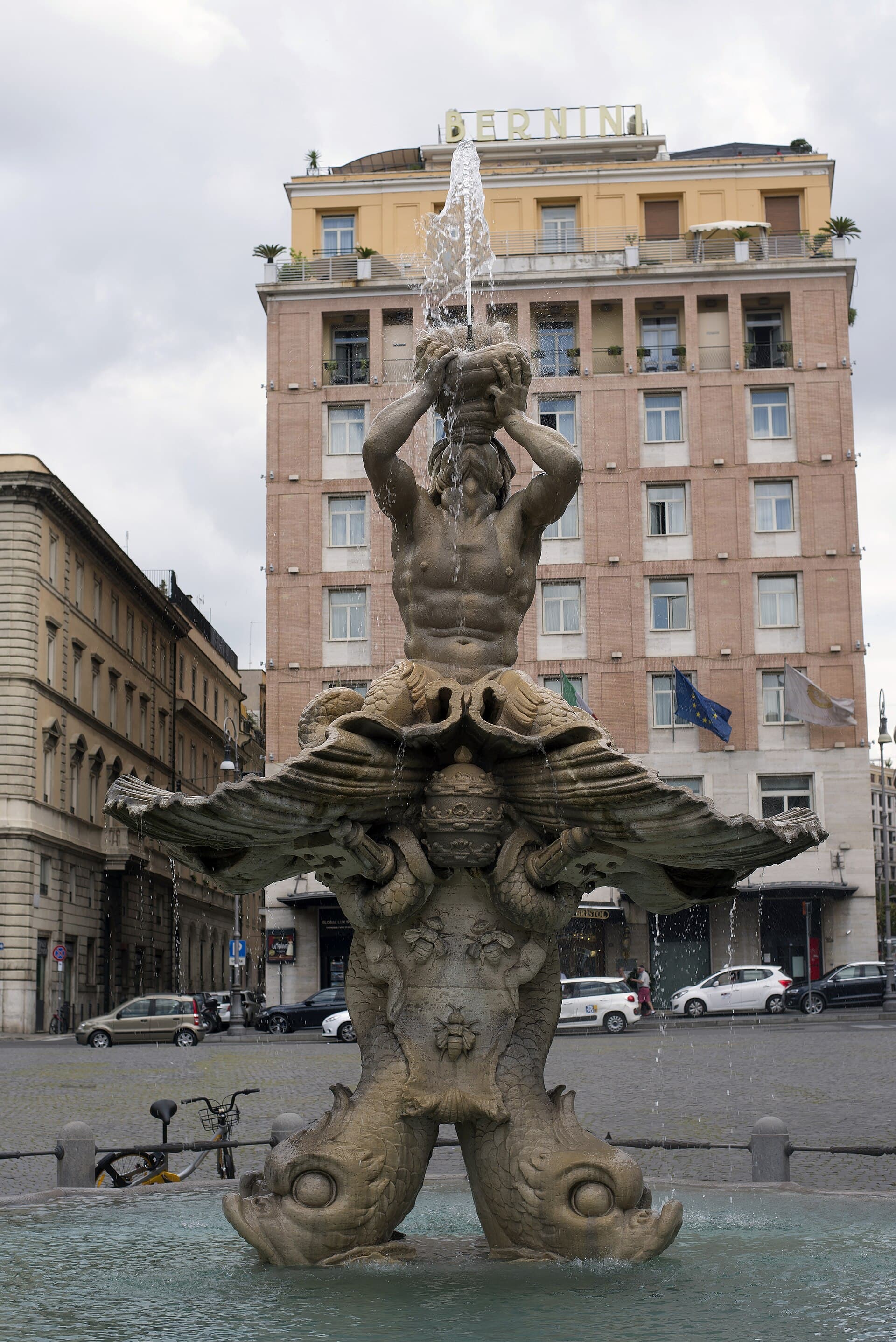 Triton FountainBernini's fountain at the centre of Piazza Barberini, carved in 1643 for Pope Ur7 minutes walk4.7
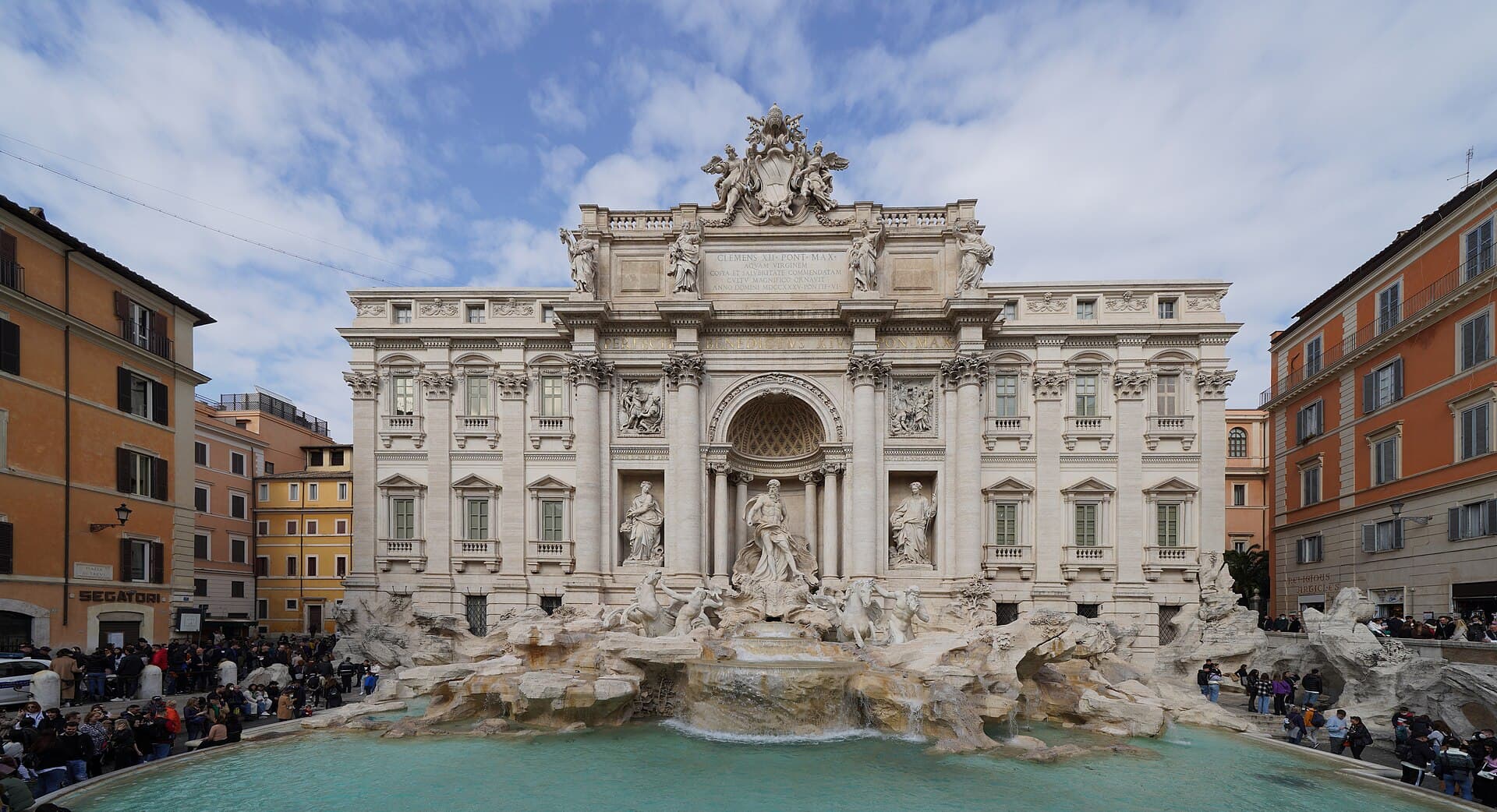 Trevi FountainYou hear it before you see it: water roaring down a narrow lane, and then the vi7 minutes walk4.8
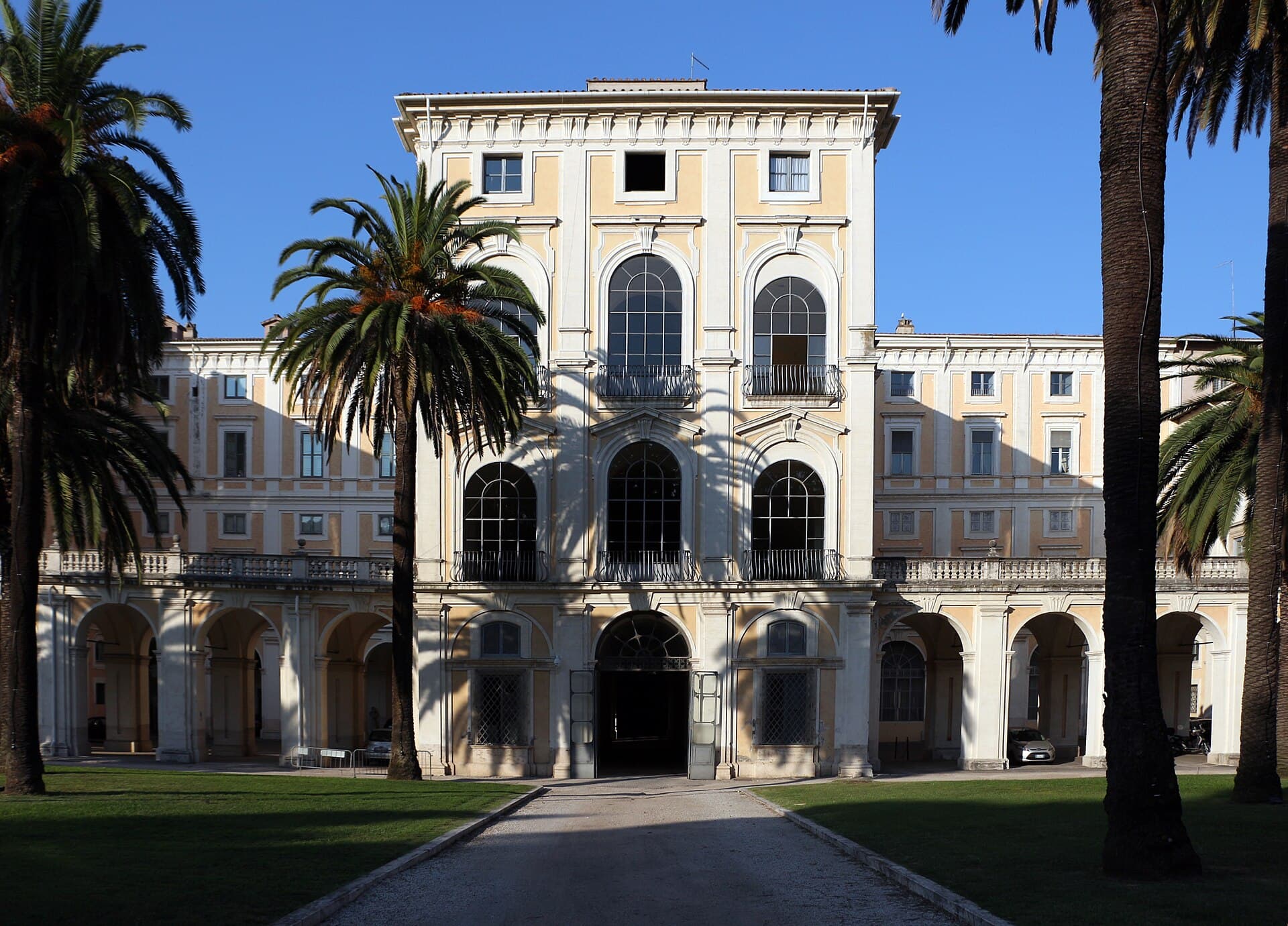 Galleria Nazionale d'Arte AnticaA Baroque palace built for the family of Pope Urban VIII by three of the sevente8 minutes walk4.7
Looking for halal food near Spanish Steps? There are several options nearby, from Moroccan and Indian kitchens to quick casual spots and places with a view. Confirm the halal status and opening hours before you go — these can change.
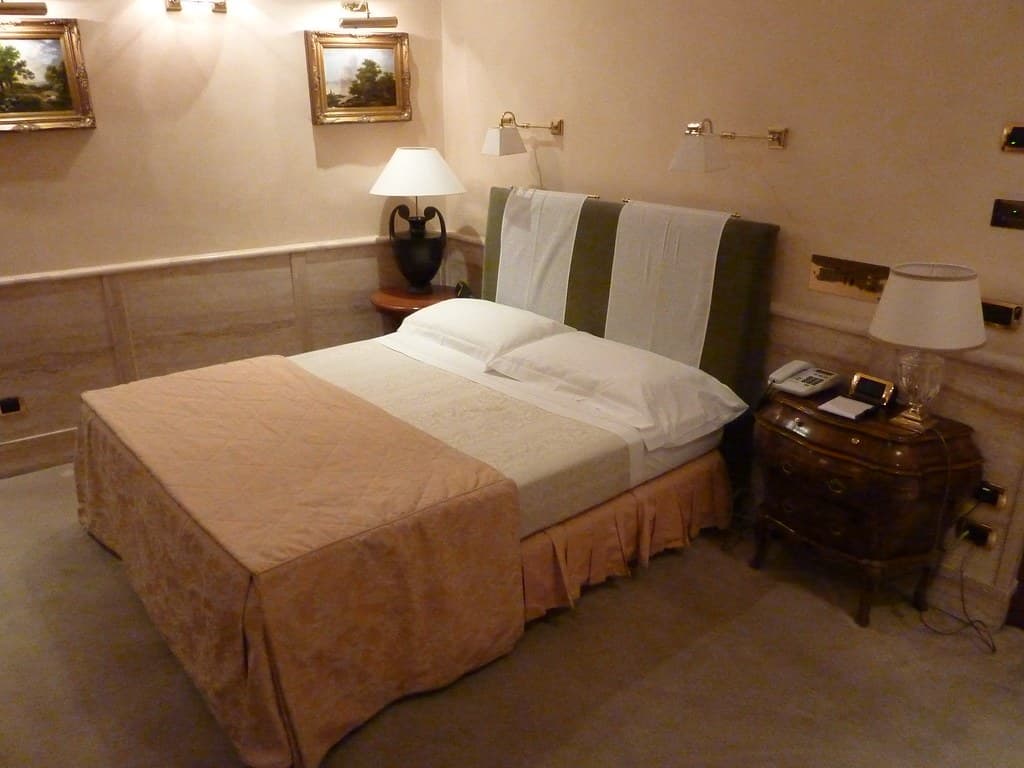 Hotel BaroccoA four-star hotel looking directly onto Piazza Barberini and Bernini's Triton Fo6 minutes walk · $$$$4.9The St. Regis RomeRome's oldest grand hotel and its most historic: opened in January 1894 as the G13 minutes walk · $$$$4.8
Yes, as a short stop: twenty minutes for the climb, the view and the fountain. But if you pictured sitting with gelato as in the films, that is no longer possible — use the surrounding cafés instead.
The piazza is the lower level with the Barcaccia and the metro; the steps climb from it to the church. In practice both names describe the same spot, one step apart.