The Augustan procession
Individual faces of the emperor's family and the state priests — the first imperial relief to portray real people.
Rabax63 — CC BY-SA 4.0 · Palickap — CC BY-SA 4.0 · Council — Public domain · Erik Drost — CC BY 2.0
The Altar of Peace, commissioned by the Senate in 13 BC to honour Augustus on his return from Spain and Gaul and finished in 9 BC — a marble monument the size of a room whose outer walls carry the finest relief carving to survive from the Augustan age. One side shows a state procession with Augustus, his family and the priests of the cult, their faces individual and identifiable — the first time an imperial procession was carved as real people rather than symbols. The other side is a fertility panel dense with plants and animals: political advertising for the prosperity brought by the Roman peace. The altar had been scattered across Europe and was reassembled in the 1930s. The glass building that houses it was designed by Richard Meier in 2006 and caused fierce argument, being the first modern structure in Rome's historic centre in decades. Next door, the Mausoleum of Augustus has been restored and opened to visitors — the two combine well in one outing.
Individual faces of the emperor's family and the state priests — the first imperial relief to portray real people.
Plants and animals in astonishing detail — propaganda for the wealth of the Roman peace, carved in marble.
The emperor's vast circular tomb, reopened after a long restoration — combine it with the altar.
Lungotevere in Augusta, Rome
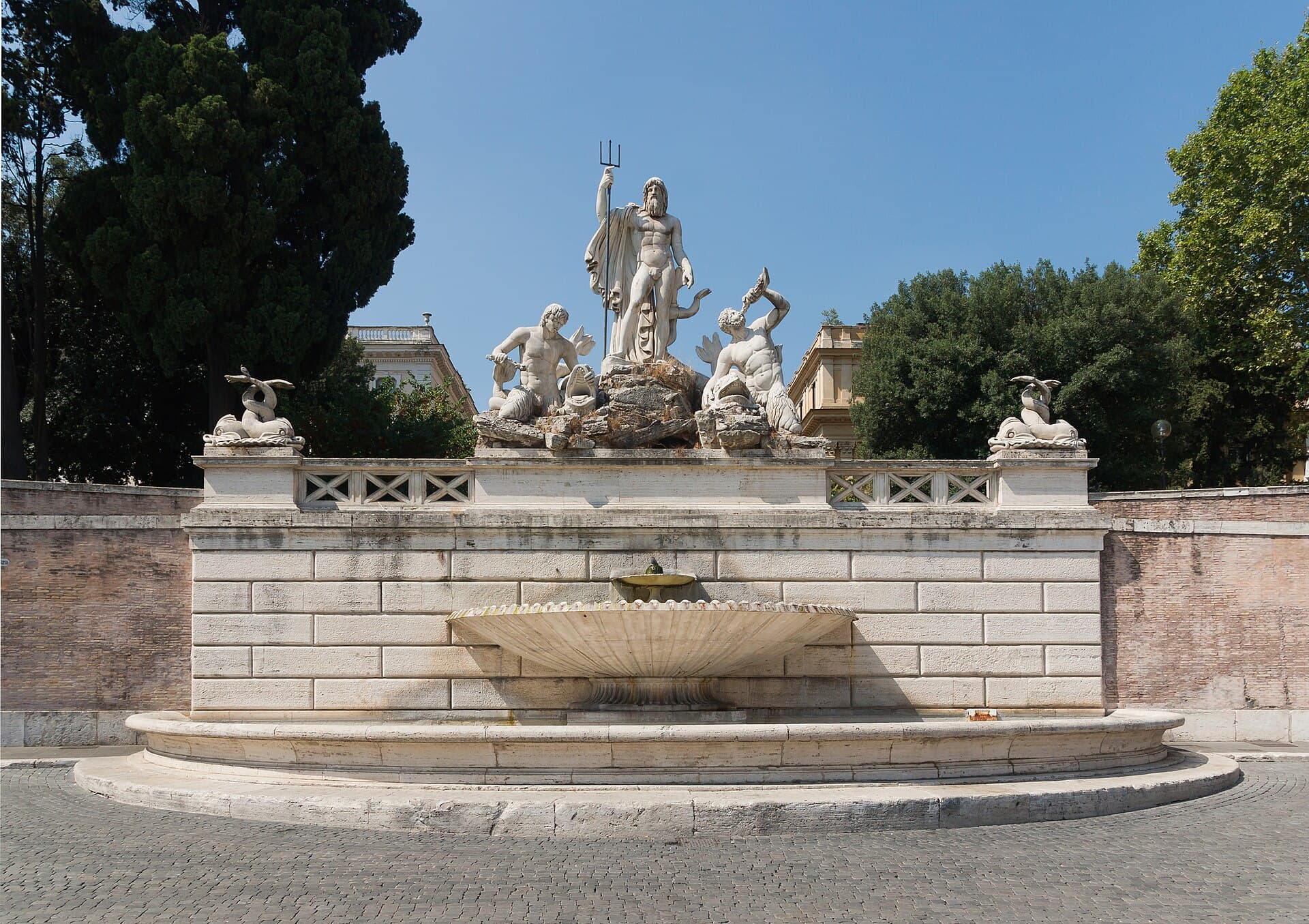 Fontana del Nettuno, Piazza del PopoloThis square was Rome's northern gate: for centuries everyone arriving from Europ4 minutes walk4.8
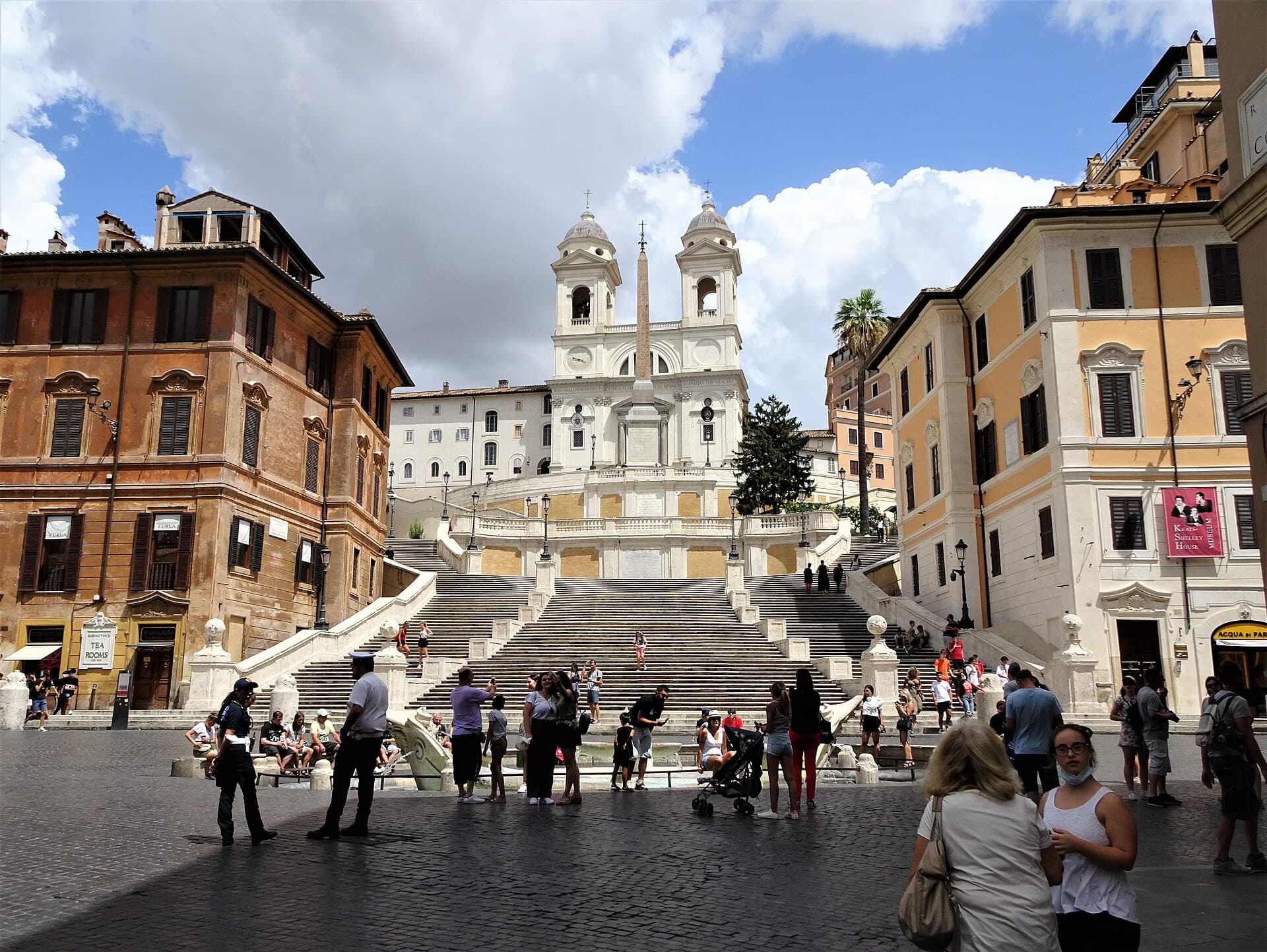 Piazza di SpagnaThe square at the foot of the Spanish Steps, named for the Spanish embassy to th8 minutes walk4.6
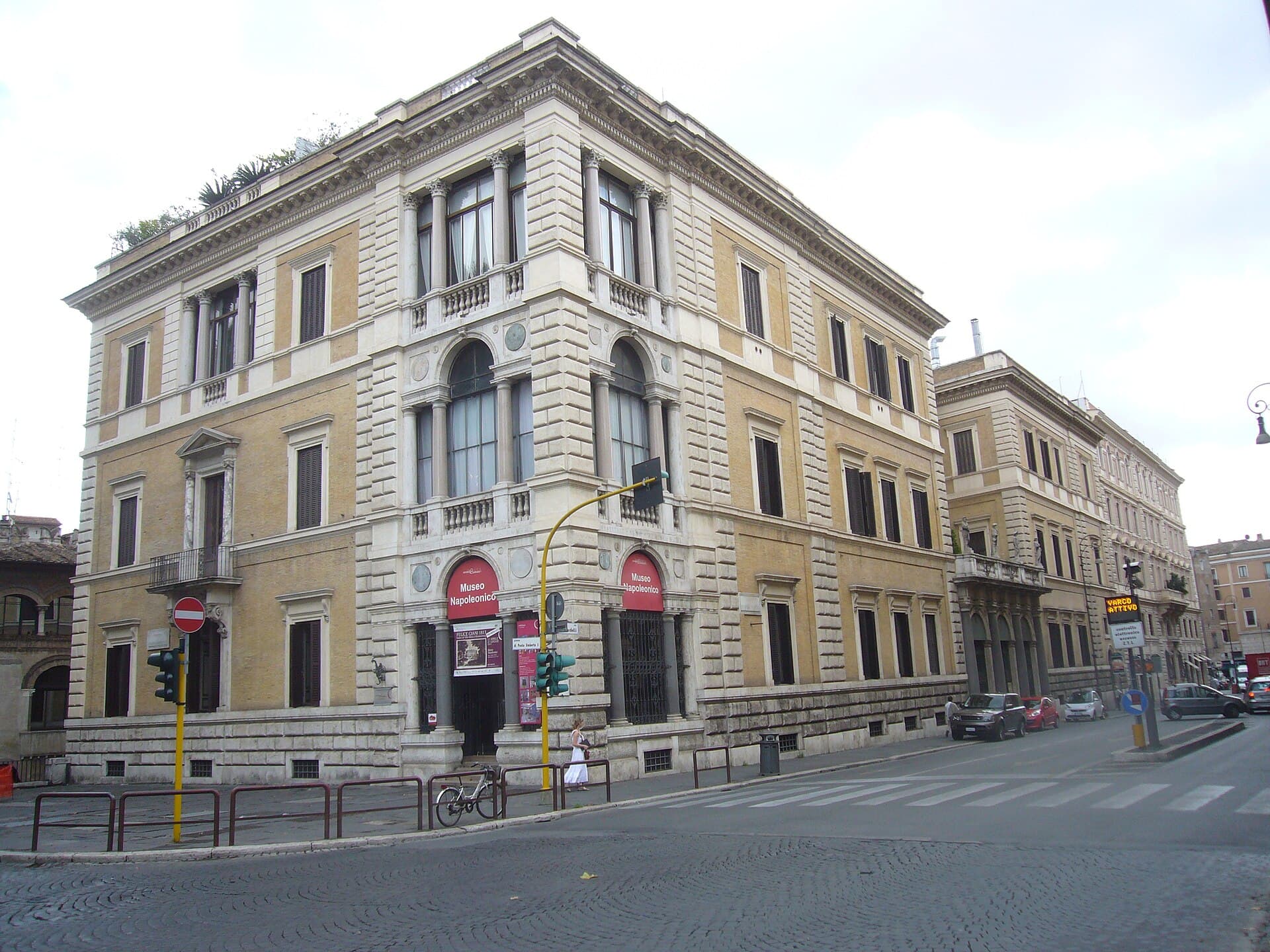 The Napoleonic MuseumA museum on the ground floor of the Palazzo Primoli near Piazza Navona, devoted 8 minutes walk4.6
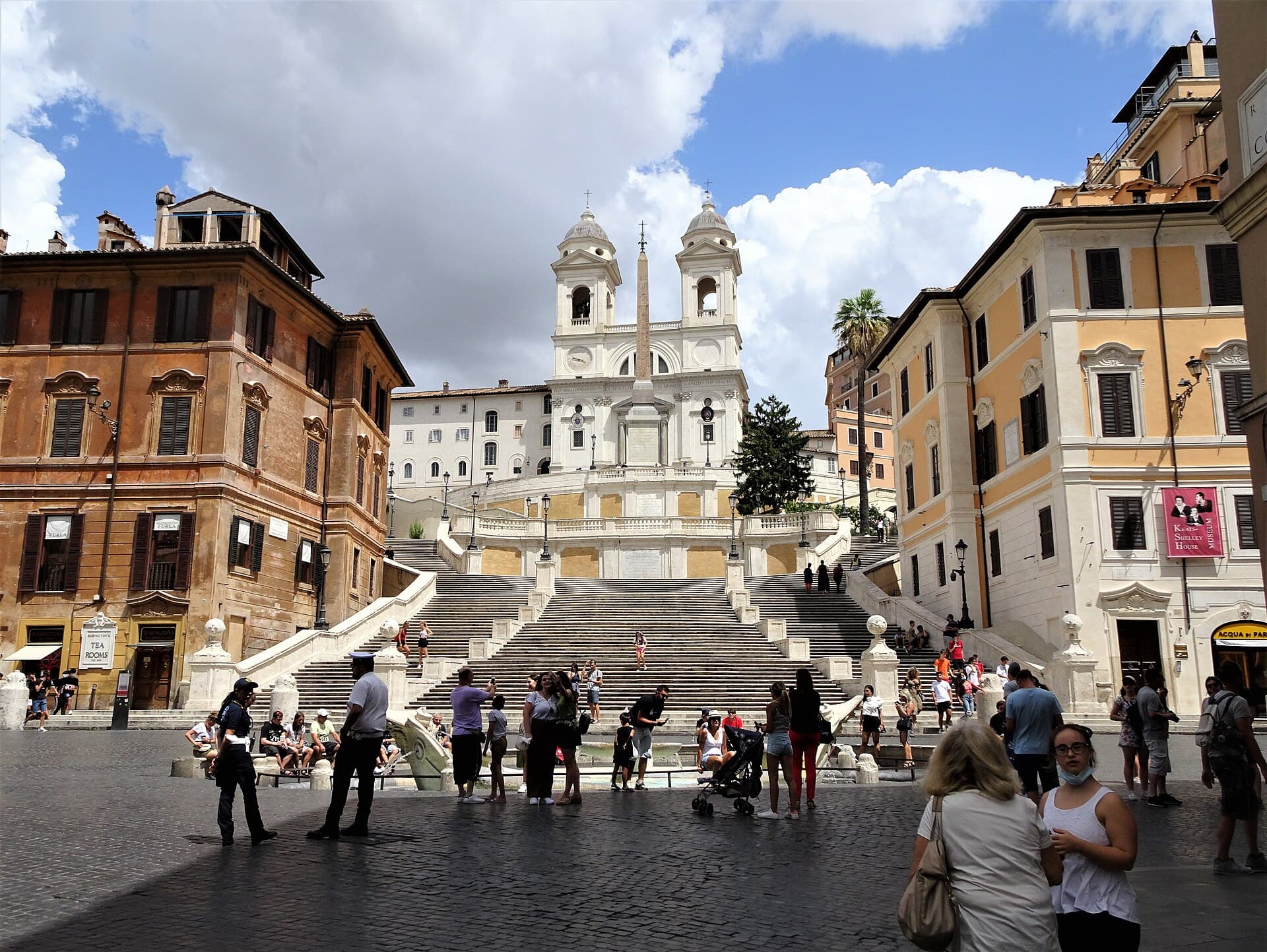 Spanish StepsOne hundred and thirty-five steps widening, narrowing and curving up from Piazza9 minutes walk4.7
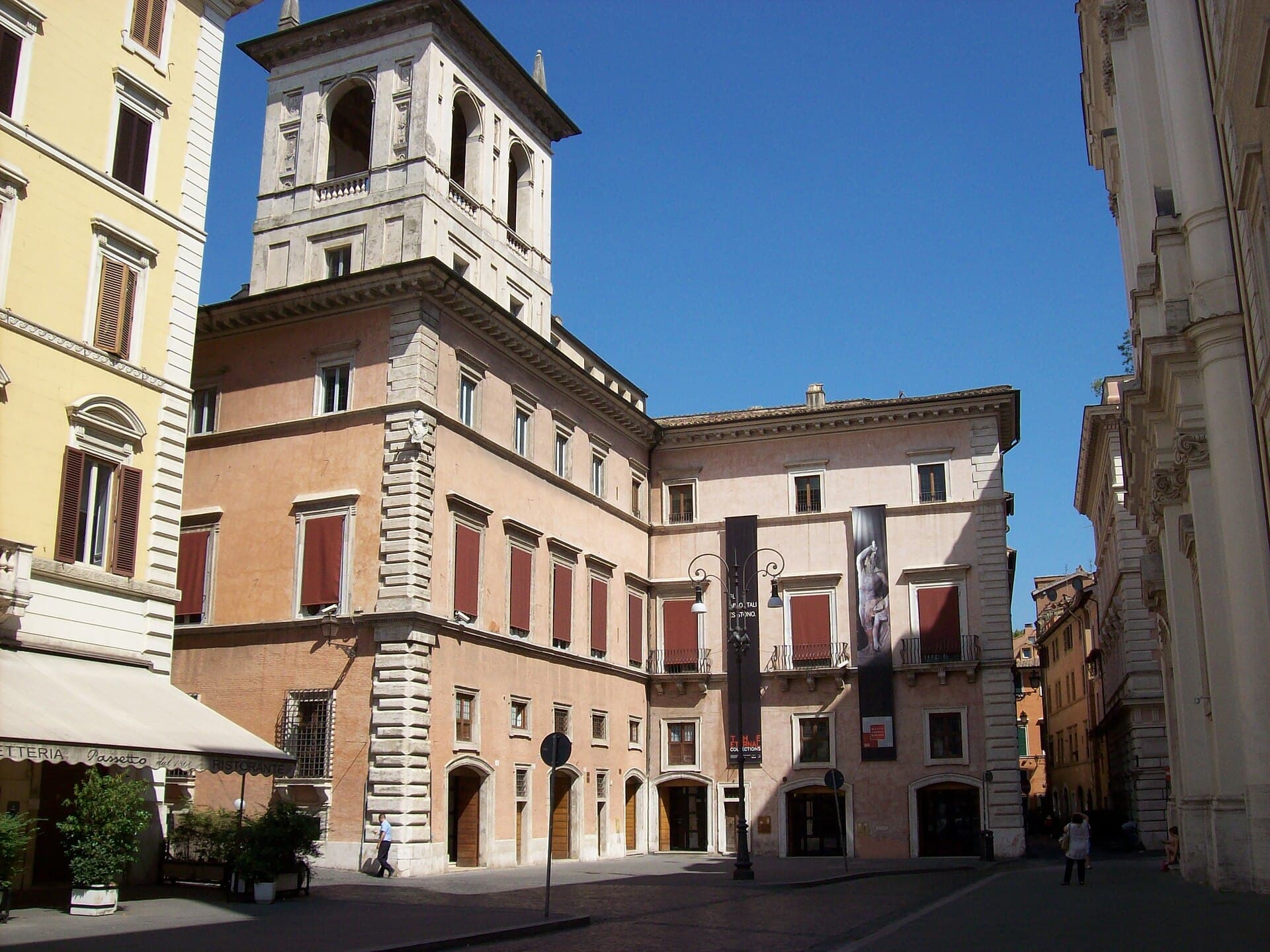 Palazzo AltempsIn one of the upstairs rooms the god of war sits naked and at ease, his sword se9 minutes walk4.7
Looking for halal food near Museum of the Ara Pacis? There are several options nearby, from Moroccan and Indian kitchens to quick casual spots and places with a view. Confirm the halal status and opening hours before you go — these can change.
If you care about Roman sculpture or the Augustan age specifically, yes — you will not see relief carving of this quality elsewhere. On a short first visit to Rome, it can wait.