
Avenues radiating from a circle
Marseille expanded on a Haussmannian pattern at a smaller scale.
Hombrey — CC BY-SA 4.0 · Carl Ha — CC BY-SA 4.0 · Carl Ha — CC BY-SA 4.0 · Chabe01 — CC BY-SA 4.0
A large circular square south of central Marseille where several main avenues meet, one of the city's principal junctions and a major metro station. At its centre stands the Cantini fountain, a monumental marble work of the late nineteenth century given to the city by a wealthy merchant, with figures representing rivers and emblems of the city. It is among the largest monuments raised in Marseille in that period. The square explains something about how Marseille is built: the city expanded in the nineteenth century along wide avenues radiating from circular points, in the manner of Haussmann's Paris but at a smaller scale. Castellane is one of those points, and the Rue de Rome running from it to the old port is the main axis. A plain practical point: this is a square of traffic and movement, not a place to sit. Free and always open, and the visit is minutes. You pass it inevitably if you use the metro or walk south towards the Prado or the Catalans beach.
Marseille expanded on a Haussmannian pattern at a smaller scale.
The fountain is among the largest monuments raised in the city in the 1800s.
A square of traffic and transport — minutes are enough.
South of central Marseille, where the main avenues meet
 Musée CantiniThe Cantini is Marseille's treasury of modern art: in an elegant seventeenth-cen10 minutes walk4.2
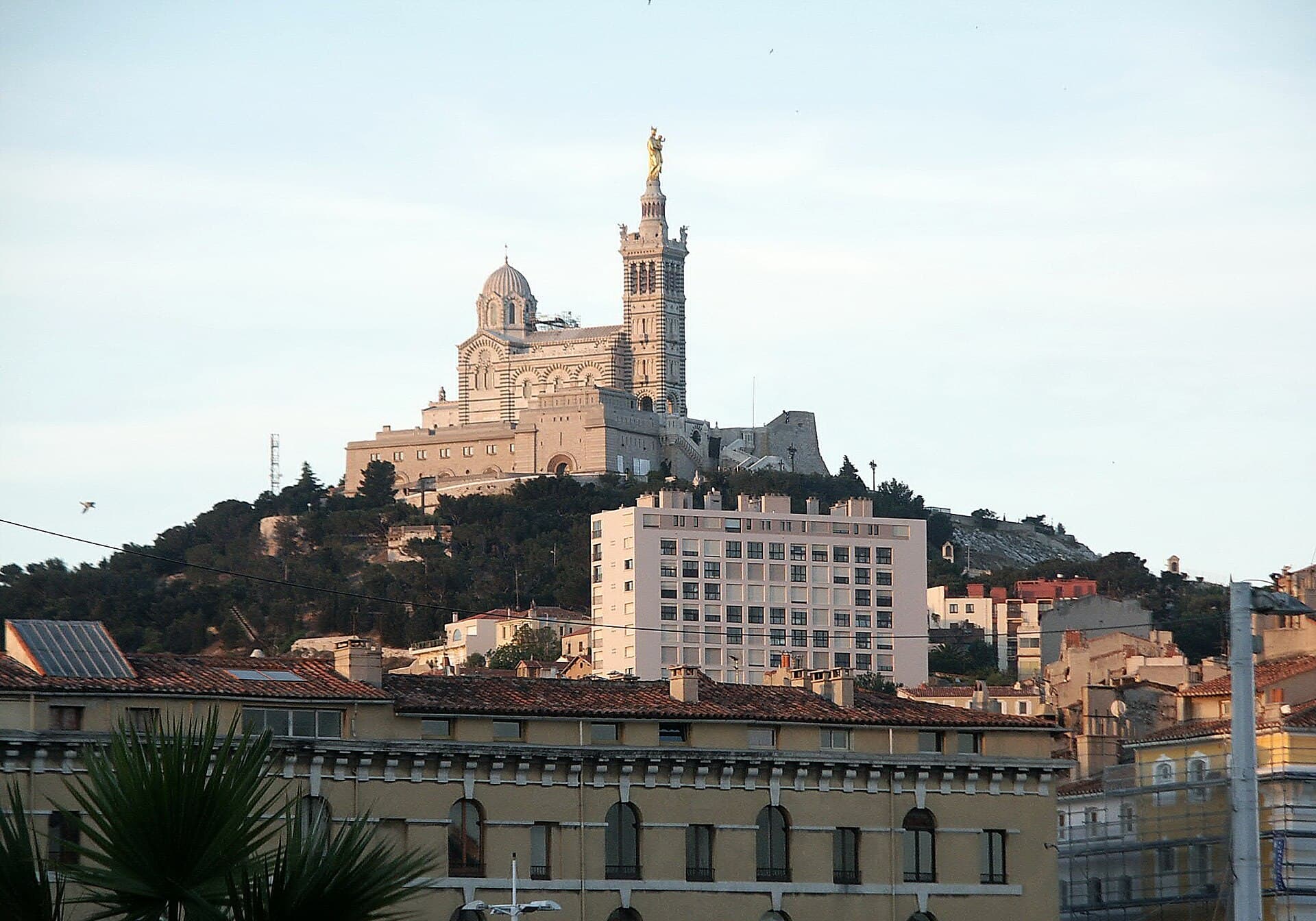 Notre-Dame de la Garde"The Good Mother", all Marseille calls her — the basilica on the city's highest 13 minutes walk4.7
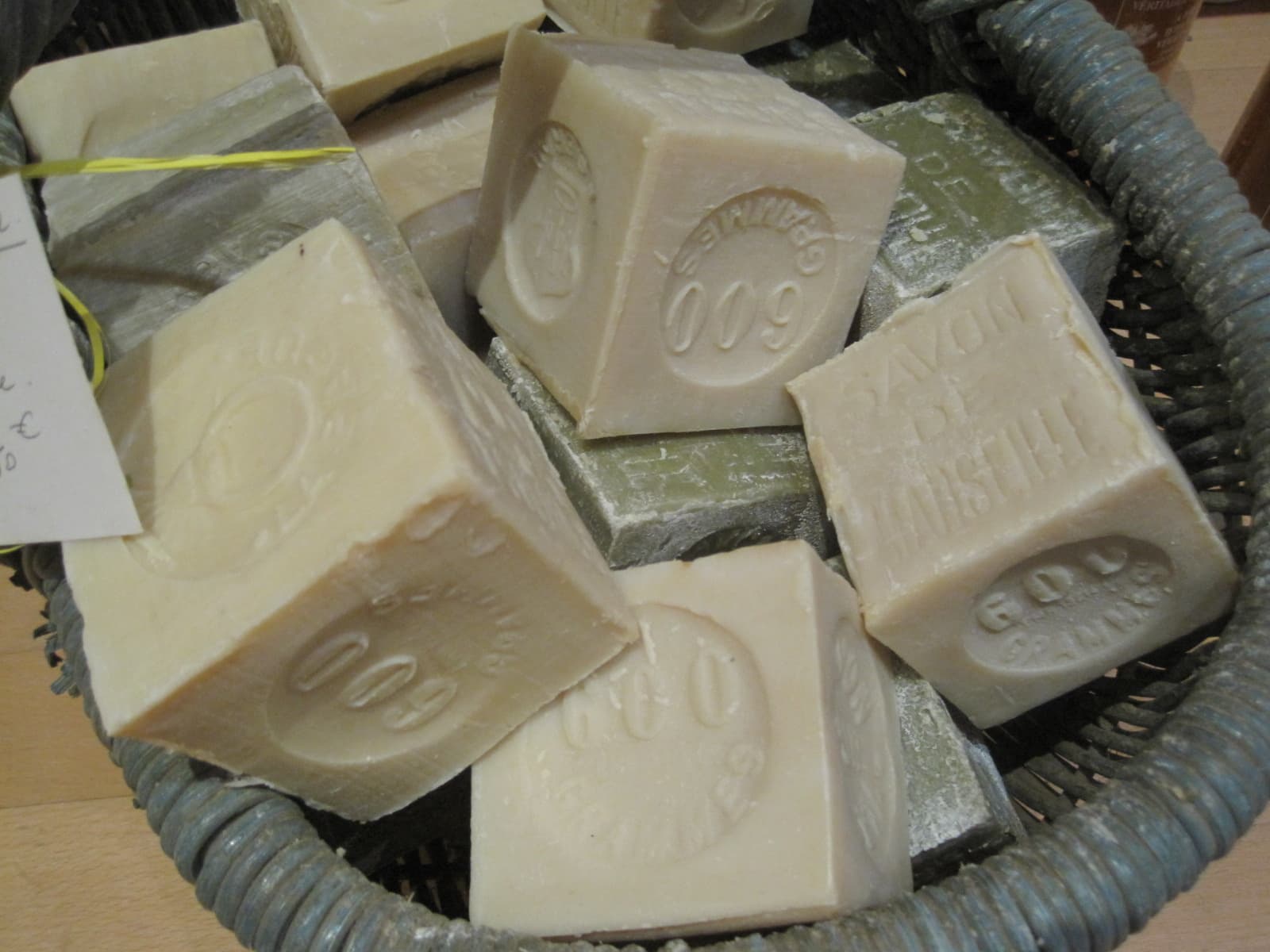 Museum of Marseille Soap**Savon de Marseille** is the most famous thing this city has produced after bou17 minutes walk4.5
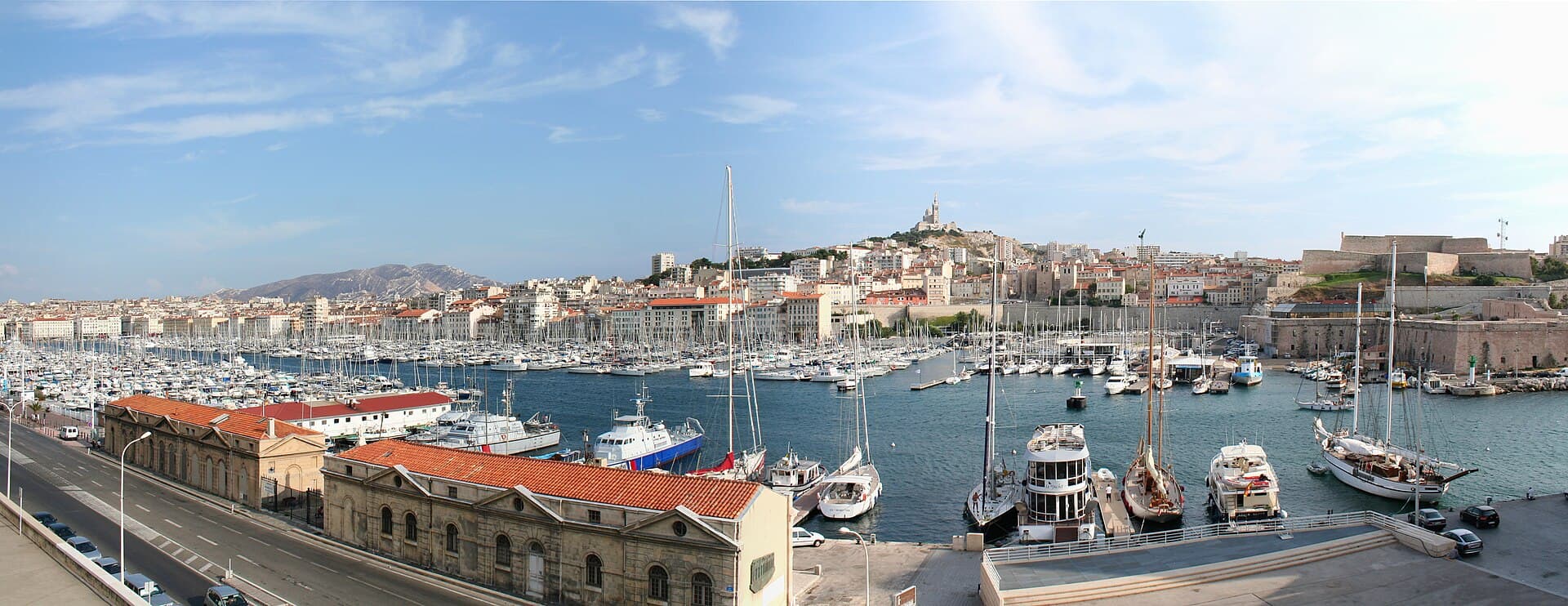 The Old Port (Vieux-Port)This narrow inlet is the reason Marseille exists at all. Greek sailors from **Ph18 minutes walk4.7
For minutes if you pass, and you probably will since it is a major transport hub. The fountain rewards a look but the square itself is noisy and ringed by traffic. Do not allocate time to it.
The Rue de Rome north towards the old port is the main shopping axis. South, the Avenue du Prado leads to Parc Borély and the Prado beaches. And east, the Musée Cantini of modern art is minutes away, among the best of Marseille's lesser-known museums.