
Carl Sagan dome
Nine thousand stars.
The Rio de Janeiro Planetarium is a municipal institution for popular astronomy, founded on 19 November 1970 in Gávea, and the largest planetarium in Latin America. It also runs a second dome and a «Cosmic Museum» in Santa Cruz, opened in 2008. Gávea has two domes: the Carl Sagan dome, 23 metres across with 263 seats and a projector showing some nine thousand stars, and the Galileo Galilei dome, 12.5 metres across with 90 seats and an immersive digital system. Both faithfully recreate the sky as seen with the naked eye from any latitude at any time of year. The building also holds the «Museum of the Universe» with sixty interactive astronomy exhibits, and the «Telescope Square» with four modern instruments under small domes, where free sky-watching sessions are held on Wednesday evenings with tickets handed out according to capacity. Dome shows for the public run Tuesday to Sunday, with tickets sold online or at the box office.
Nine thousand stars.
Hands-on exhibits.
Free.
Rua Vice-Governador Rubens Berardo 100, Gávea, Rio de Janeiro
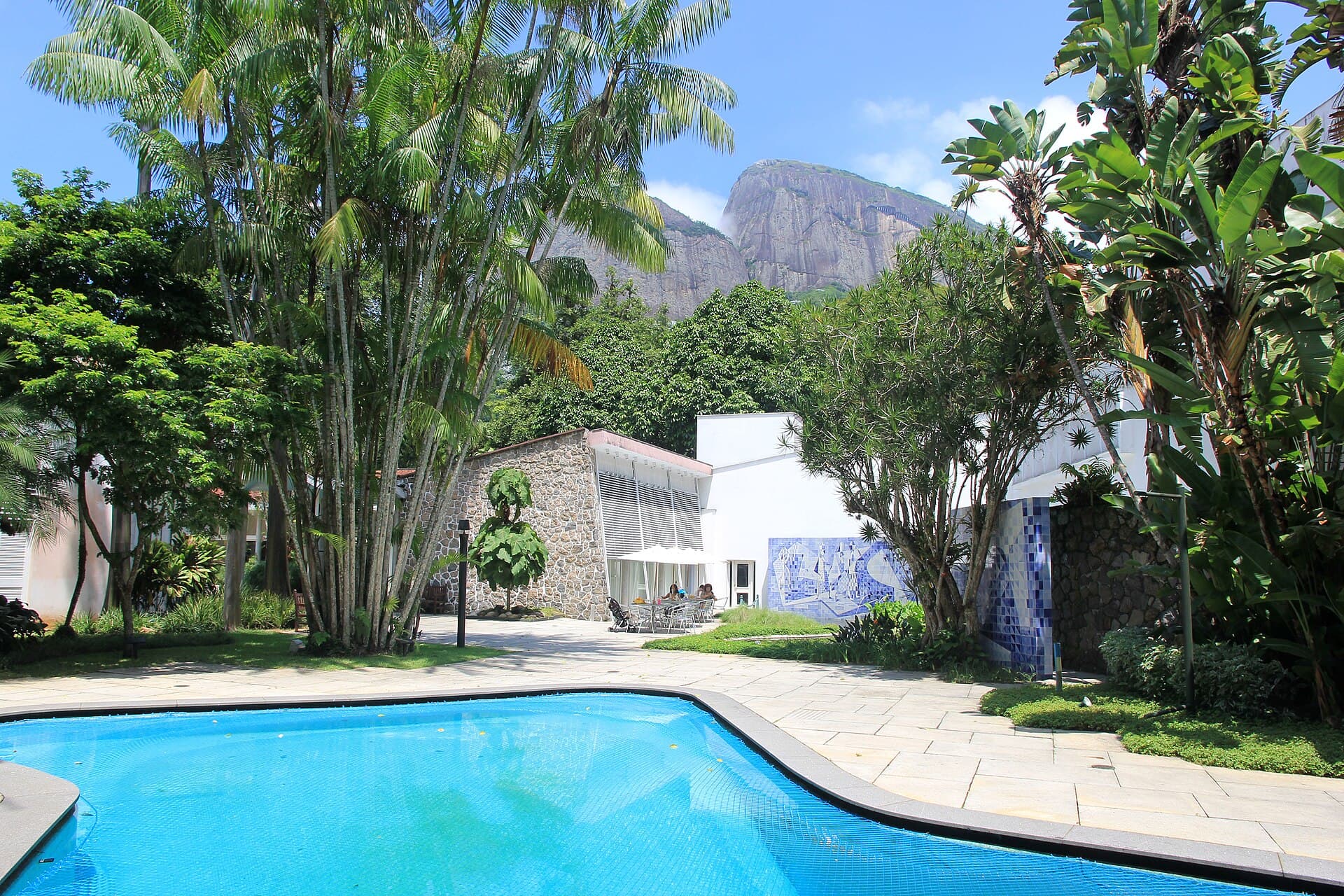 Instituto Moreira Salles (Rio)In the Gávea district, at the foot of the Tijuca forest, stands a white modernis13 minutes walk4.7
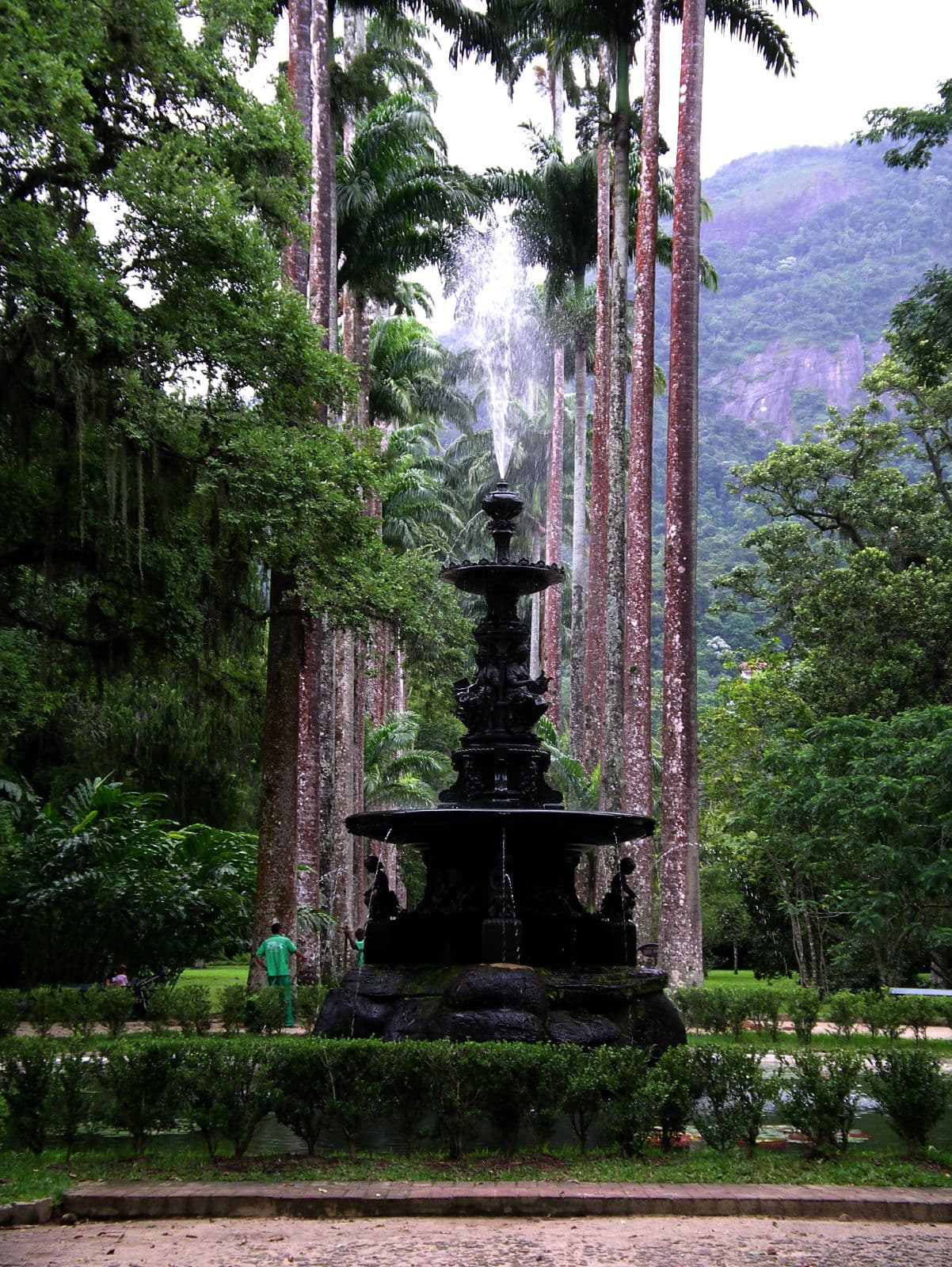 Rio de Janeiro Botanical GardenPrince Regent John, later King John VI, founded Rio's Botanical Garden in 1808 t13 minutes walk4.6
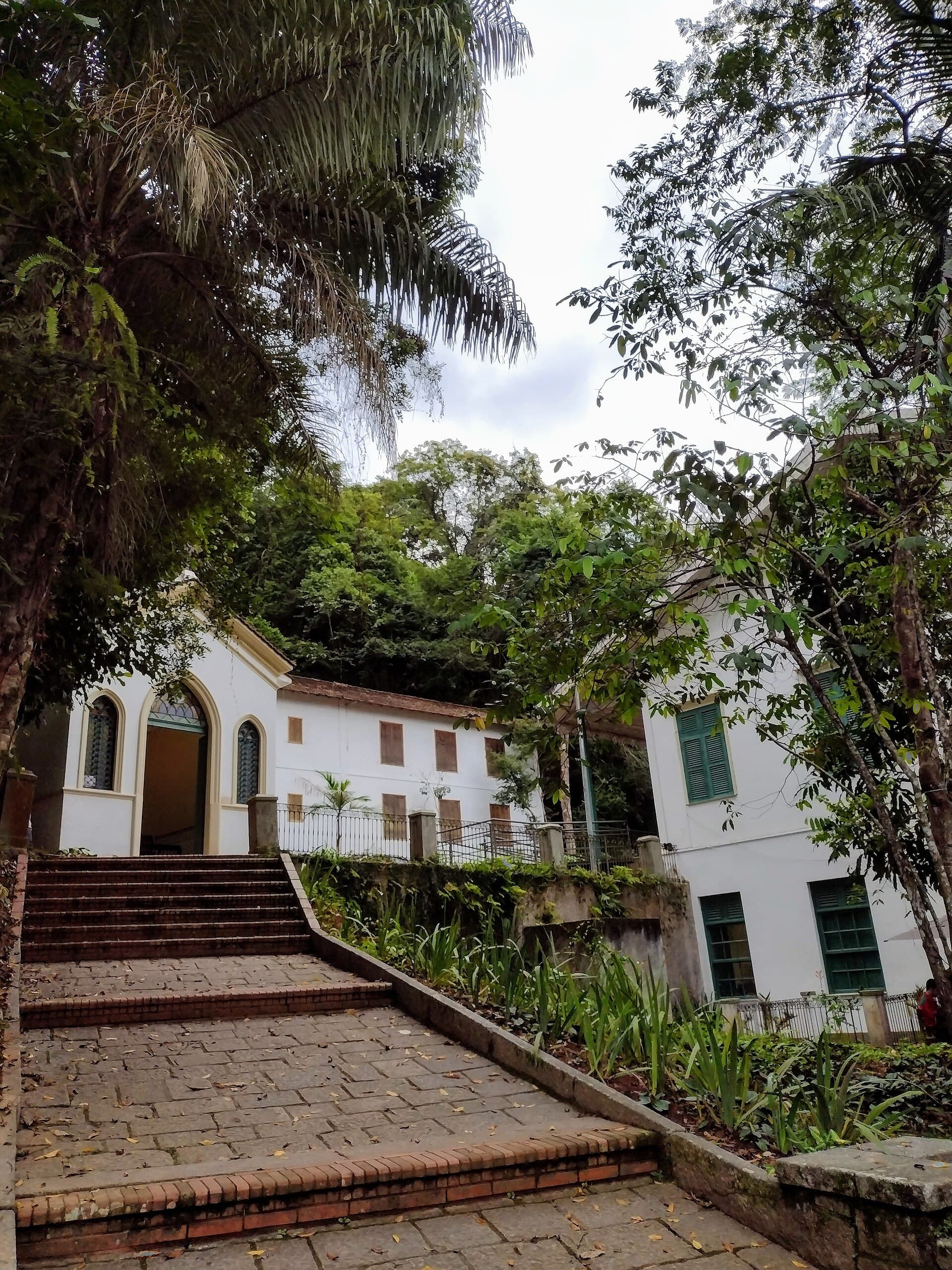 Parque da Cidade (Gávea)The City Park, also called Gávea Park, is a municipal conservation area in Rio's16 minutes walk4.5
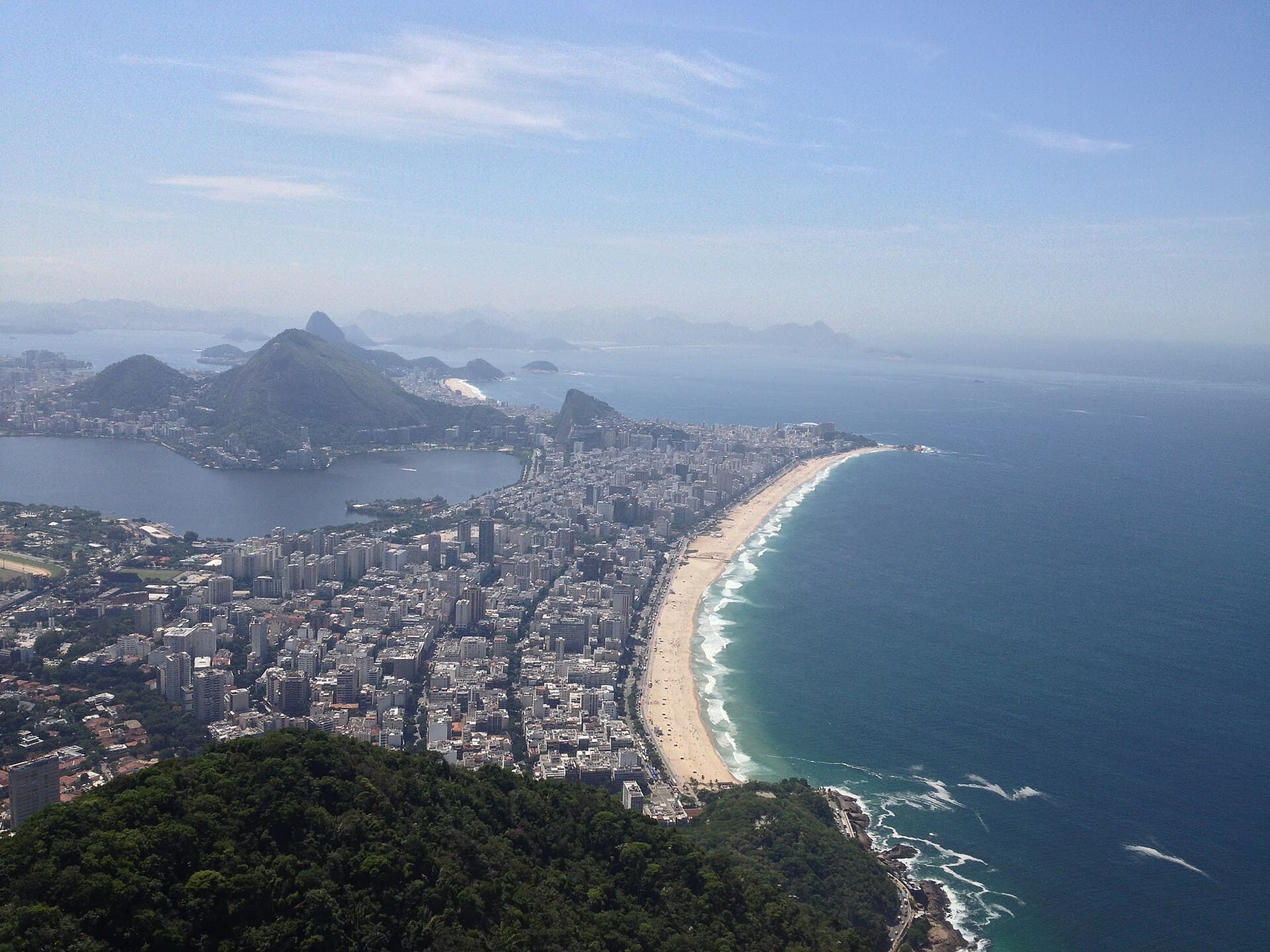 Penhasco Dois Irmãos ParkPenhasco Dois Irmãos Municipal Nature Park, named after the architect Sérgio Ber16 minutes walk4.7
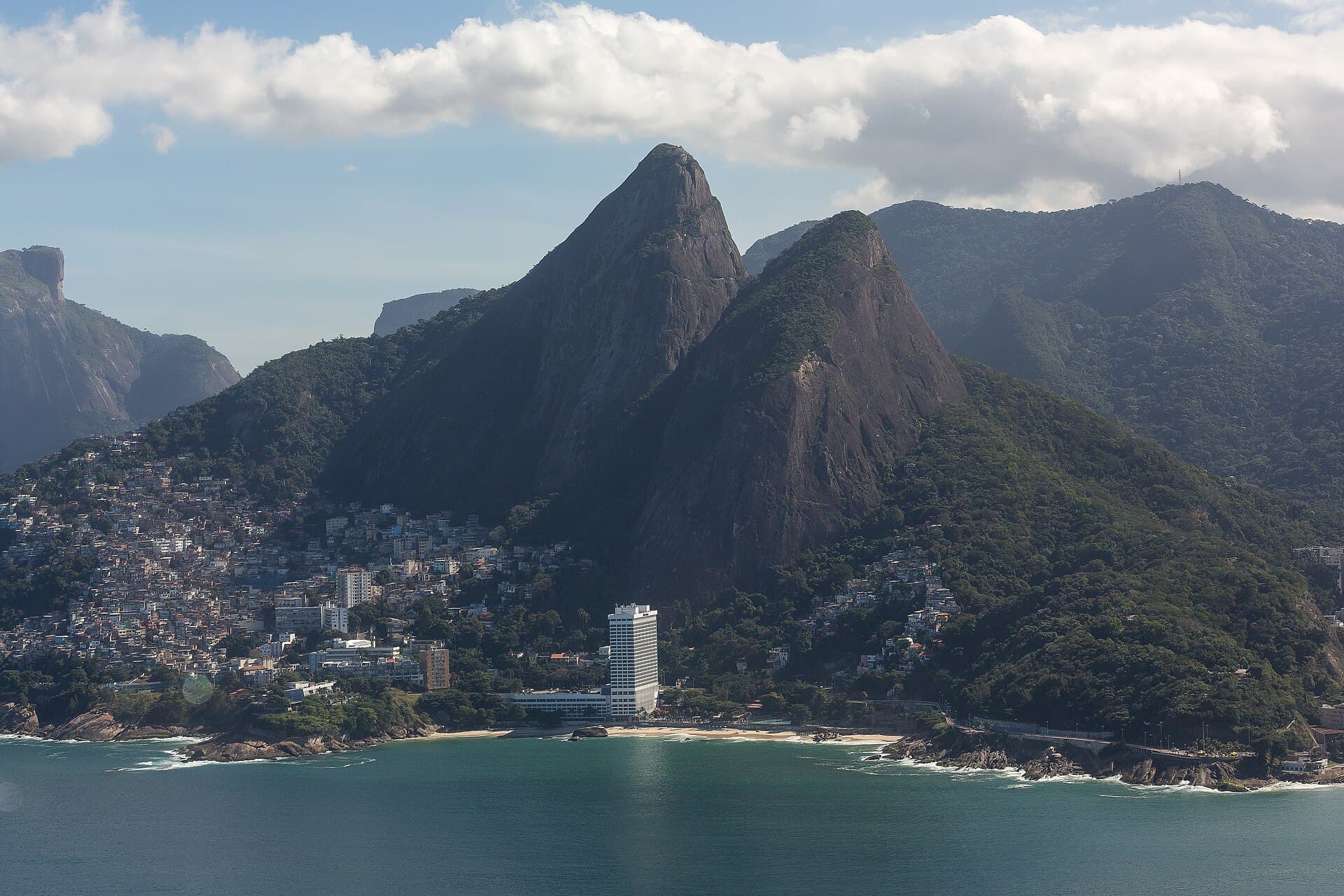 Praia do VidigalVidigal beach is a small, quiet cove at the foot of the «Two Brothers» peaks, Do21 minutes walk4.6
Yes, on Wednesday evenings with tickets by capacity; cancelled in bad weather.