
It breaks the stereotype
No white lanes and no courtyards — an open regular space from an entirely different period.
Benjamin Smith — CC BY-SA 4.0 · Martin Haisch — CC BY-SA 2.0 · Xosema — CC BY-SA 4.0 · Andrew Wilkinson — CC BY-SA 2.0
A rectangular square closed on all four sides by matching arcaded buildings with balconies, built in the late seventeenth century. That form is unusual in southern Spain: regular enclosed squares belong to a Castilian tradition closer to the Plaza Mayor of Madrid or Salamanca than to anything Andalusi. The square has been used across its history for almost everything: a market, festivals, bullfights, and even public executions. Today it is a relatively quiet public space with cafés under the arcades and a covered market on one side. What makes it worth a stop is that it breaks the stereotype of Córdoba. Here you are away from the narrow whitewashed lanes and the courtyards, in front of an open regular space belonging to an entirely different historical moment. The square is always open and free, and it sits in the eastern part of the old city a little away from the crush around the mosque. The cafés under the arcades make a good rest at prices below those near the mosque.
No white lanes and no courtyards — an open regular space from an entirely different period.
Cafés under the ground-floor arches, the best place to rest on that side of town.
On one side of the square, generally closing after midday — go in the morning to see it working.
Plaza de la Corredera, Córdoba
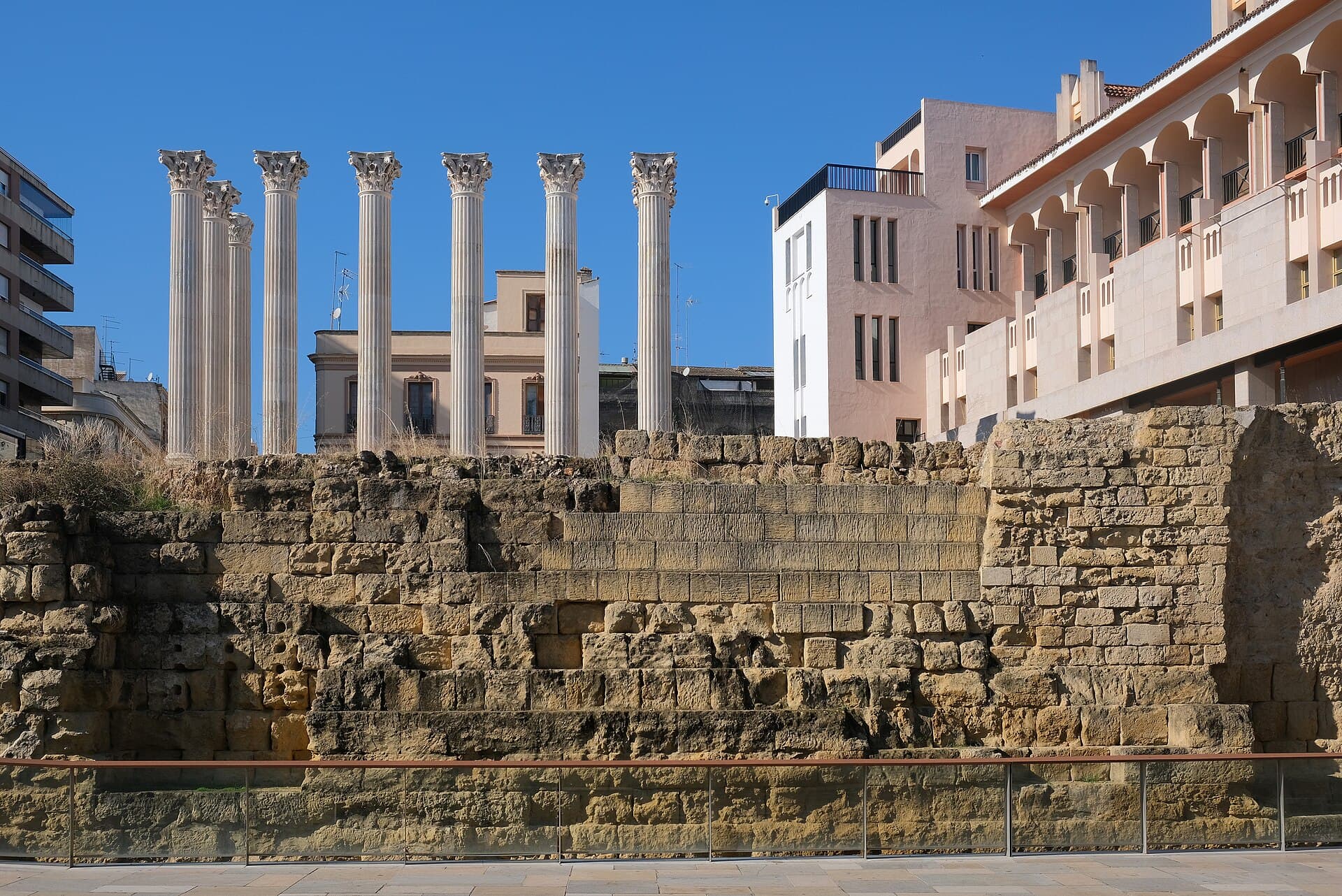 Roman Temple of CórdobaThe Roman Temple of Córdoba is a row of white marble columns rising beside the c3 minutes walk4.1
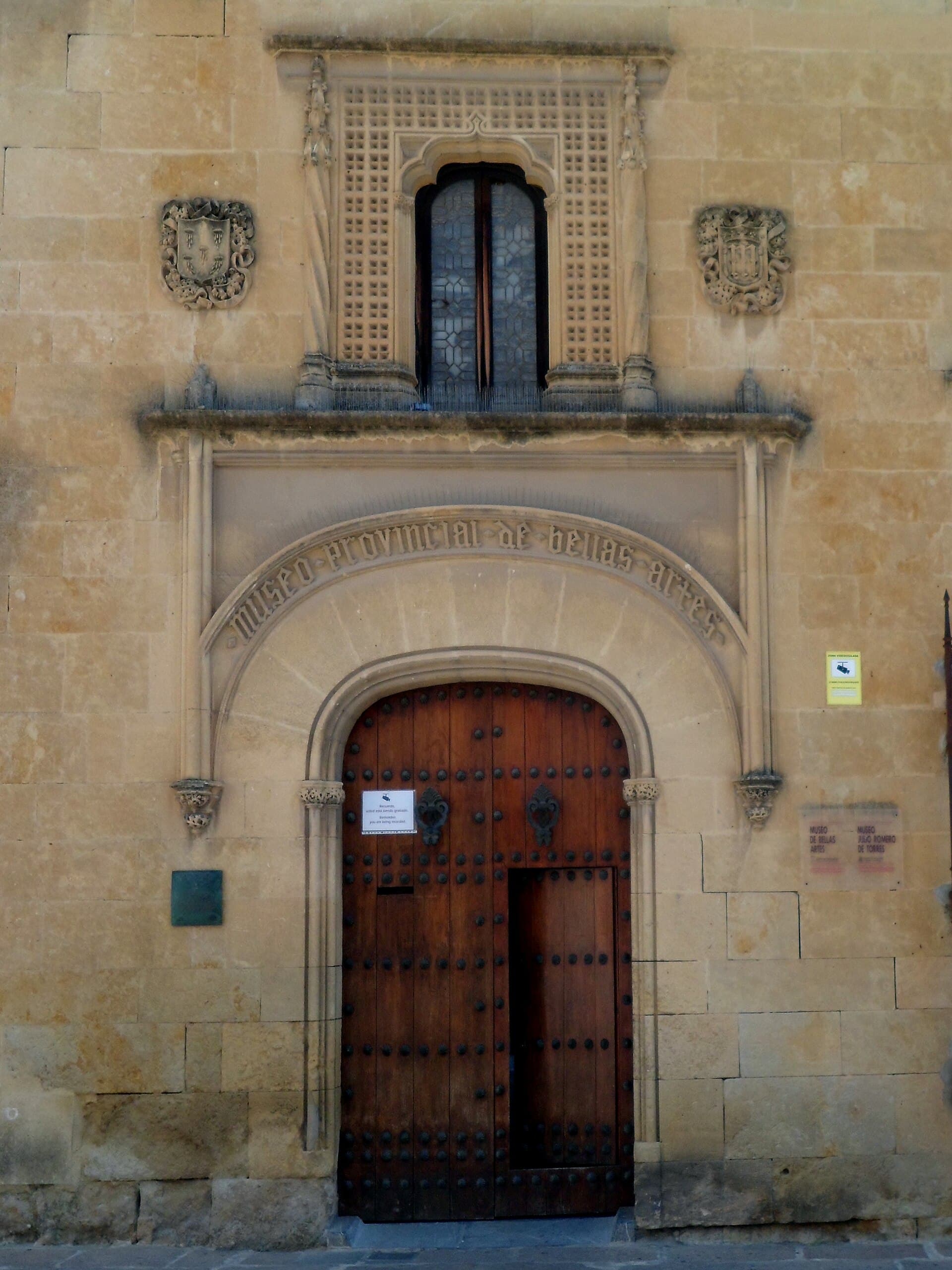 Museum of Fine ArtsCórdoba's Fine Arts Museum inhabits the city's loveliest literary address: the P3 minutes walk4.5
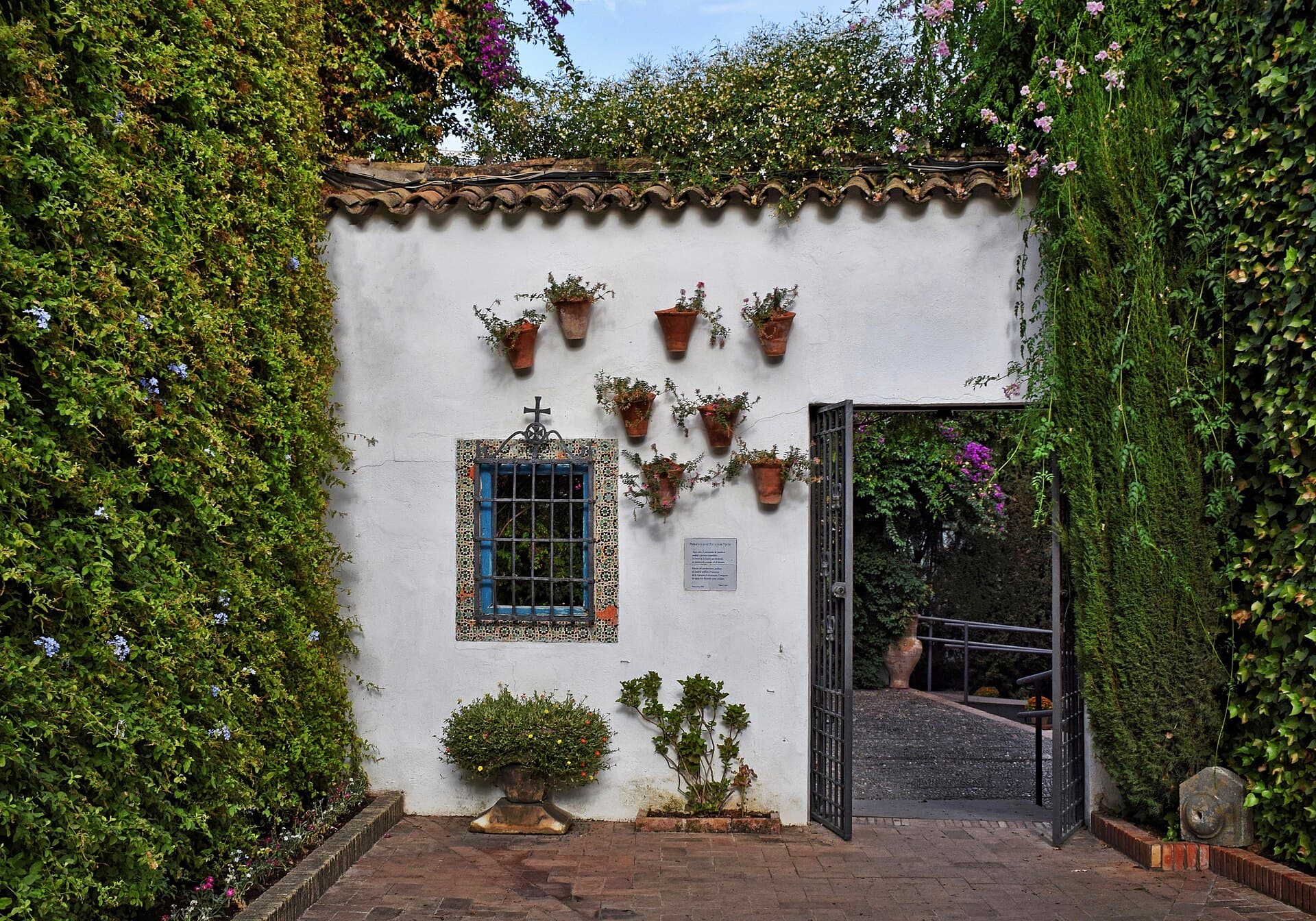 Palacio de VianaThe Palacio de Viana is an aristocratic house in Córdoba best known for its cour7 minutes walk4.6
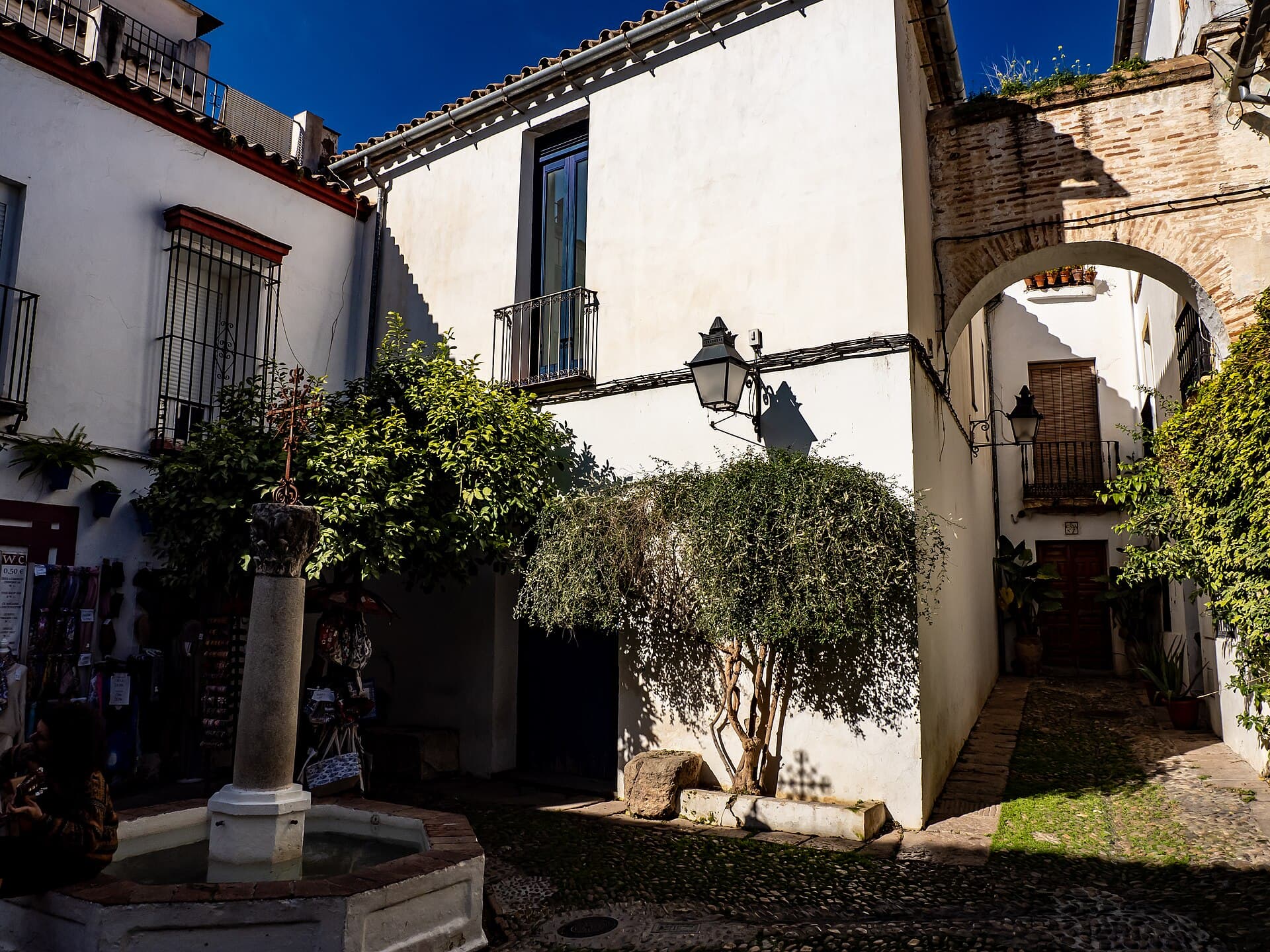 Calleja de las FloresThe Alley of Flowers is Andalusia's smallest celebrity: a white passage two arm-7 minutes walk4.6
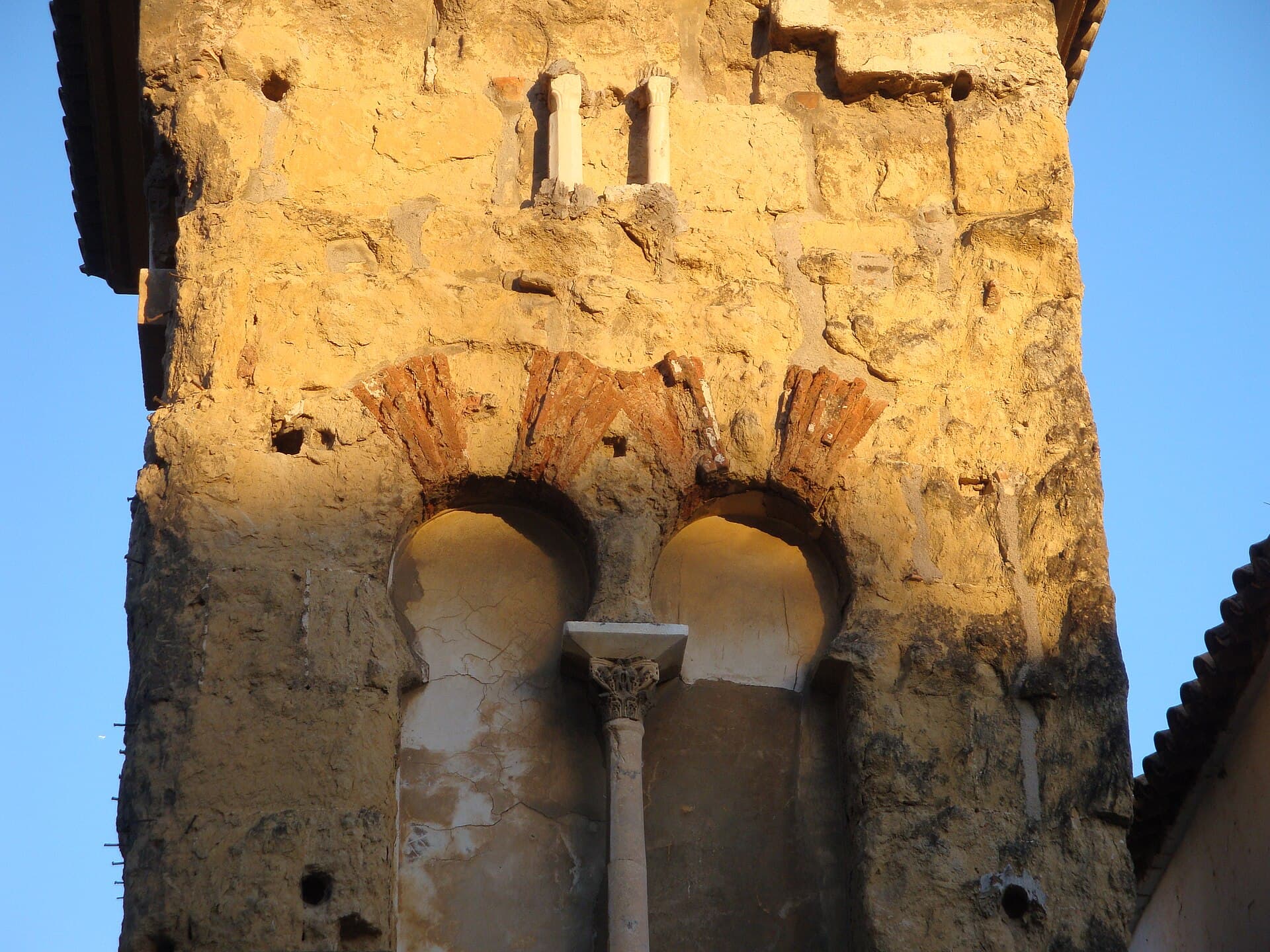 Minaret of San JuanA tenth-century minaret standing today against the church of San Juan de los Cab8 minutes walk4.4
Because it was built in the late seventeenth century on the model of the enclosed Castilian square, centuries after Islamic rule ended. The Andalusi fabric of the old city is far older and follows a different logic entirely, which is why the transition between them feels abrupt.
The cafés under the arcades are comfortable and cheaper than those around the Mosque-Cathedral, and they make a reasonable stop for a rest or a light meal. As on any tourist square, quality varies from one to the next.