
The Potro square
The colt fountain and Quixote's inn — Spain's literature in stone.
Américo Toledano — CC BY-SA 3.0 · Katsushika Hokusai, published by Nishimuraya Yohachi (Eijudō) (1760 - 1849) – Artist (Japanese) Details on Google Art Project — Public domain · Slaunger — CC BY-SA 3.0 · Daderot — CC0
Córdoba's Fine Arts Museum inhabits the city's loveliest literary address: the Plaza del Potro that Cervantes immortalised in Don Quixote — the old Charity Hospital holding Córdoba's school across the centuries: post-reconquest Gothic to Valdés Leal's Baroque and young Julio Romero's modernity. It is the quiet hour's museum at two euros (free for EU citizens): an orange-and-fountain courtyard, measured halls, and two neighbours on the same square — the more famous Romero de Torres museum and Cervantes' Potro inn — making the stop naturally threefold. For the visitor done with Córdoba's giants wanting a shaded, crowdless afternoon: this is their square.
The colt fountain and Quixote's inn — Spain's literature in stone.
Oranges and the old Charity's fountain.
Plaza del Potro 1, 14002 Córdoba
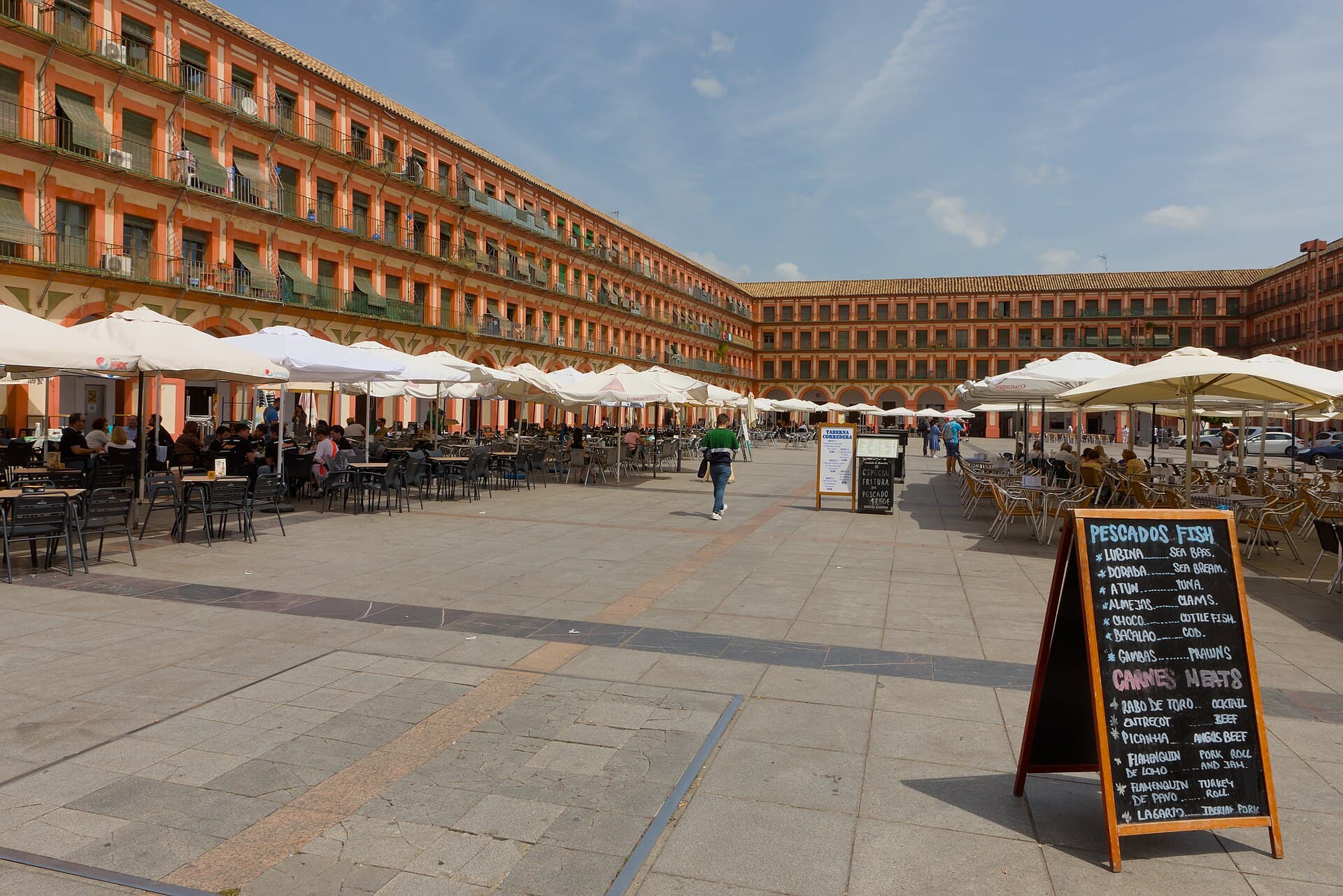 Plaza de la CorrederaA rectangular square closed on all four sides by matching arcaded buildings with3 minutes walk4.1
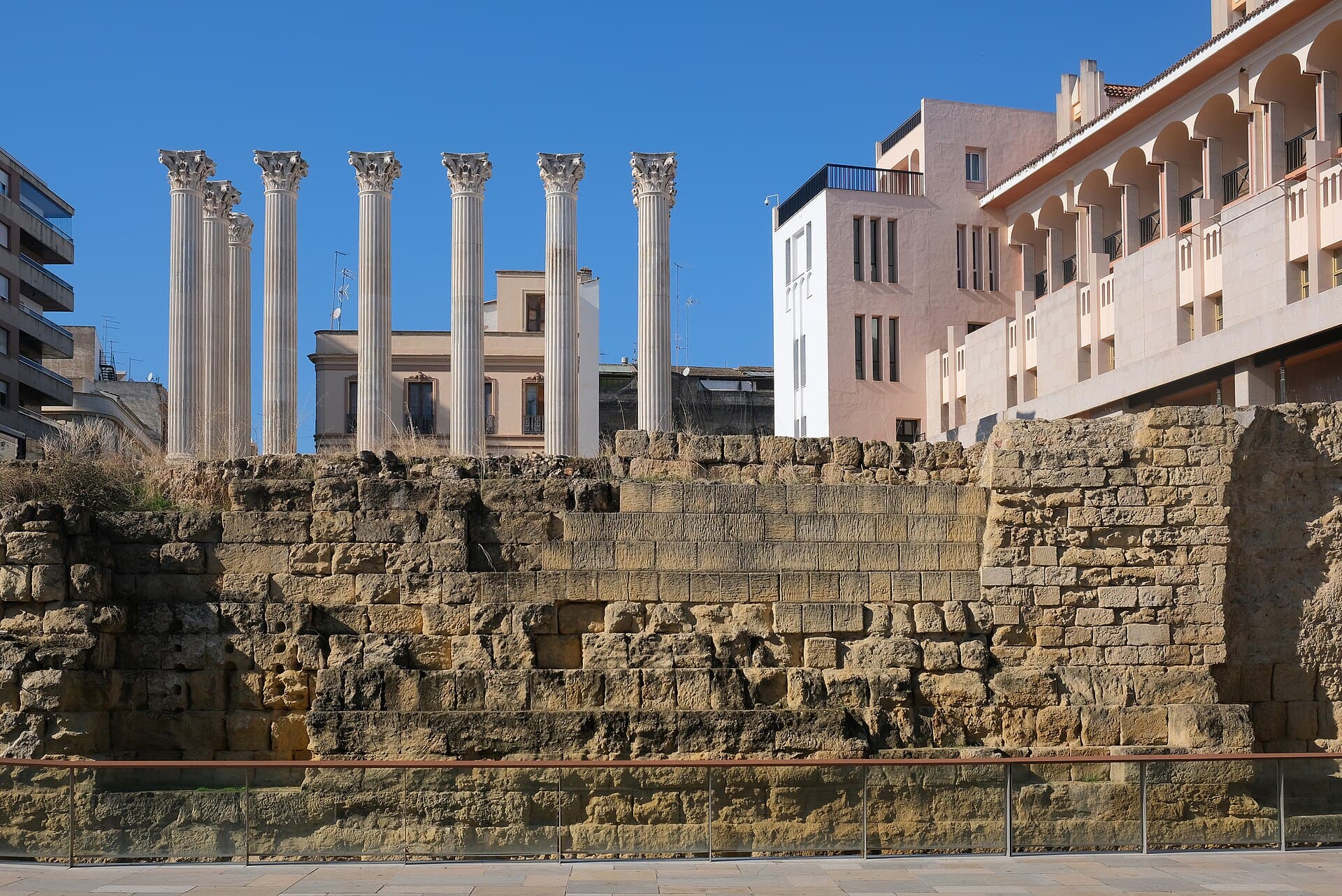 Roman Temple of CórdobaThe Roman Temple of Córdoba is a row of white marble columns rising beside the c5 minutes walk4.1
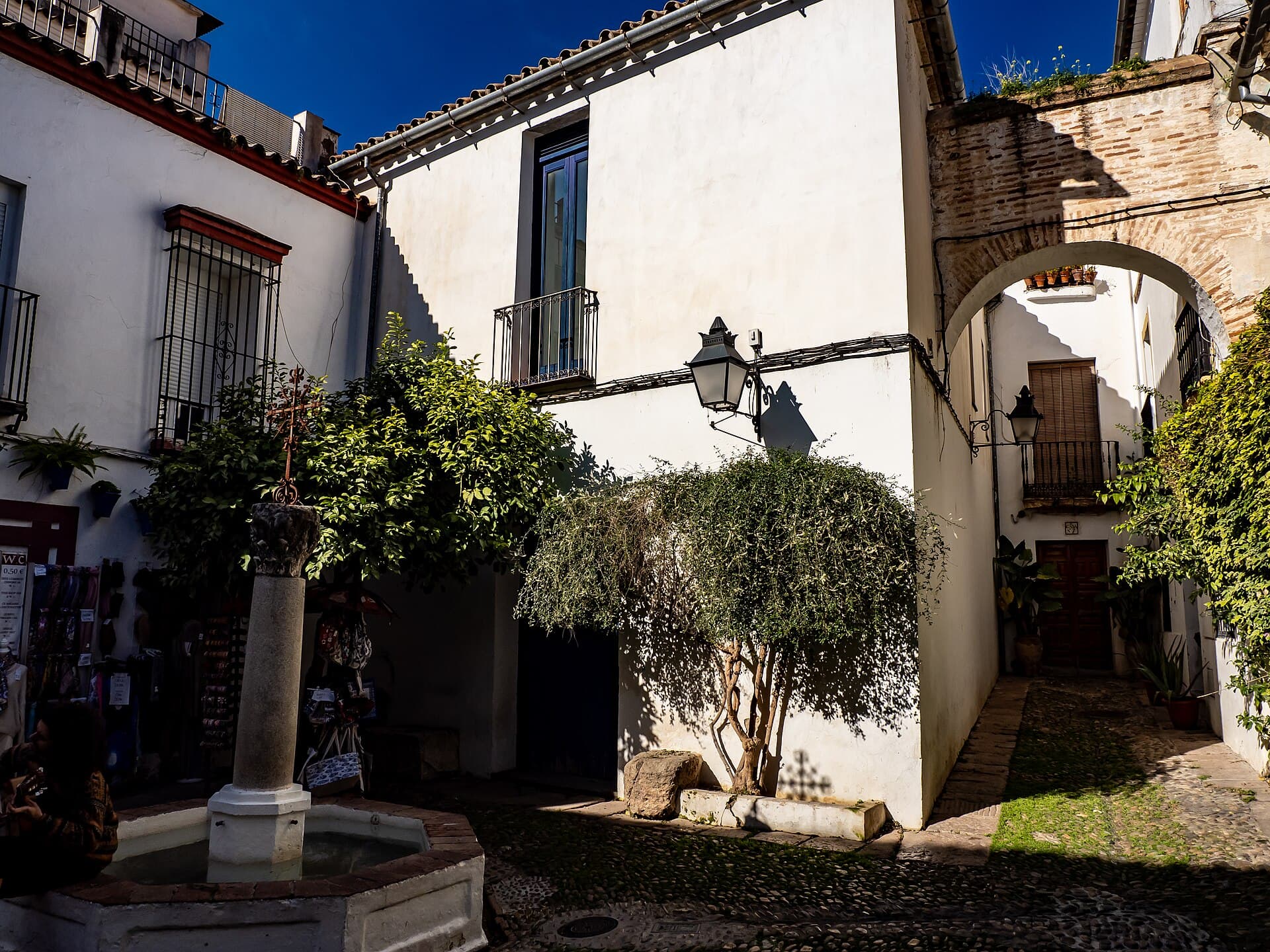 Calleja de las FloresThe Alley of Flowers is Andalusia's smallest celebrity: a white passage two arm-5 minutes walk4.6
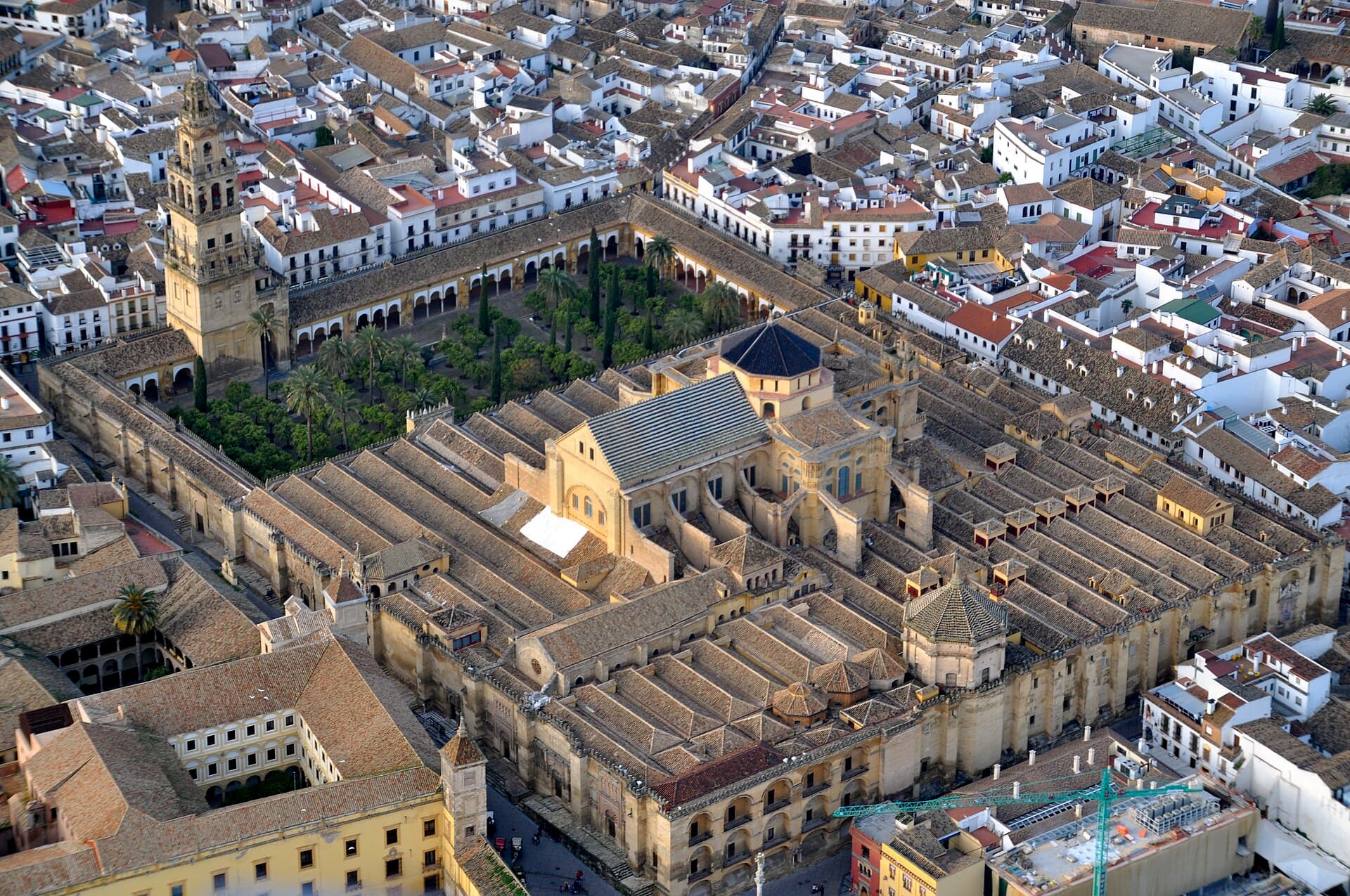 Mosque-Cathedral of CórdobaThe Great Mosque of Córdoba is among the greatest things Muslims built in Spain.6 minutes walk4.7
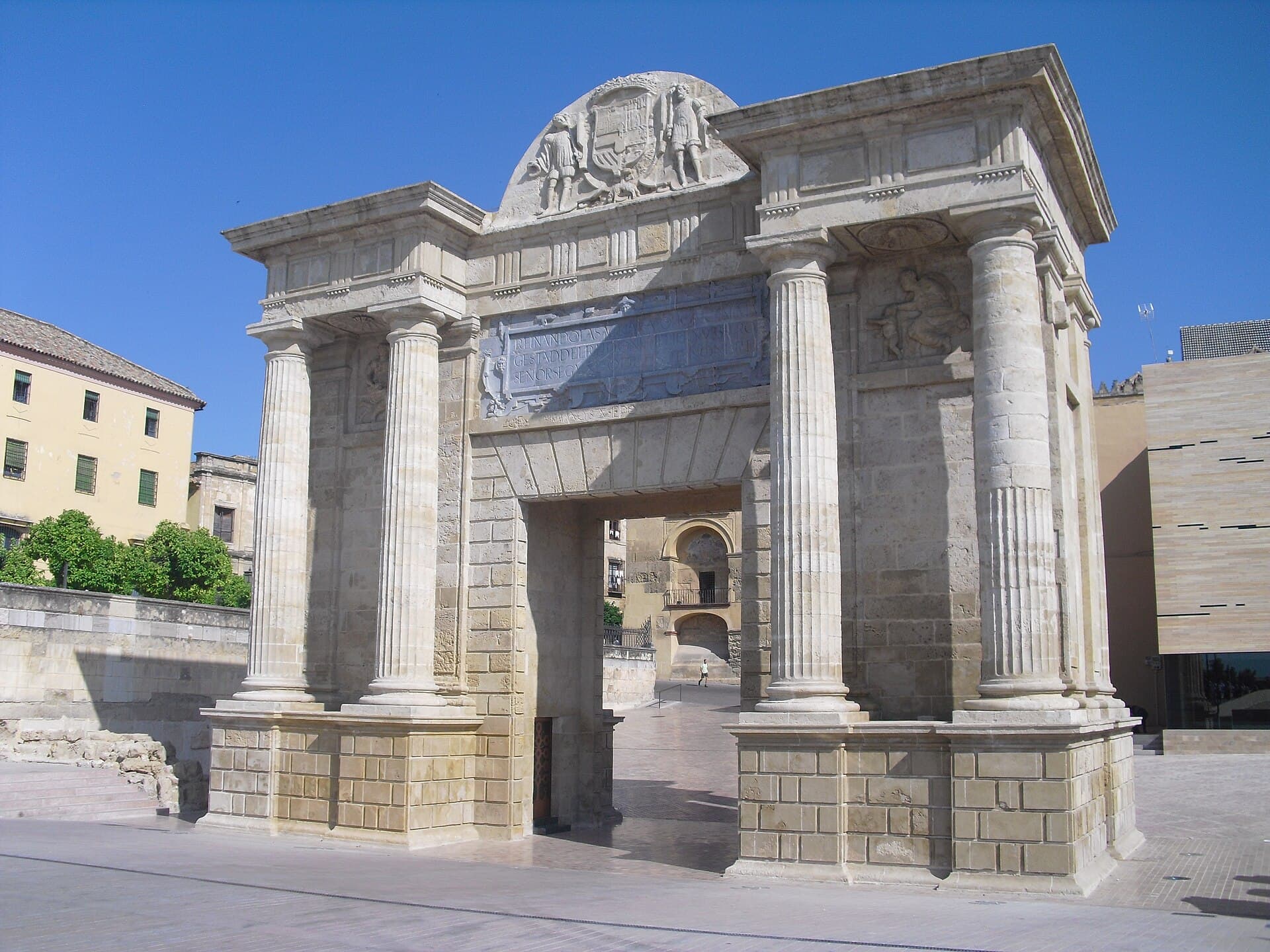 Puerta del PuenteThe Puerta del Puente is a stone triumphal gate at the northern end of the Roman7 minutes walk4.5
The square's own son Julio Romero de Torres — iconic painter of the 'Cordoban woman' whom the city adores: his famous dark canvases in his adjoining house-museum. Spaniards head there first — our reader may complete the square with its small ticket at choice.