
The white columns
A row of marble shafts re-erected on their original site after being found by chance.
kallerna — CC BY-SA 4.0 · Tony Makepeace from UK — CC BY 2.0 · Tony Makepeace from UK — CC BY 2.0 · Phil Venditti from University Place, Washington, USA — CC BY 2.0
The Roman Temple of Córdoba is a row of white marble columns rising beside the city hall in the centre. It dates from the first century AD, when Córdoba was an important Roman provincial capital, centuries before Islam. The temple was found by chance in the 1940s during work on the city hall, and its columns were re-erected on their original site. What you see is not the whole temple but the front colonnade and its steps, though that is enough to imagine the scale. It stands open in the street and is not entered, but is seen from the surrounding railing for nothing, at any hour. It is at its best at night, when the columns are lit.
A row of marble shafts re-erected on their original site after being found by chance.
Evidence of a layer of the city's history centuries older than Al-Andalus.
Lighting makes the columns stand out above the street — the best time for a photograph.
Calle Capitulares, 14002 Córdoba
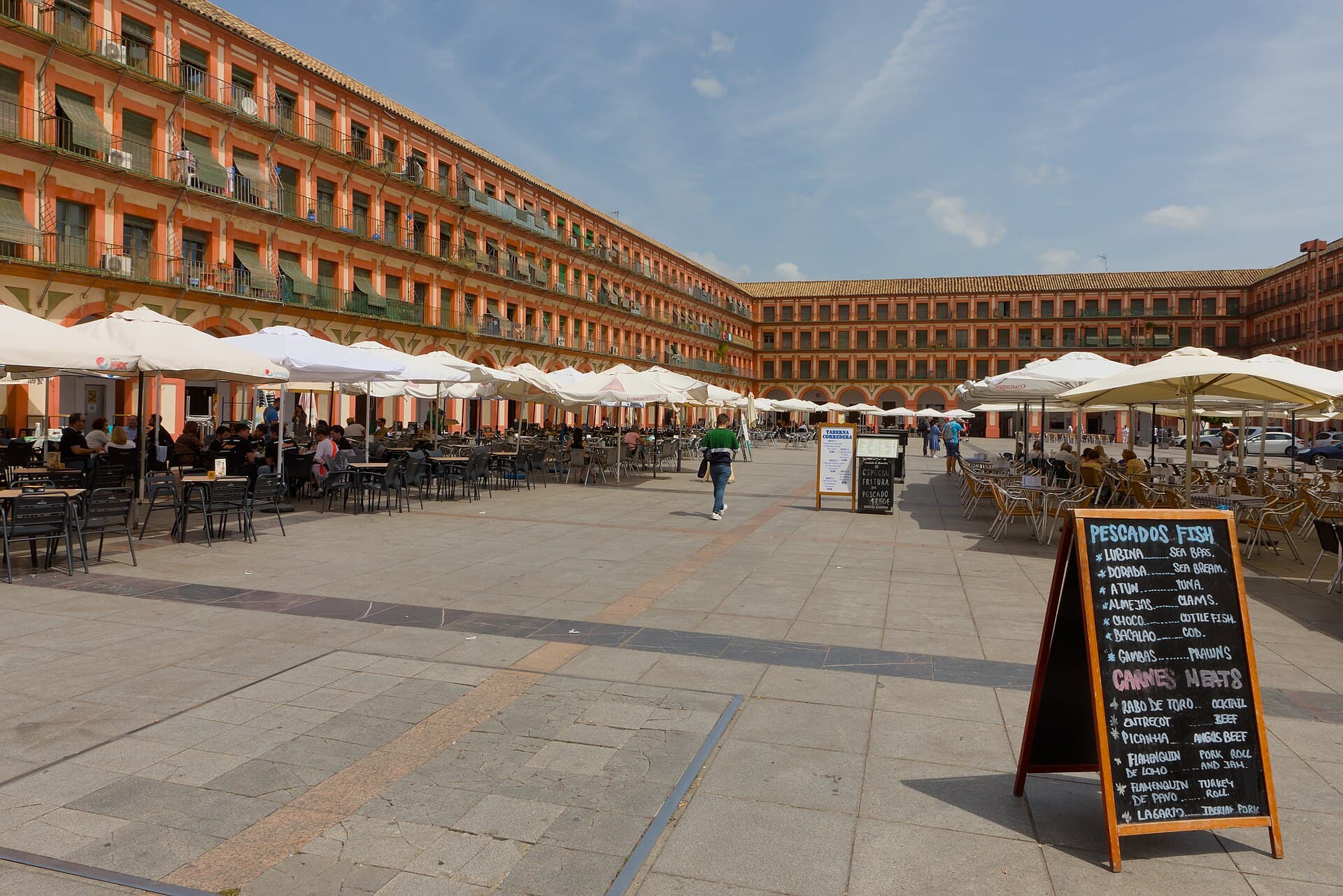 Plaza de la CorrederaA rectangular square closed on all four sides by matching arcaded buildings with3 minutes walk4.1
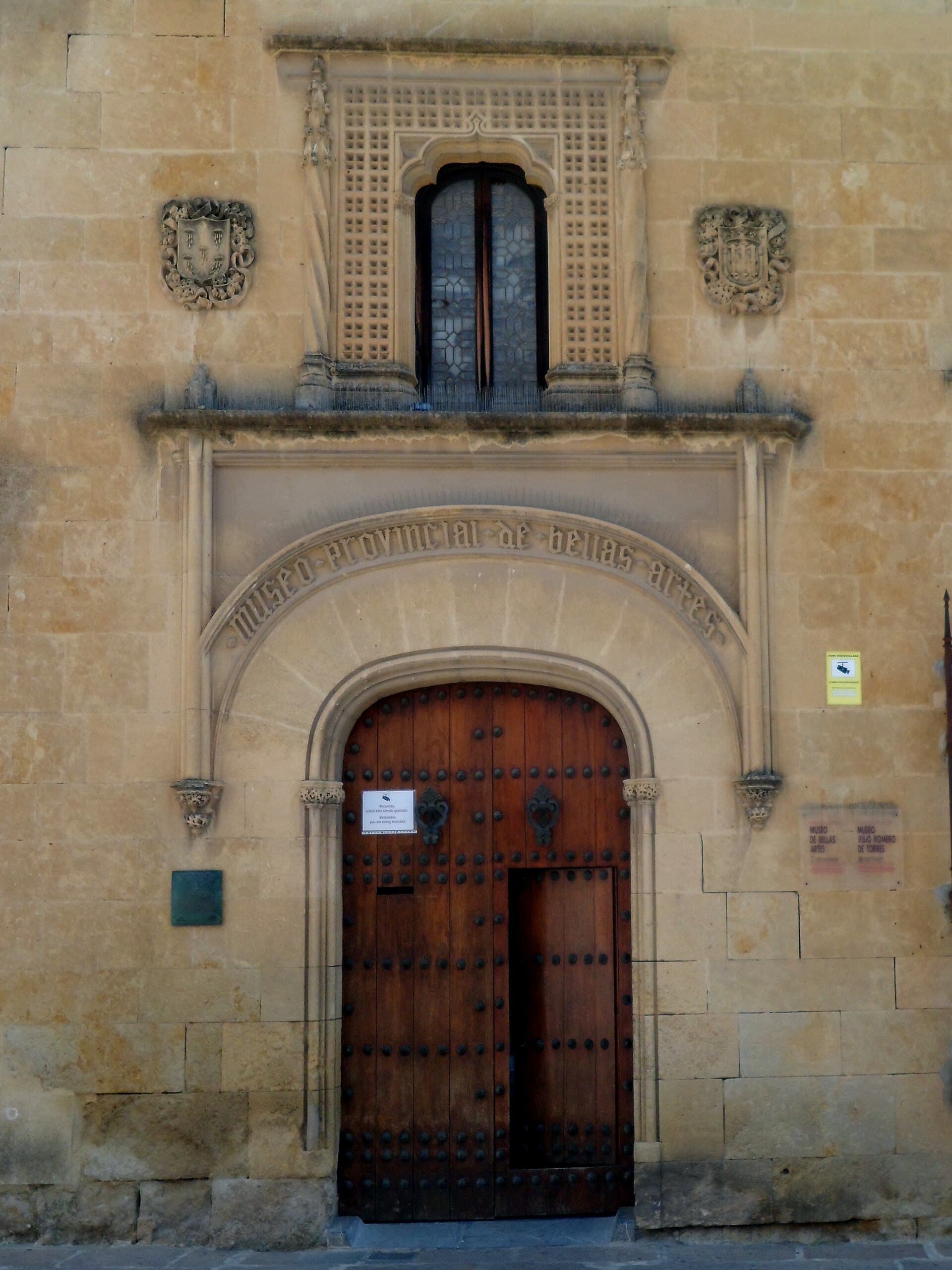 Museum of Fine ArtsCórdoba's Fine Arts Museum inhabits the city's loveliest literary address: the P5 minutes walk4.5
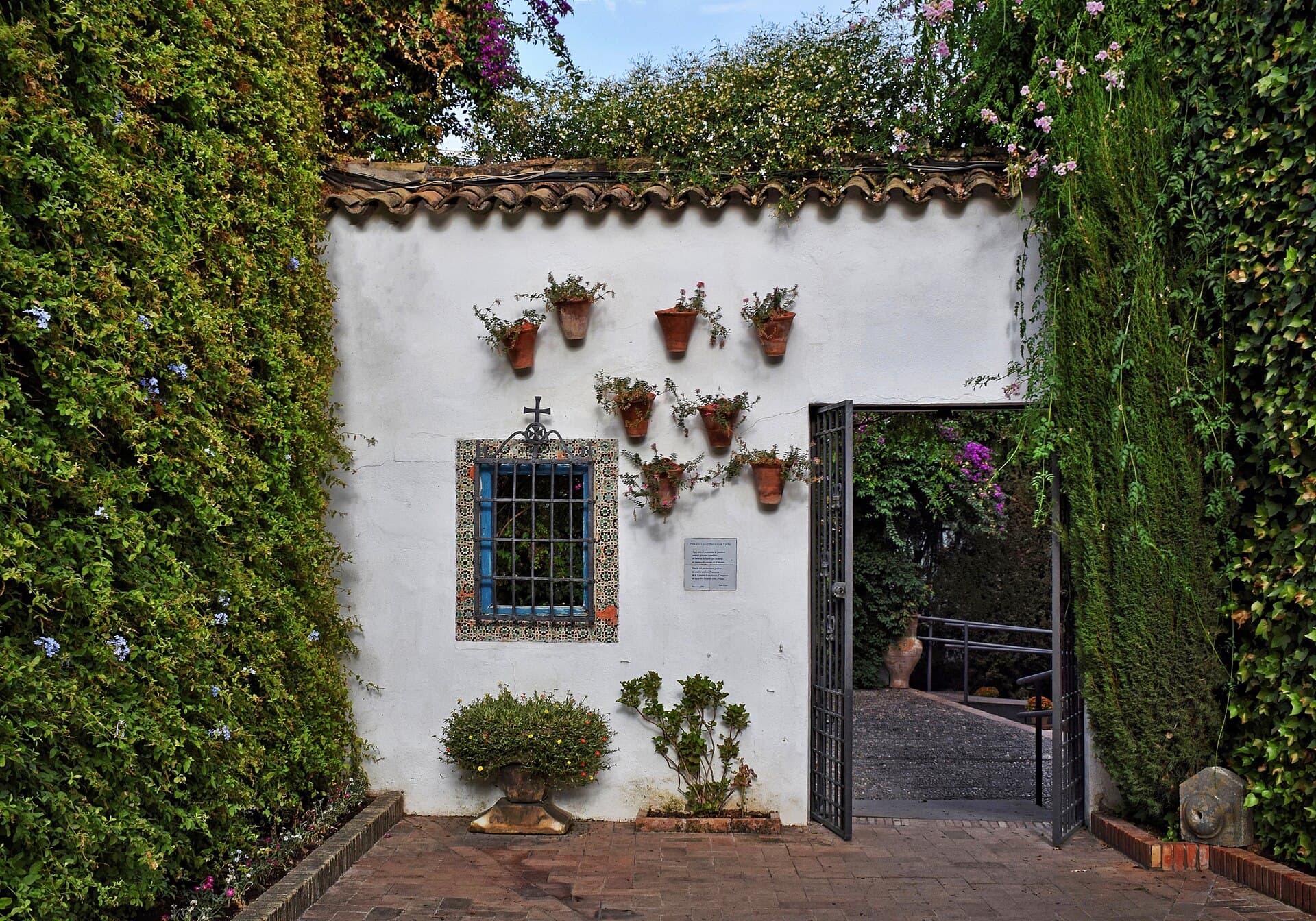 Palacio de VianaThe Palacio de Viana is an aristocratic house in Córdoba best known for its cour6 minutes walk4.6
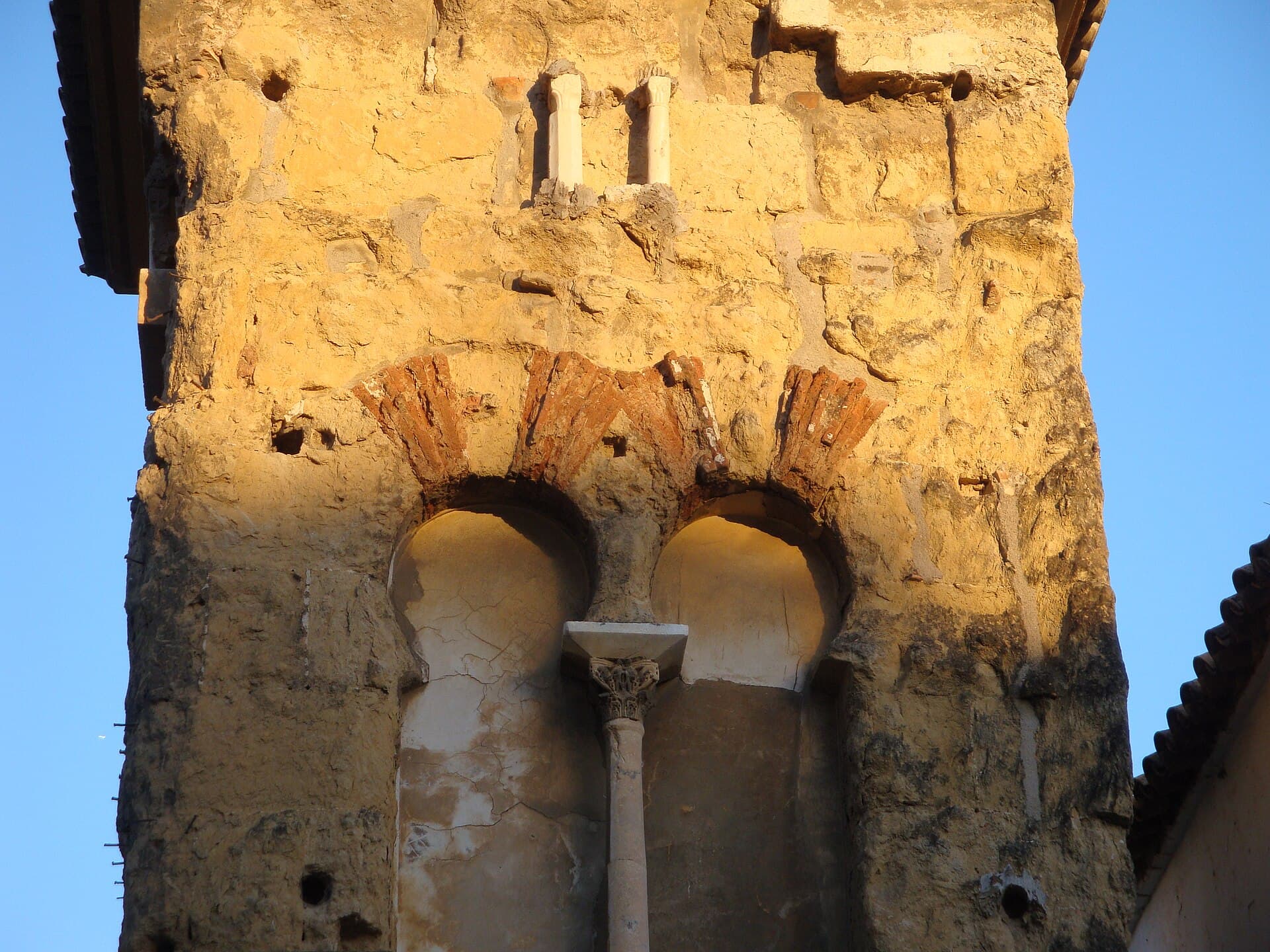 Minaret of San JuanA tenth-century minaret standing today against the church of San Juan de los Cab6 minutes walk4.4
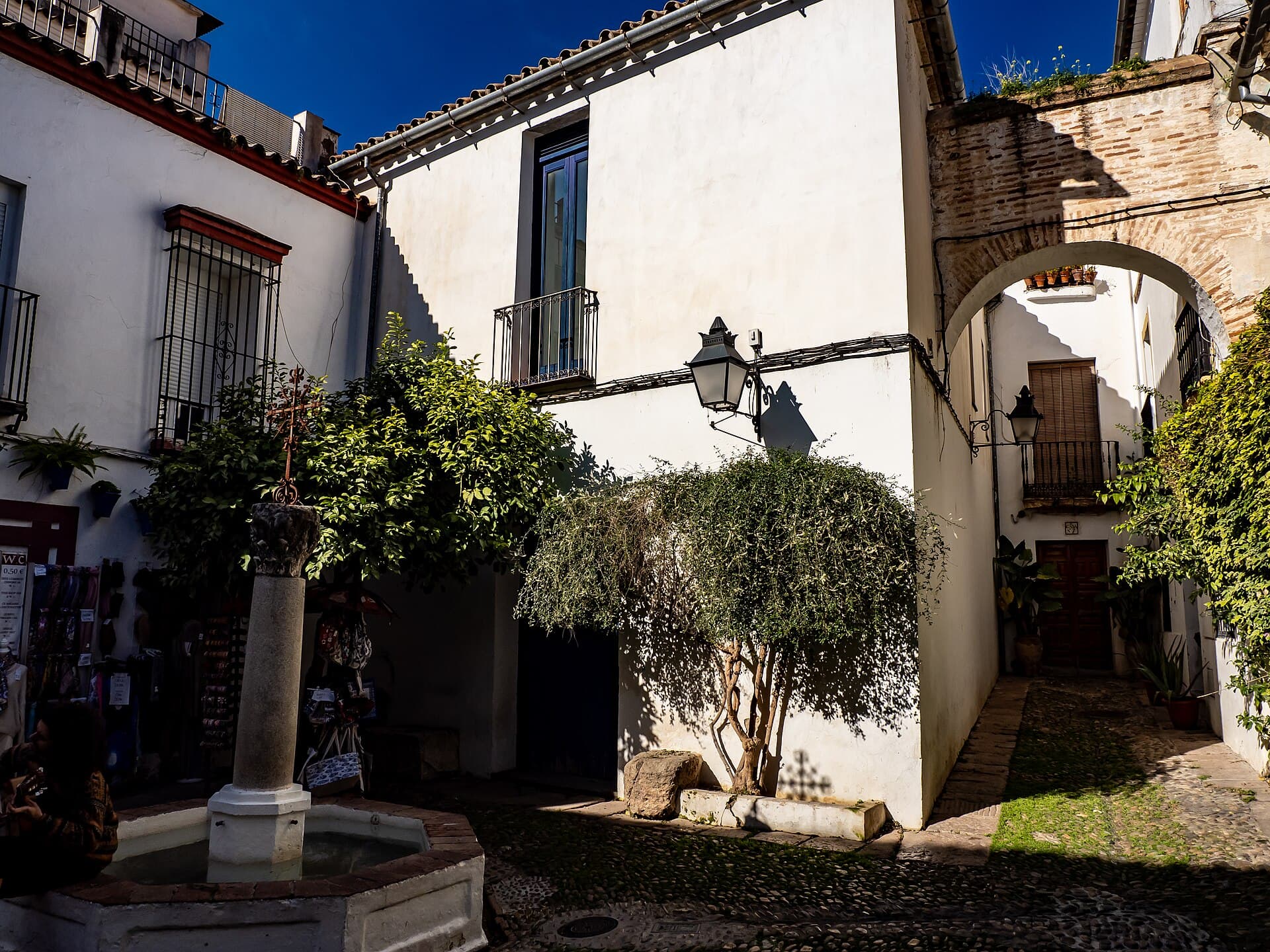 Calleja de las FloresThe Alley of Flowers is Andalusia's smallest celebrity: a white passage two arm-7 minutes walk4.6
Not normally. The site is railed and seen from the street, which is enough since the columns are tall and clearly visible. Special visits or cultural events are occasionally held inside.
Ten minutes. It is a brief stop in the centre on your route between other sights, not somewhere to set time aside for.
Because it is a reminder that Córdoba's history runs far deeper than Al-Andalus: it was a major Roman city and a provincial capital. Many visitors come only for Islamic Córdoba, and this adds another layer to the picture.