
The Jesi collection
The heart of the place: Boccioni, Morandi and Modigliani in small rooms you can see unhurried and uncrowded.
Giovanni Dall'Orto — Attribution · Giovanni Dall'Orto — Attribution · Giovanni Dall'Orto — Attribution
In 1972 the Italian state bought an eighteenth-century palace on Via Brera and promised Milan a modern wing to complete the venerable Pinacoteca di Brera. Then fifty-two years passed with the door shut: schemes drawn up and abandoned, architects replaced, money spent with nothing to show for it, until the building became the city's private shorthand for a promise never kept. It finally opened in December 2024, and with it the Grande Brera that Milanese had waited half a century to see. What waits inside is twentieth-century art, precisely what the old-master galleries next door do not have. The two founding holdings are the Emilio and Maria Jesi collection and the Lamberto Vitali collection: some two hundred works, among them Umberto Boccioni's self-portrait, painted on both sides of a single canvas and set in the middle of its room so you can walk around it, a version of The City Rises, thirteen Giorgio Morandi paintings running from the early flower pieces to the famous still lifes, alongside Modigliani, Carra, de Pisis, Marino Marini and Picasso. The halls below ground were excavated decades earlier to James Stirling's design and stood unfinished for years; Mario Cucinella reworked the interior and completed the display in 2024, and the wide concrete volume downstairs is a deliberate counterpoint to the composed classical facade above it. Worth saying plainly: this is not a large museum. Ninety minutes covers it comfortably, and part of the space is given over to temporary shows that rotate through the year. The original promise was of four great collections, but the Mattioli and Jucker holdings ended up at the Museo del Novecento near the Duomo and you will not find them here. If the Renaissance is the only thing that moves you, Citterio may add little; if the names Boccioni and Morandi mean something, this is one of the finest hours in Milan. The address is Via Brera 14, two minutes on foot from the Pinacoteca entrance, in a district best crossed entirely on foot and thick with cafes and restaurants at every price. Booking ahead is required, either through Brera Booking or at the Pinacoteca ticket desk; the palace is closed on Mondays. The garden beside it is a rarity in this part of the city, free to walk into from Via Brera 12 and open into the evening, an easy place to sit with children afterwards, and a bistro has run there in the warmer months. The halls are quiet, air-conditioned and stroller-friendly. There is no prayer room inside, though mosques and prayer spaces are a short metro ride away.
The heart of the place: Boccioni, Morandi and Modigliani in small rooms you can see unhurried and uncrowded.
A wide concrete volume excavated to James Stirling's design and finished by Mario Cucinella, hosting temporary shows in a mood entirely unlike the floors above.
A rare stretch of green in Brera, free to enter from Via Brera 12 and open into the evening, with seating and somewhere for children to unwind after the galleries.
Via Brera 14, 20121 Milan, Italy
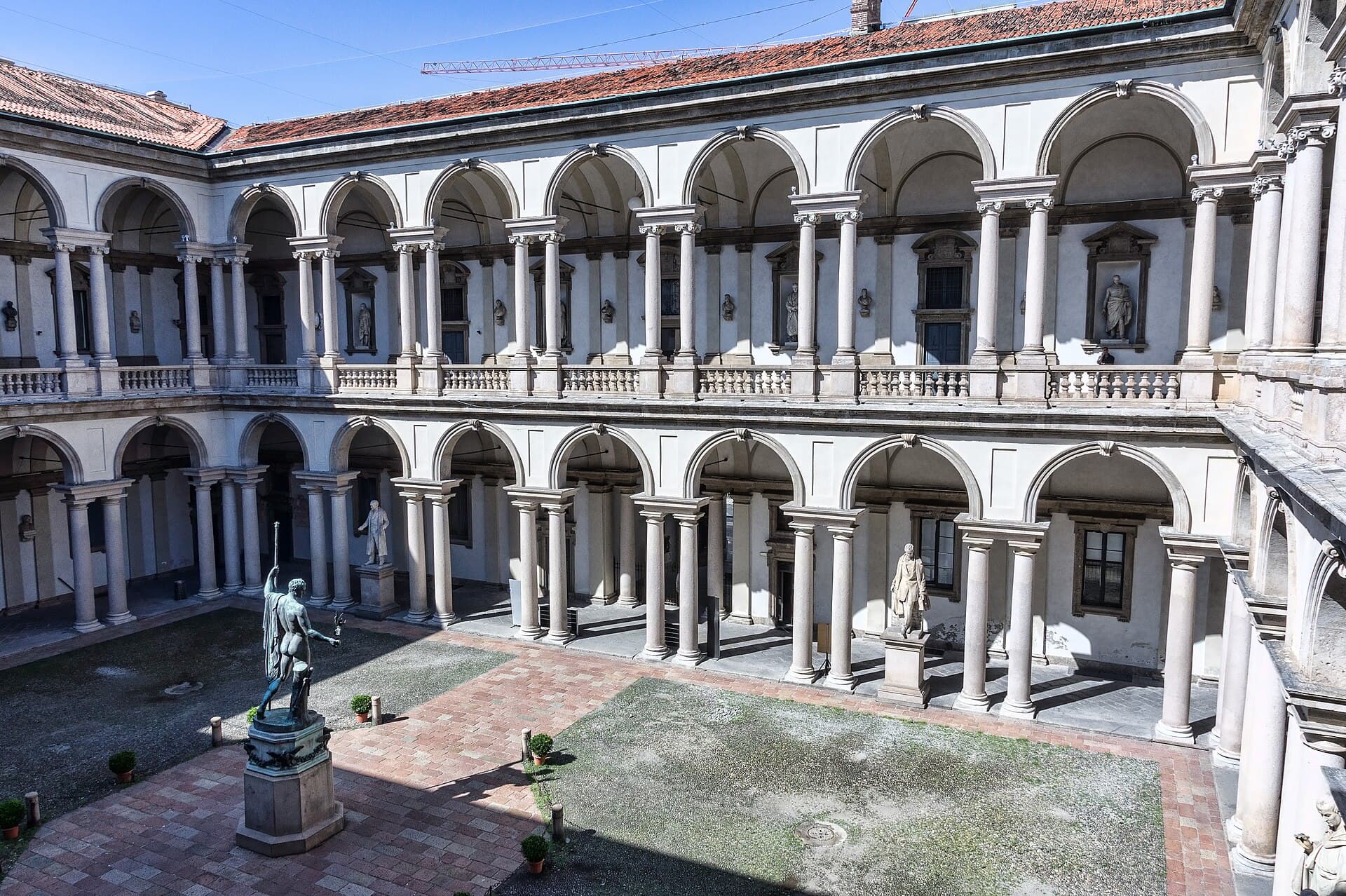 Pinacoteca di BreraThe Brera is Milan's greatest art museum and one of Europe's majors: in a palazz2 minutes walk4.6
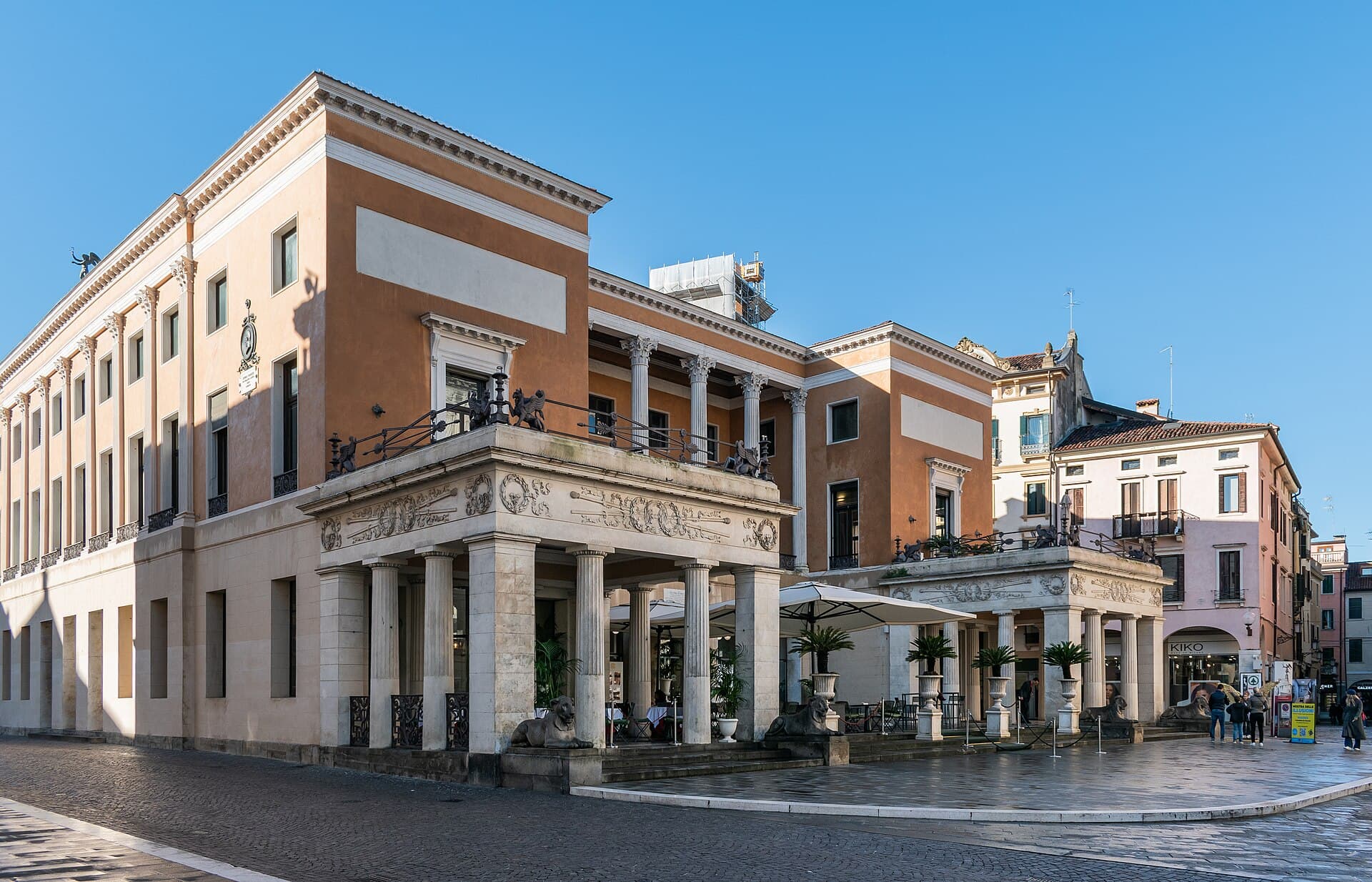 Museo del RisorgimentoA museum telling the story of Italy's nineteenth-century unification, in the Pal3 minutes walk4.6
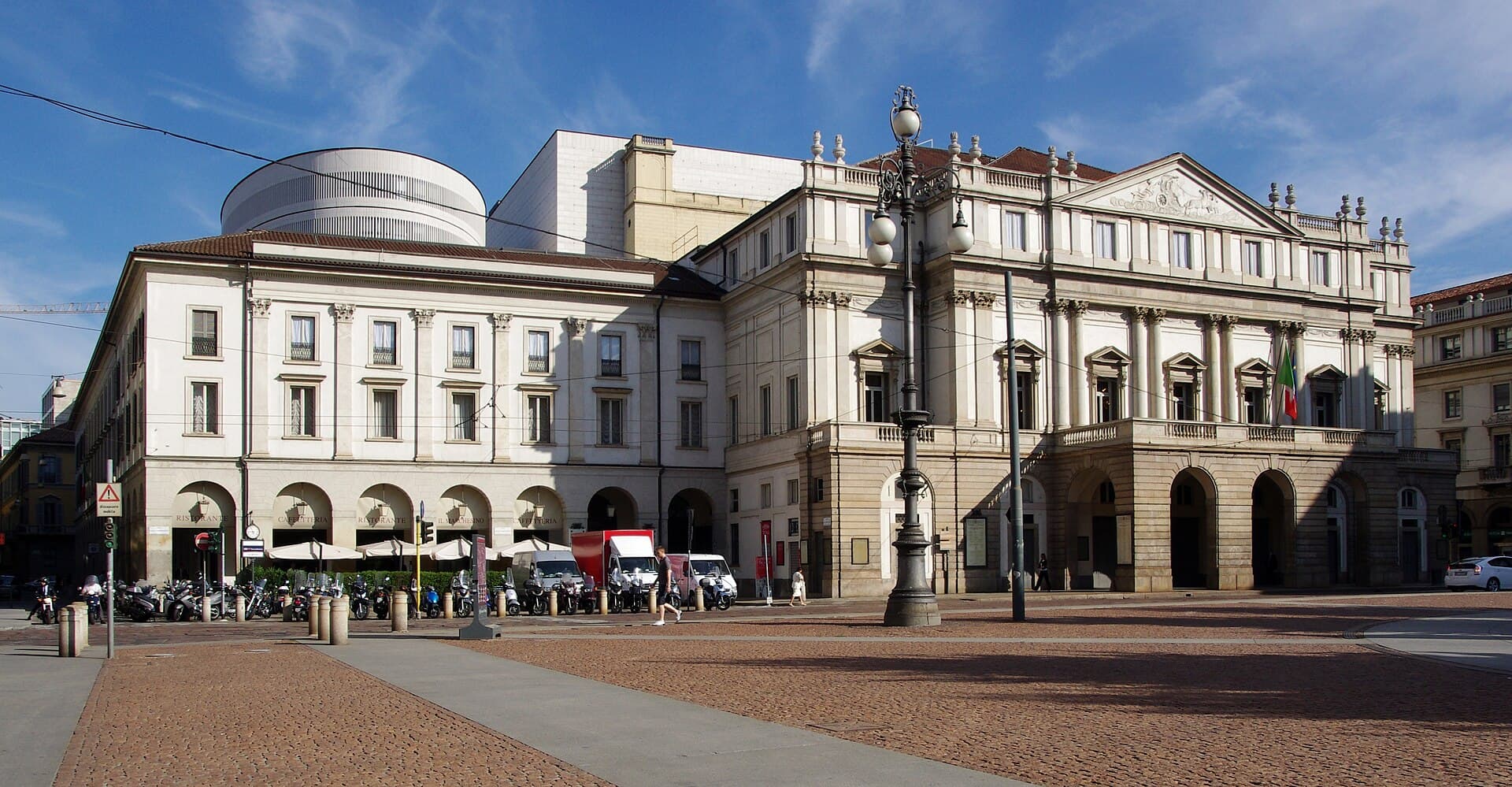 Teatro alla ScalaLa Scala is the world's most famous opera house: since 1778 its stage has premie4 minutes walk4.8
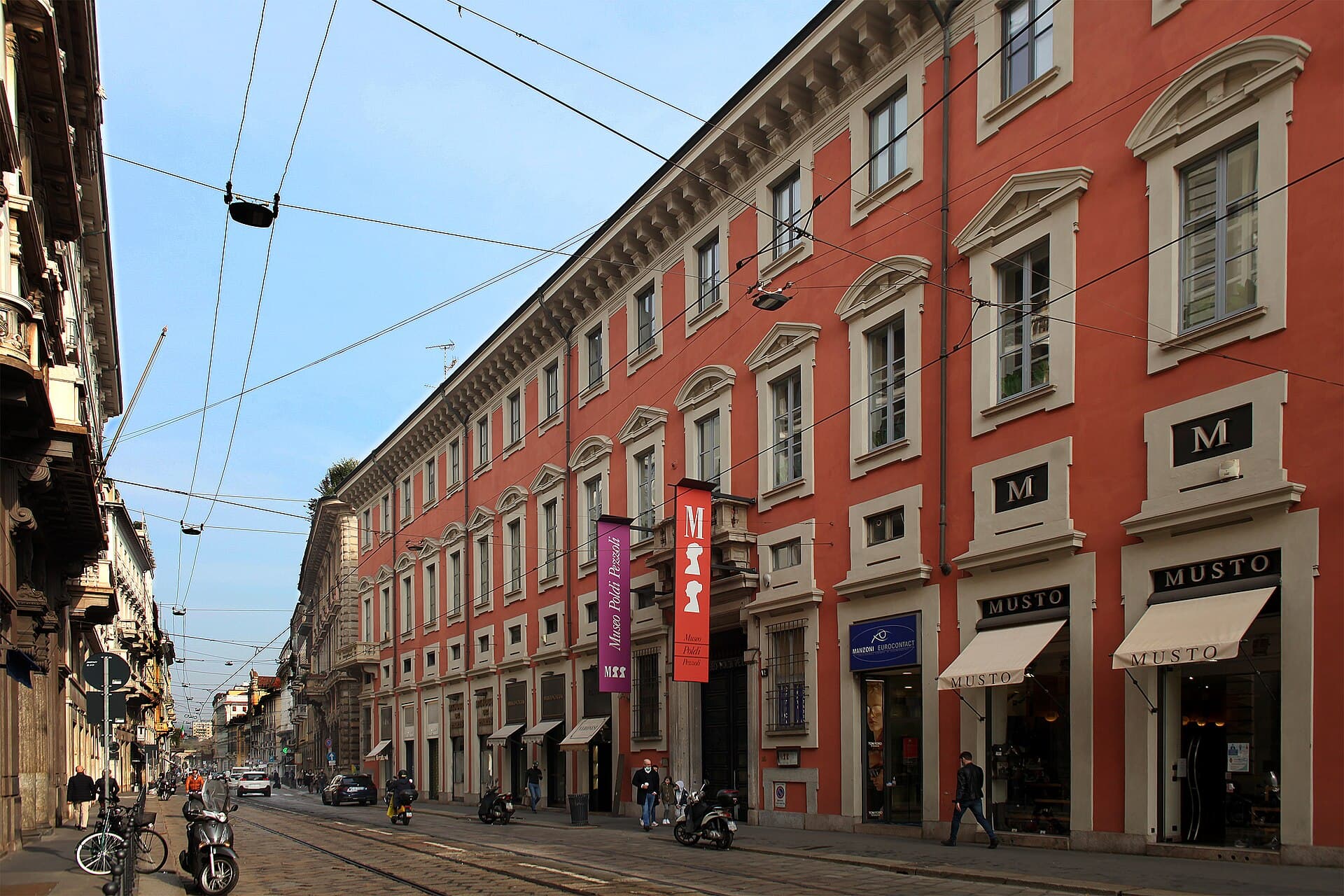 Poldi Pezzoli MuseumThe Poldi Pezzoli is a collector's house become museum — the model later famous 4 minutes walk4.6
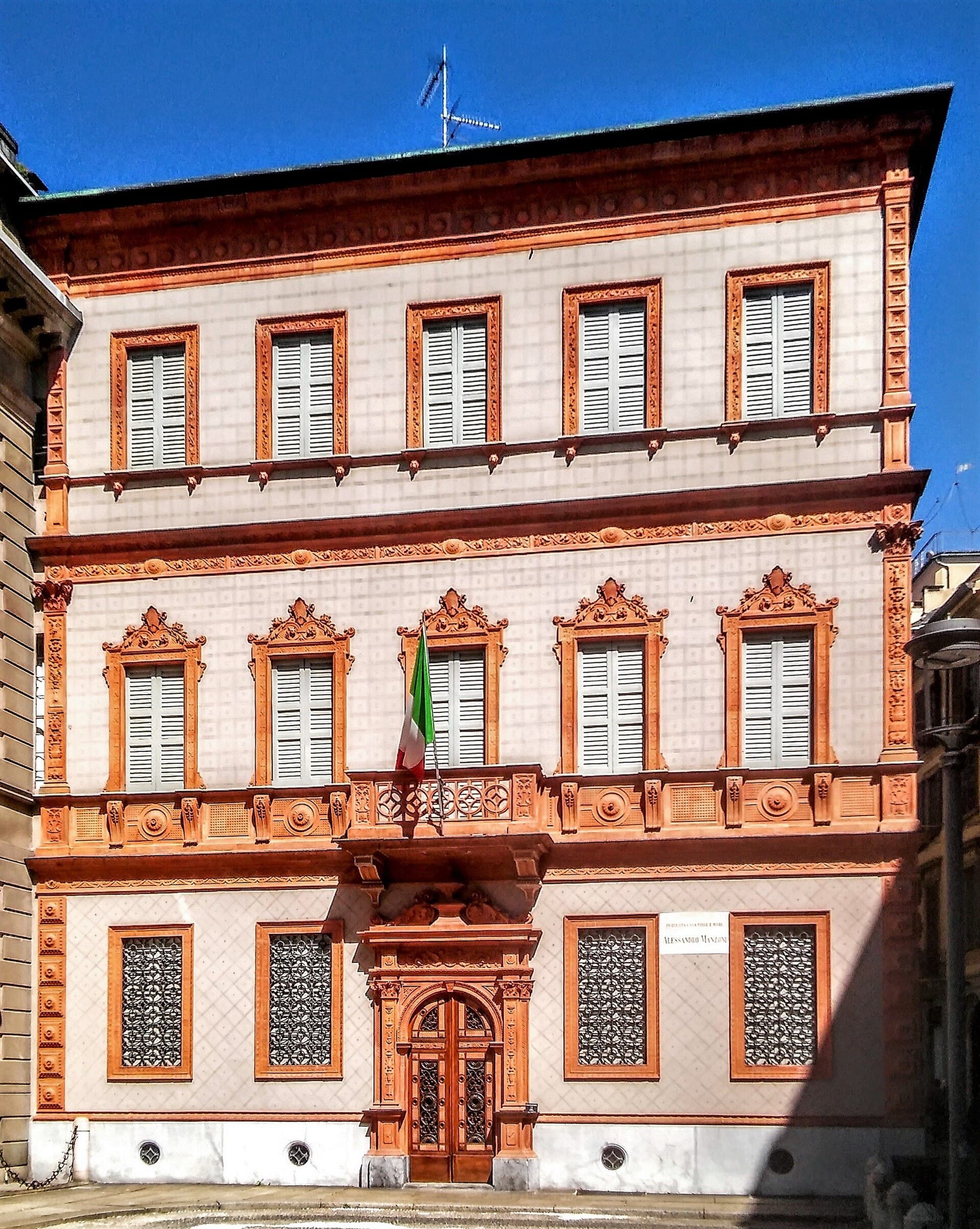 The Manzoni HouseThe house where the writer Alessandro Manzoni lived for about sixty years until 5 minutes walk4.4
It depends on your taste. The Pinacoteca is old masters end to end; Citterio is the twentieth century. They complete each other rather than repeat each other. If you left the Pinacoteca saturated with altarpieces and modern art does nothing for you, skip it with a clear conscience. If you plan on both, buy the 20-euro combined ticket from the start — it is cheaper and valid on the same day or across the six days that follow.
Reasonably, yes — more because it is small and short than because it is built for them. There are no dedicated trails or activities, and much of the work is abstract enough that young visitors will not linger. But the visit is over in an hour, the underground halls are roomy to walk through, and the garden at the end saves the day. With children under seven, treat it as one short stop inside a day in Brera rather than the destination itself.