
A recent war
It ended in 1995, so it is present in people's lives, not only in books.
Kaiser87 — CC BY-SA 3.0 · SchiDD — CC BY-SA 4.0 · putnik — CC BY-SA 4.0 · putnik — CC BY-SA 4.0
A museum documenting the Croatian War of Independence of 1991 to 1995, housed in the Gripe fortress above Split. The war is the founding event of modern Croatia, and it is recent enough to be present in people's lives rather than only in books. Croatia declared independence from Yugoslavia in 1991, and four years of fighting followed against the Yugoslav People's Army and Croatian Serb forces, including the siege of Dubrovnik and the destruction of the city of Vukovar. The displays are weapons, uniforms, documents, photographs and fighters' personal effects, with maps setting out the course of operations. The museum presents a Croatian account of the war, and a visitor should know that: this is a recent conflict whose narratives remain contested between the countries of the region. Practical points: entry is ticketed and hours may be limited — check before going. The site is in the Gripe fortress on high ground east of the old town, a short climb on foot. The content may be heavy for children.
It ended in 1995, so it is present in people's lives, not only in books.
The museum gives one account of a war whose narratives remain contested.
Gripe is a seventeenth-century Venetian fort, and the building is part of the story.
Gripe, Split
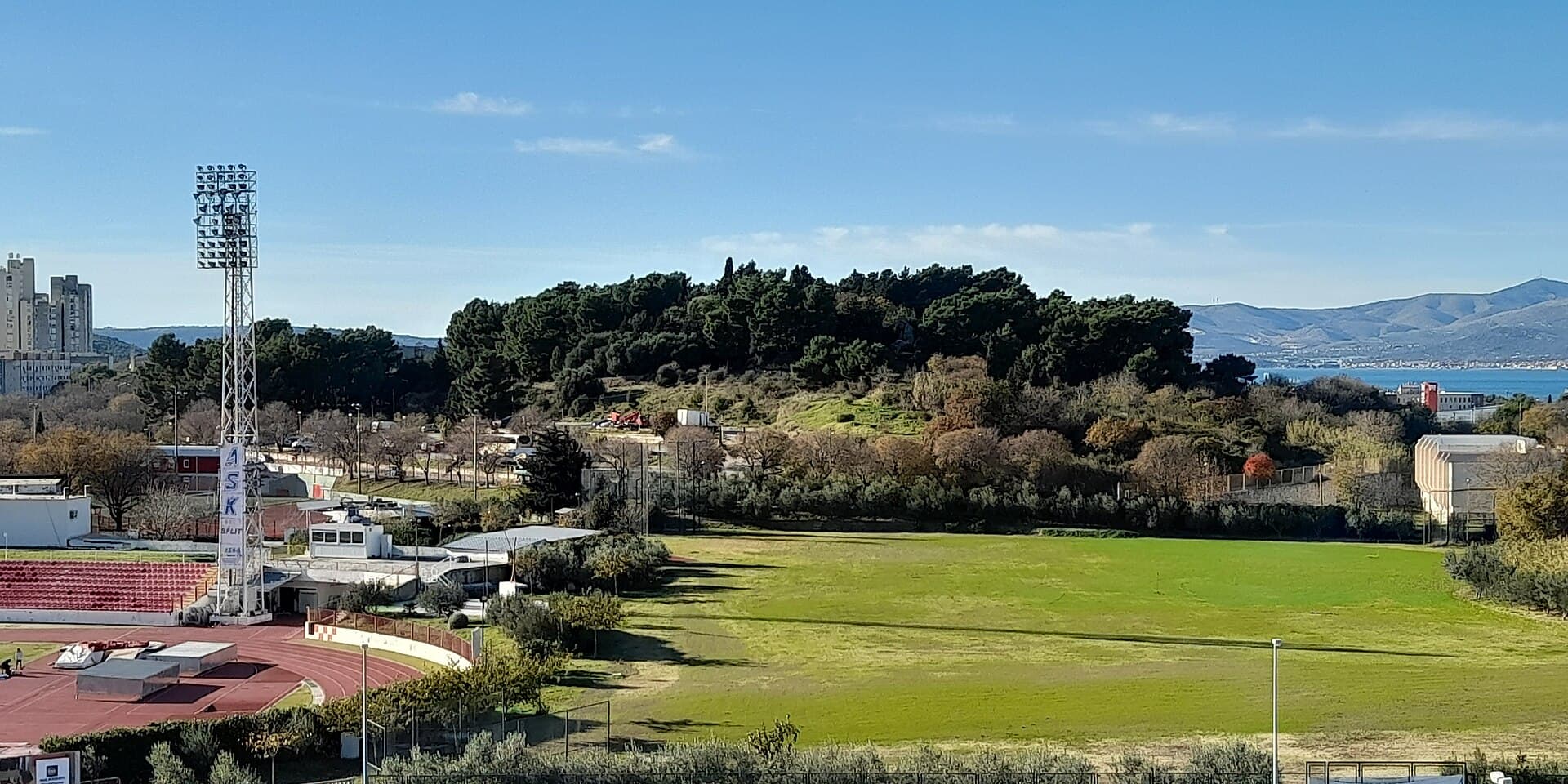 The Turkish TowerA square stone tower north of Split, a remnant of a defensive system Venice buil7 minutes walk4.3
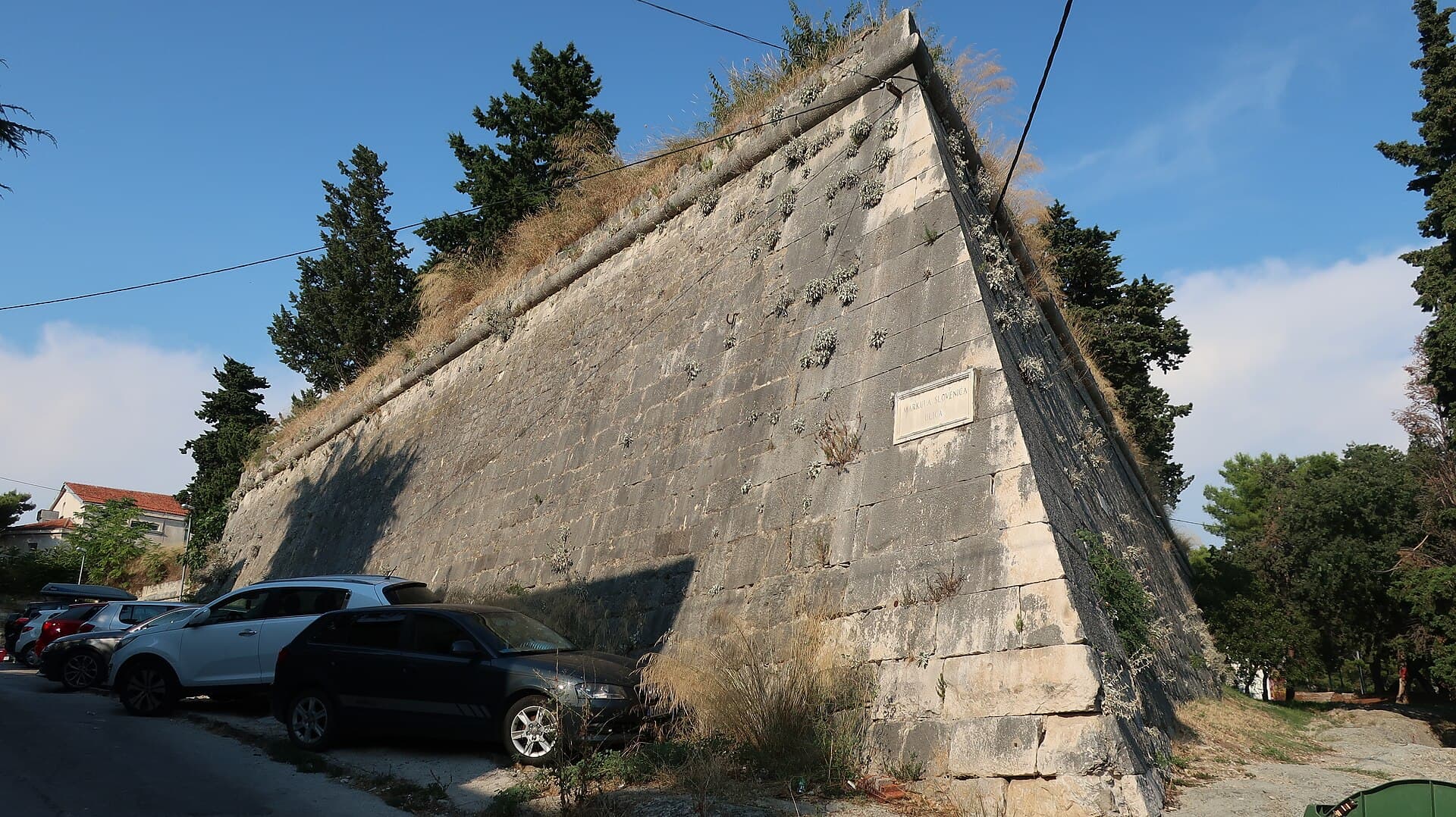 Gripe Fortress and the Maritime MuseumGripe is a seventeenth-century Venetian military work on a rise east of the old 15 minutes walk4.5
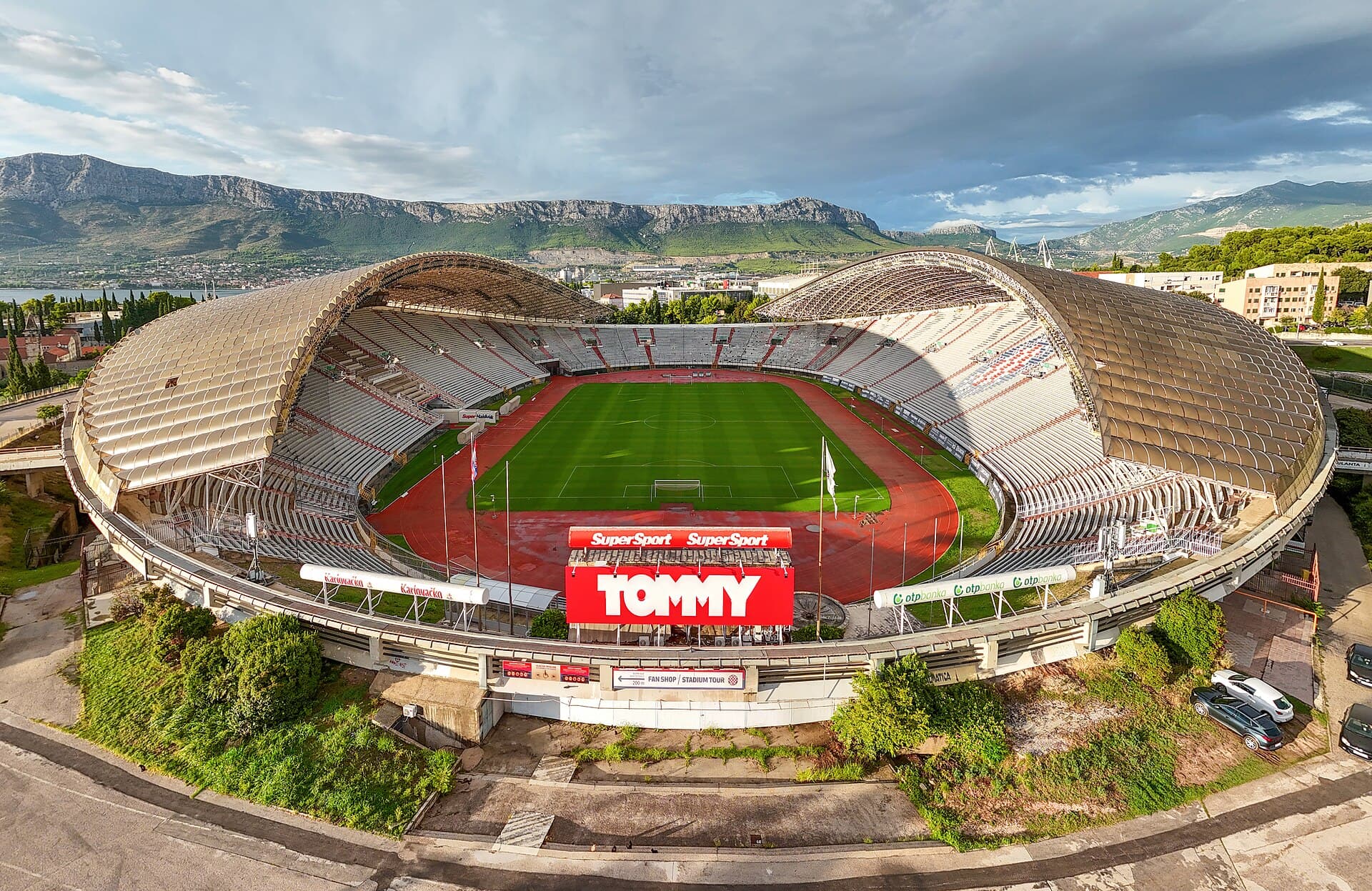 Poljud StadiumSplit's football stadium and the home of Hajduk, opened in 1979 to host the Medi15 minutes walk4.9
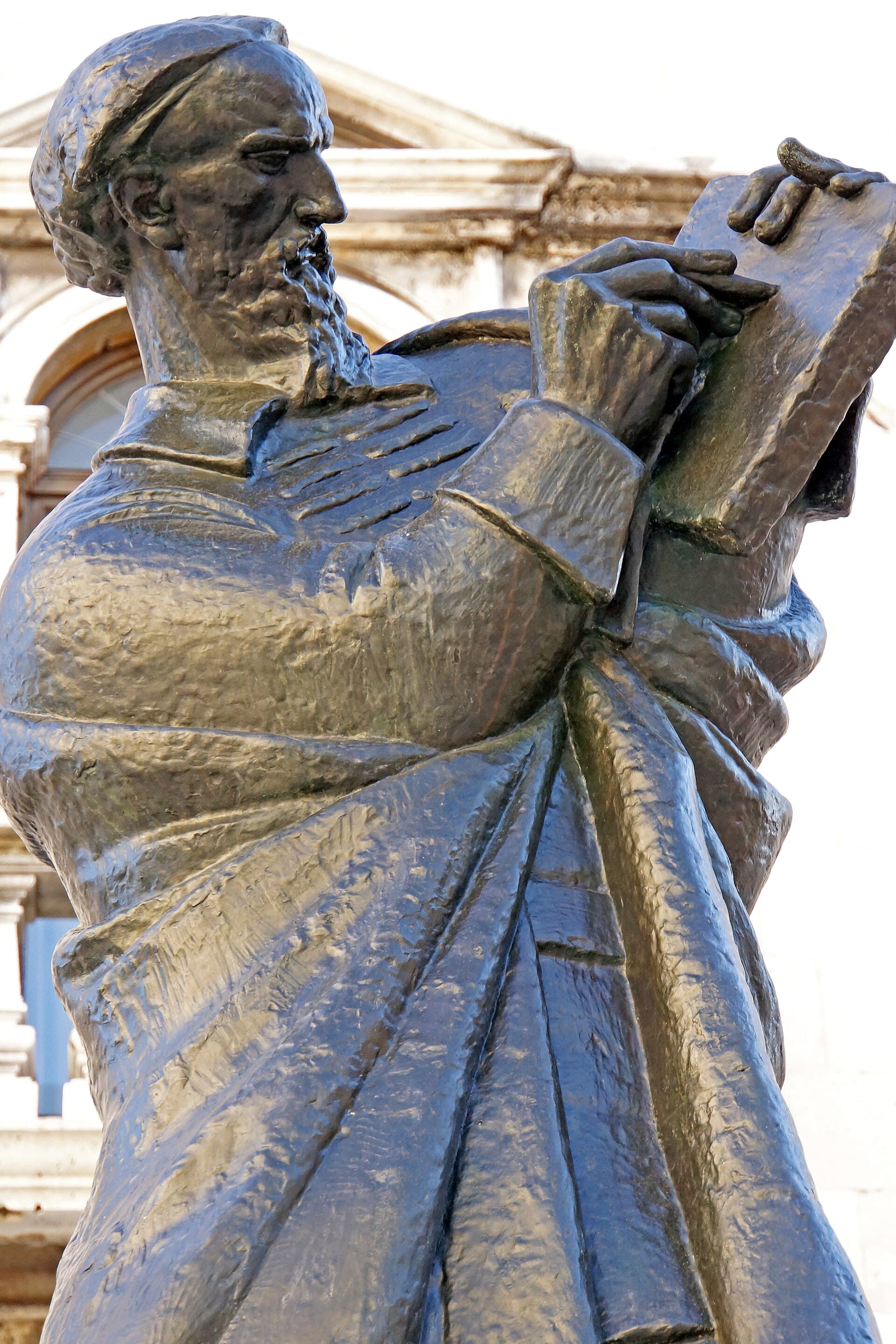 Marulić PalaceA historic house in old Split associated with the Marulić family, which produced16 minutes walk4.4
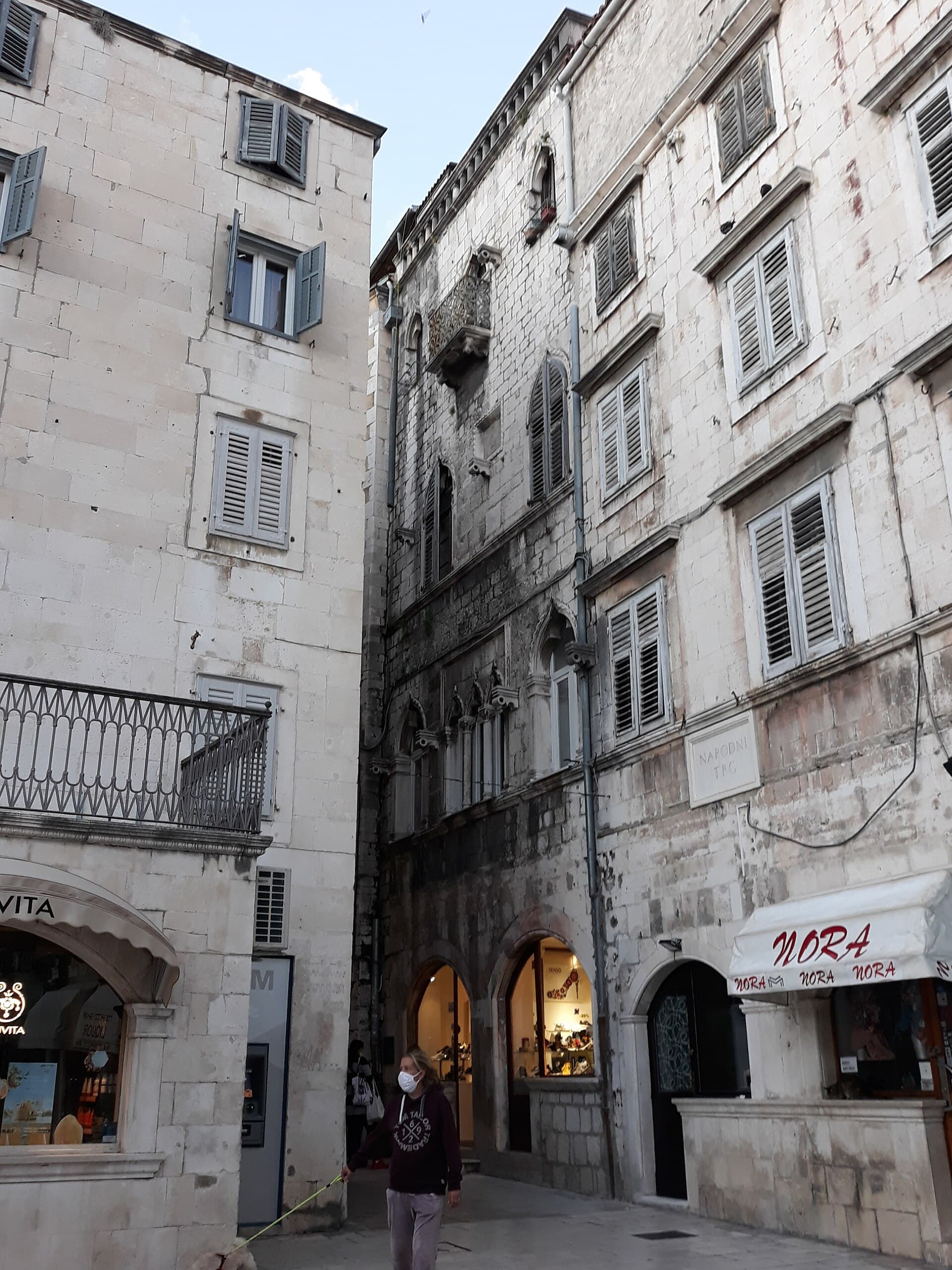 Cambi PalaceA Renaissance palace on Split's People's Square, built by the Cambi family — one16 minutes walk3.5
It began in 1991 when Croatia declared independence from Yugoslavia, prompting intervention by the Yugoslav People's Army and Croatian Serb forces who declared a separate entity across about a third of the country. Fighting continued until 1995, ending with the Croatian operations Flash and Storm which recovered most of the territory. The war left tens of thousands dead and large displacements in both directions, and trials and disputes over its memory continue.
If understanding contemporary Croatia matters to you, yes — Diocletian's palace explains the distant past and this explains the present. If you are here for the sun and the islands it may not be a priority. Know that the content is military and direct rather than a neutral exhibition.