
Capibaribe River
Views from the bridge.
Elvis Boaventura — CC BY 3.0 · Leonardo Rivello — CC BY-SA 2.0 · Joelkaula — CC BY-SA 4.0 · Elvis Boaventura — CC BY 3.0
The Maurice of Nassau Bridge links the old island of Recife with the Santo Antônio district, and on its site stood Brazil's first large bridge. It dates back to Dutch rule in north-east Brazil, when the island was overcrowded and its land losing value for want of access, so Count John Maurice of Nassau ordered a bridge across the river mouth. The contract went to the architect Baltazar de Affonseca, who promised to finish it in two years; work began in 1642 but stopped the following year. Fearing embarrassment, the count took charge himself and paid from his own pocket, and when costs ran over with ten pillars still to go he finished it in water-resistant timber instead of stone. It opened on 28 February 1644 as the «Recife Bridge», half stone and half wood and twice the length of today's. The bridge has been rebuilt several times over the centuries, and the present one bears its first founder's name. It is a few minutes' walk across, between Praça da República and the Santa Isabel Theatre on one side and the streets of Recife Antigo and the Kahal Zur Israel synagogue on the other, with views over the Capibaribe River.
Views from the bridge.
Across the water.
17th century.
Between Recife Antigo and Santo Antônio, Recife
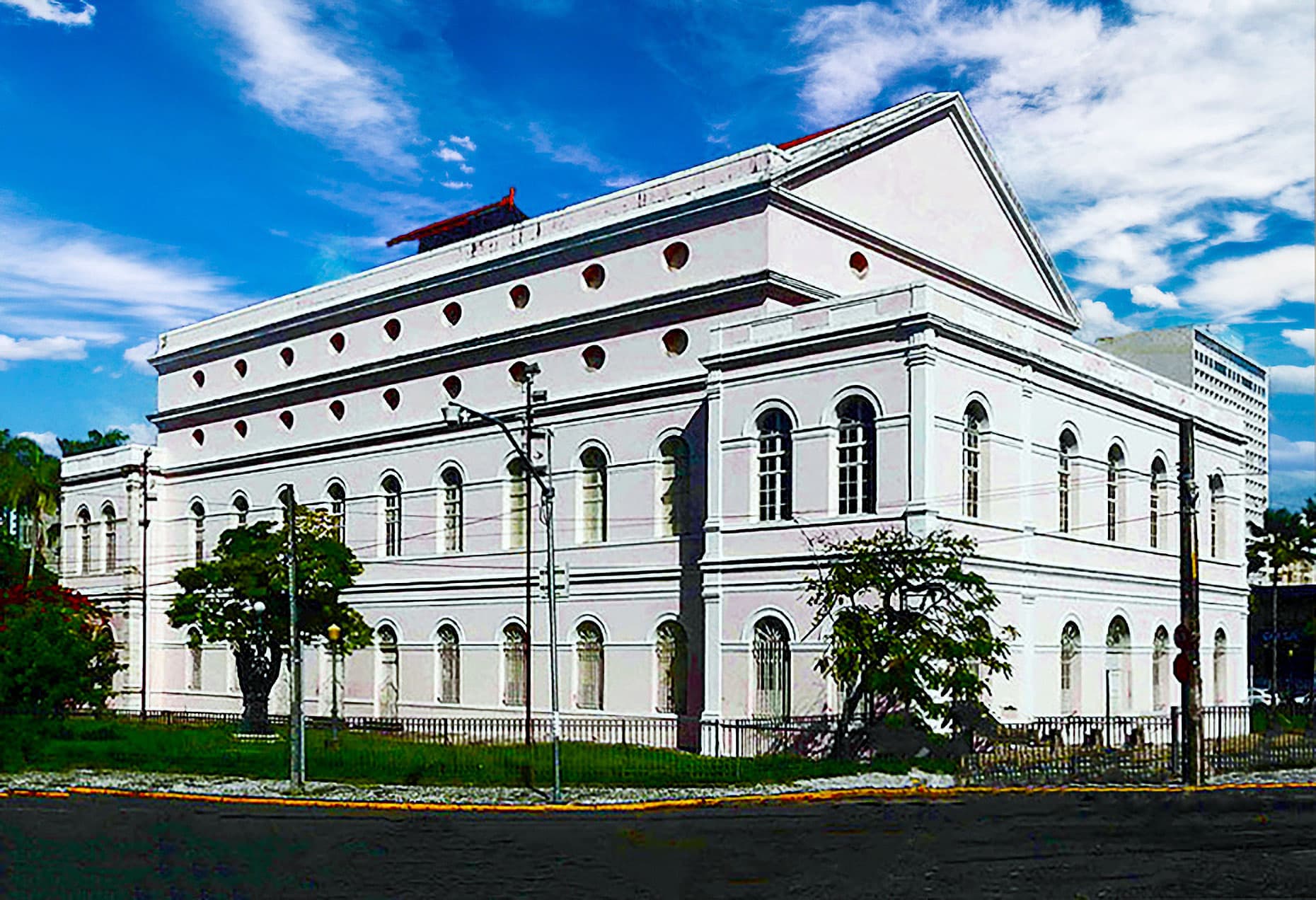 Teatro de Santa IsabelThe Santa Isabel Theatre is a rare example of genuine neoclassical architecture 6 minutes walk4.9
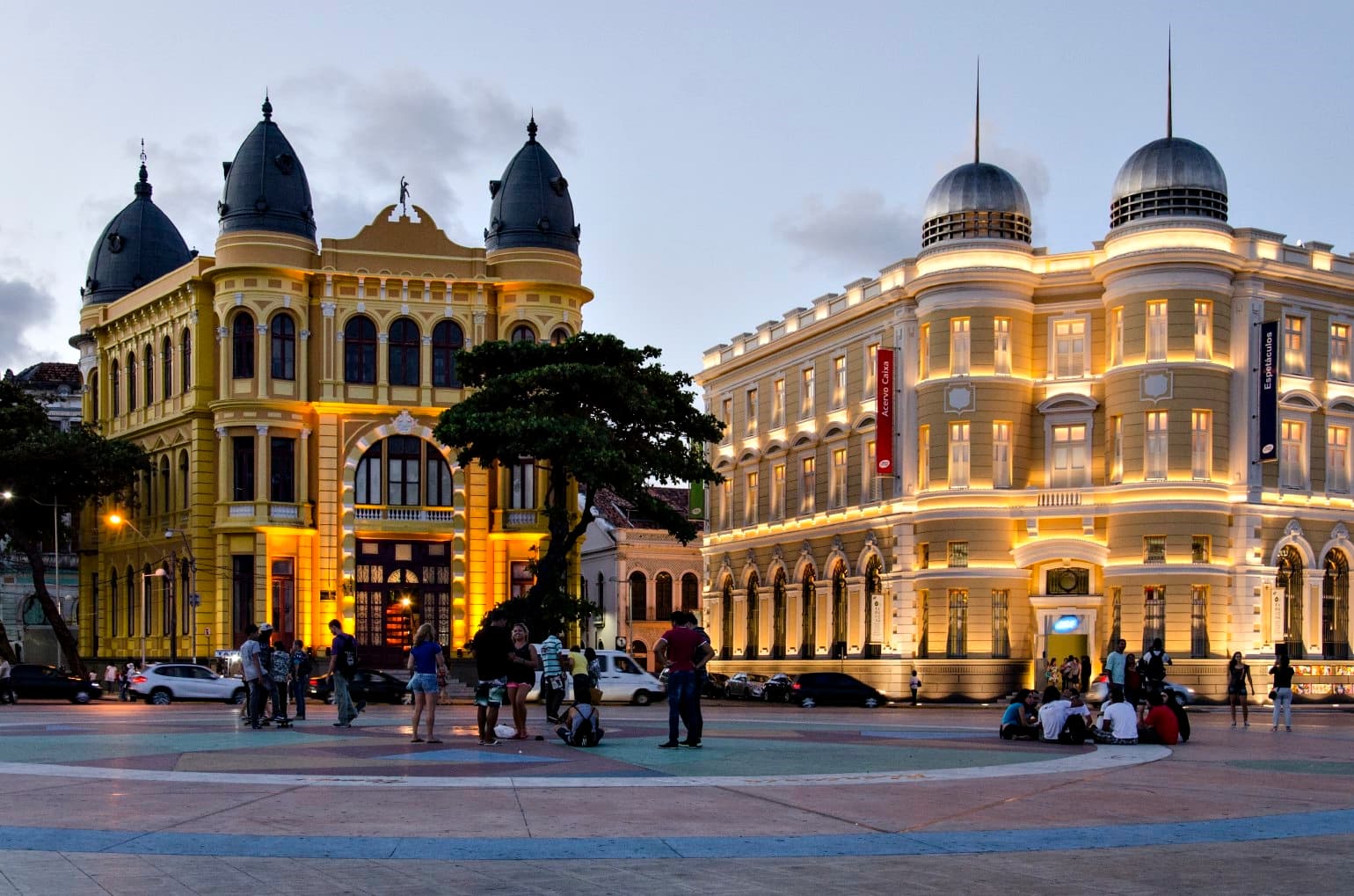 Recife Antigo and Marco ZeroRecife Antigo is the district where the city was born, today an island where the6 minutes walk4.6
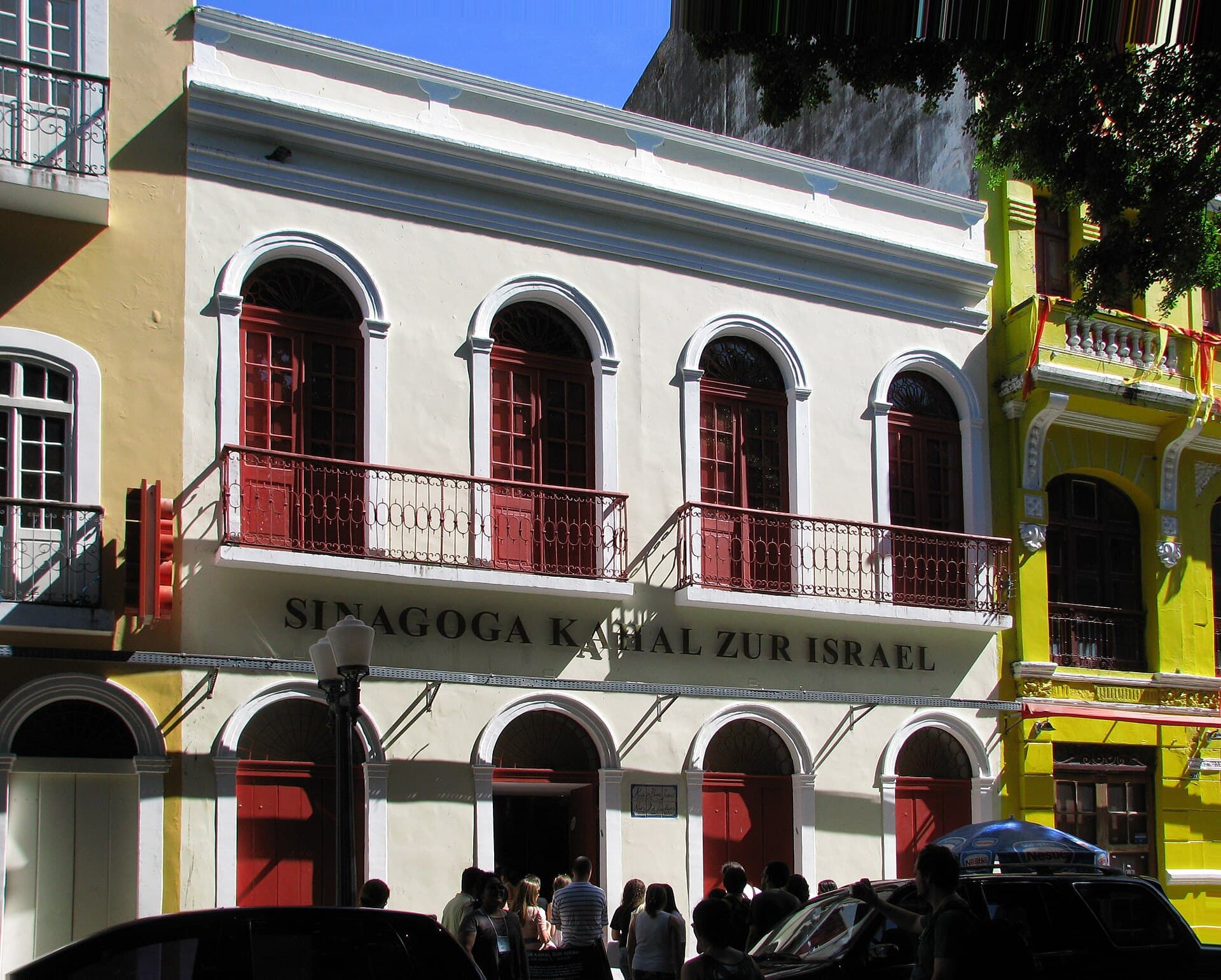 Kahal Zur Israel SynagogueKahal Zur Israel is a history museum on the site of the first synagogue built in6 minutes walk4.8
 Paço do FrevoThe Paço do Frevo is a museum and cultural centre devoted to frevo, Recife's fas6 minutes walk4.8
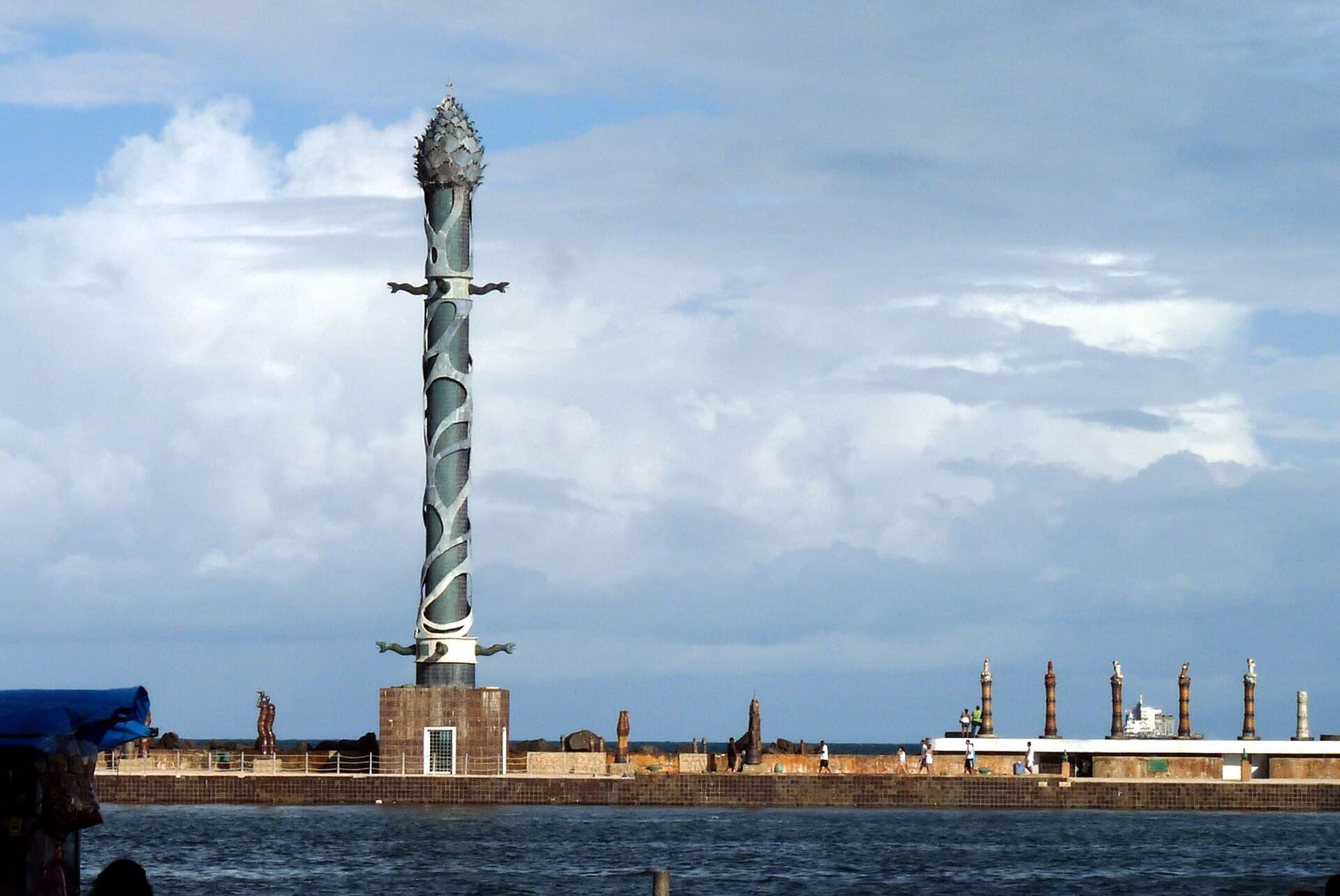 Francisco Brennand Sculpture ParkThe Francisco Brennand Sculpture Park is an open-air museum on the reef that she9 minutes walk4.6
It opened in 1644 on Count John Maurice of Nassau's orders, half stone and half wood.