
Marco Zero square
Right on the water.
Portal da Copa/ME — CC BY 3.0 br · Hans von Manteuffel — CC BY-SA 4.0 · Hansfotos — CC BY-SA 4.0
Recife Antigo is the district where the city was born, today an island where the Capibaribe and Beberibe rivers meet the Atlantic. It grew up in the 16th century around a port shipping brazilwood and the sugar of Olinda, then the regional capital, and was laid out by the Dutch when they ruled the area; by the time they left in 1654 it had some three hundred buildings. The heart of the district is Marco Zero square, the zero point from which the city's distances are measured, right on the water and facing the reef barrier that gave the city its name. Around it stand early 20th-century buildings in the style of Paris, for the district was remodelled after the modern port opened in 1918; it then declined when shipping moved to the port of Suape in the 1980s, before returning as a hub of culture and nightlife. Its loveliest street is Rua do Bom Jesus with its coloured houses, home to the old Kahal Zur Israel synagogue, with the Paço do Frevo museum close by. The district is busy in the evenings and at weekends, and many of its restaurants are bars.
Right on the water.
Coloured houses.
That named the city.
Bairro do Recife, east of the historic centre
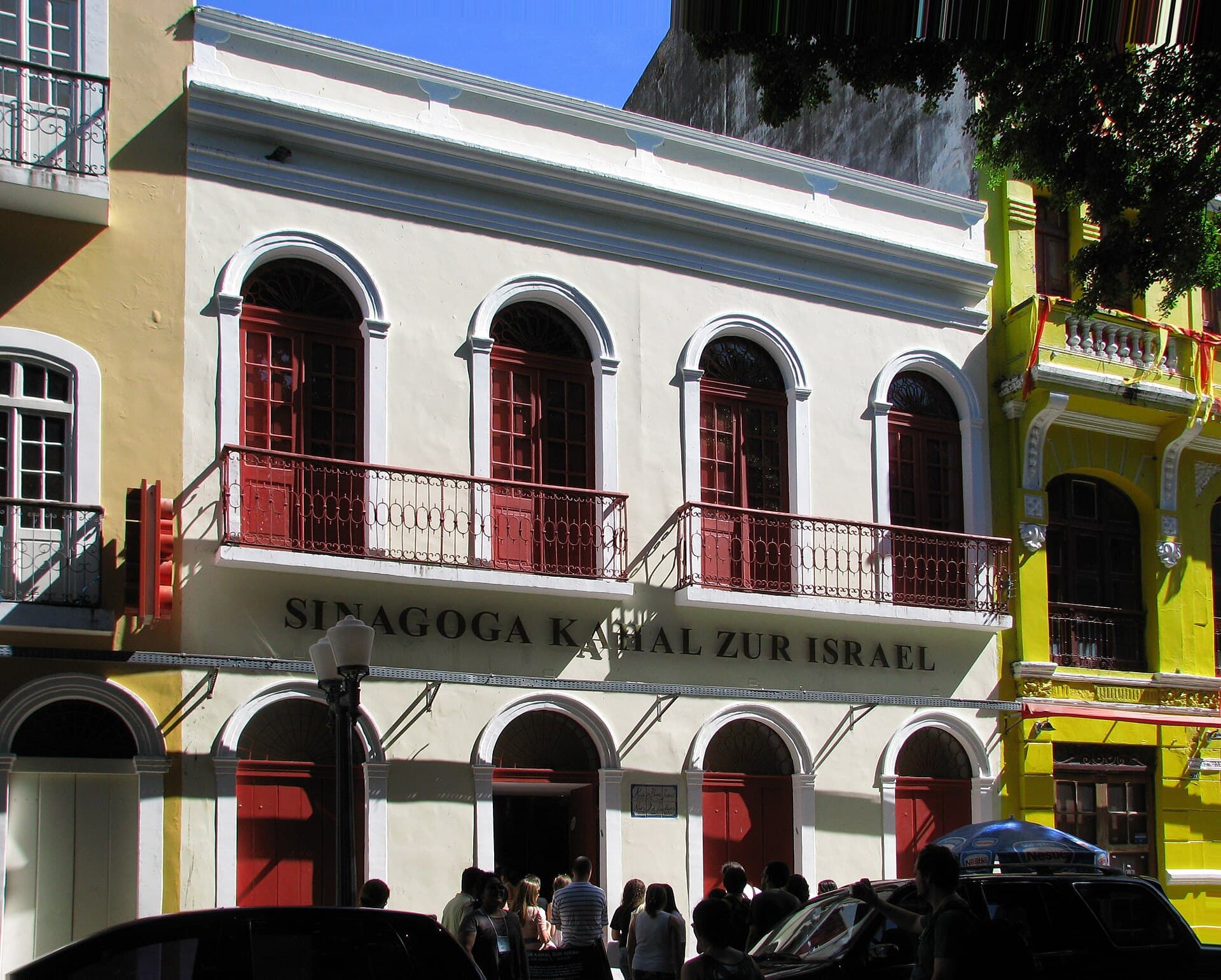 Kahal Zur Israel SynagogueKahal Zur Israel is a history museum on the site of the first synagogue built in2 minutes walk4.8
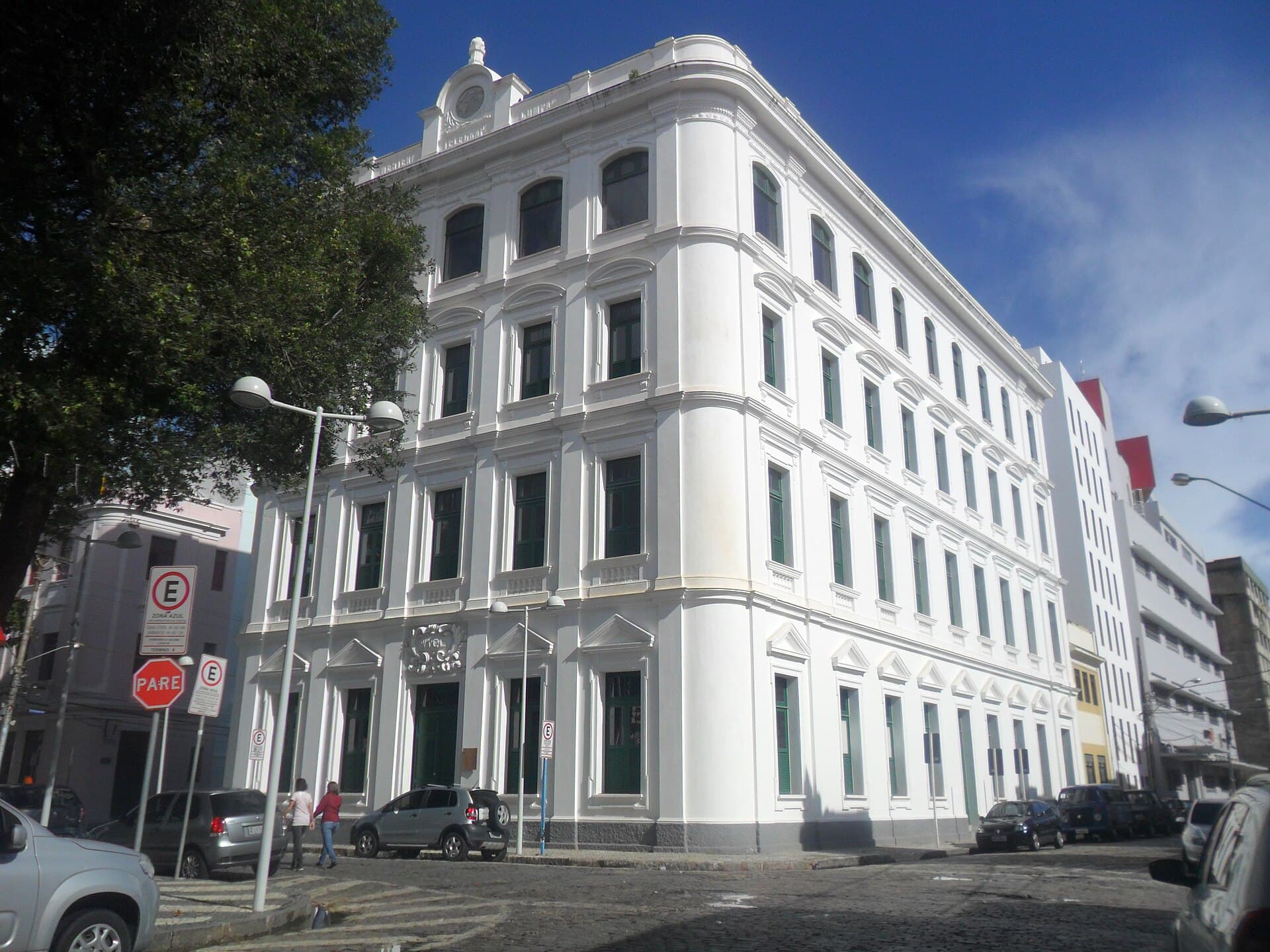 Paço do FrevoThe Paço do Frevo is a museum and cultural centre devoted to frevo, Recife's fas2 minutes walk4.8
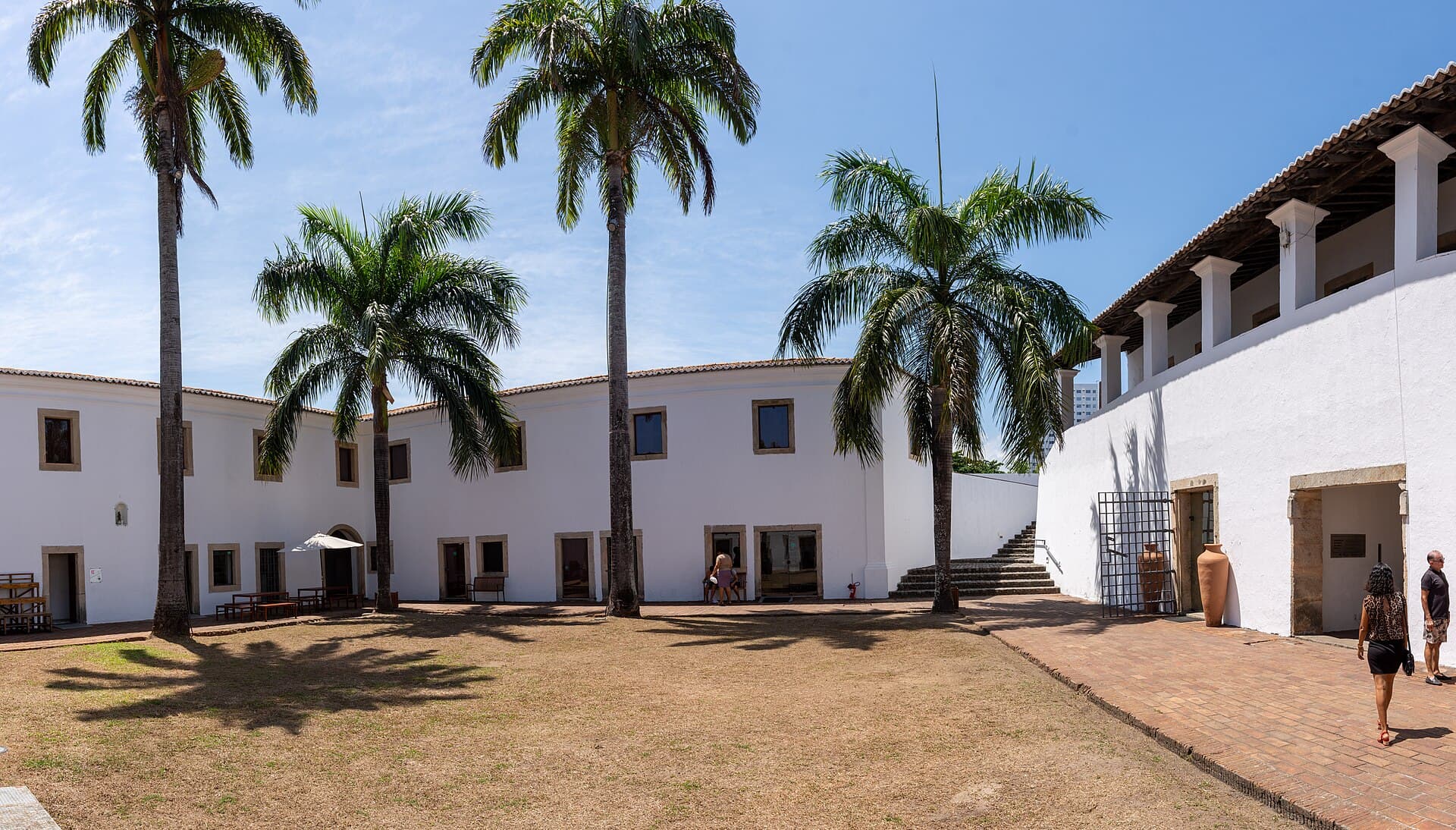 Forte das Cinco Pontas (Recife City Museum)Forte das Cinco Pontas, the Fort of the Five Points, was built by the Dutch in 118 minutes walk4.5
From the reef barrier running along its coast; recife means reef in Portuguese, and the port was first known as the Reef of the Ships.