
The historic cellars
The eighteenth-century merchants' cellars themselves are the museum.
Ji-Elle — CC BY-SA 4.0 · Public domain · Public domain · Public domain
The Museum of Wine and Trade sits in the historic wine merchants' cellars of the Chartrons quarter — the heart of Bordeaux's wine trade for centuries. The eighteenth-century stone cellars themselves are the museum: explaining how trade built Bordeaux, barrel to export, and the secrets of regions and varieties. It is a small, practical museum more than an artistic one — but its distinction is that the ticket usually includes a tasting of two Bordeaux wines at the end, making the visit a sensory as well as informational experience. For a Muslim visitor who does not drink: the value is in understanding the city's economy, its trade history and its cellar architecture — the tasting is optional. Steps from the Garonne bank and the old Chartrons quarter with its antique shops.
The eighteenth-century merchants' cellars themselves are the museum.
How trade built the city — barrel to world.
41 rue Borie, 33000 Bordeaux
 The Port of the MoonThe historic name for the port of Bordeaux and its whole riverfront, and the sou4 minutes walk4.8
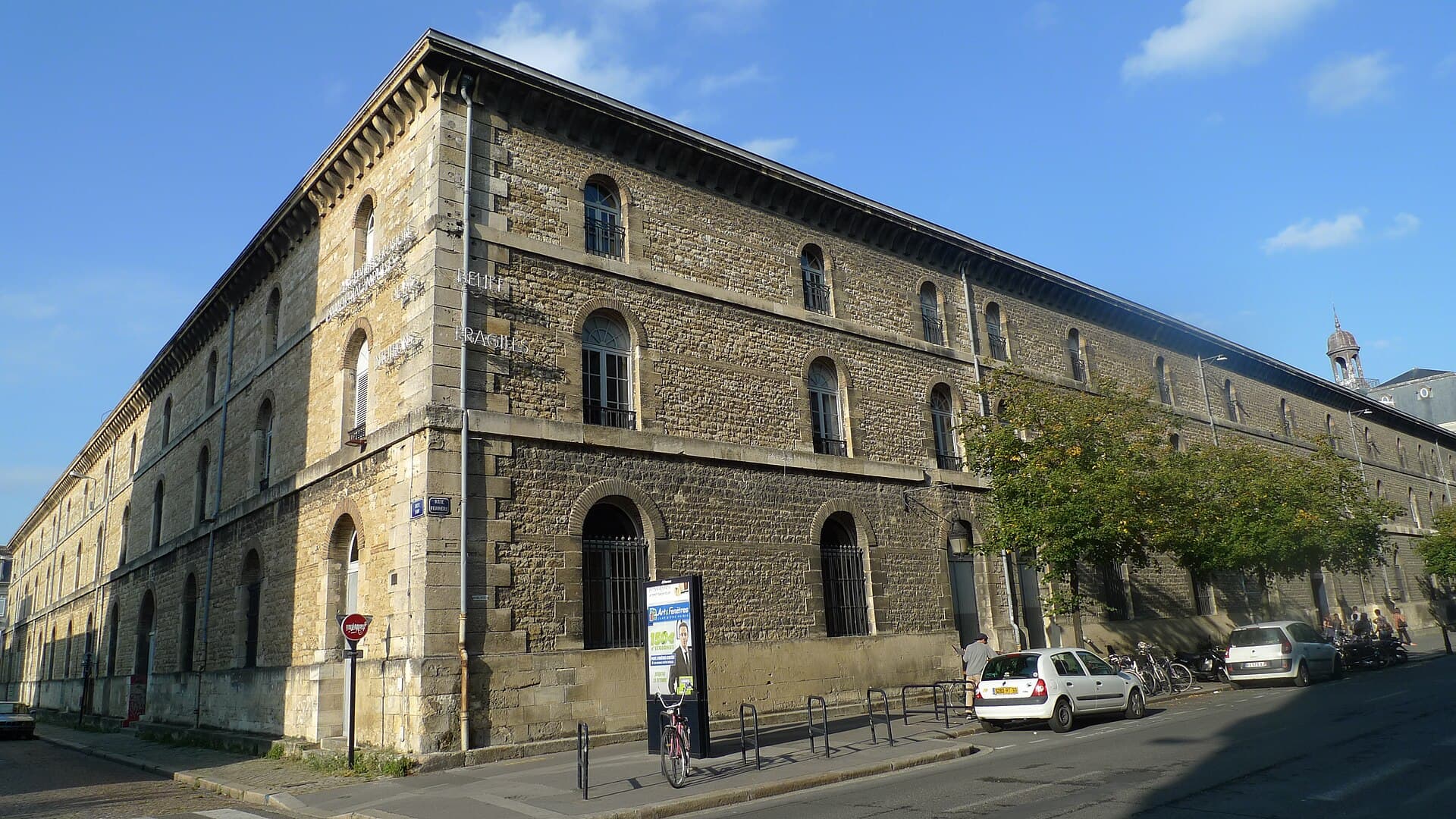 The Entrepôt LainéA vast colonial goods warehouse of 1824, converted into the CAPC museum of conte9 minutes walk4.4
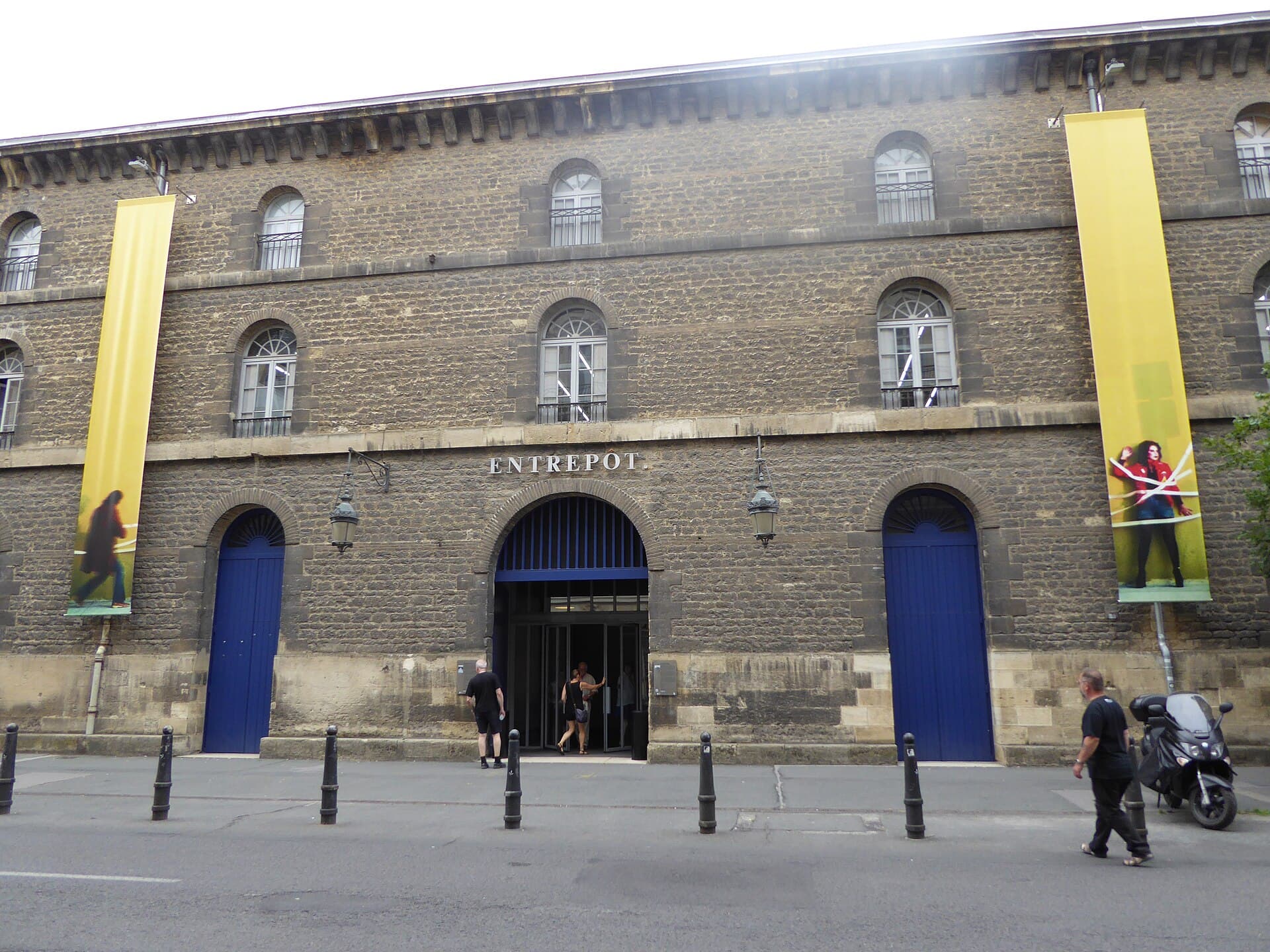 CAPC Museum of Contemporary ArtHere the building matters as much as what is in it. **CAPC** occupies the *Entre9 minutes walk4.0
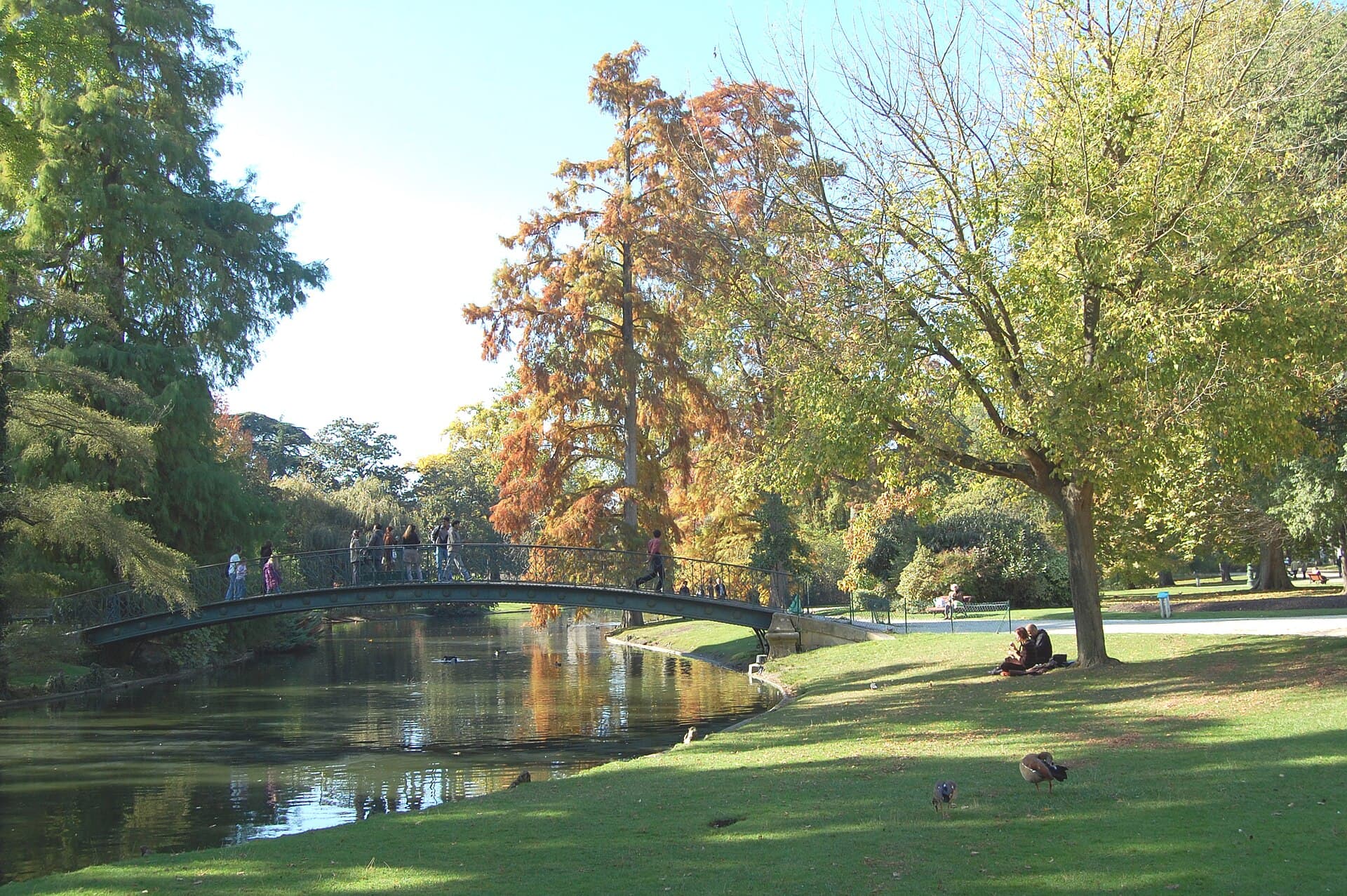 Jardin PublicThe Jardin Public has been Bordeaux's lung since 1746: laid as a royal French-st11 minutes walk4.5
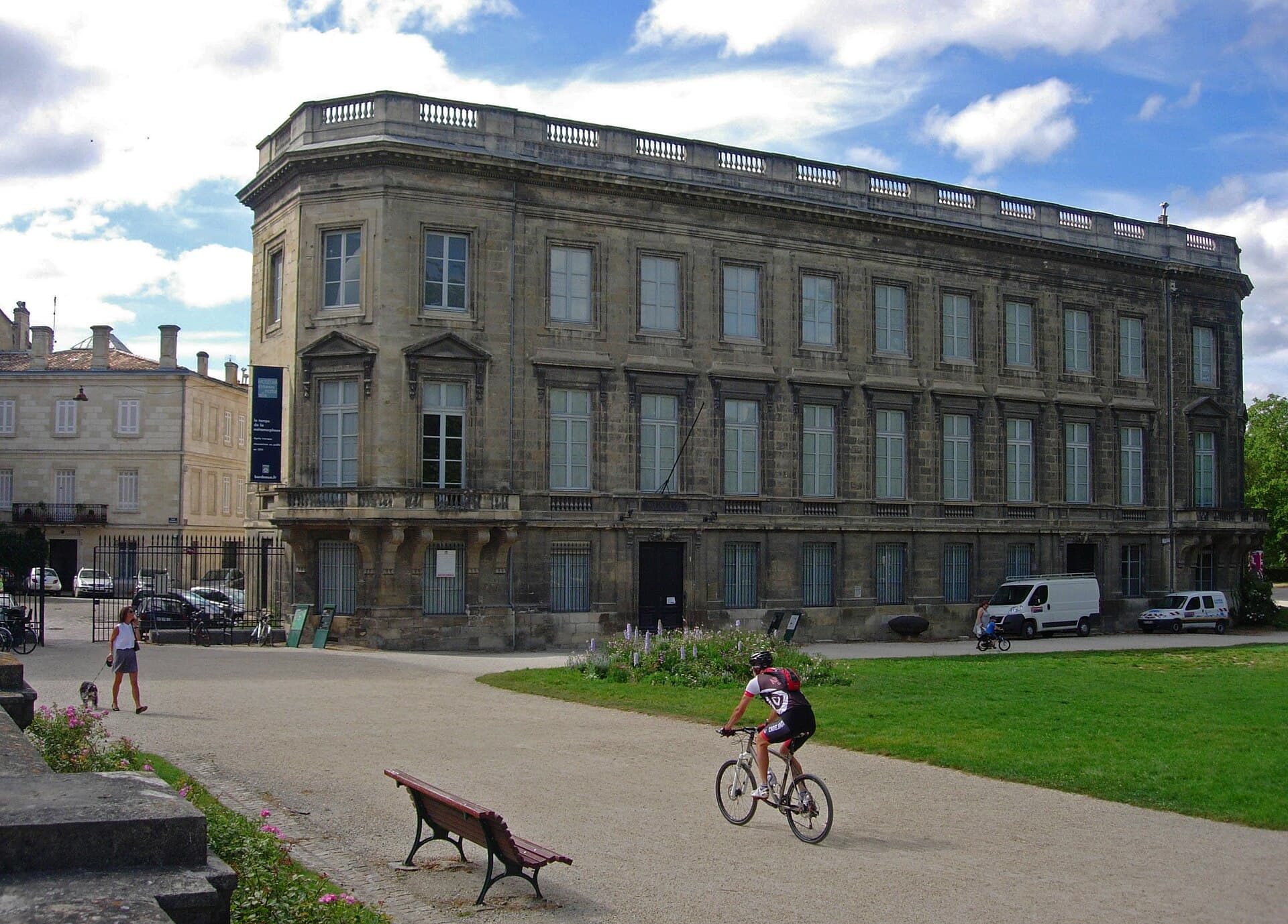 Muséum de Bordeaux — Science and NatureIt stands inside the **Jardin Public** in a small eighteenth-century mansion, an14 minutes walk4.7
Yes — the tasting is an optional end piece to skip, and the museum itself is about trade history, architecture and economy, not drinking. For understanding Bordeaux (built on wine) the informational value stands. The larger Cité du Vin is a wider experience but more wine-centred.