
On the Roman forum
The name itself points to its position over the ancient city's centre.
εΔω — CC BY-SA 3.0 · Patafisik — CC BY-SA 4.0 · Patafisik — CC BY-SA 4.0 · This Photo was taken by Andrea Bertozzi. Feel free to use my photos, but please mention me as the author and send me a message. — CC BY-SA 4.0
A small Romanesque church in central Verona whose name points to its position: it was built on the ground of the old Roman forum. That is what makes it interesting: Verona was an important Roman city, and its modern centre stands directly on that ancient plan. Corso Porta Borsari, the street the church stands on, is the main Roman road, and the Roman Borsari gate at its end still stands. The church itself is roughly twelfth century, rebuilt after an earthquake, and its interior is simple with stone columns, arches and remains of wall painting. It is a small neighbourhood church rather than a major monument, and needs no more than a quarter of an hour. Its value is that it is on your route: Corso Porta Borsari is the natural way between Piazza Bra with the Roman arena and Piazza delle Erbe, and you will walk it inevitably. Entry is normally free, and it is a working place of worship with hours tied to services, possibly closing at midday.
The name itself points to its position over the ancient city's centre.
A Roman gate still standing at the end of the same street.
Columns, arches and remains of wall painting — no baroque ornament.
Corso Porta Borsari, central Verona
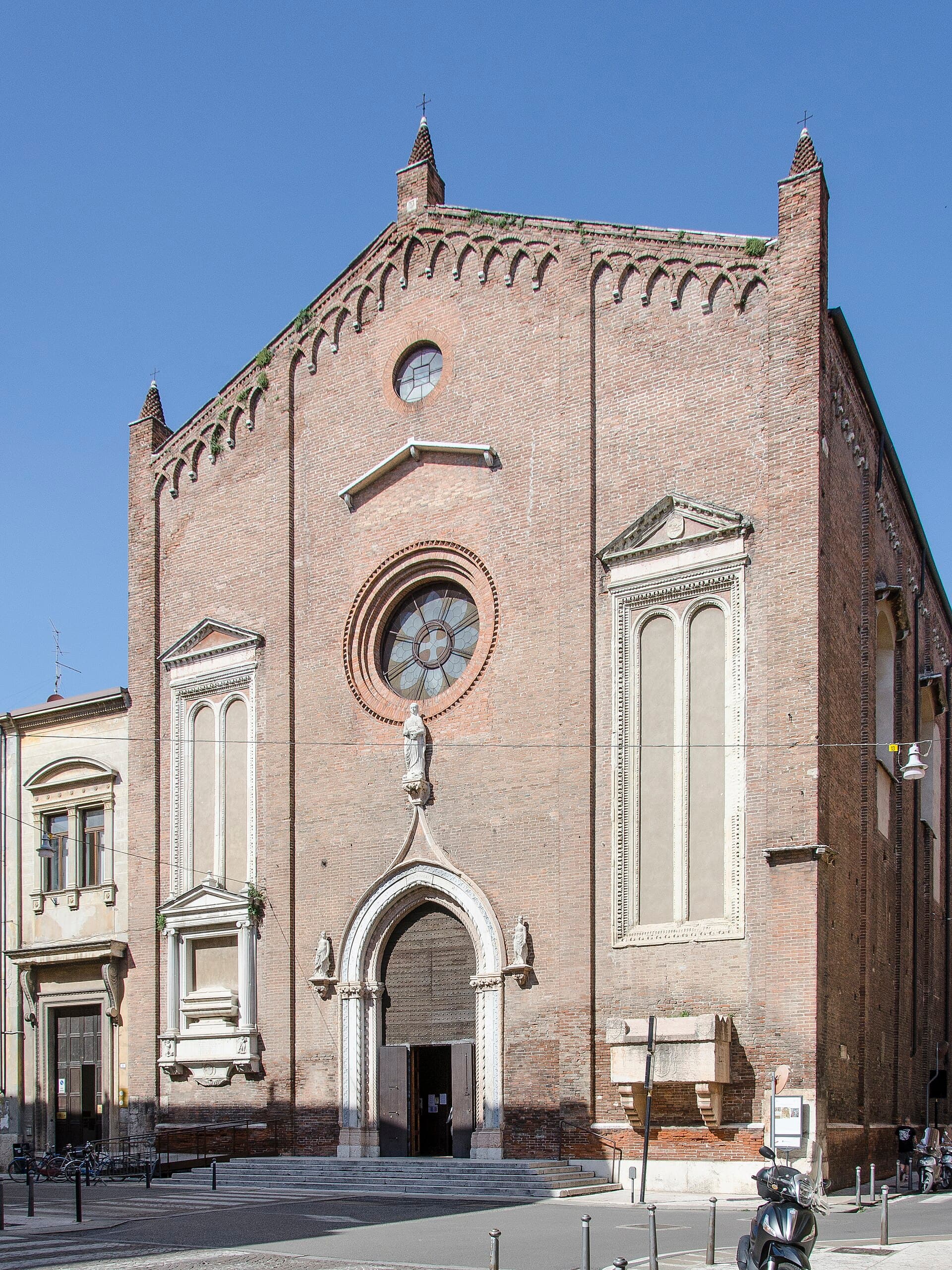 Sant'EufemiaA Gothic church in central Verona, built in the fourteenth century for the Augus2 minutes walk4.5
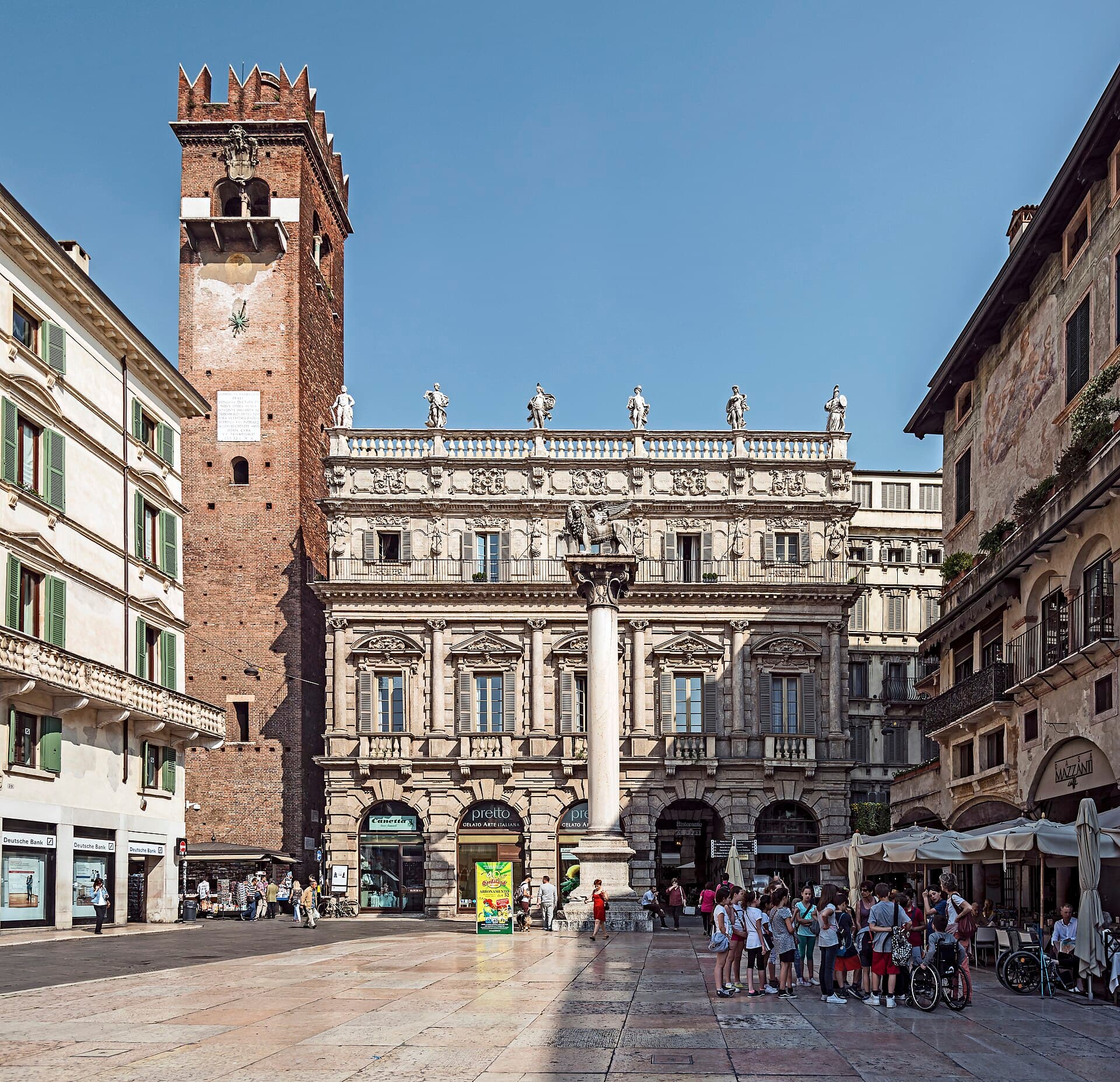 Piazza delle ErbePiazza delle Erbe is Verona's Roman forum that never stopped working — two thous2 minutes walk4.8
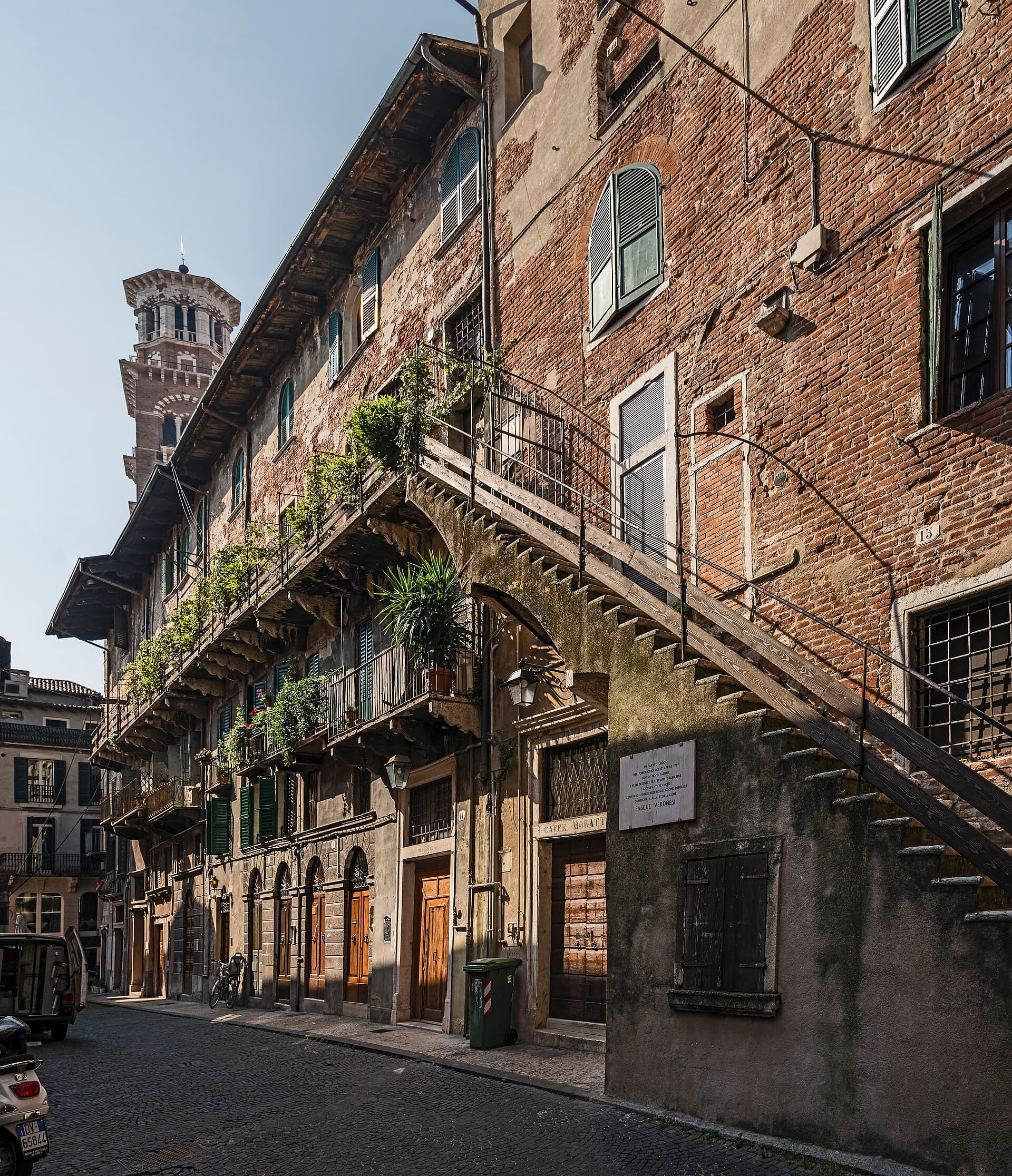 Case MazzantiA group of buildings on the Piazza delle Erbe in central Verona whose fronts are2 minutes walk4.5
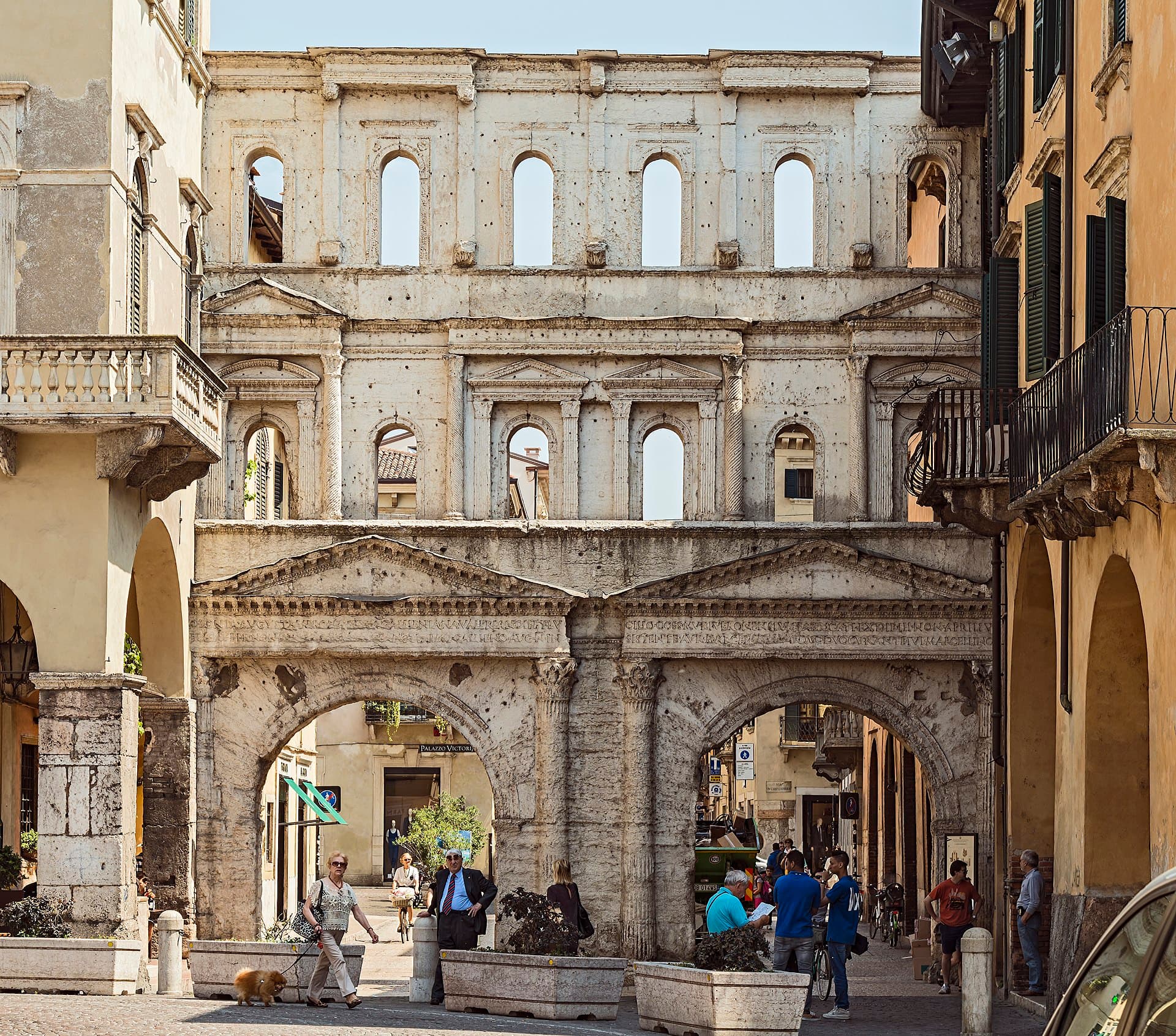 Porta BorsariPorta Borsari is Verona's front Roman door standing in place since the first cen2 minutes walk4.5
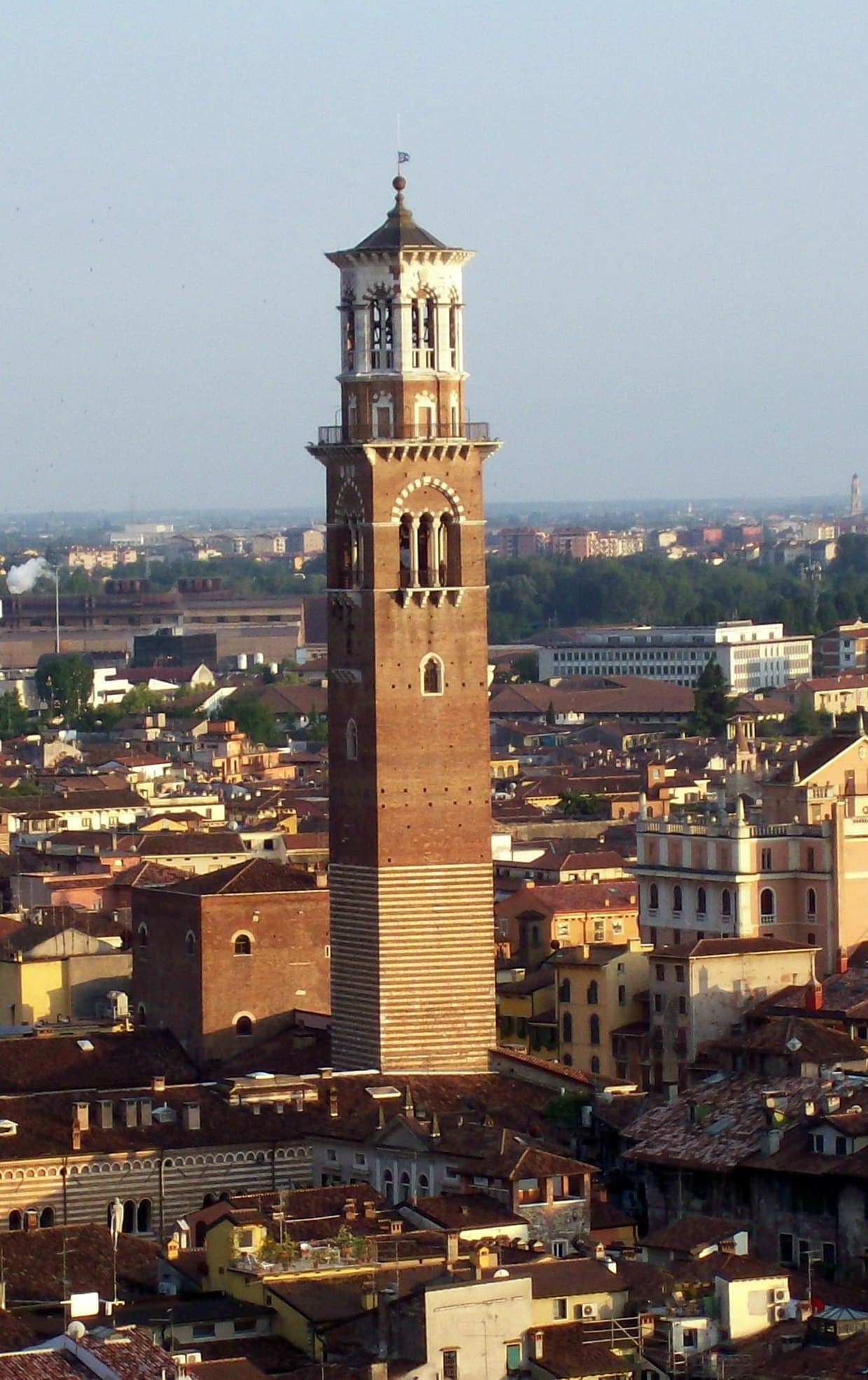 Torre dei LambertiThe Lamberti tower is Verona's highest point: eighty-four metres grown across ce3 minutes walk4.4
A card covering entry to most of the city's sights — the Roman arena, Juliet's house, Castelvecchio and several churches — plus public transport, sold for one or two days. If you plan to visit more than three sites it is plainly better value, and it also saves queuing.
The Roman arena on Piazza Bra, among the best-surviving Roman amphitheatres and host to summer opera; Piazza delle Erbe with its painted buildings; the Castelvecchio and its bridge; and the Romanesque church of San Zeno. The city is small and walked in two days.