
A single great nave
The mendicant plan: a hall for preaching rather than a divided ritual space.
This Photo was taken by Andrea Bertozzi. Feel free to use my photos, but please mention me as the author and send me a message. — CC BY-SA 4.0 · Syrio — CC BY-SA 4.0 · This Photo was taken by Andrea Bertozzi. Feel free to use my photos, but please mention me as the author and send me a message. — CC BY-SA 4.0 · Zairon — CC BY-SA 4.0
A Gothic church in central Verona, built in the fourteenth century for the Augustinian friars and later enlarged. The front is plain brick in the northern Italian Gothic manner, and the interior is wide with a single great nave and a timber roof — a plan the mendicant orders adopted because it lets a congregation see and hear the preacher, unlike churches divided by columns. That detail explains something about the Middle Ages: orders that lived on alms needed to preach to crowds, so they designed their churches as lecture halls rather than enclosed ritual spaces. Inside are wall paintings and works by Verona painters, some from the Renaissance. It is a quiet neighbourhood church that few visitors enter despite being in the centre, and that is itself an advantage: a silent space in a crowded city. Entry is normally free, and it is a working place of worship with hours tied to services, possibly closing at midday.
The mendicant plan: a hall for preaching rather than a divided ritual space.
Work by Verona painters, some from the Renaissance.
Few people enter, so it is among the quietest things in central Verona.
Central Verona, near Corso Cavour
 San Giovanni in ForoA small Romanesque church in central Verona whose name points to its position: i2 minutes walk4.9
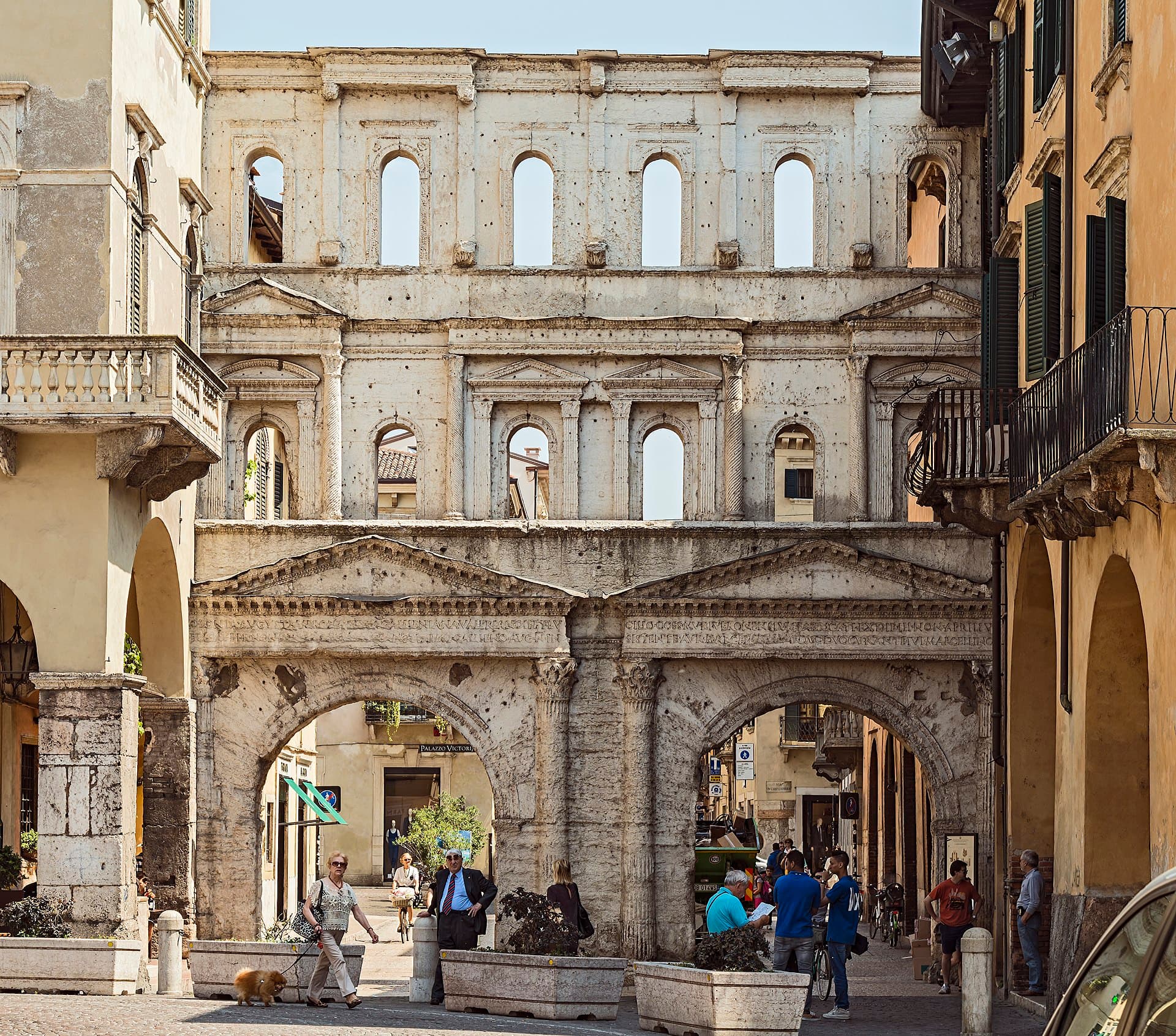 Porta BorsariPorta Borsari is Verona's front Roman door standing in place since the first cen2 minutes walk4.5
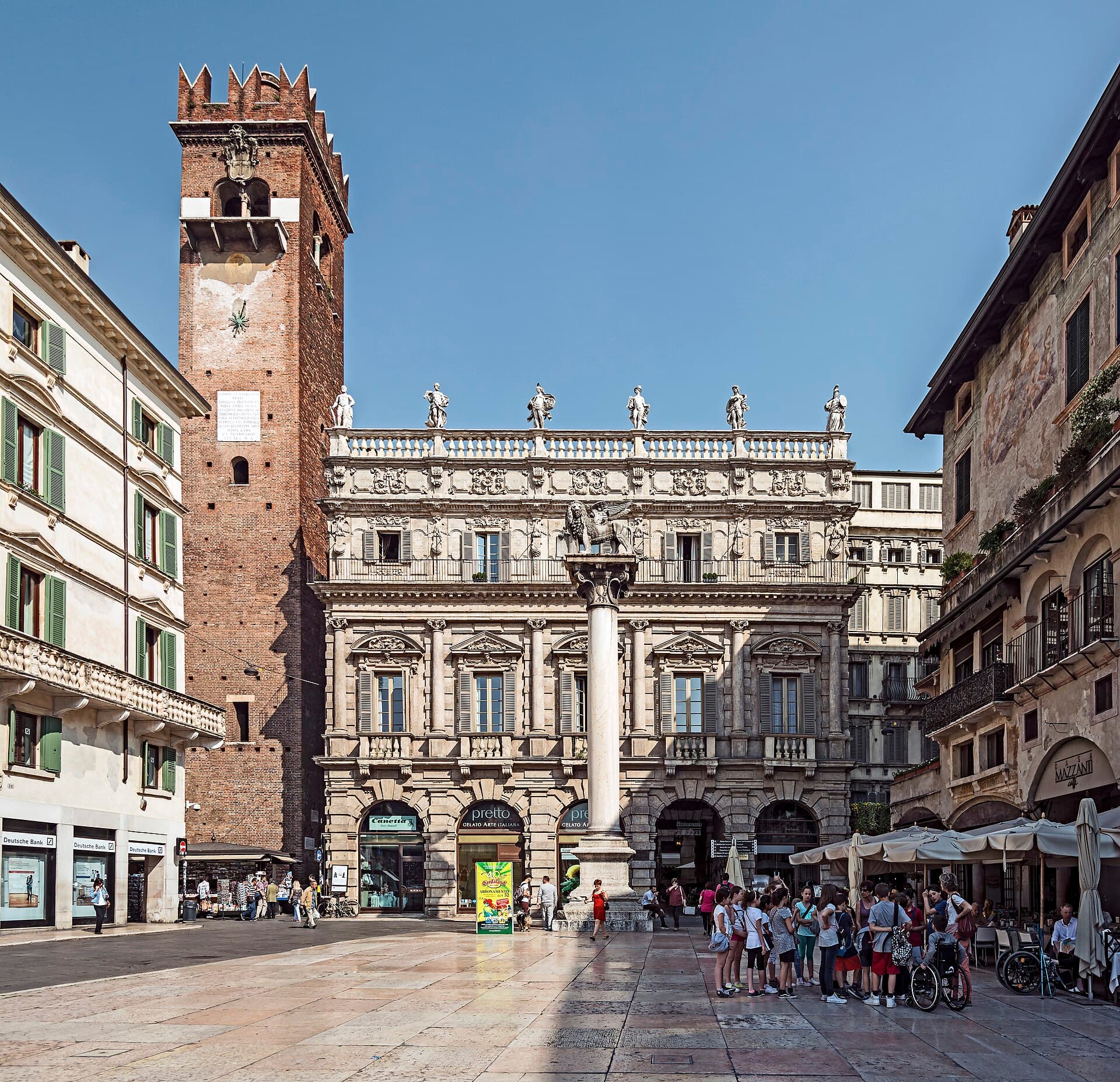 Piazza delle ErbePiazza delle Erbe is Verona's Roman forum that never stopped working — two thous4 minutes walk4.8
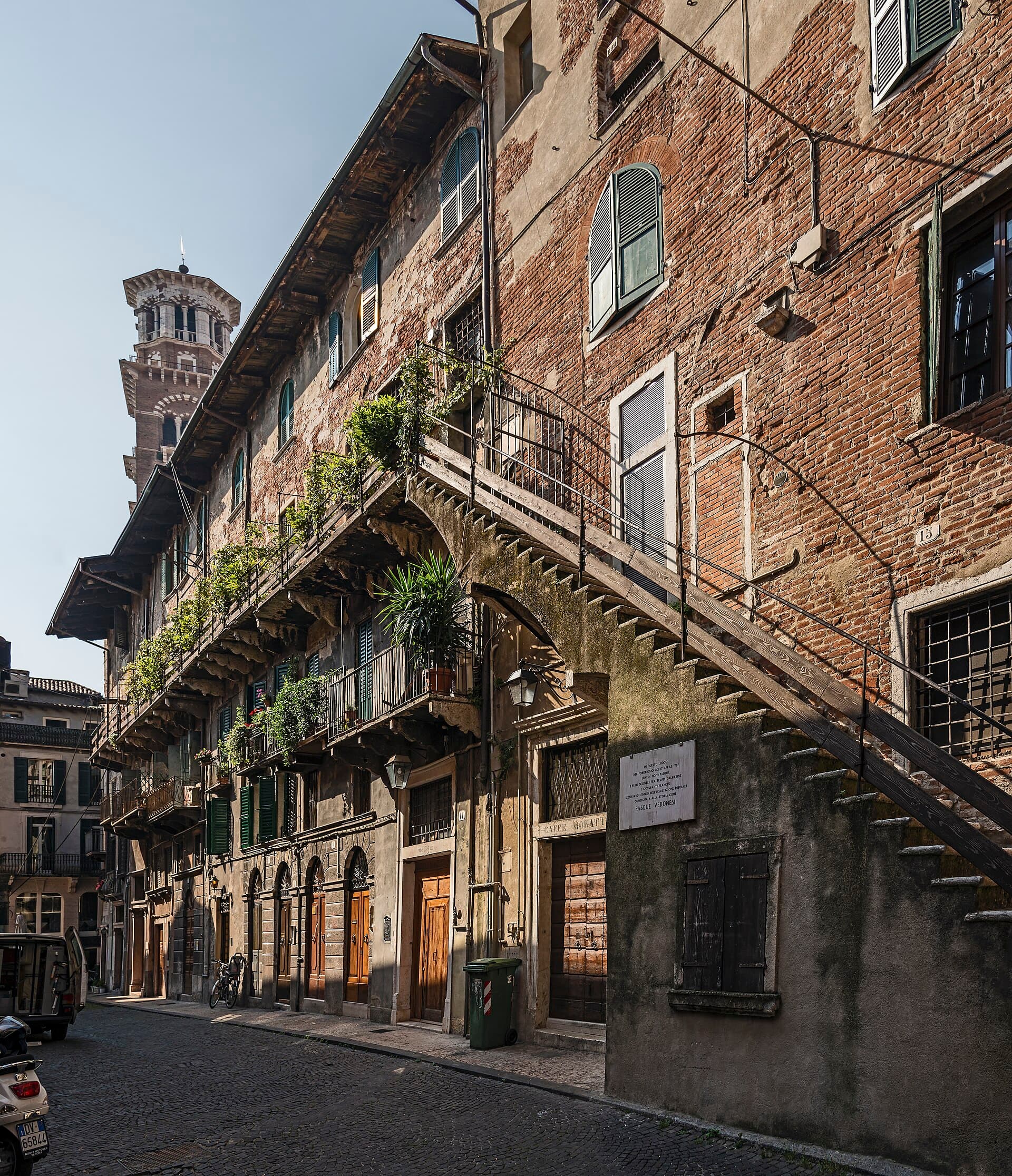 Case MazzantiA group of buildings on the Piazza delle Erbe in central Verona whose fronts are4 minutes walk4.5
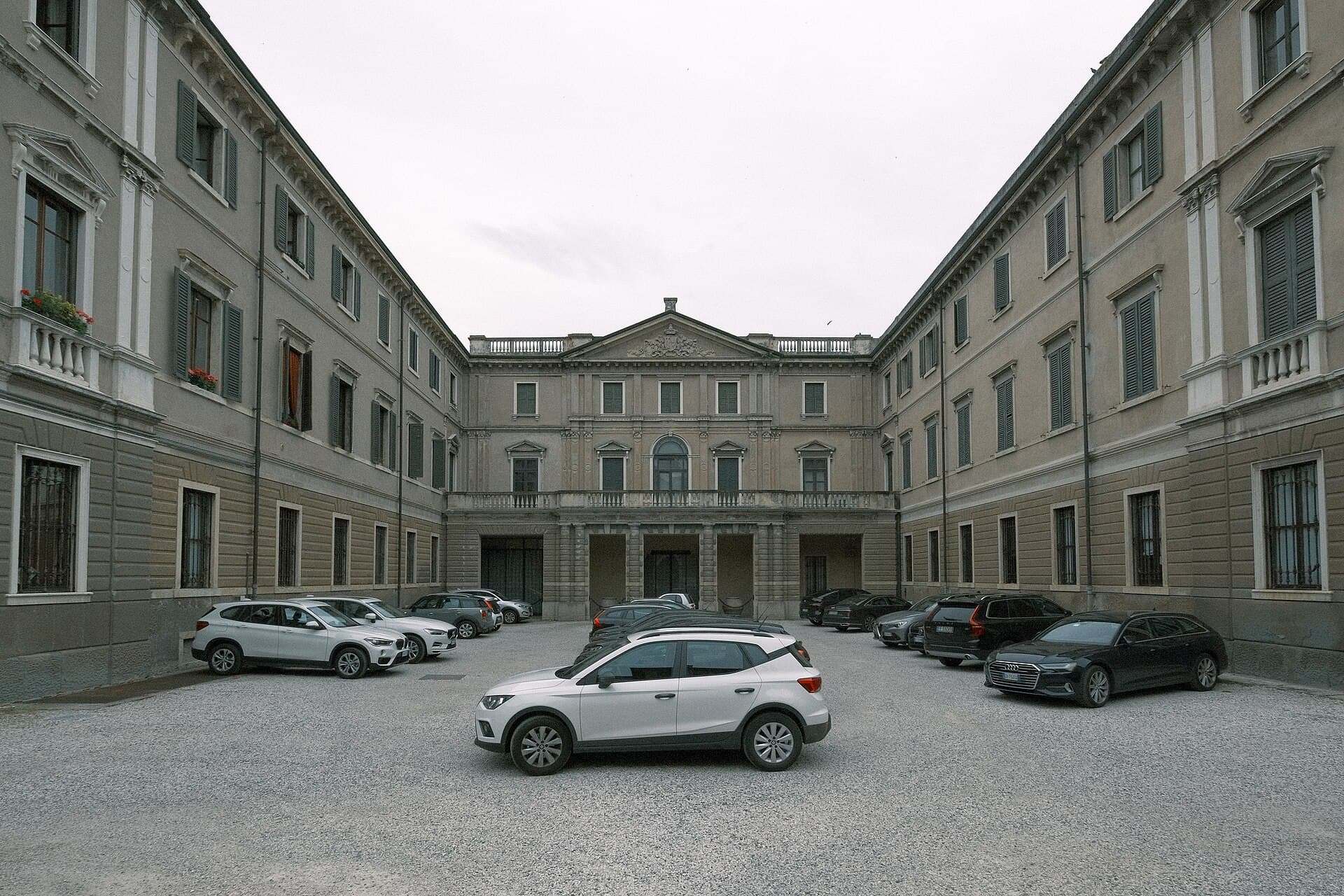 Miniscalchi-Erizzo MuseumOn a narrow lane off Via Garibaldi there is a facade still carrying the remains 4 minutes walk4.7
Orders that appeared in the thirteenth century — Franciscans, Dominicans, Augustinians and Carmelites — choosing to live on alms rather than owning land as the older monasteries did. They lived in cities rather than seclusion and concentrated on preaching to people, and that changed the shape of the churches they built.
As a short free stop on your route, yes. But if your time in Verona is limited, San Zeno Maggiore outside the centre is the church you must see: twelfth-century Romanesque with its bronze doors and a Mantegna altarpiece, among Italy's most important Romanesque churches.