
The candlelight
A 17th-century hall lit exactly as it was.
Massimo Catarinella — CC BY-SA 3.0 · A. Bakker — CC BY 3.0 · Rademaker, Abraham (1675-1735) — Public domain · Rademaker, Abraham (1675-1735) — Public domain
The Portuguese Synagogue — known locally as the Esnoga — was built in 1675 for Amsterdam's Sephardic Jewish community, descendants of those expelled from Spain and Portugal after 1492 who found in the Dutch Republic a religious freedom unavailable to them across most of Europe. What makes it exceptional today is that it was never electrified. The hall is lit by more than a thousand candles in hanging brass chandeliers, exactly as in the seventeenth century, and the floor is covered in fine sand in the old manner — to absorb damp and muffle footfall. Sitting in it in the evening under candlelight is an experience with no equivalent in Europe. Beside it is Ets Haim, the oldest functioning Jewish library in the world, its collection inscribed on UNESCO's Memory of the World register. The building came through the Nazi occupation intact while most of what surrounded it was destroyed. The ticket is normally shared with the Jewish Historical Museum, the Hollandsche Schouwburg and the Ashkenazi community's synagogue complex.
A 17th-century hall lit exactly as it was.
The world's oldest functioning Jewish library.
Mr. Visserplein 3, 1011 Amsterdam
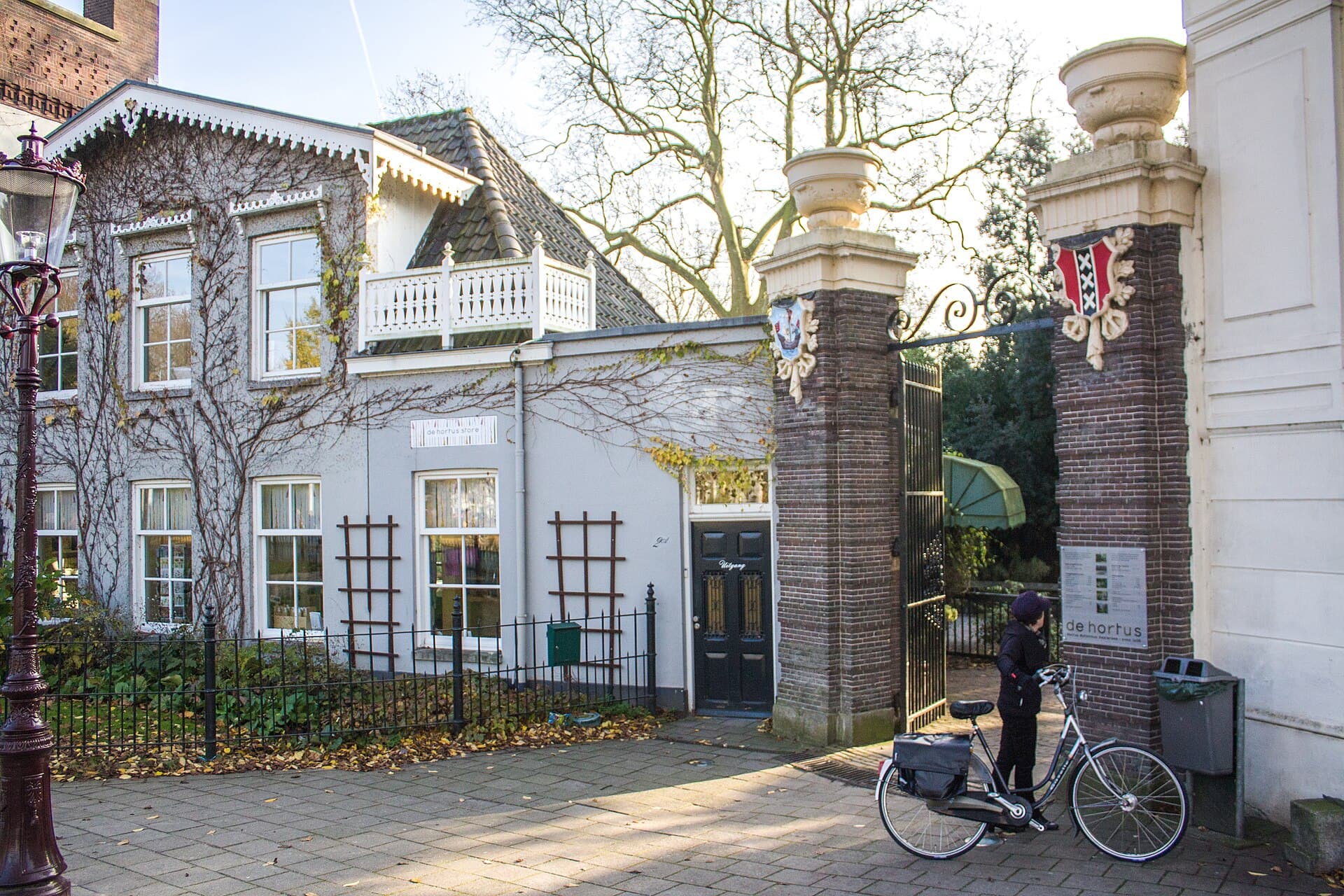 Hortus BotanicusThe Hortus Botanicus is among the world's oldest botanical gardens (1638) — Amst3 minutes walk4.4
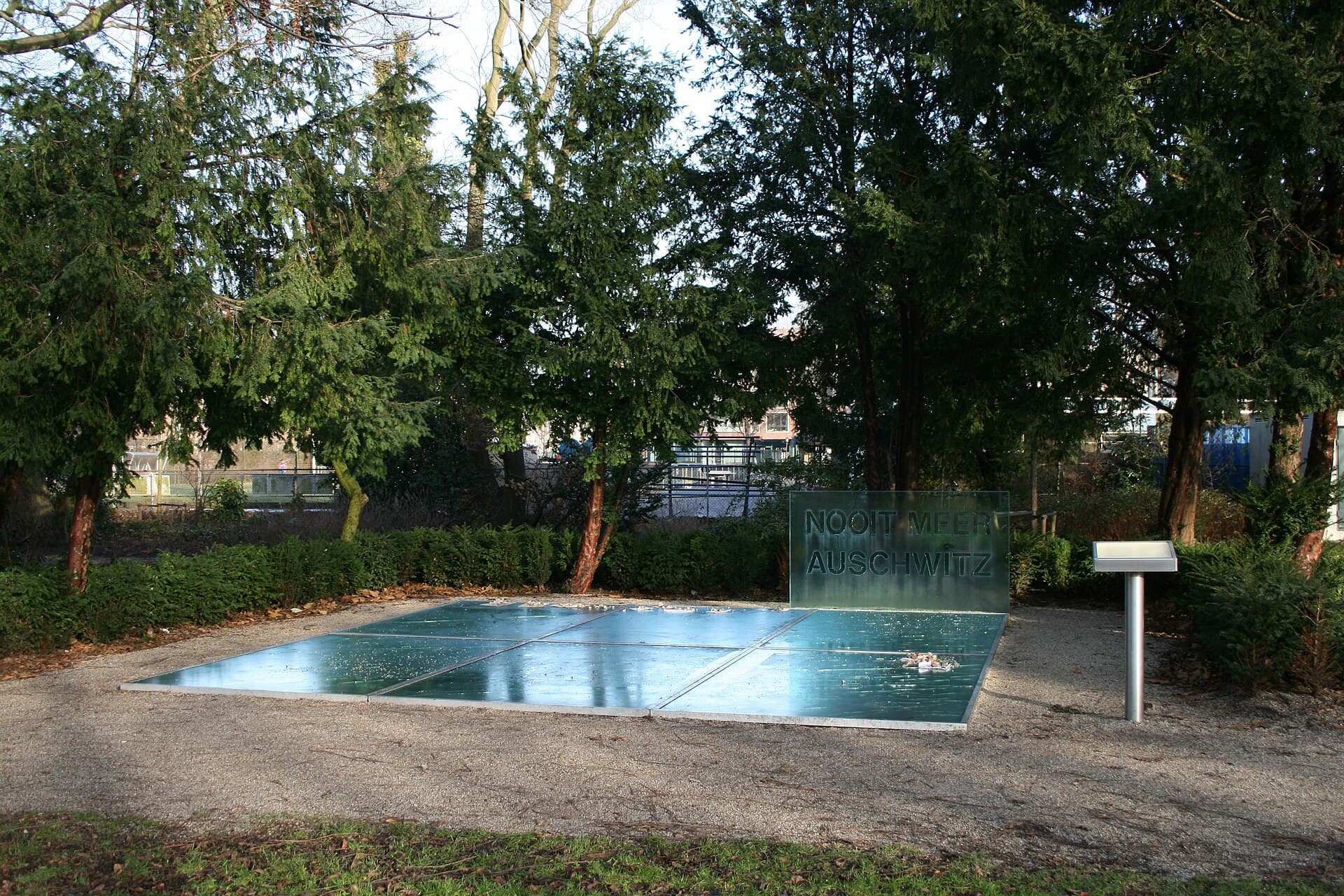 The Auschwitz Monument, WertheimparkA memorial to the victims of Auschwitz in Wertheimpark, designed by the writer a3 minutes walk4.3
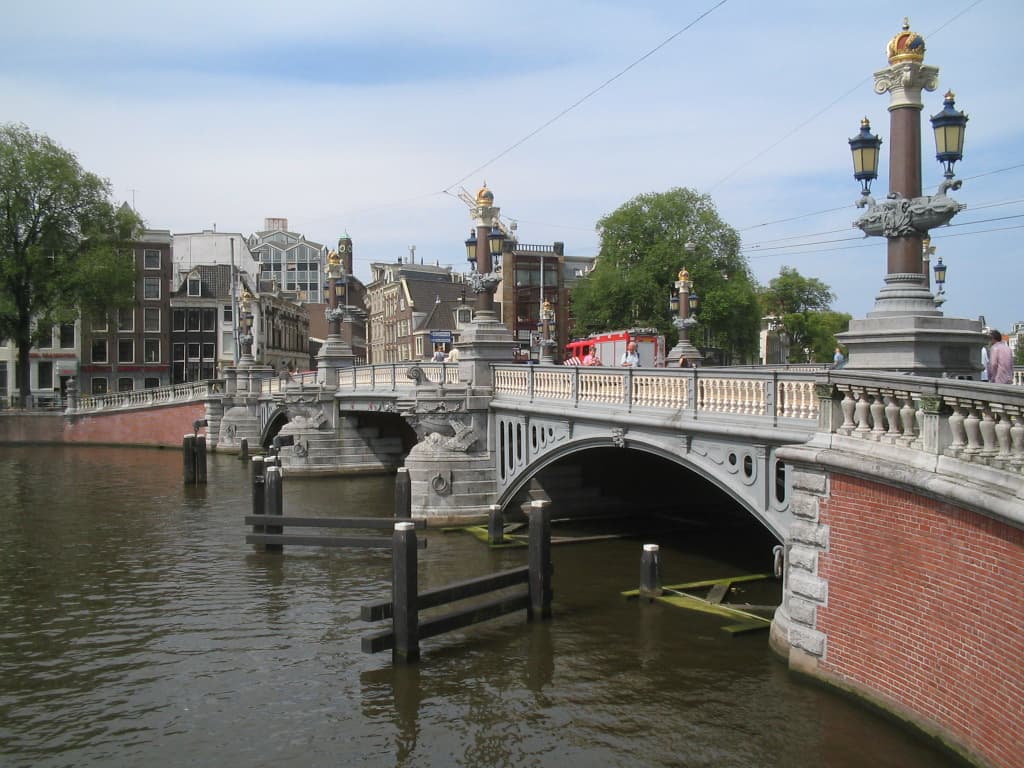 The BlauwbrugThe Blauwbrug crosses the Amstel between Waterlooplein and the Rembrandtplein ar4 minutes walk4.8
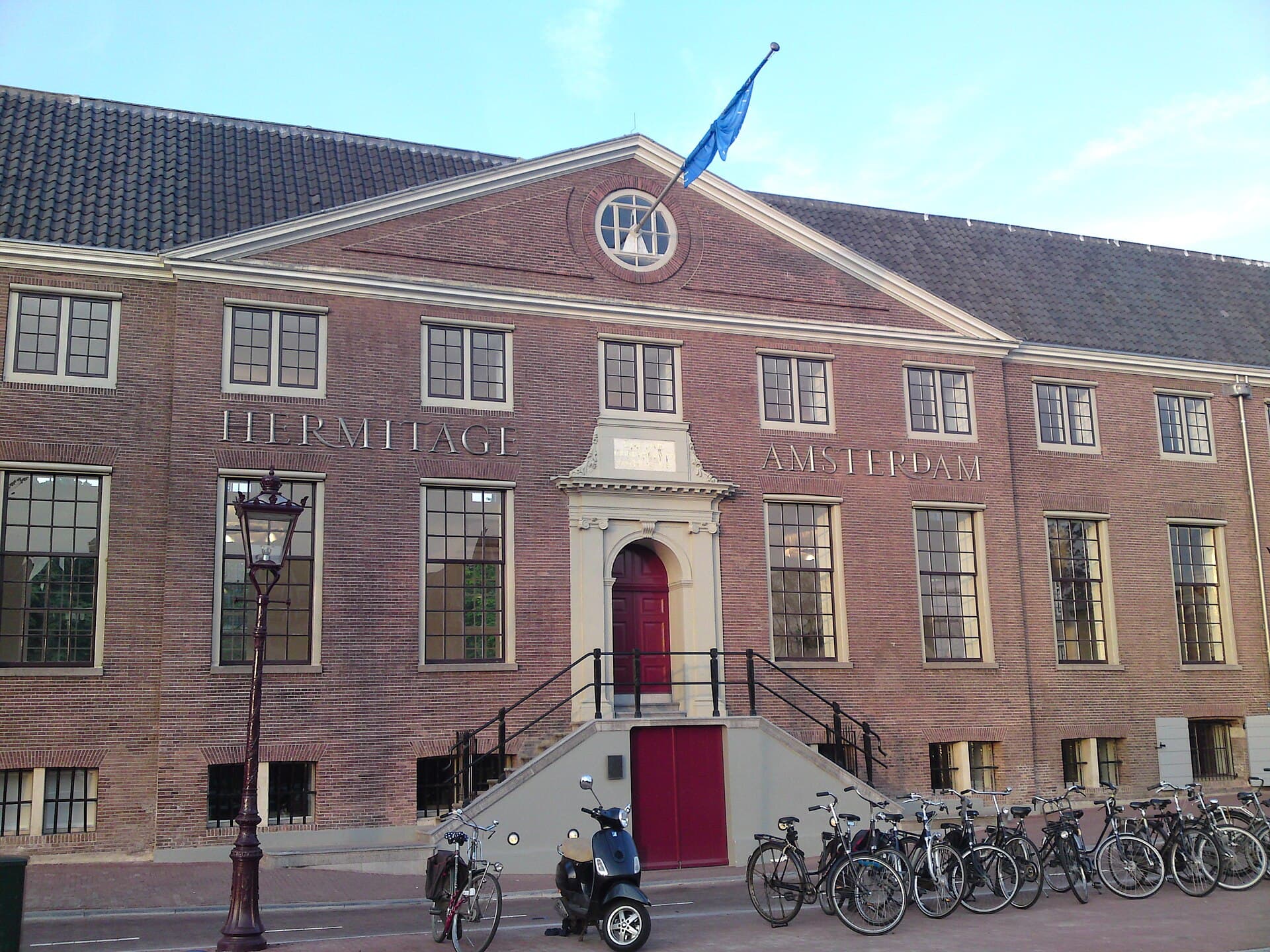 H'ART Museum (formerly Hermitage Amsterdam)The H'ART Museum occupies the Amstelhof, a huge seventeenth-century former old-p4 minutes walk4.3
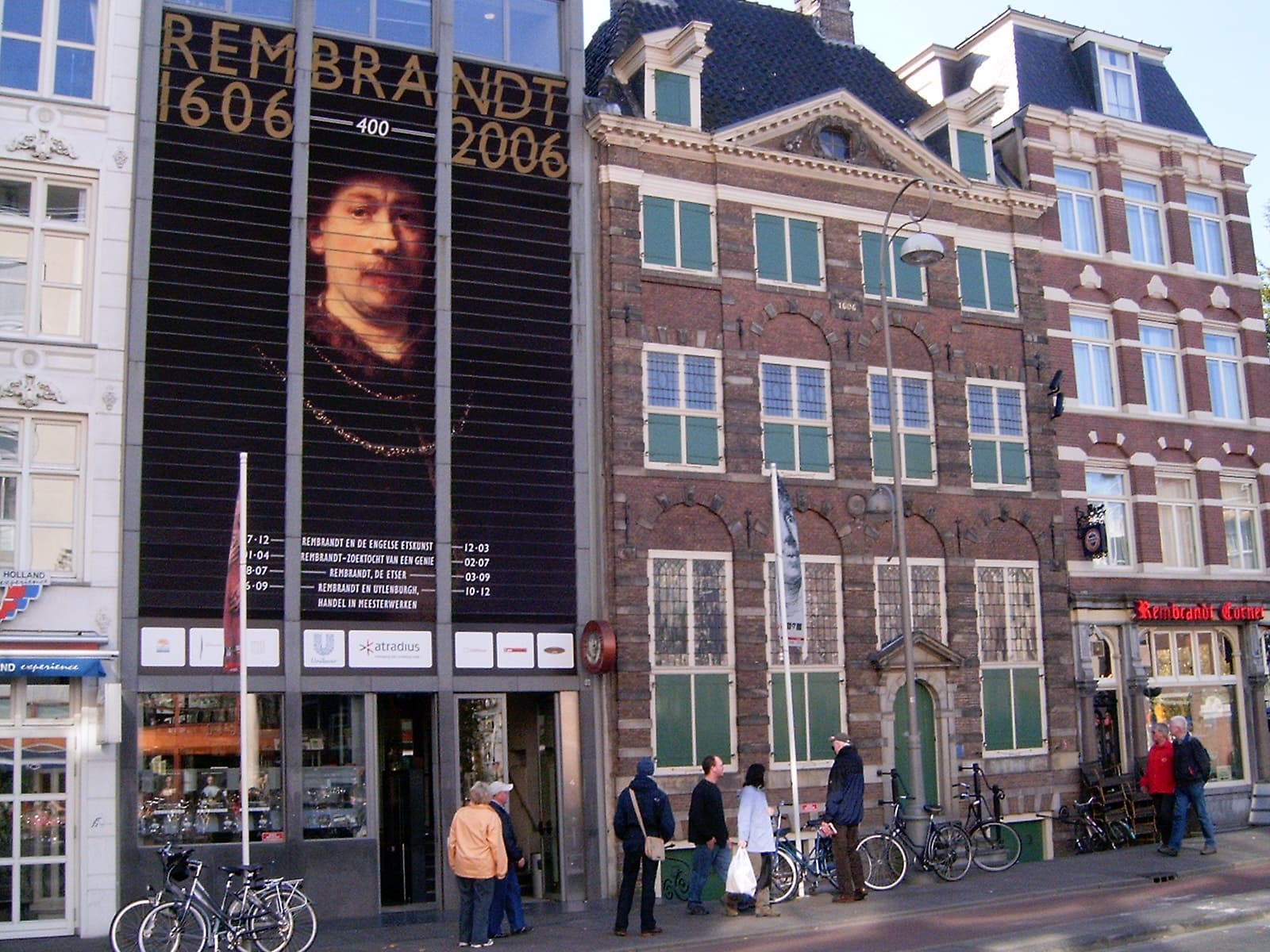 Rembrandt House MuseumThe Rembrandt House is the home where the Netherlands' greatest painter lived hi4 minutes walk4.4
Sepharad is the Hebrew name for the Iberian peninsula, and the Sephardim are its Jews, who lived there for centuries under Muslim and then Christian rule and produced philosophy, poetry and medicine in Arabic and Hebrew — Maimonides the best known among them. They were expelled from Spain in 1492 and from Portugal soon after, scattering to the Ottoman Empire, North Africa and the Netherlands. Their language, Ladino, is an old Spanish, and their rites and names still carry the mark of four centuries in Al-Andalus.