
The lamp standards
Stone imperial crowns along the bridge.
M.Minderhoud — CC BY-SA 3.0 · Jacob Olie — Public domain · Jacob Olie — Public domain · Txllxt TxllxT — CC BY-SA 4.0
The Blauwbrug crosses the Amstel between Waterlooplein and the Rembrandtplein area, and is among the most ornamented of Amsterdam's bridges: stone lamp standards shaped as imperial crowns, and carvings of ships, anchors and fish on the base. The name misleads — the bridge is not blue. A wooden bridge painted blue stood on the spot from the seventeenth century, and when it was replaced by the present stone bridge in 1883 the old name stayed although the colour had gone. The present bridge was built for the World Exhibition Amsterdam hosted in 1883, and was designed after the grand bridges over the Seine in Paris — the city wanted to present itself as a modern European capital. Standing on it gives the best open view of the Amstel, among the widest water prospects in the centre, and it is finest at sunset.
Stone imperial crowns along the bridge.
The widest open water prospect in the centre.
Blauwbrug, Amstel, 1011 Amsterdam
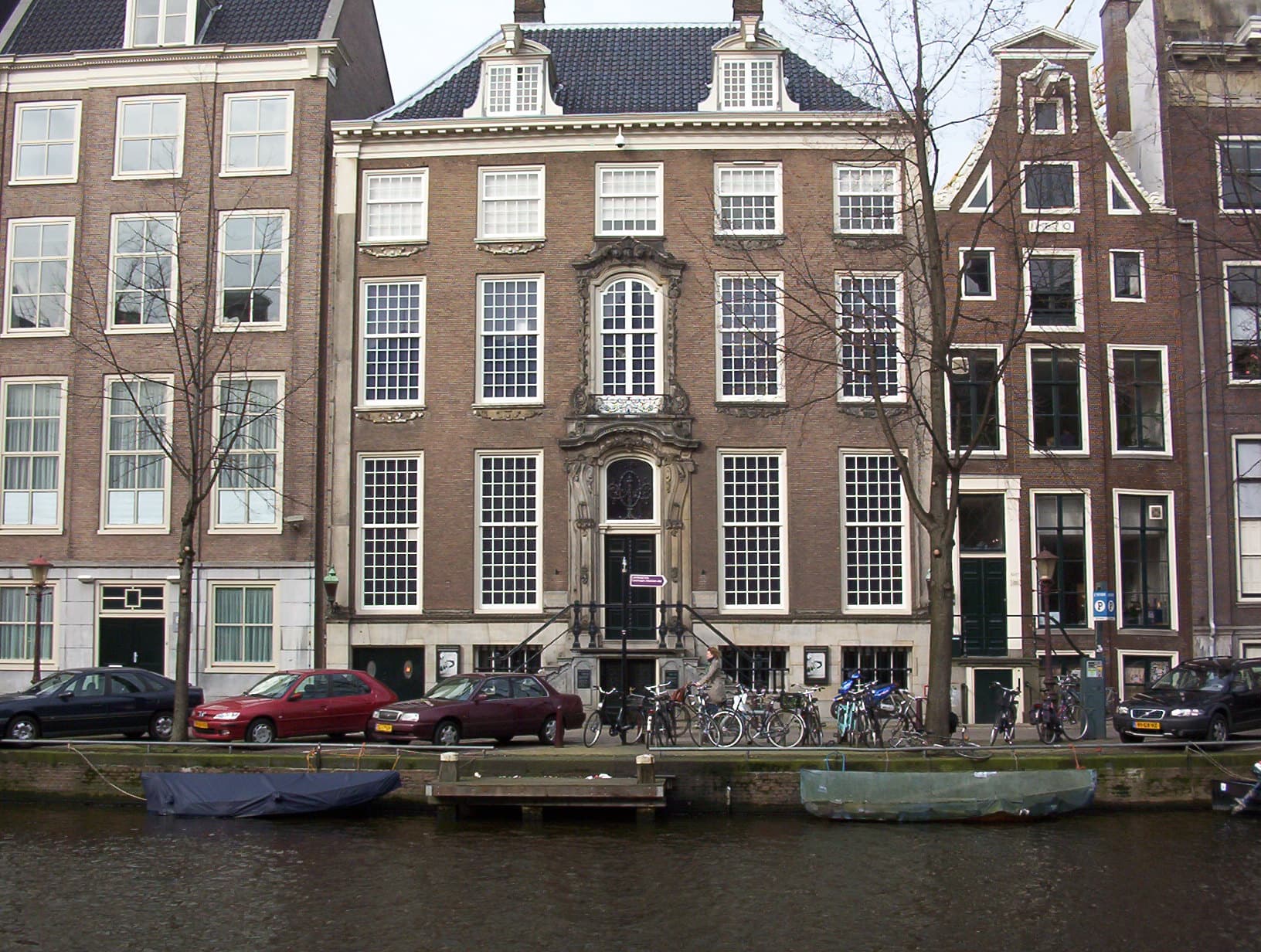 The Willet-Holthuysen HouseThe Willet-Holthuysen house is a canal house of 1687 on the Herengracht, and the2 minutes walk4.5
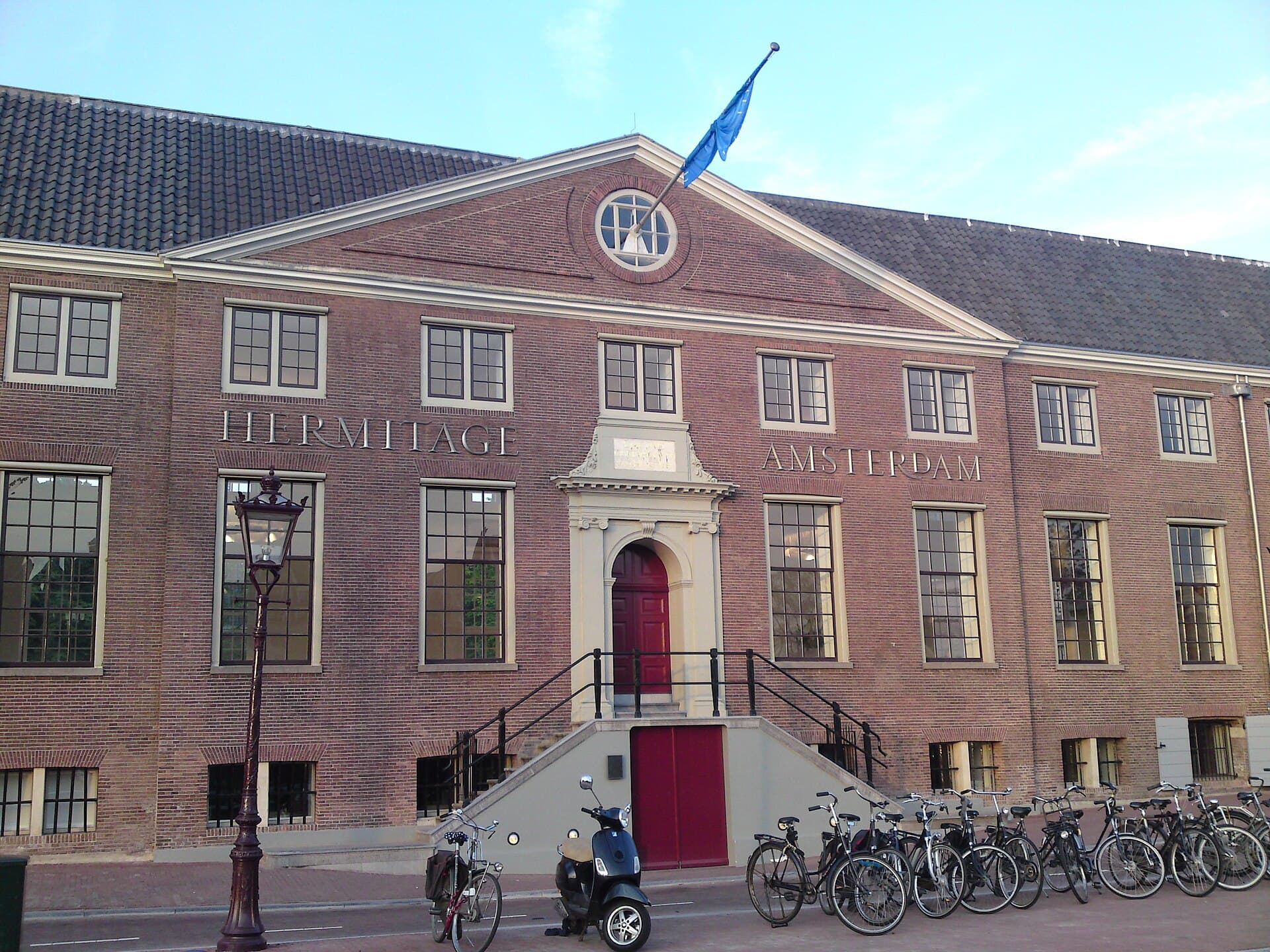 H'ART Museum (formerly Hermitage Amsterdam)The H'ART Museum occupies the Amstelhof, a huge seventeenth-century former old-p2 minutes walk4.3
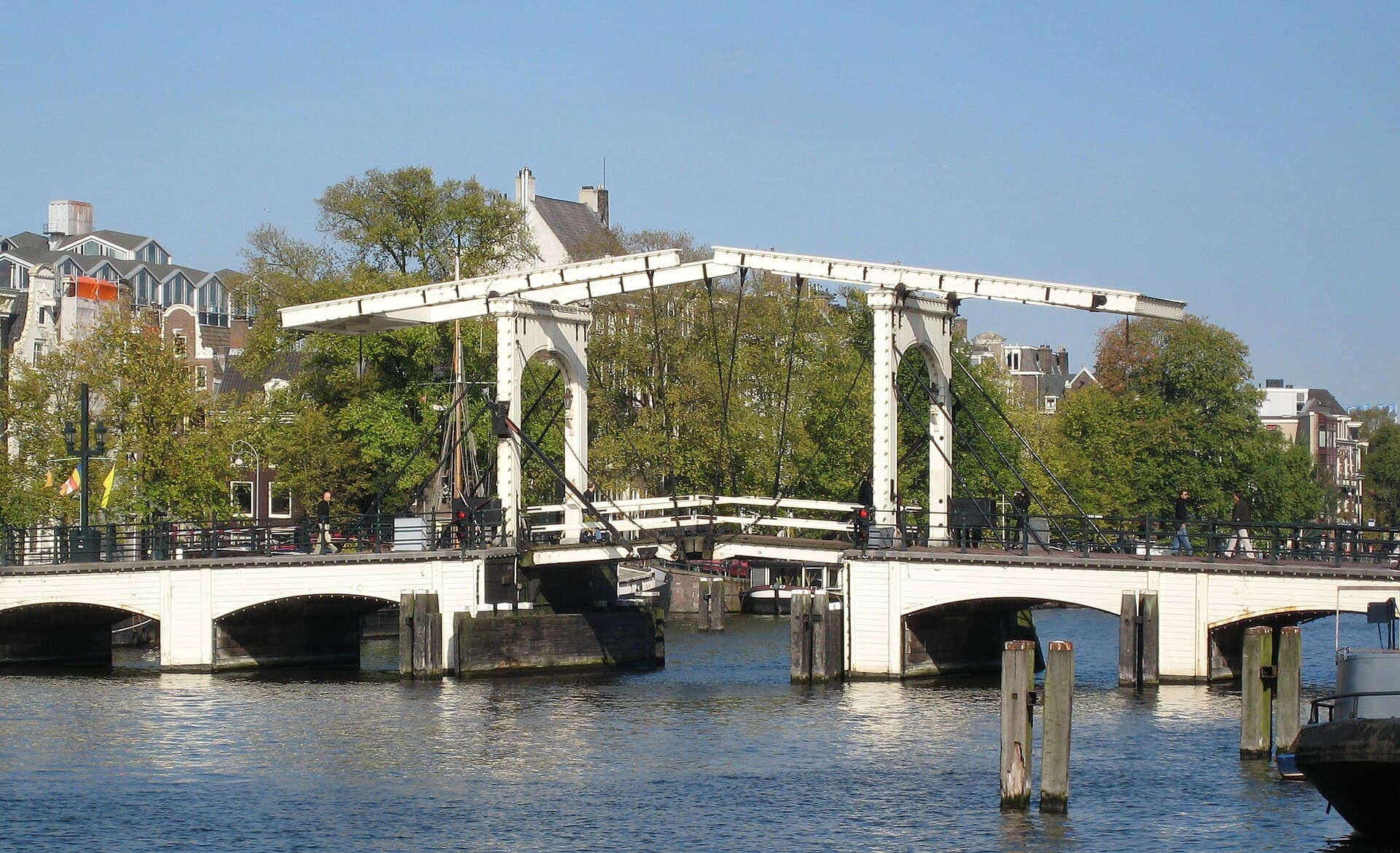 Magere Brug (Skinny Bridge)The dearest of Amsterdam's twelve hundred bridges: the Skinny One crosses the Am4 minutes walk4.4
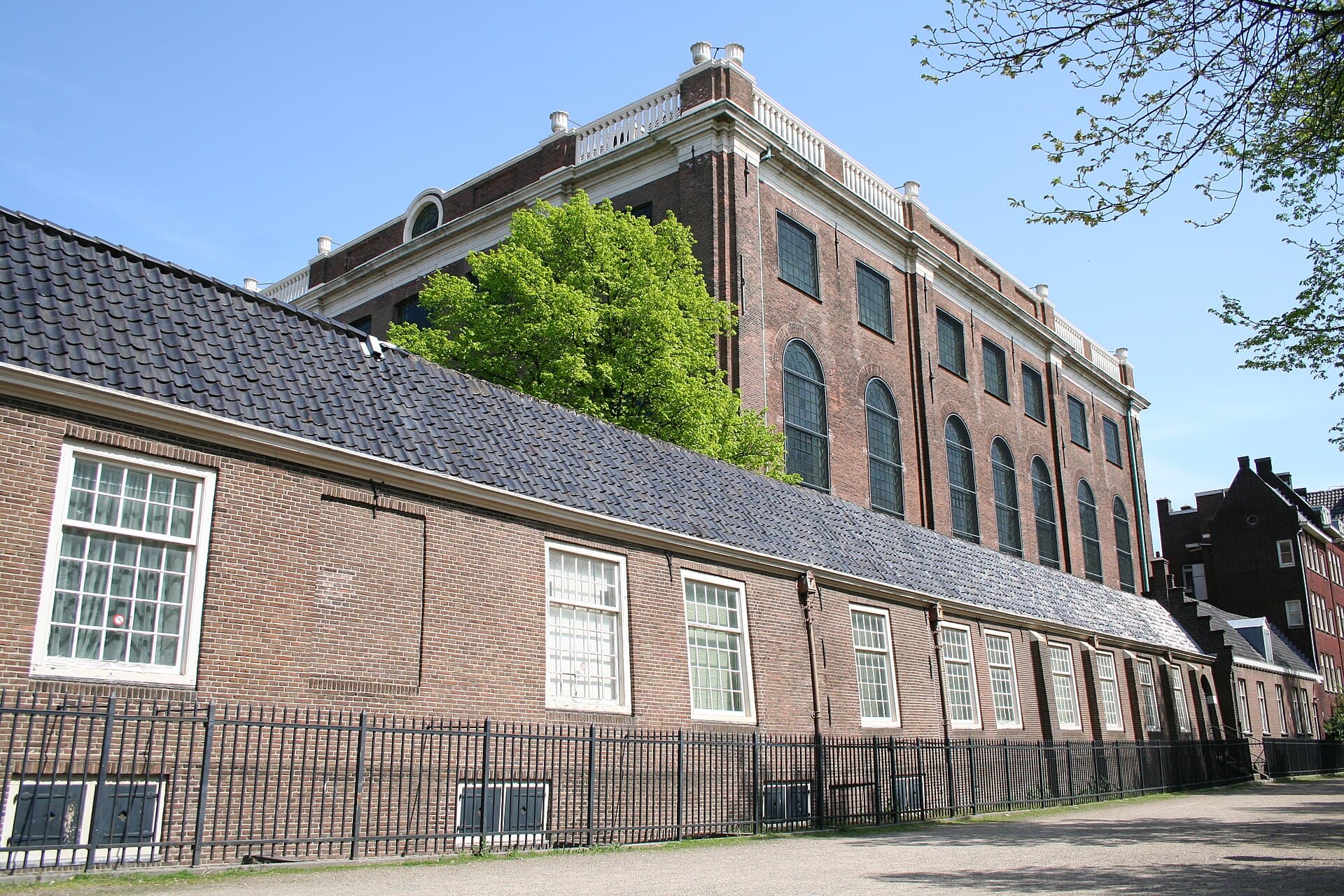 The Portuguese SynagogueThe Portuguese Synagogue — known locally as the Esnoga — was built in 1675 for A4 minutes walk4.4
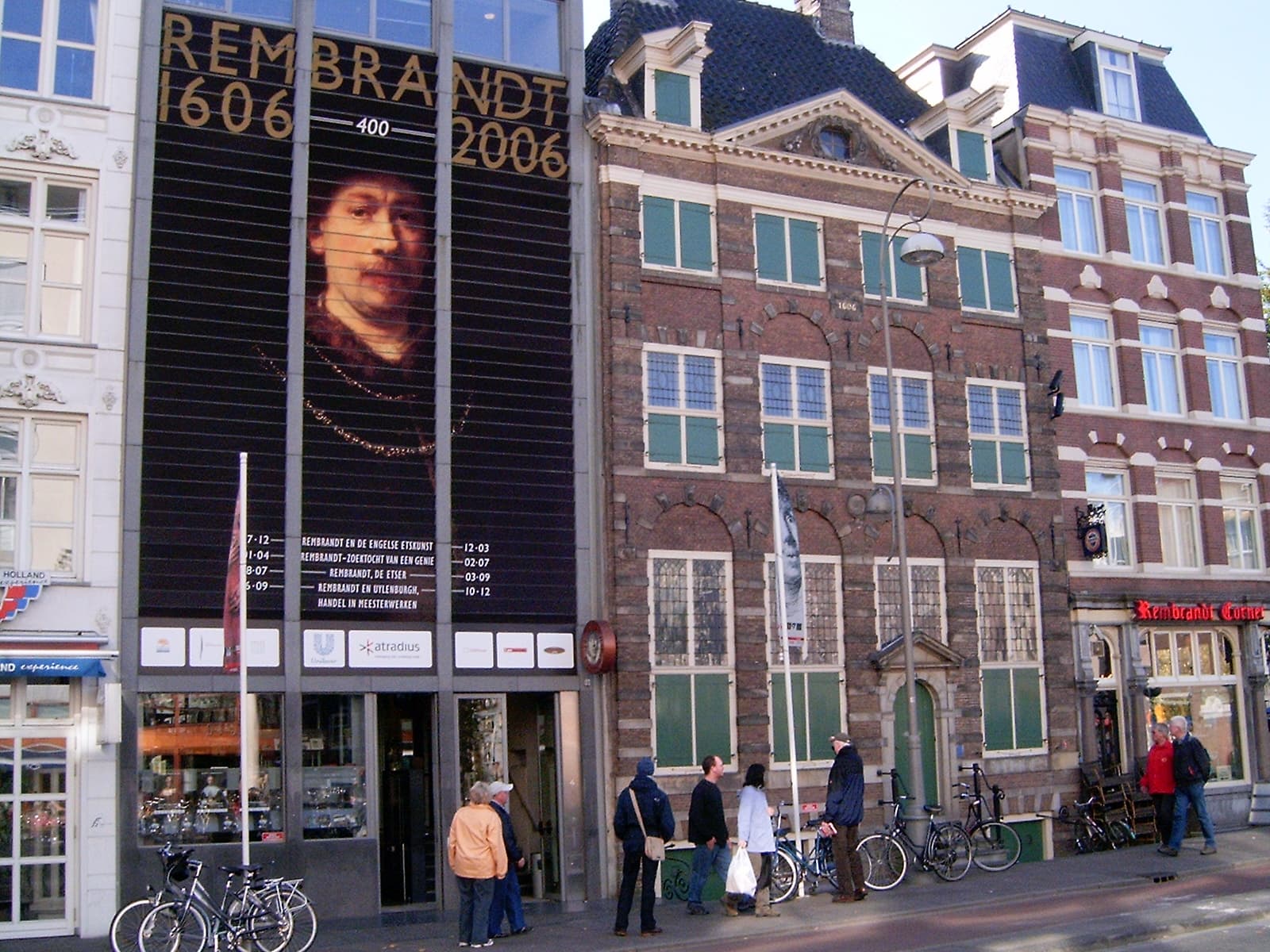 Rembrandt House MuseumThe Rembrandt House is the home where the Netherlands' greatest painter lived hi4 minutes walk4.4
More than fifteen hundred — far more than Venice. Three are worth stopping on: the Magere Brug, the white wooden drawbridge on the Amstel, the most famous and best at night when its lamps are lit; the Blauwbrug for the width of the view; and the Rijksmuseum bridge in front of the museum. The angle from which seven bridges line up in a single row is at the corner of the Reguliersgracht and the Herengracht.