
The original studio
Northern light and hand-ground colours where he painted his masterpieces.
14:43, 17 October 2006 — CC BY-SA 3.0 · Spider — CC BY-SA 3.0 · Gerard Dukker — CC BY-SA 4.0 · Gerard Dukker — CC BY-SA 4.0
The Rembrandt House is the home where the Netherlands' greatest painter lived his peak (1639–1658): he bought it at the height of his success and wealth, painted many masterpieces here and trained his pupils, then went bankrupt in it and lost it at auction — and that bankruptcy inventory is what allowed the house to be restored today precisely as it was. The visit brings the house back to life room by room: his studio with its northern light and hand-ground colours (live demonstrations of colour-making and etching run daily), the printing room where he produced his genius etchings, and his cabinet of curiosities full of the shells, weapons and statues he collected. The house holds the largest collection of Rembrandt's original etchings. It does not hold his great paintings (those are in the Rijks), but it gives what a museum cannot: how the artist lived and worked — and the story of his rise and fall in its walls.
Northern light and hand-ground colours where he painted his masterpieces.
Shells, weapons and statues the artist gathered — a Renaissance mind.
The largest original collection of Rembrandt's etching genius.
Jodenbreestraat 4, 1011 Amsterdam
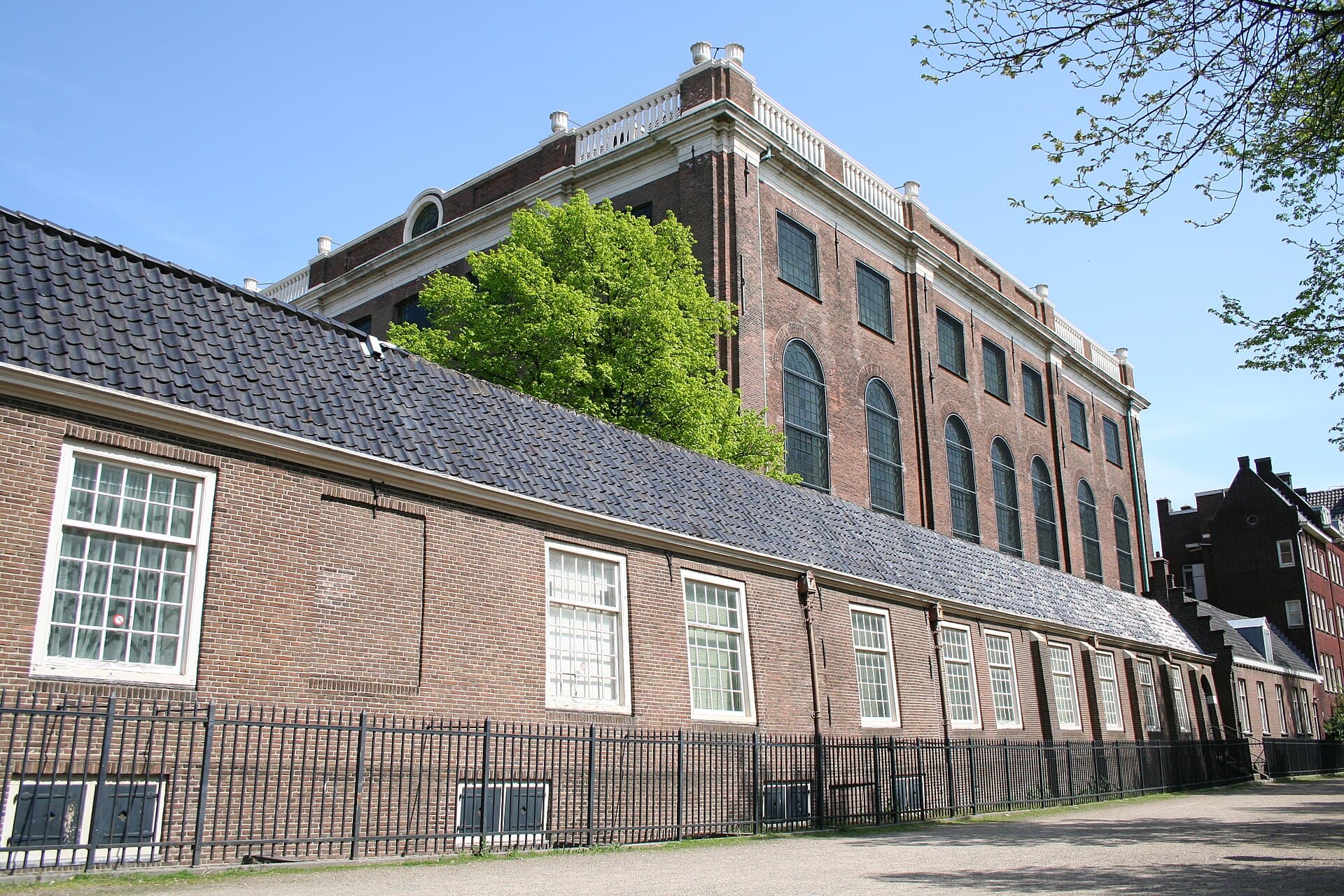 The Portuguese SynagogueThe Portuguese Synagogue — known locally as the Esnoga — was built in 1675 for A4 minutes walk4.4
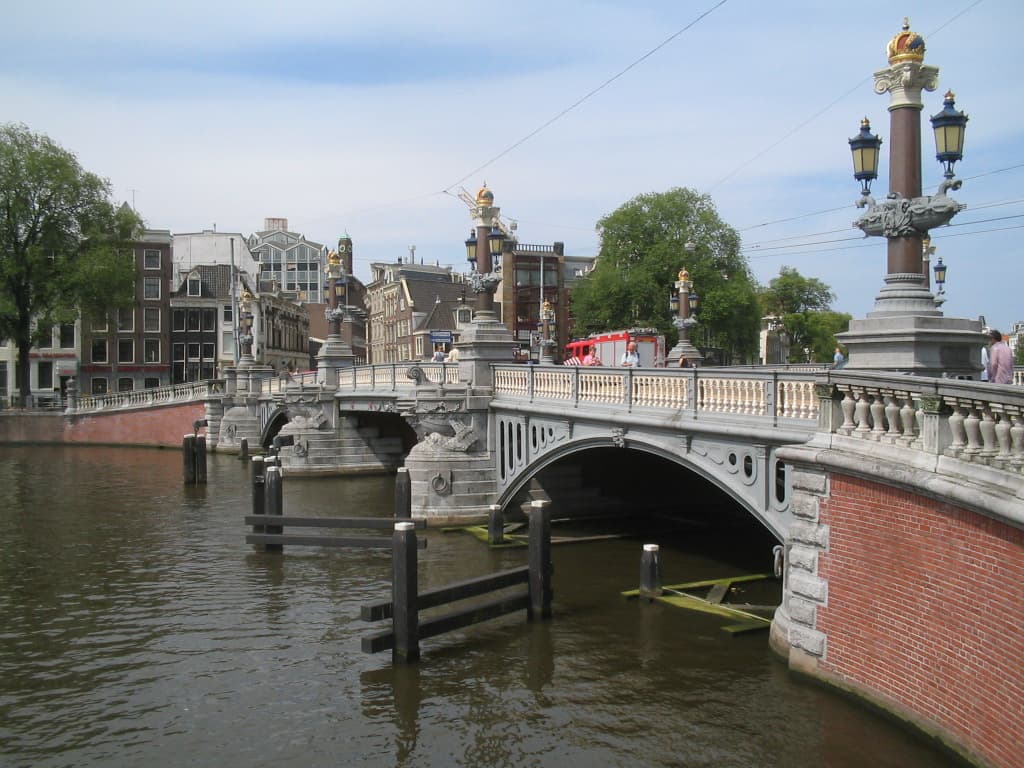 The BlauwbrugThe Blauwbrug crosses the Amstel between Waterlooplein and the Rembrandtplein ar4 minutes walk4.8
 The Hash, Marihuana and Hemp MuseumA small museum in central Amsterdam presenting the history of the cannabis plant5 minutes walk4.2
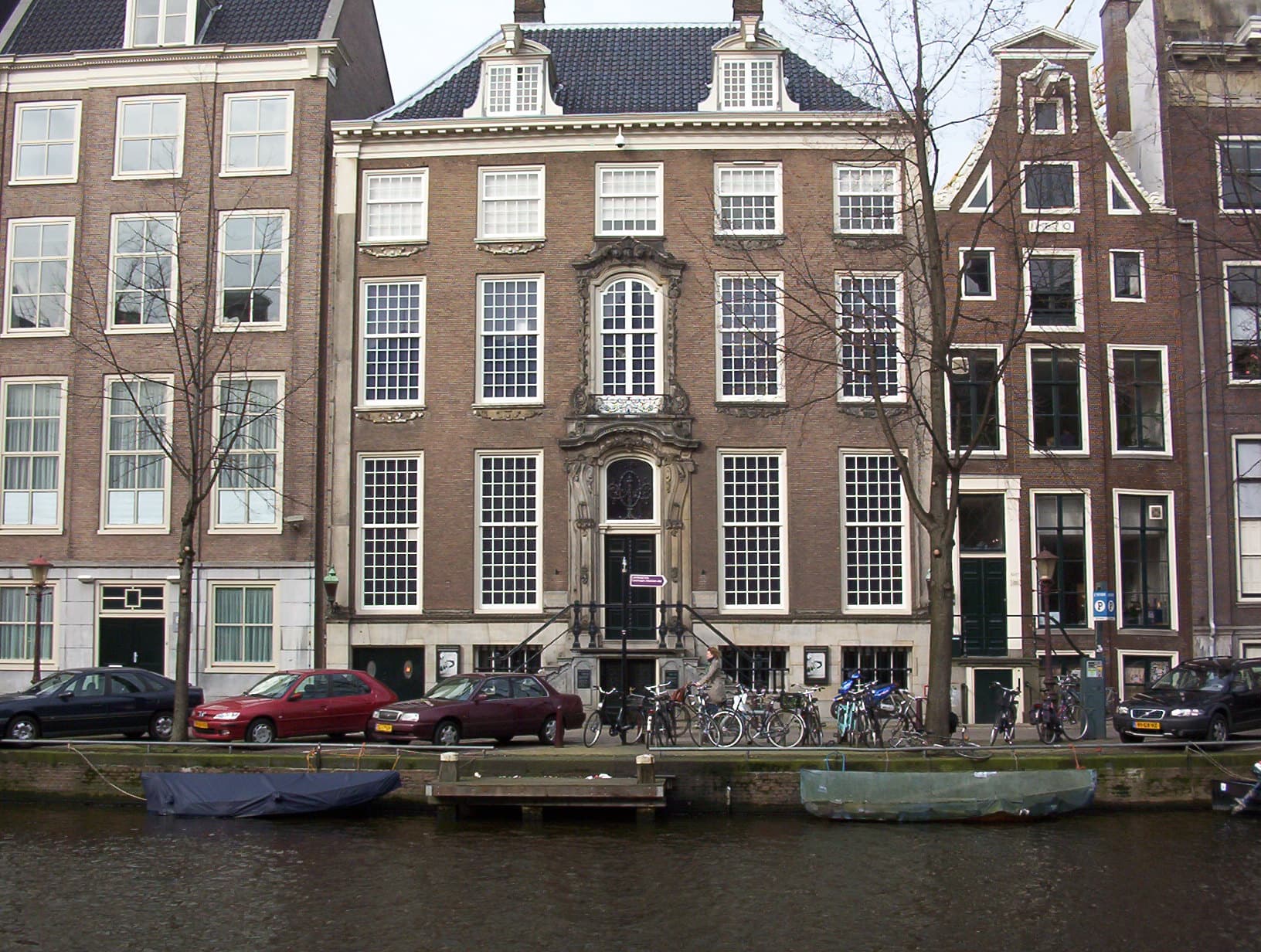 The Willet-Holthuysen HouseThe Willet-Holthuysen house is a canal house of 1687 on the Herengracht, and the6 minutes walk4.5
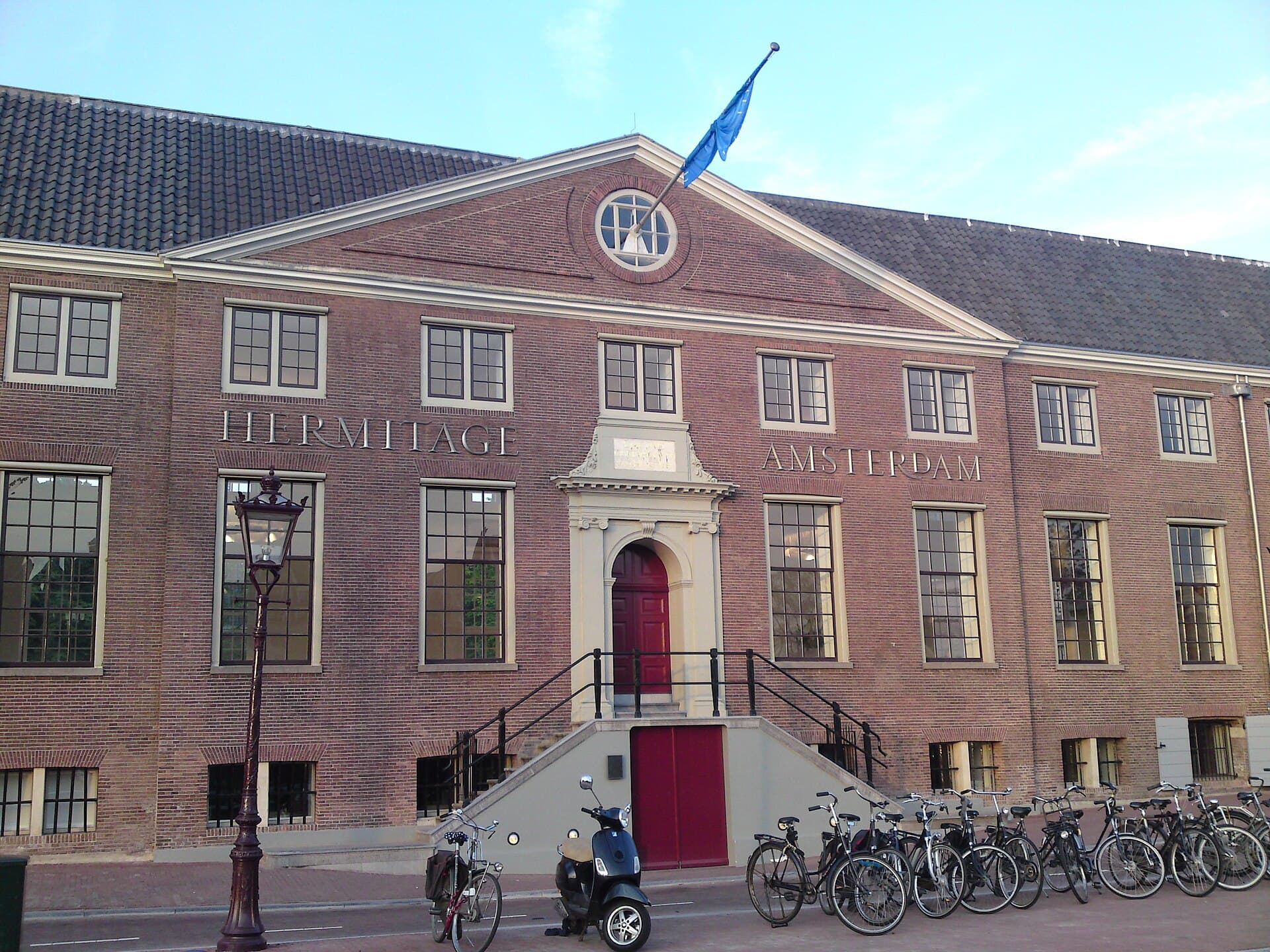 H'ART Museum (formerly Hermitage Amsterdam)The H'ART Museum occupies the Amstelhof, a huge seventeenth-century former old-p6 minutes walk4.3
They complement each other: the Rijks has the Night Watch and the masterpieces, the house shows how they were made — the studio, colours, tools and the man's story. Ideal: the house first to grasp the process, then the Rijks to see the result with new eyes. If time is short and art secondary: the Rijks suffices.
Rembrandt spent recklessly on the house and his collection at his peak, then commissions dried up and his wife died; unable to pay, he was declared bankrupt (1656) and everything sold at auction. The irony is that the auction's precise inventory is what let the house be restored today piece by piece — his fall preserved his home.