
Geometric paths
Parisian style.
Photograph by Mike Peel (www.mikepeel.net). — CC BY-SA 4.0 · Photograph by Mike Peel (www.mikepeel.net). — CC BY-SA 4.0 · Photograph by Mike Peel (www.mikepeel.net). — CC BY-SA 4.0 · Photograph by Mike Peel (www.mikepeel.net). — CC BY-SA 4.0
Praça Paris is a garden in Rio de Janeiro's Glória district, designed by the French urban planner Alfred Agache and built in 1926 on reclaimed land under mayor Antônio Prado Júnior. The project reproduced the layout of a typical Parisian garden: geometric paths, clipped flowerbeds and a fountain, with a great many large almond trees, works of art and sculptures. The square once stretched from Avenida Rio Branco and Avenida Beira Mar to Rua da Glória, then shrank to make room for another square. During the metro works it was destroyed entirely, until it was restored and reopened in 1992 with railings to protect it. Today it holds six Carrara marble sculptures, four of them the seasons, modelled on statues in the gardens of Versailles, copies of French lioness statues, and the monument to Admiral Barroso, moved here during the metro's construction. Its earth paths are popular with runners and walkers, it is patrolled by day and night, and it makes a calm stop between Flamengo Park, the World War II monument and the nearby Lapa Arches. It is loveliest in the morning or before sunset.
Parisian style.
At the centre.
Deep shade.
Glória, between Avenida Beira Mar and Rua da Glória, Rio de Janeiro
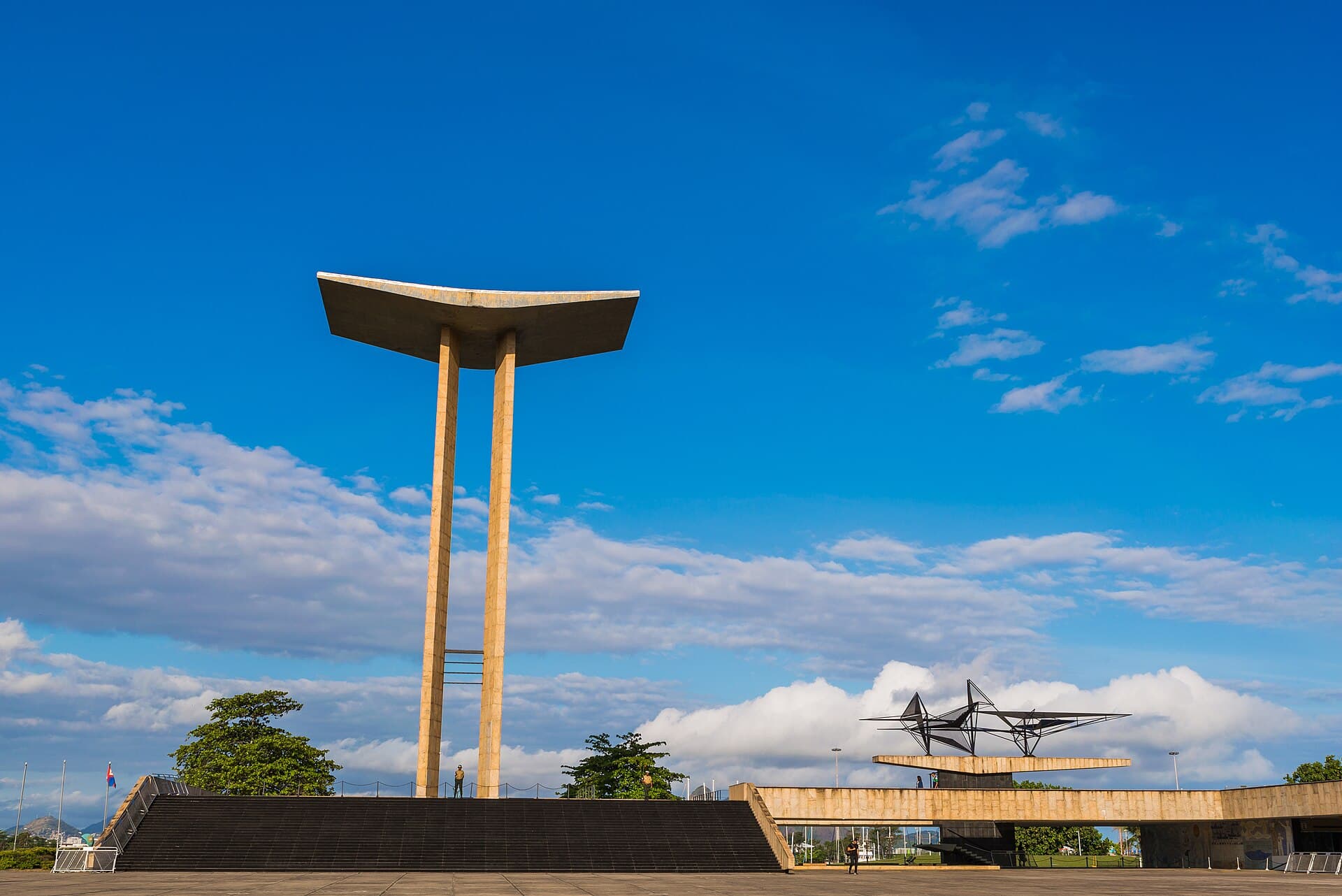 Monument to the Dead of World War IIThe National Monument to the Dead of World War II, popularly the «Monumento aos 3 minutes walk4.8
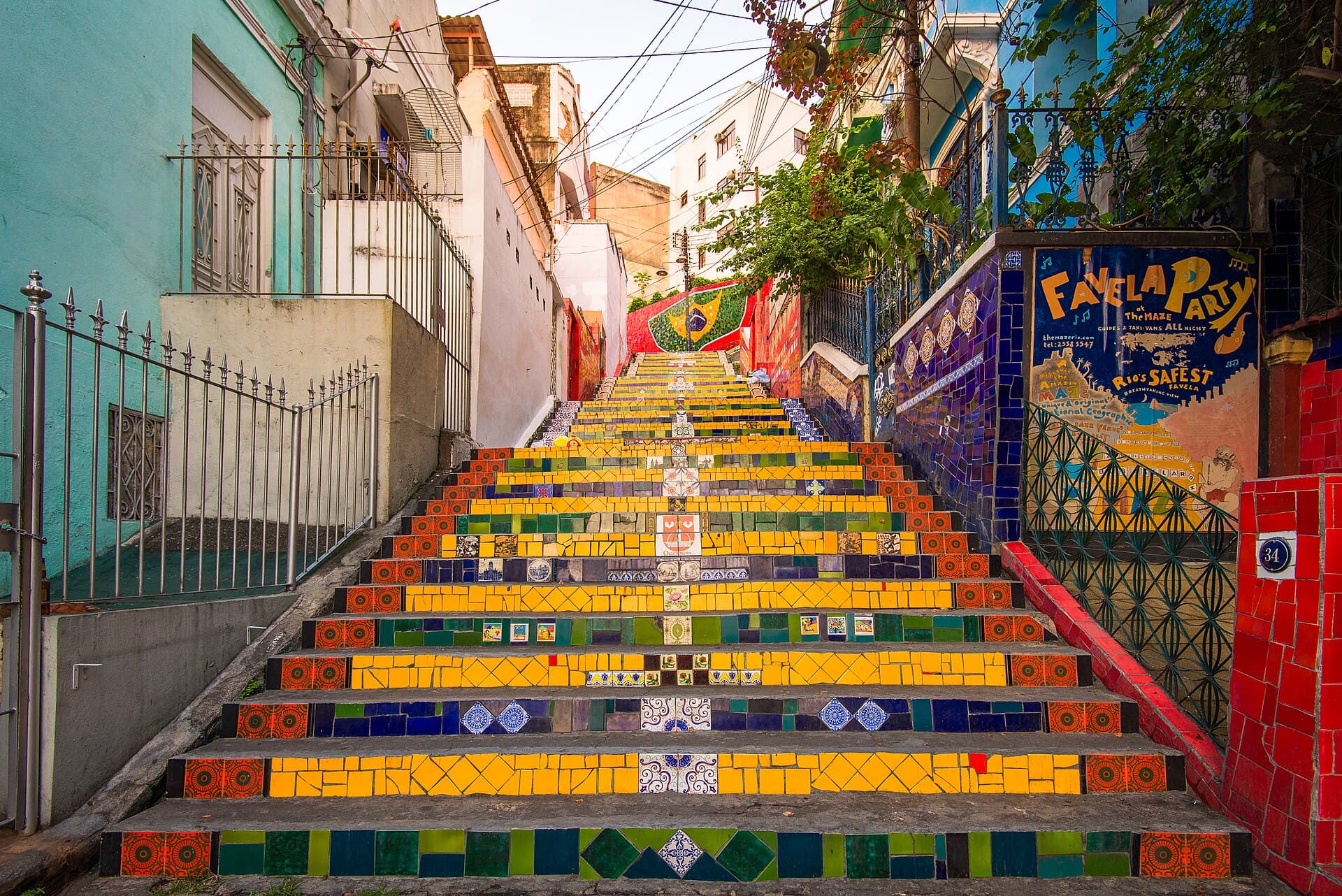 Selarón StepsThe Selarón Steps are a stairway of 215 steps, 125 metres long, climbing from La4 minutes walk4.7
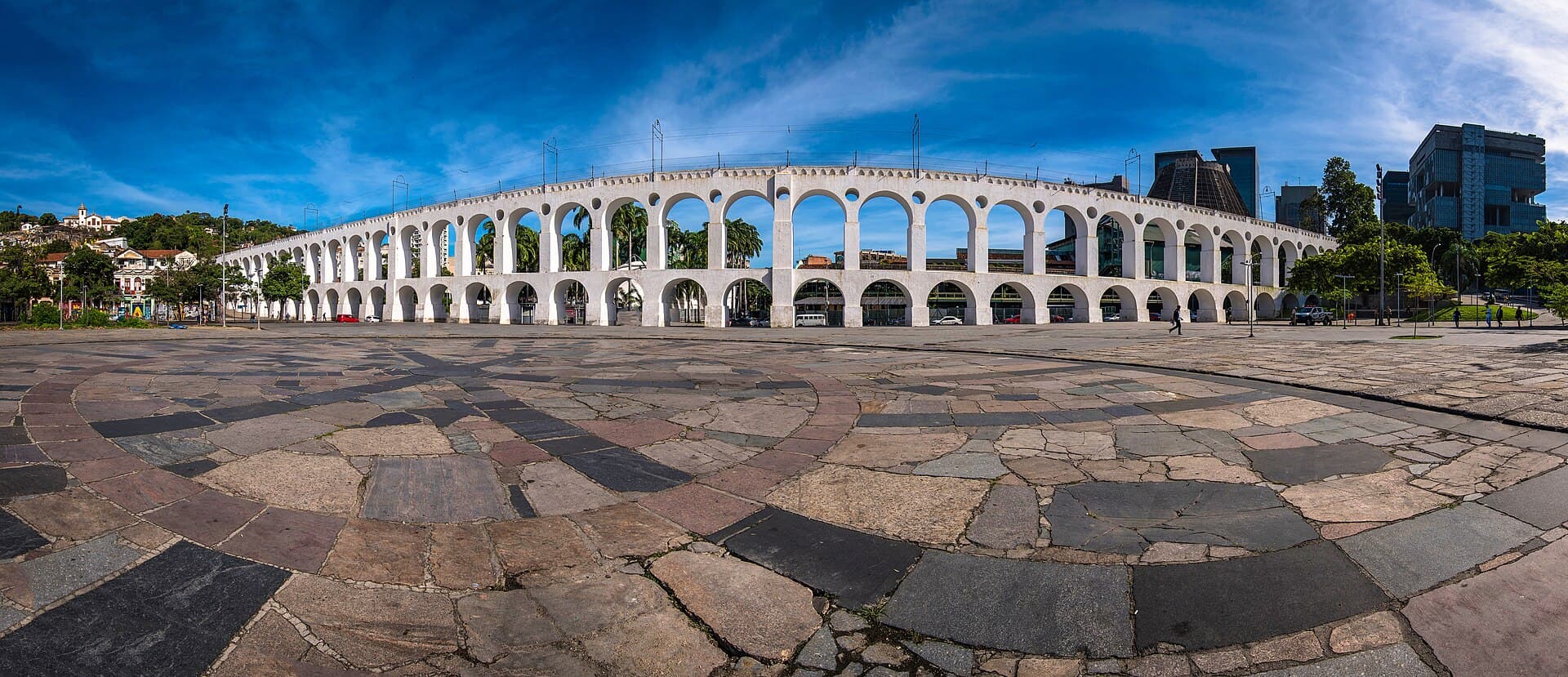 Lapa Arches (Carioca Aqueduct)The Lapa Arches are the best-known surviving part of the Carioca Aqueduct, built7 minutes walk4.3
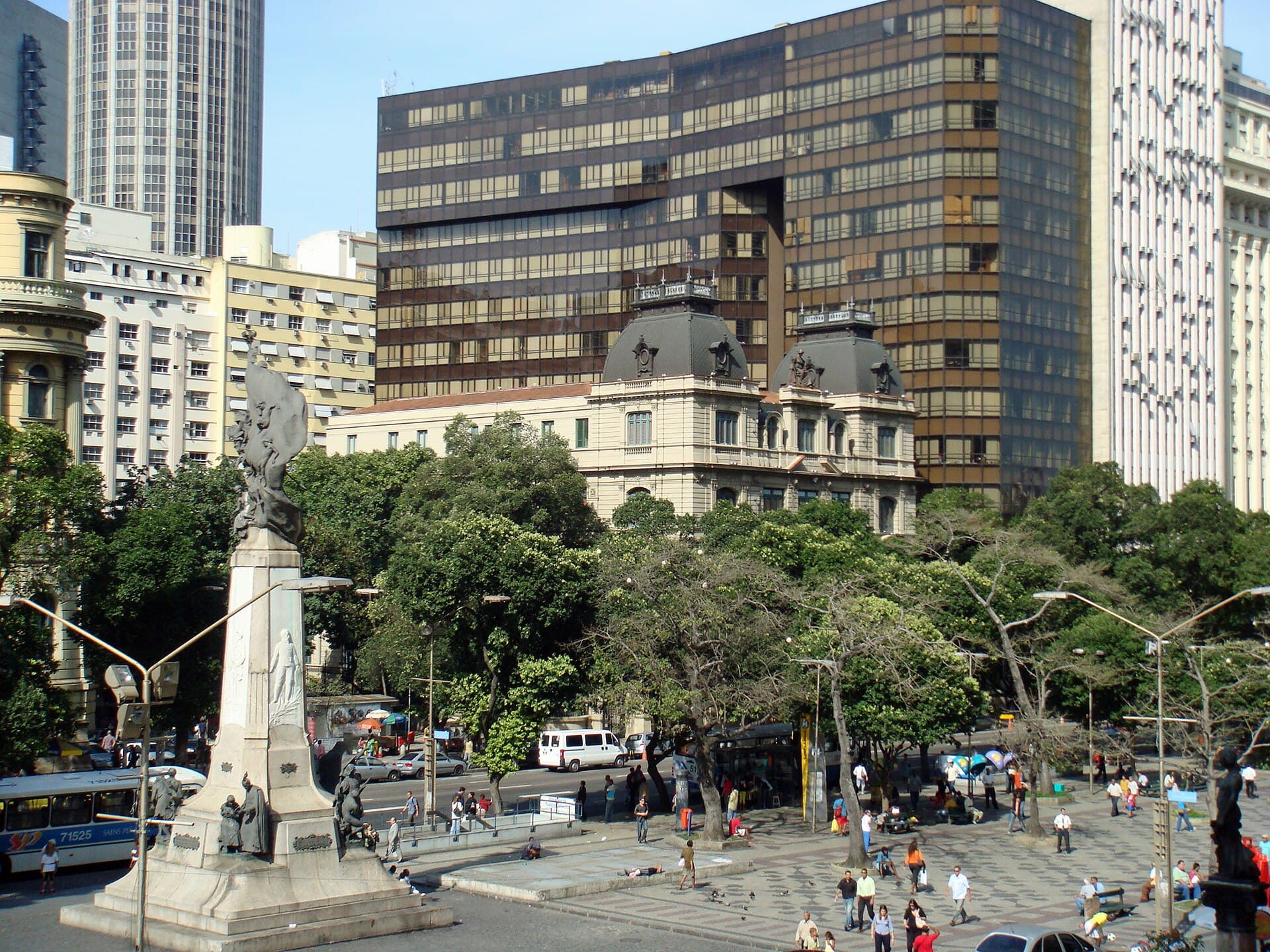 CinelândiaCinelândia is the popular name of Praça Floriano Peixoto, one of the largest pub7 minutes walk
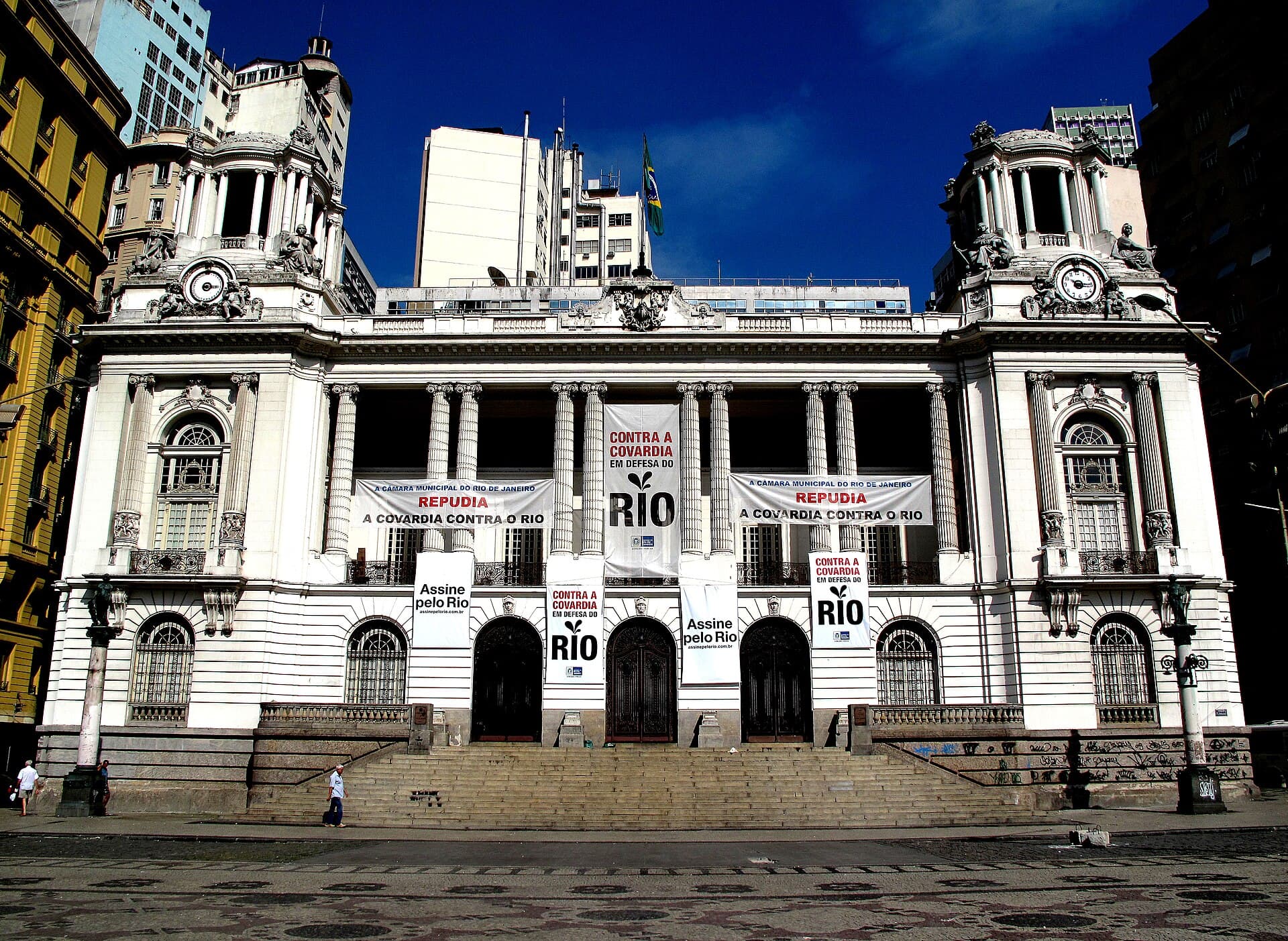 Palácio Pedro ErnestoThe Pedro Ernesto Palace is a historic building on Cinelândia square that has ho8 minutes walk4.6
The French planner Alfred Agache; it was built in 1926 on the model of Parisian gardens.