
A vanished industry
Floating timber from the Šumava forests was a major trade for centuries.
Gliwi — CC BY-SA 4.0 · JERRYE & ROY KLOTZ MD — CC BY-SA 3.0 · JERRYE & ROY KLOTZ MD — CC BY-SA 3.0 · I would appreciate being notified if you use my work outside Wikimedia. More of my work can be found in my personal gallery. — CC BY-SA 4.0
A covered wooden footbridge over the Vltava south of Český Krumlov's old town, carrying a name that refers to a vanished function. Rechle is a word for a timber barrier once stretched across the river to intercept logs floated down it. Floating timber was a major industry in this region for centuries: trees were felled in the Šumava forests, thrown into the river and carried with the current to the towns and sawmills, with what was needed caught at barriers like this one. The trade disappeared entirely in the twentieth century with roads and railways, and the name stayed on the bridge. The bridge today is a pedestrian crossing joining the two banks, used by residents and visitors, and giving a view of the river with the castle behind — an angle less crowded than the central bridges. The area is a launching point for the rafting trips that pass through the town. A public bridge, open and free to cross.
Floating timber from the Šumava forests was a major trade for centuries.
A photographic angle less crowded than the central bridges.
The boat trips that pass through the town launch here.
On the Vltava south of the old town
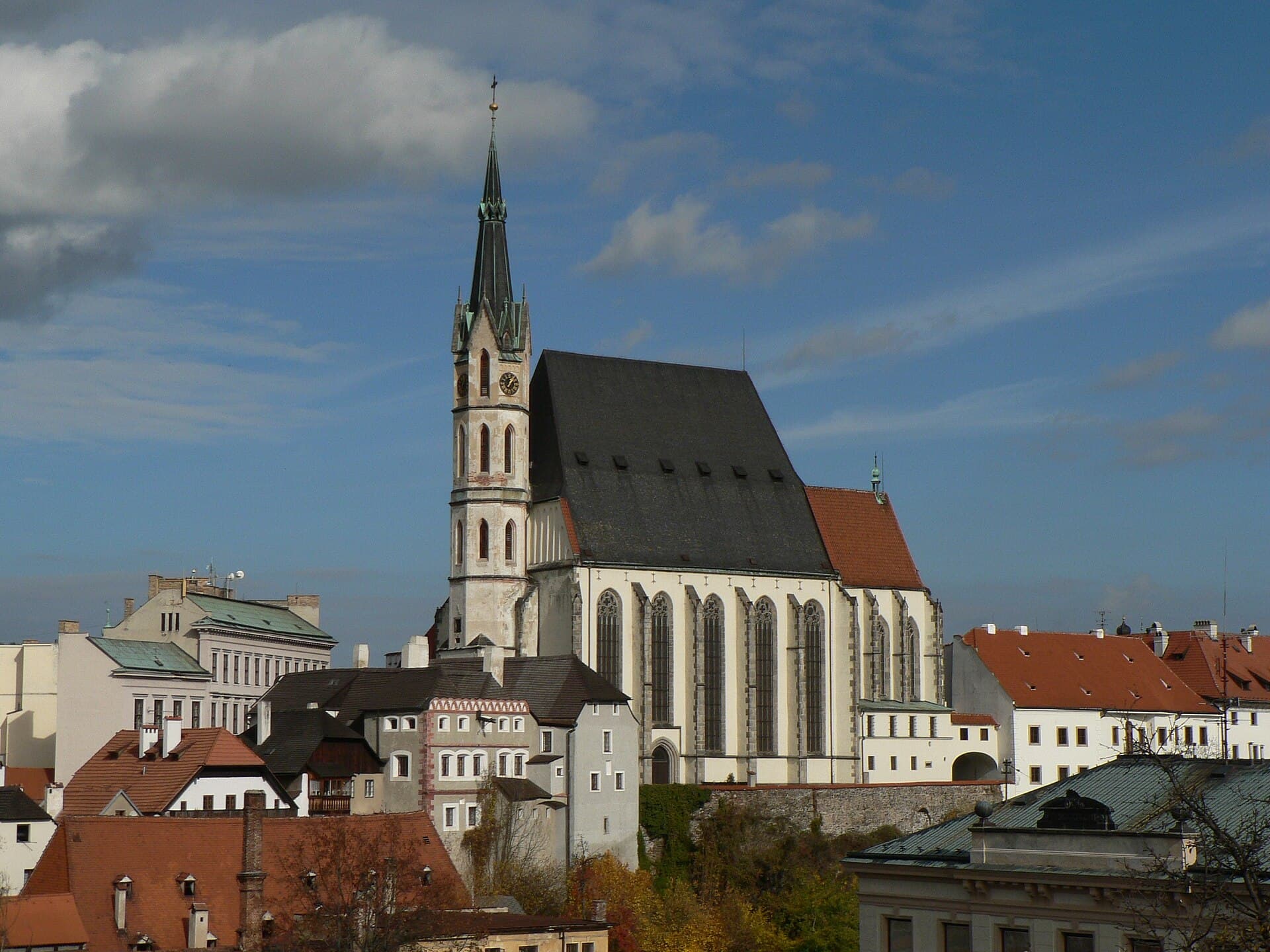 Church of St VitusThe town's second tower: Gothic St Vitus (finished 1439) answers the castle towe14 minutes walk4.8
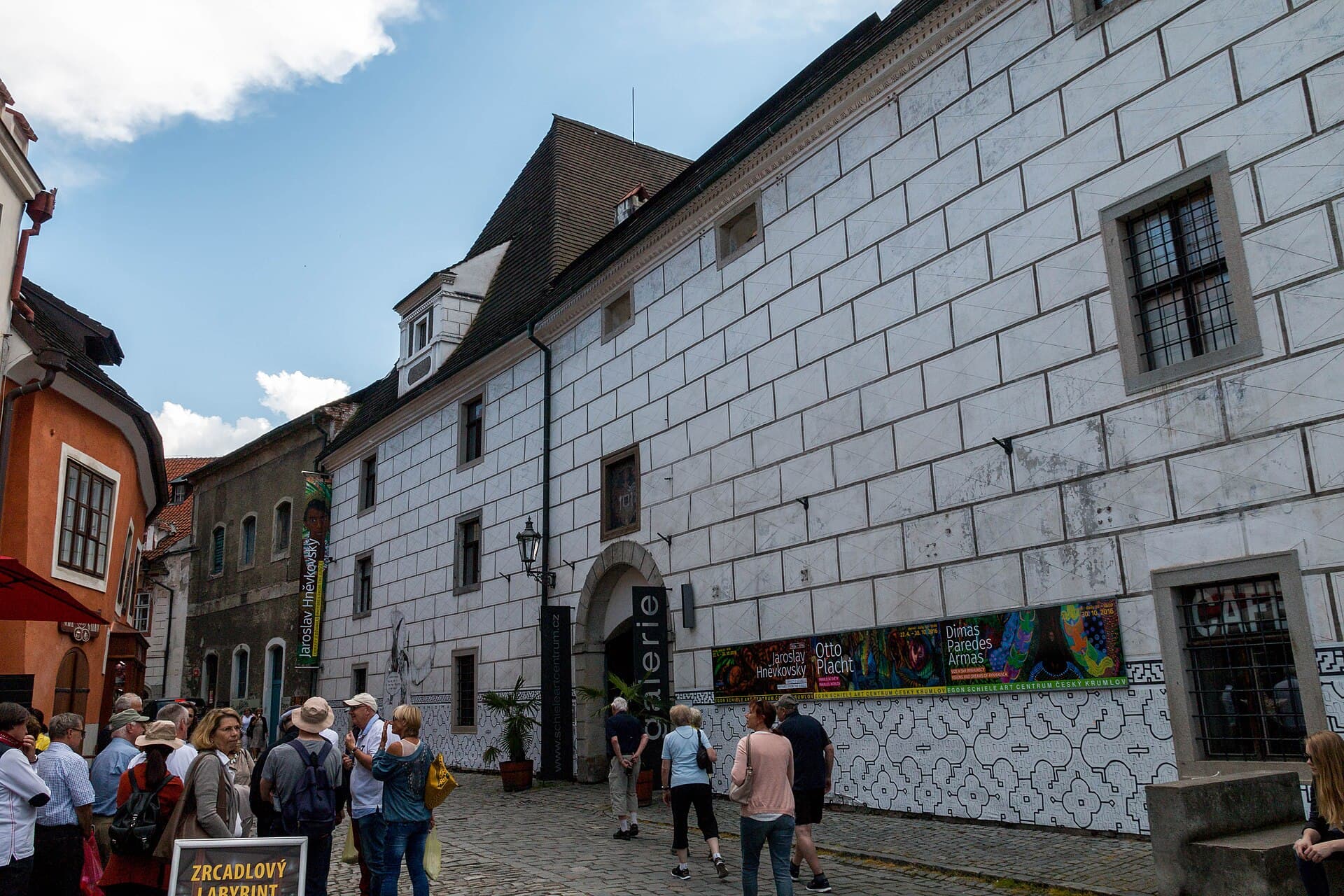 Egon Schiele Art CentrumThe small town's biggest surprise: a capital-grade contemporary art centre in an14 minutes walk4.5
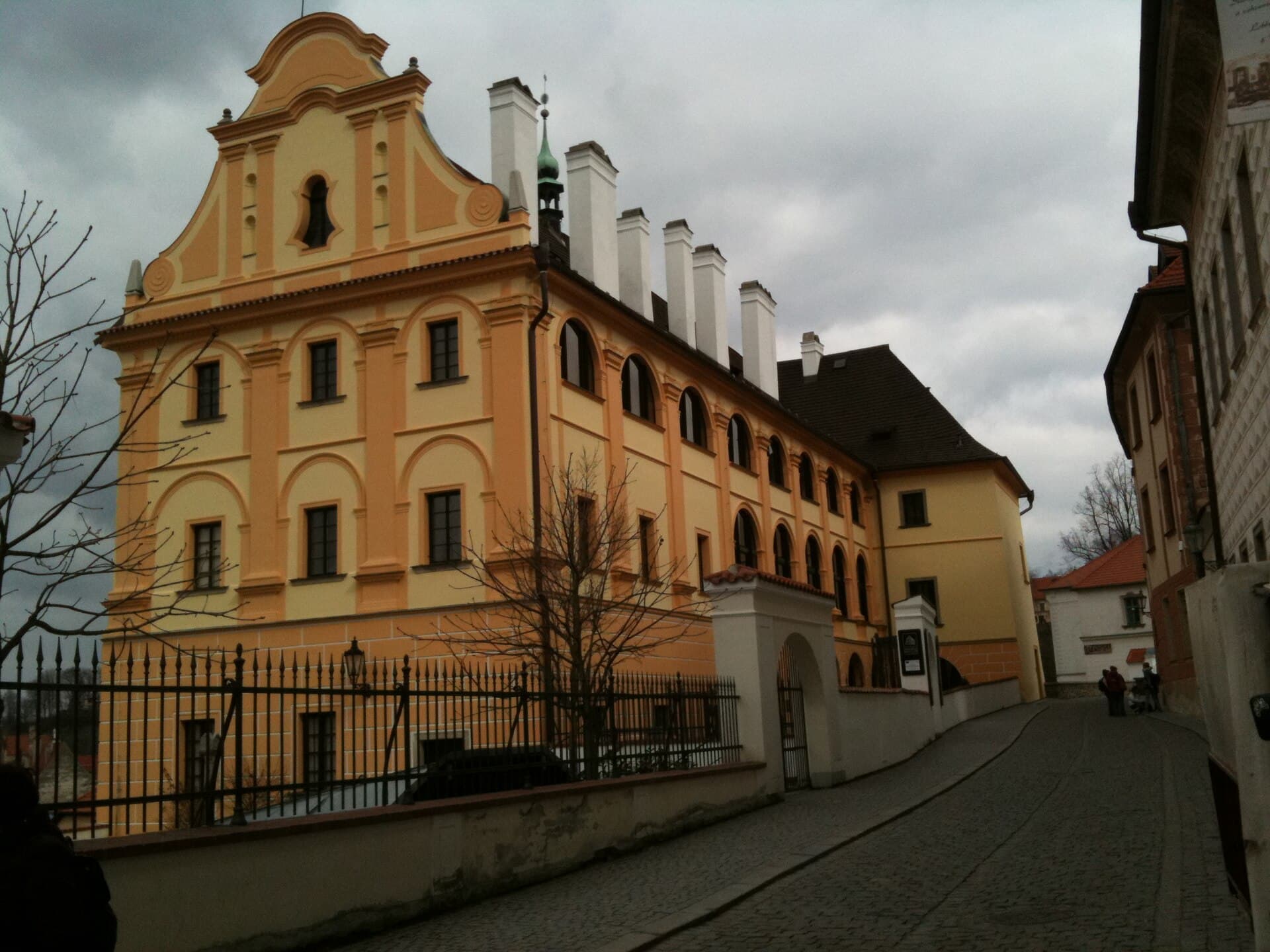 The Regional MuseumThe town's memory in a 1652 Jesuit college: the Regional Museum at Horní street'15 minutes walk4.7
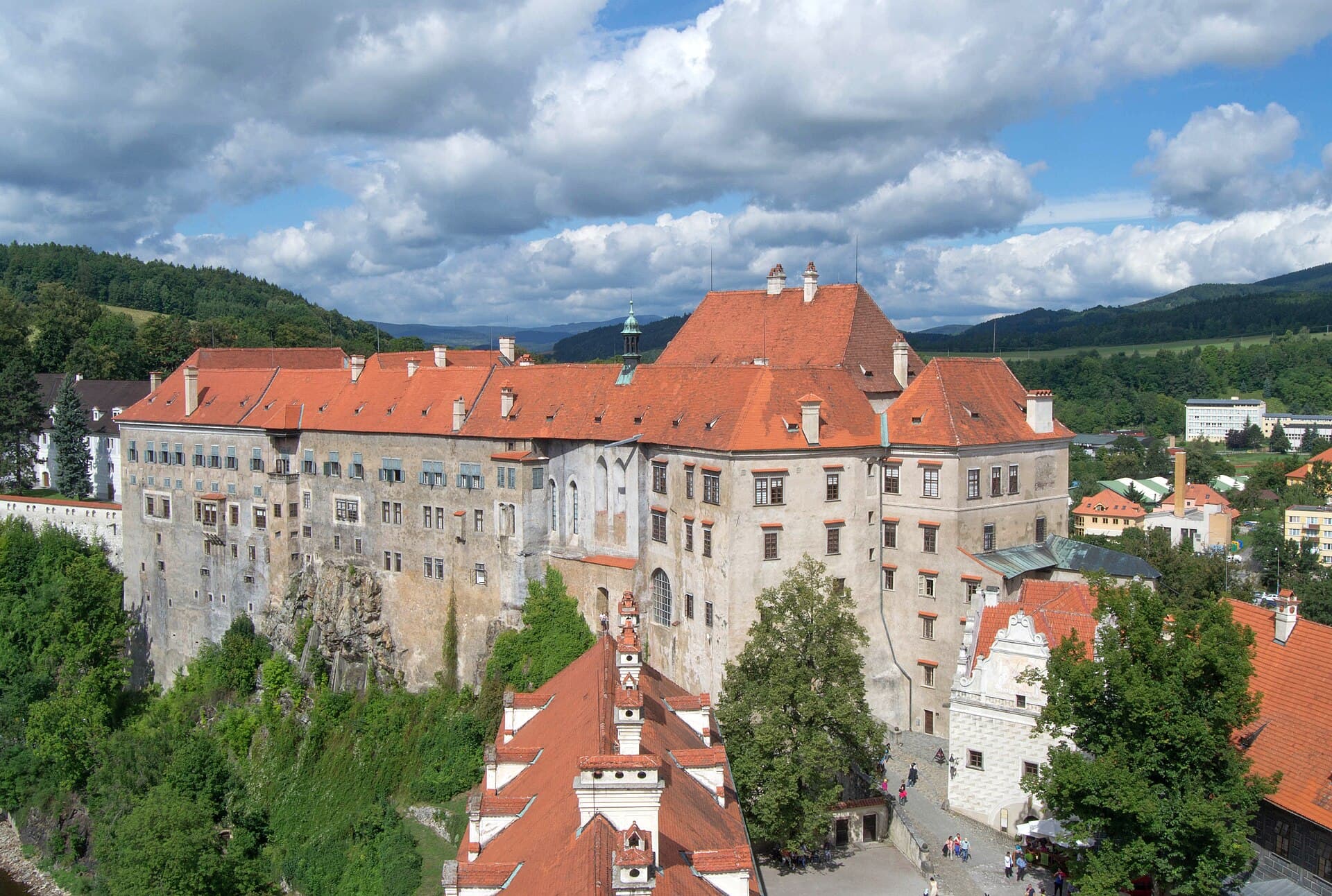 Cesky Krumlov CastleCzechia's second-largest castle after Prague's — above a town of mere thousands:17 minutes walk4.7
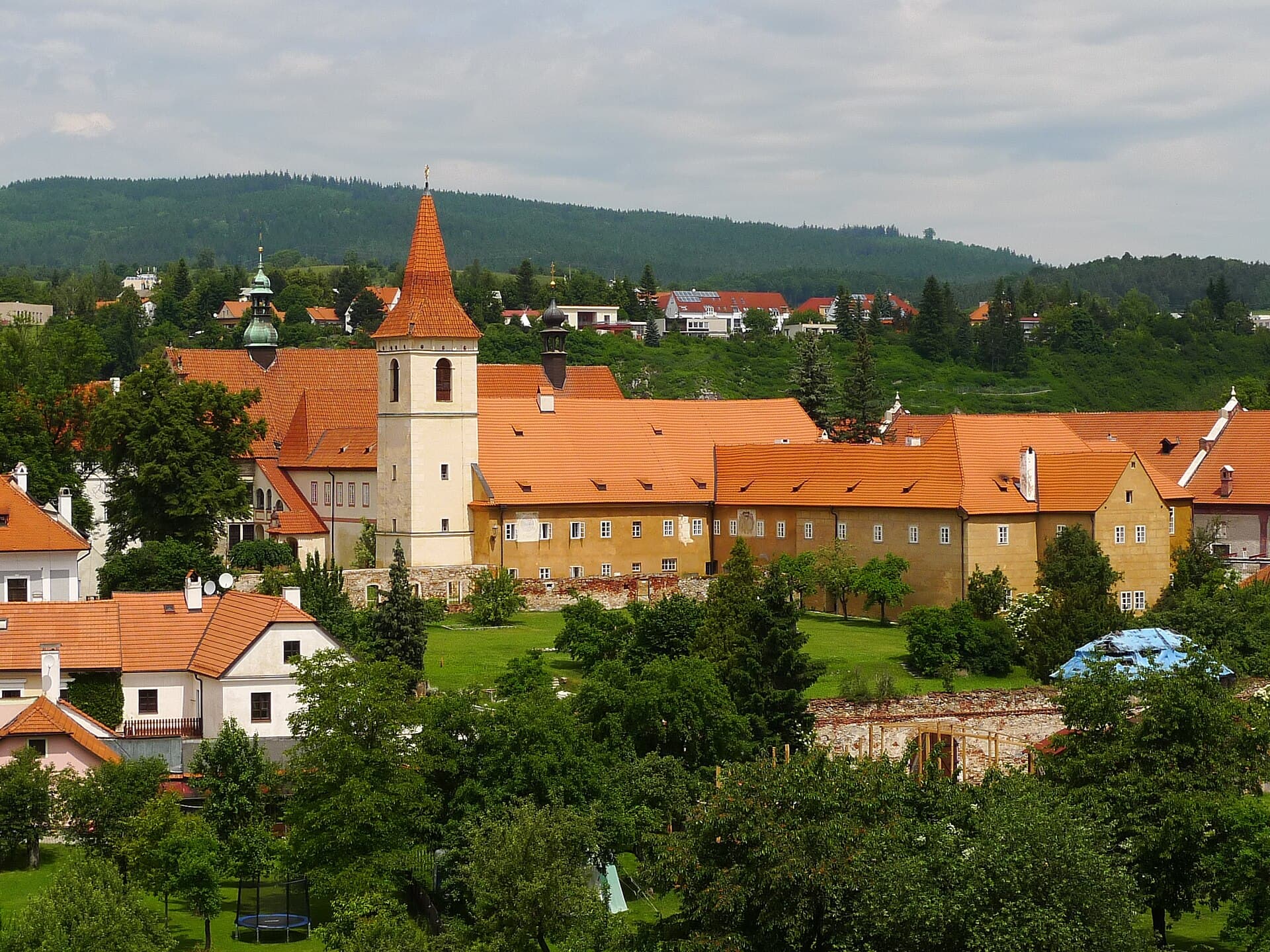 The Minorite Monastery and its GardenA monastic complex in Český Krumlov's old town, founded in 1350 and holding thre18 minutes walk4.9
A very common summer activity: you hire an inflatable raft or canoe and go down the Vltava's current through the town, passing beneath the castle and the bridges and over small chutes built for boats. The short trip inside the town takes about an hour, and longer routes run a full day outside it. Companies supply equipment and transport and no prior experience is needed — but book in season.
The town is very small and crowded to the point of exhaustion in July and August and at weekends — the narrow streets fill completely. May, September or early October are better. And if you come in season, stay a night: the town empties entirely once the day-trip coaches leave around five, and the evening is wholly different from the day.