
The Baroque pharmacy
Jars and drawers complete as left — an eighteenth century preserved.
Eva Rešová — CC BY 3.0 · Kolyan ilia — CC BY-SA 4.0 · Kolyan ilia — CC BY-SA 4.0 · Kolyan ilia — CC BY-SA 4.0
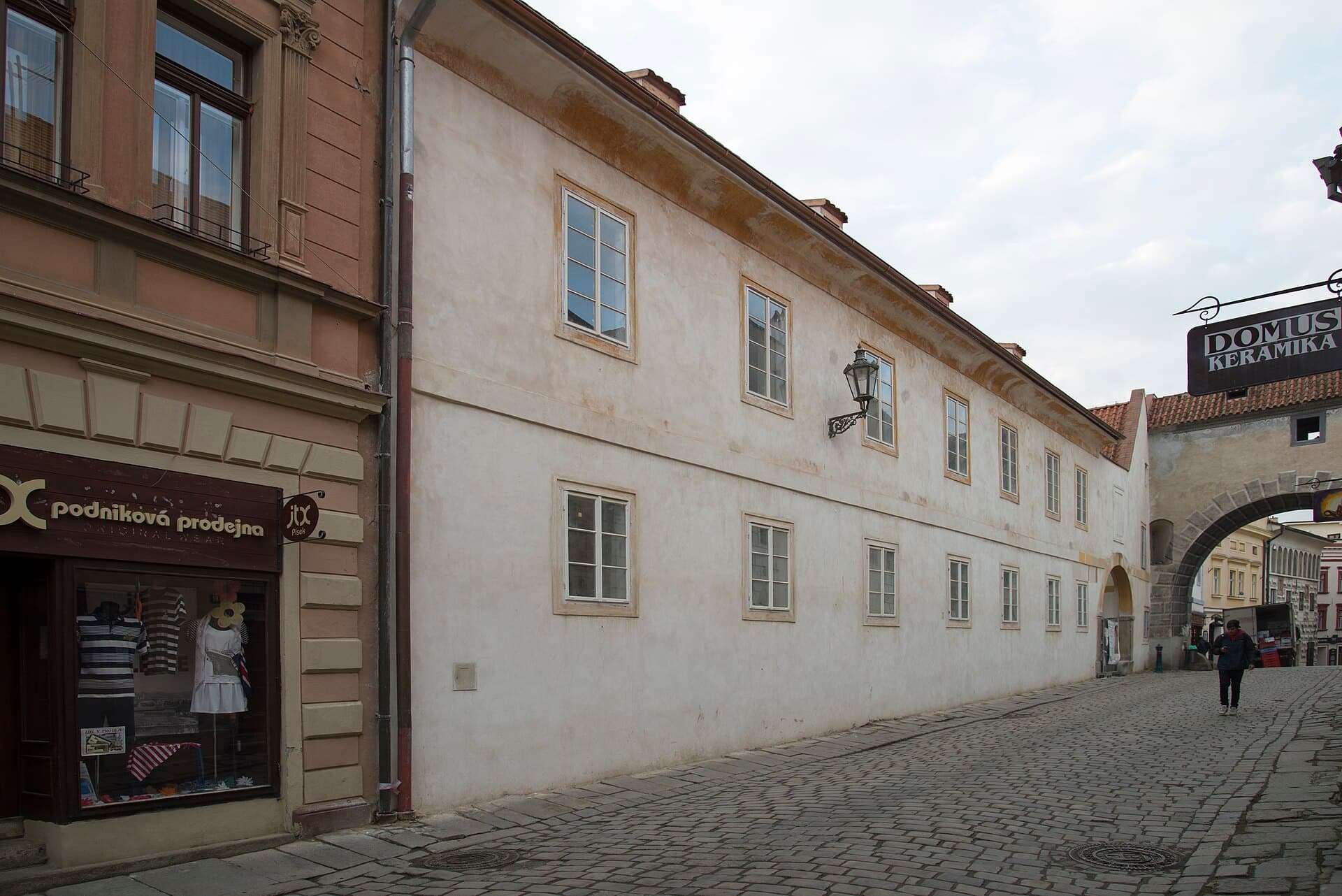
The town's memory in a 1652 Jesuit college: the Regional Museum at Horní street's mouth tells south Bohemia from the Vltava valley's Neanderthals to the twentieth century — its jewel a vast ceramic model of the town as it stood in 1800: every house and shed miniature, for tracing what you have walked. The rooms are warm provincial style: rustic Gothic altarpieces gathered from neighbouring churches, a Baroque pharmacy complete to its jars, and the Bohemian Forest's trades — glass, and the timber-rafting that enriched the river for centuries. And its terrace is a near-secret free view of castle over roofs — ten minutes there equal the visit for many, and the ticket is among the cheapest things bought in town.
Jars and drawers complete as left — an eighteenth century preserved.
The river trade that enriched the town for centuries — UNESCO-listed as living heritage.
Horní 152, 381 01 Český Krumlov
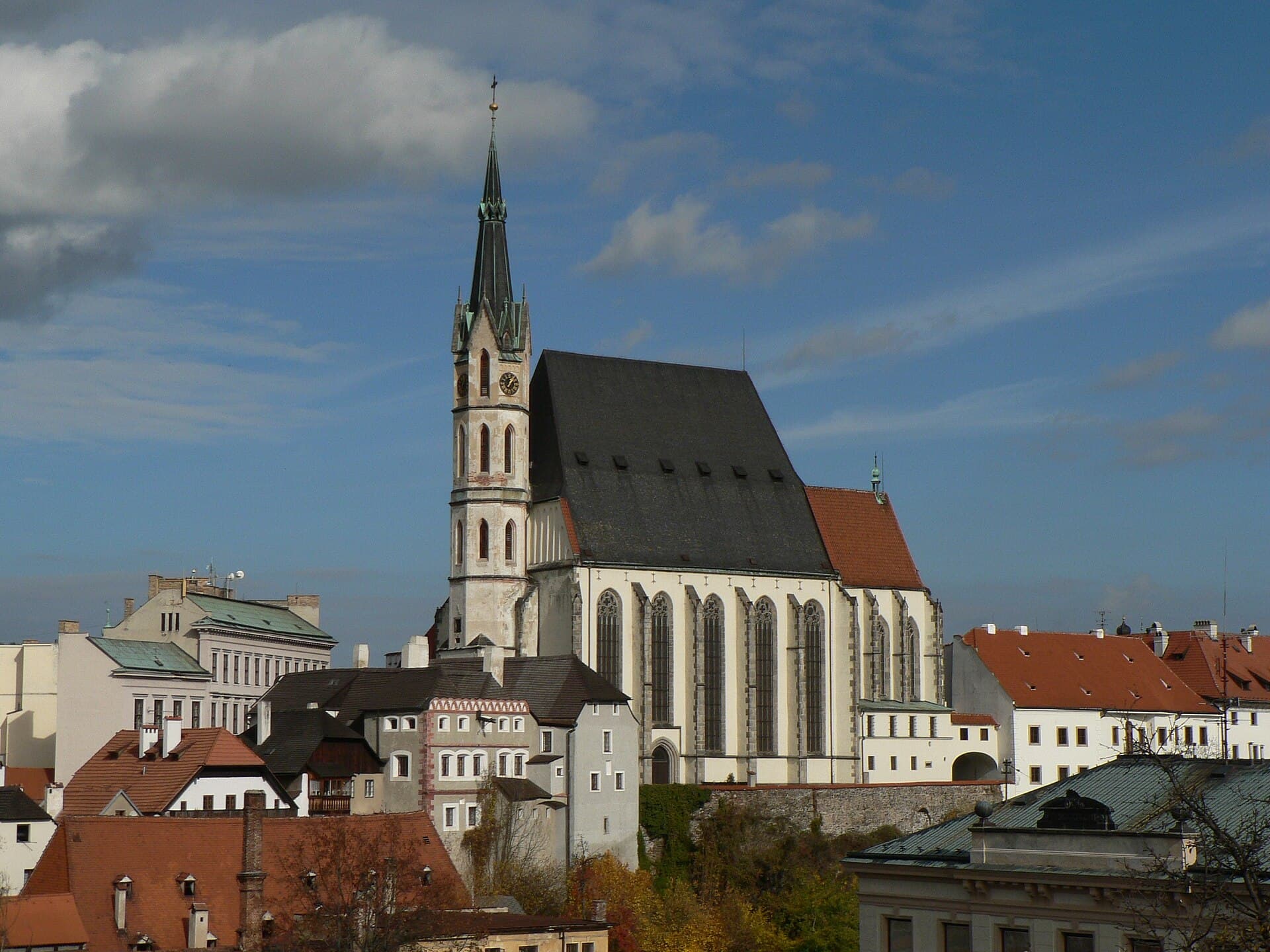 Church of St VitusThe town's second tower: Gothic St Vitus (finished 1439) answers the castle towe2 minutes walk4.8
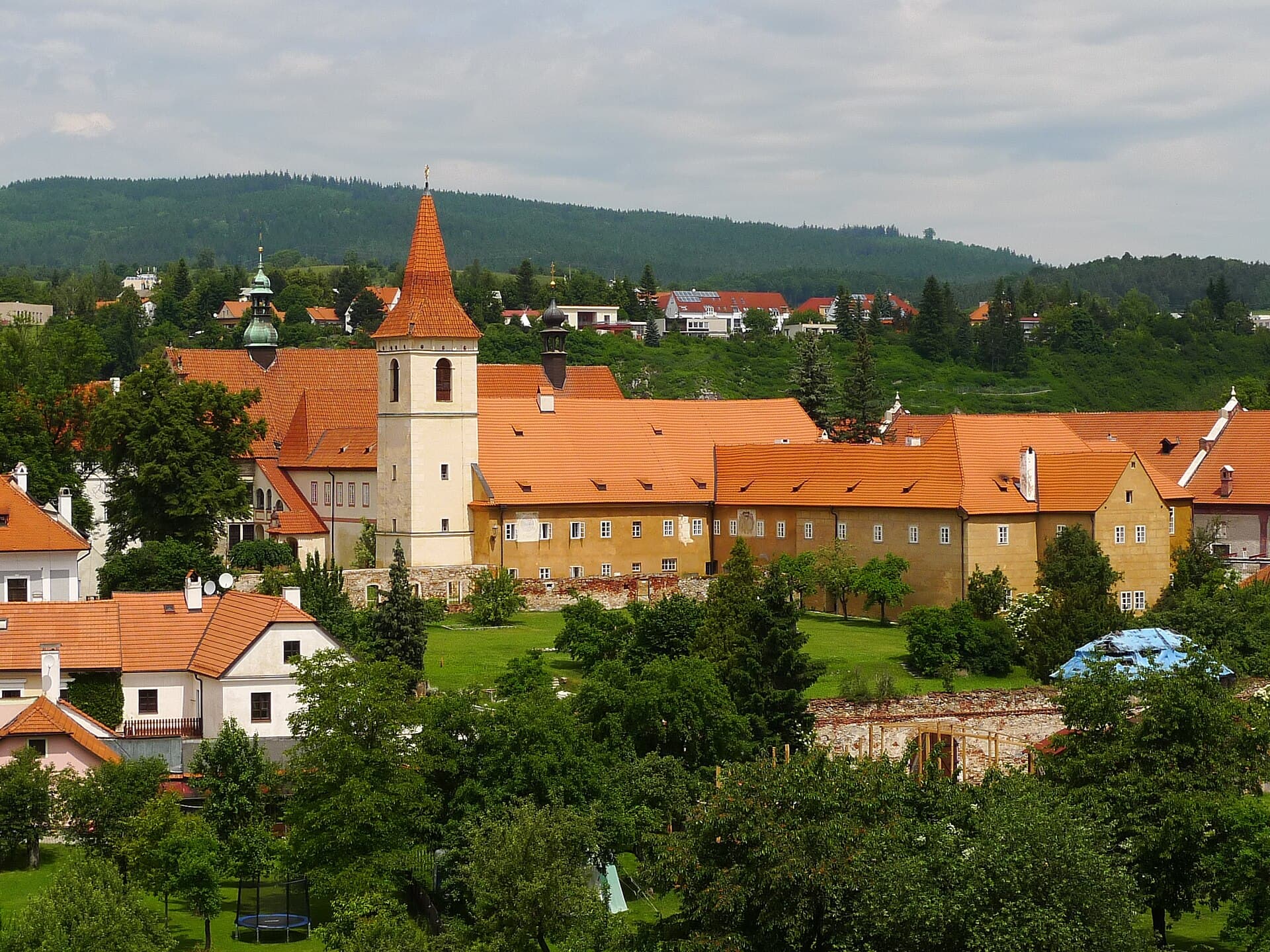 The Minorite Monastery and its GardenA monastic complex in Český Krumlov's old town, founded in 1350 and holding thre3 minutes walk4.9
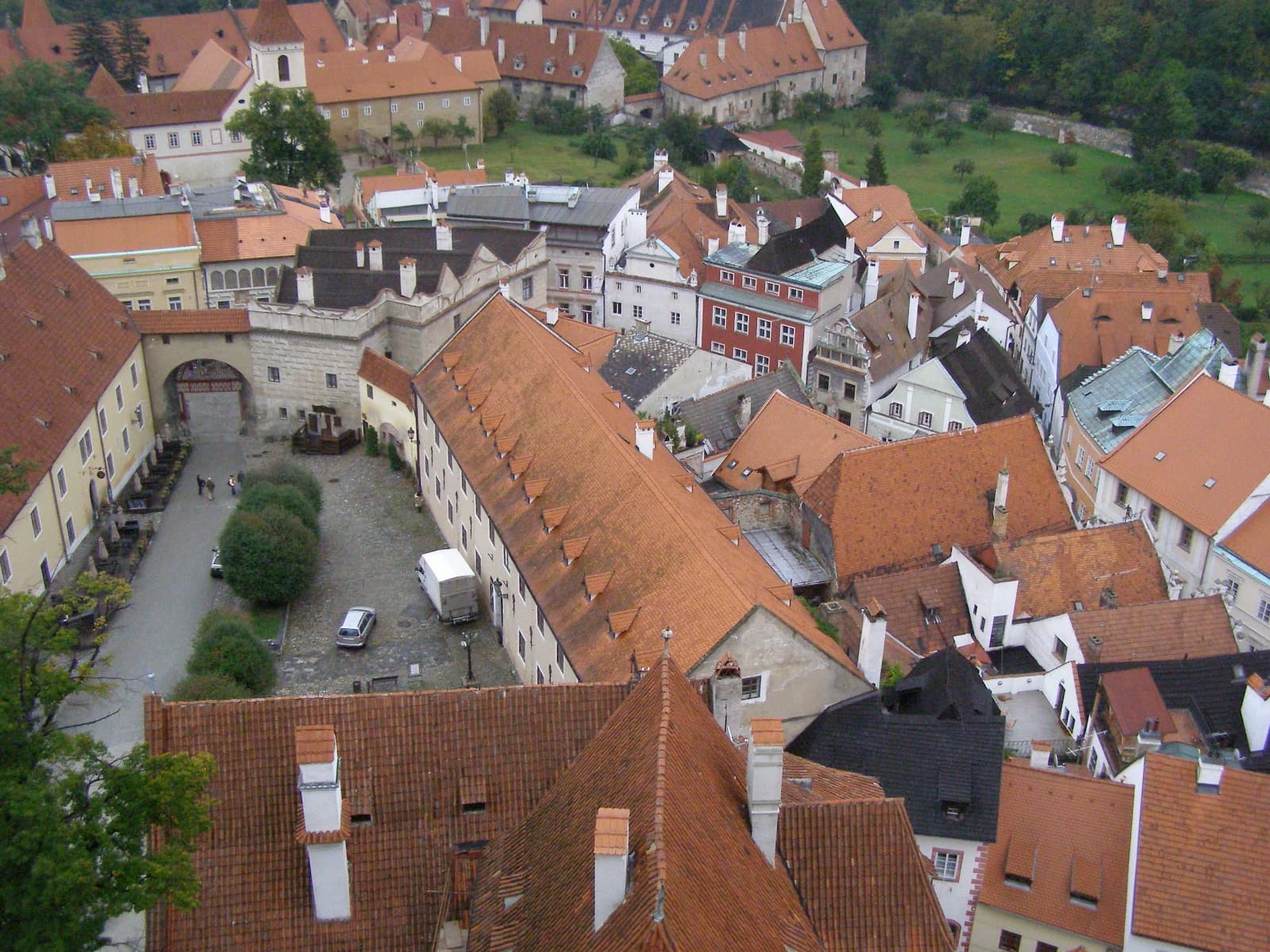 Latrán QuarterThe castle's town beneath its walls: Latrán is the servants' and craftsmen's ban3 minutes walk4.7
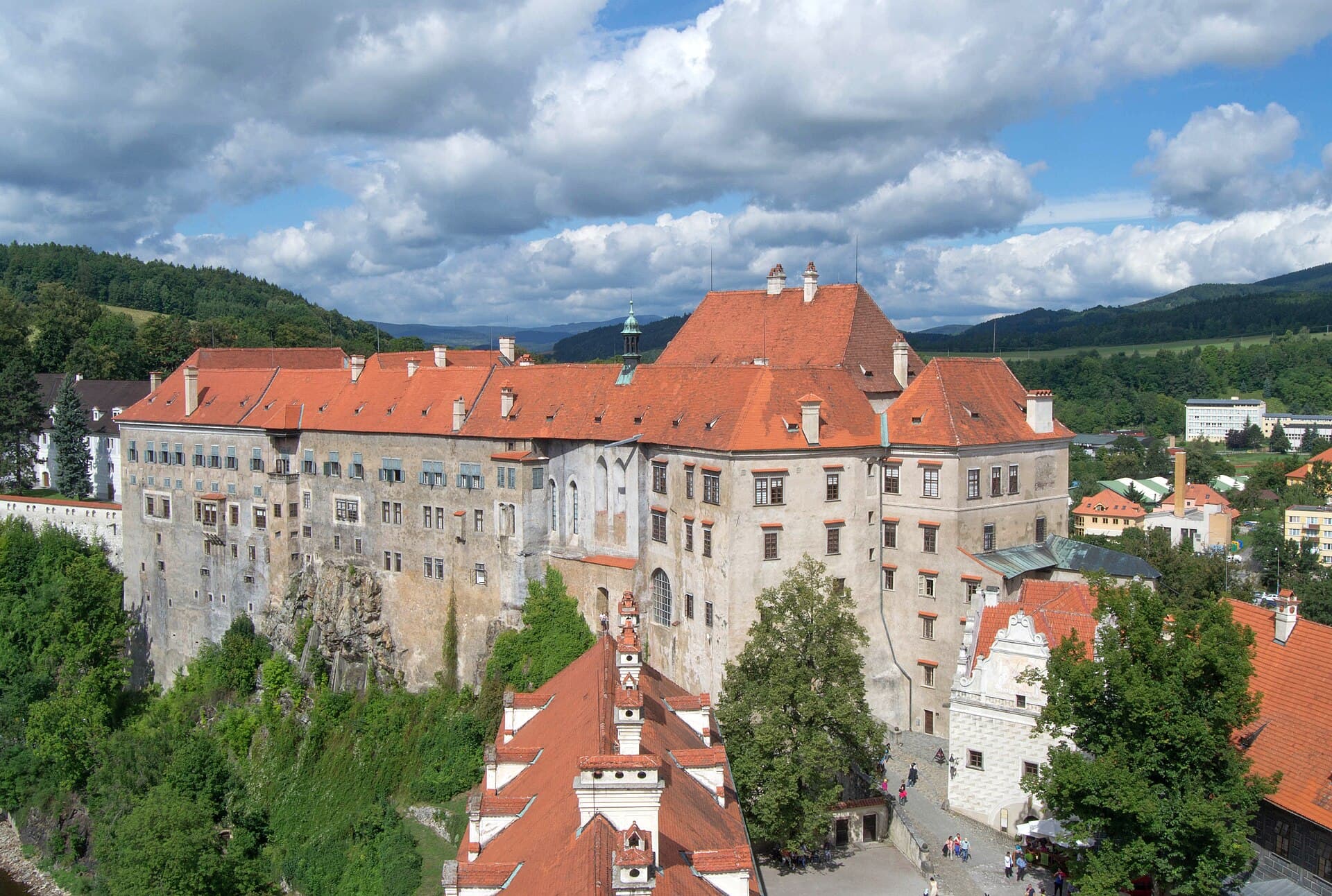 Cesky Krumlov CastleCzechia's second-largest castle after Prague's — above a town of mere thousands:3 minutes walk4.7
 The Krumlov MonasteriesA monks' town behind the castle: the fourteenth-century complex joined two house4 minutes walk4.6
It heads Horní street anyway, so passing costs zero detour — the equation: forty-five minutes for model, pharmacy and terrace if time spills over; else the living town wins. Rain flips the sum instantly in its favour.