
Three communities in one complex
Men, women and laity — rare in central Europe.
H2k4 — CC BY-SA 3.0 · donald judge — CC BY 2.0 · donald judge — CC BY 2.0 · donald judge — CC BY 2.0
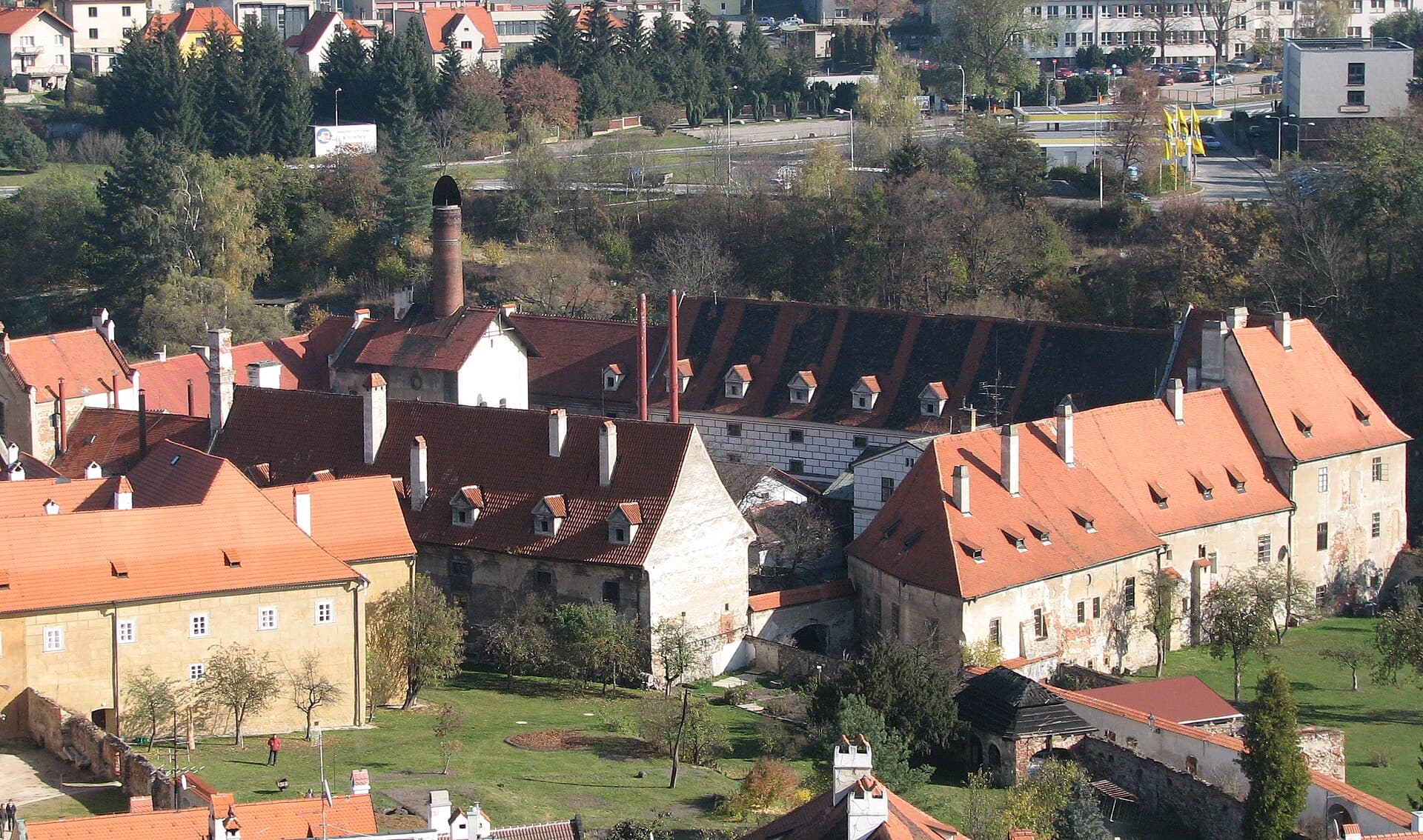
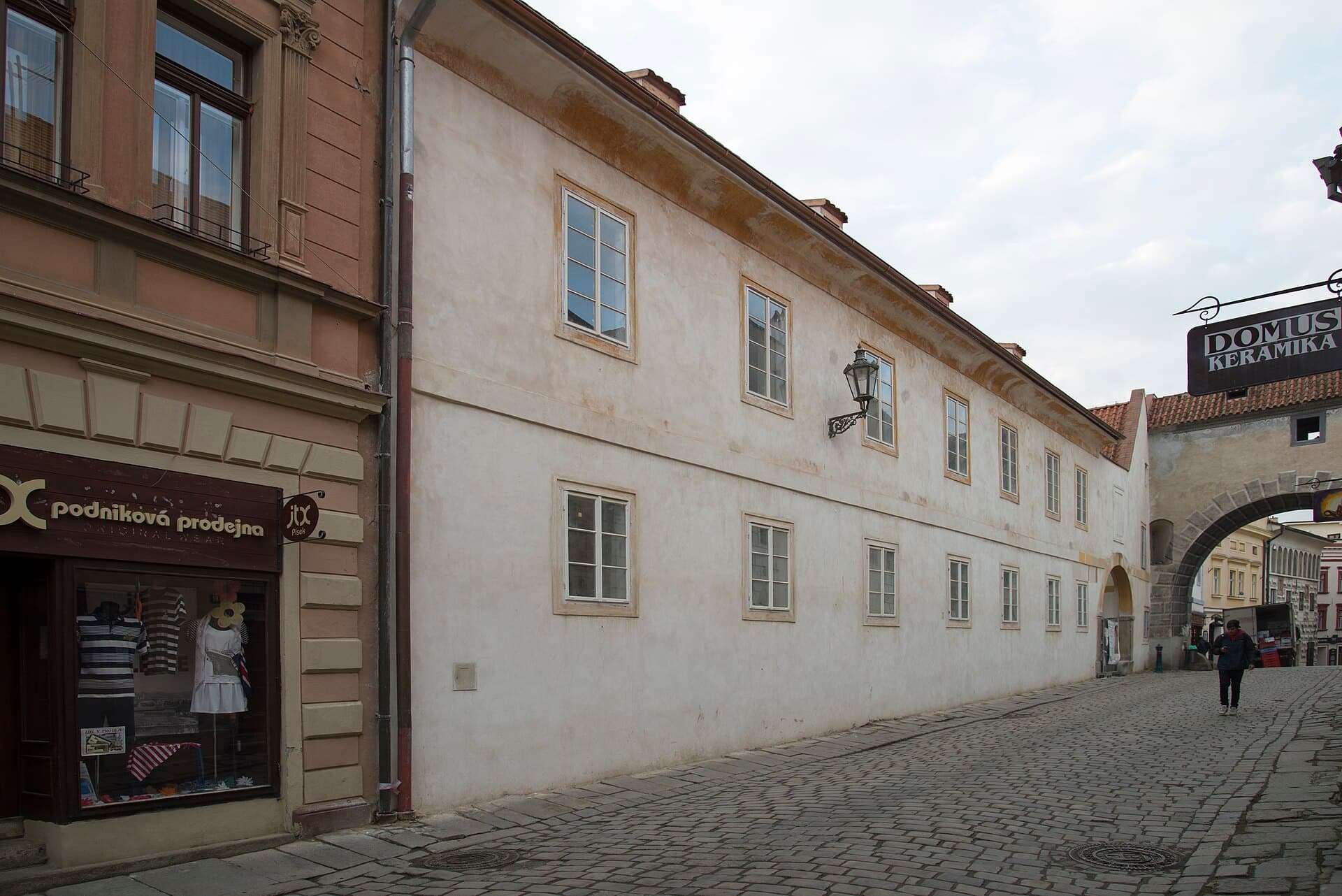
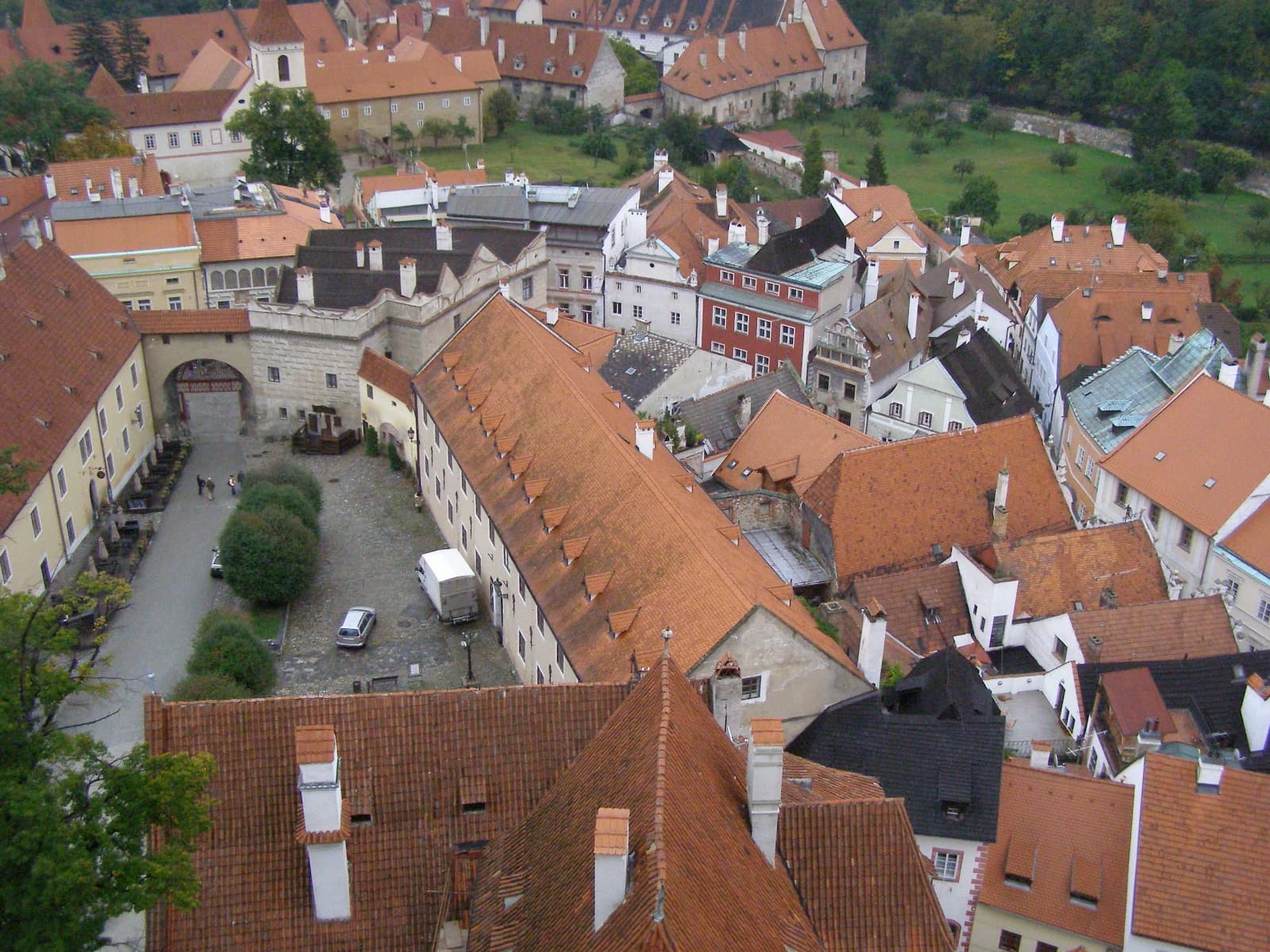
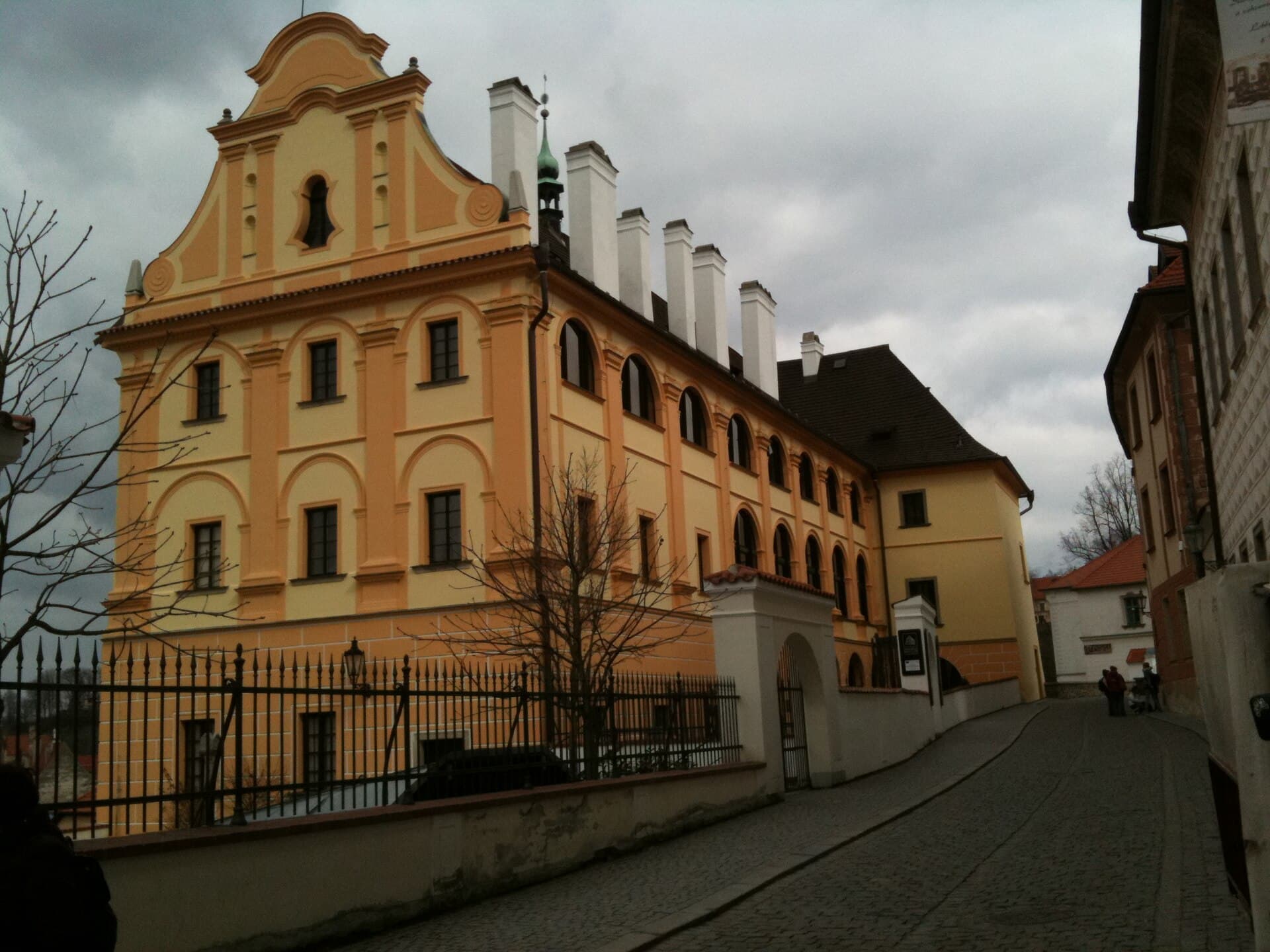
A monastic complex in Český Krumlov's old town, founded in 1350 and holding three adjoining convents: the Minorites, the Poor Clares, and the lay Brothers. This arrangement is unusual: three different religious communities — men, women and laity — in one connected complex, and among the few surviving examples in central Europe. The complex was closed under Emperor Joseph II in the late eighteenth century, within his campaign of dissolving monasteries that provided no public service, then put to various uses and left to decay for much of the twentieth century. It was restored in the 2010s and reopened as a cultural centre: craft workshops working by medieval techniques — manuscript copying, candle making and pottery — along with exhibitions and replanted historic gardens. The monastery garden is part of the visit, and is among the quietest places in the town.
Men, women and laity — rare in central Europe.
Manuscript copying, candle making and pottery.
Replanted, and among the quietest places in the town.
Klášterní street, the old town
 Historic Brewery, Český KrumlovA historic brewery in Český Krumlov brought back into operation after years of c1 minute walk3.9
 The Krumlov MonasteriesA monks' town behind the castle: the fourteenth-century complex joined two house1 minute walk4.6
 Latrán QuarterThe castle's town beneath its walls: Latrán is the servants' and craftsmen's ban2 minutes walk4.7
 The Regional MuseumThe town's memory in a 1652 Jesuit college: the Regional Museum at Horní street'3 minutes walk4.7
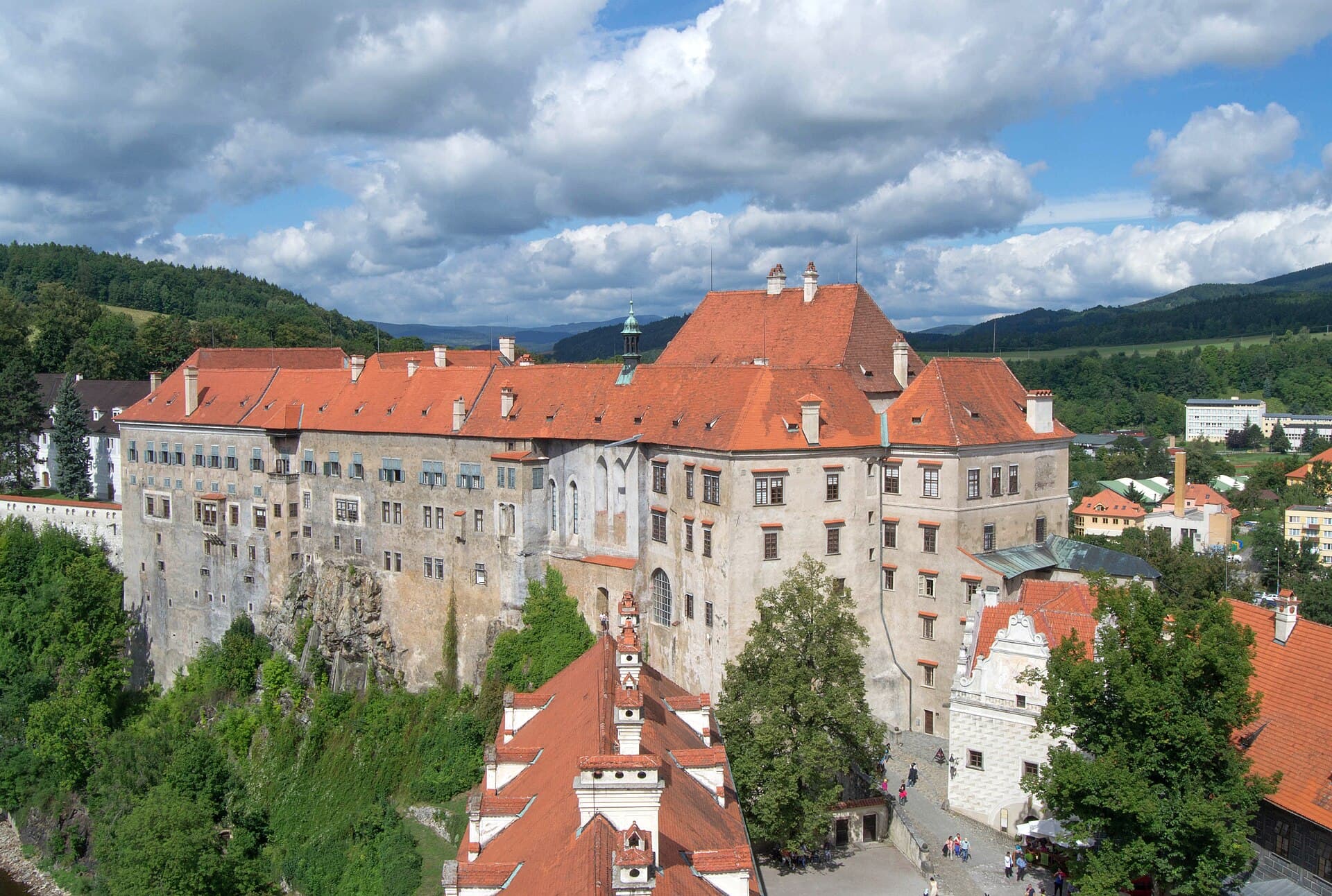 Cesky Krumlov CastleCzechia's second-largest castle after Prague's — above a town of mere thousands:3 minutes walk4.7
Between 1782 and 1787 Emperor Joseph II issued decrees closing hundreds of monasteries across the Austrian empire — every house that provided no public service such as teaching, medicine or care of the poor. The motive was a mixture of Enlightenment thinking, which saw the contemplative life as useless, and the state's need for property and money. Lands were confiscated, libraries sold and irreplaceable manuscripts scattered. The effect is still visible in empty or repurposed monasteries across the Czech lands and Austria.
The castle first: the second largest castle complex in the Czech Republic after Prague Castle, holding the painted tower, the gardens and the baroque theatre — the last being one of three baroque theatres in the world surviving with their original stage machinery, visited on a limited tour that needs booking. Then the Egon Schiele museum, and the World Heritage listed old town itself.