
The Rumbula massacre
Most of the ghetto's people were killed in a forest south of the city within days.
Avner — CC0 · Tim Adams — CC BY 3.0 · Rakoon — CC0 · Rakoon — CC0
A museum outdoors and inside a wooden warehouse near the Spīķeri quarter, devoted to the Riga ghetto and to the destruction of Latvia's Jews in the Second World War. The facts are harsh and direct: before the war Latvia had around ninety-five thousand Jews. After the German occupation in 1941 the ghetto was established in this district, and most of its inhabitants were then killed in the Rumbula forest south of the city in two massacres within days of each other in November and December 1941. Fewer than five per cent of Latvia's Jews survived. The museum presents this through victims' names, family photographs, documents and possessions, with a wooden ghetto house rebuilt and furnished to show how life inside it was. A painful part of the display is that much of the killing was carried out with the participation of collaborating Latvian units — a fact the museum confronts rather than passes over. The site is in the district where the ghetto stood, which changes the visit: you stand where what you are reading about happened. Practical points: entry is normally free or by donation. Much of the display is outdoors, so weather matters. The content is heavy and unsuitable for young children.
Most of the ghetto's people were killed in a forest south of the city within days.
The museum states the participation of Latvian units rather than avoiding it.
A furnished ghetto dwelling showing how life inside it was.
Maskavas street, near Spīķeri, Riga
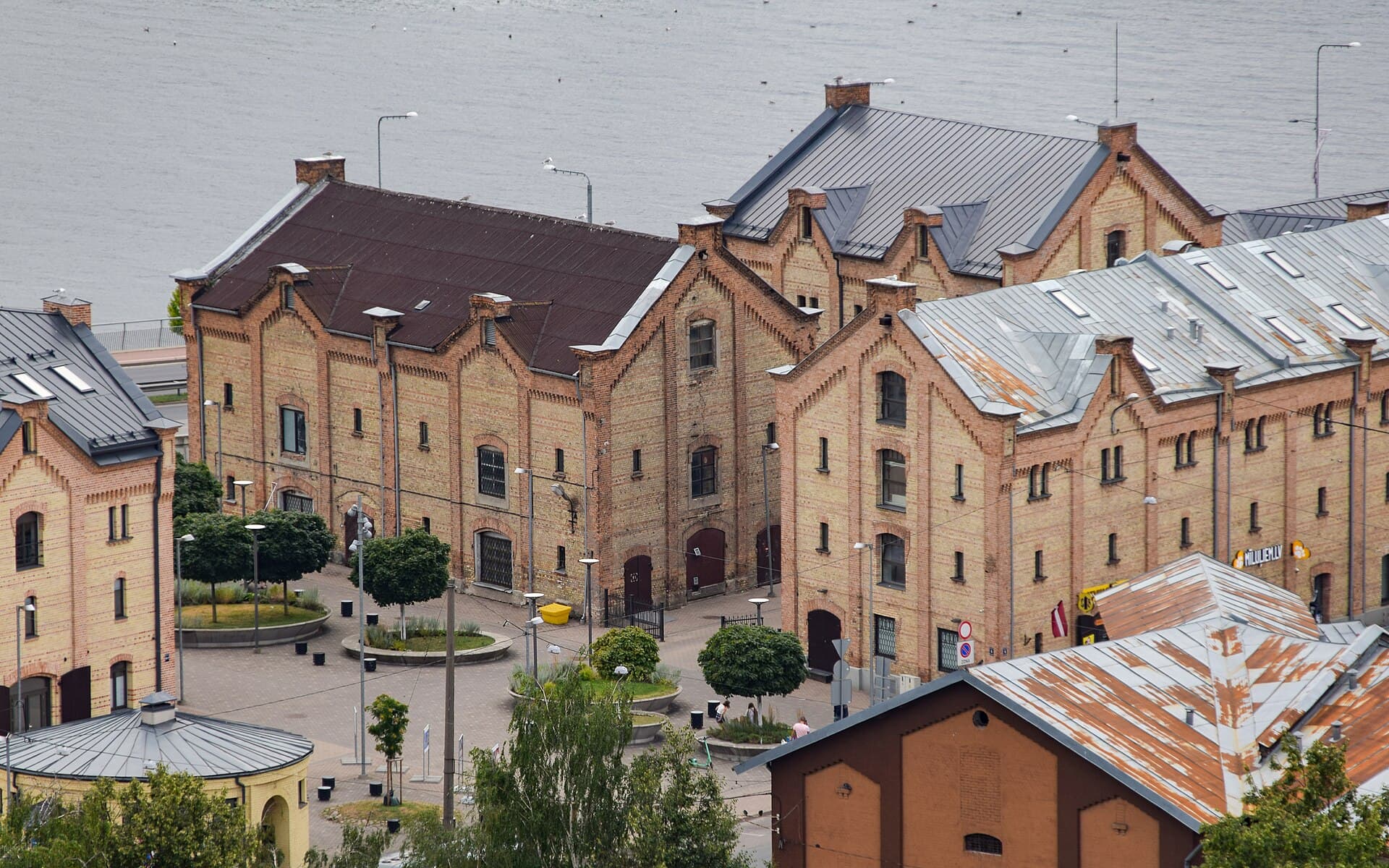 The Spīķeri QuarterA group of nineteenth-century goods warehouses beside Riga Central Market, rehab3 minutes walk4.3
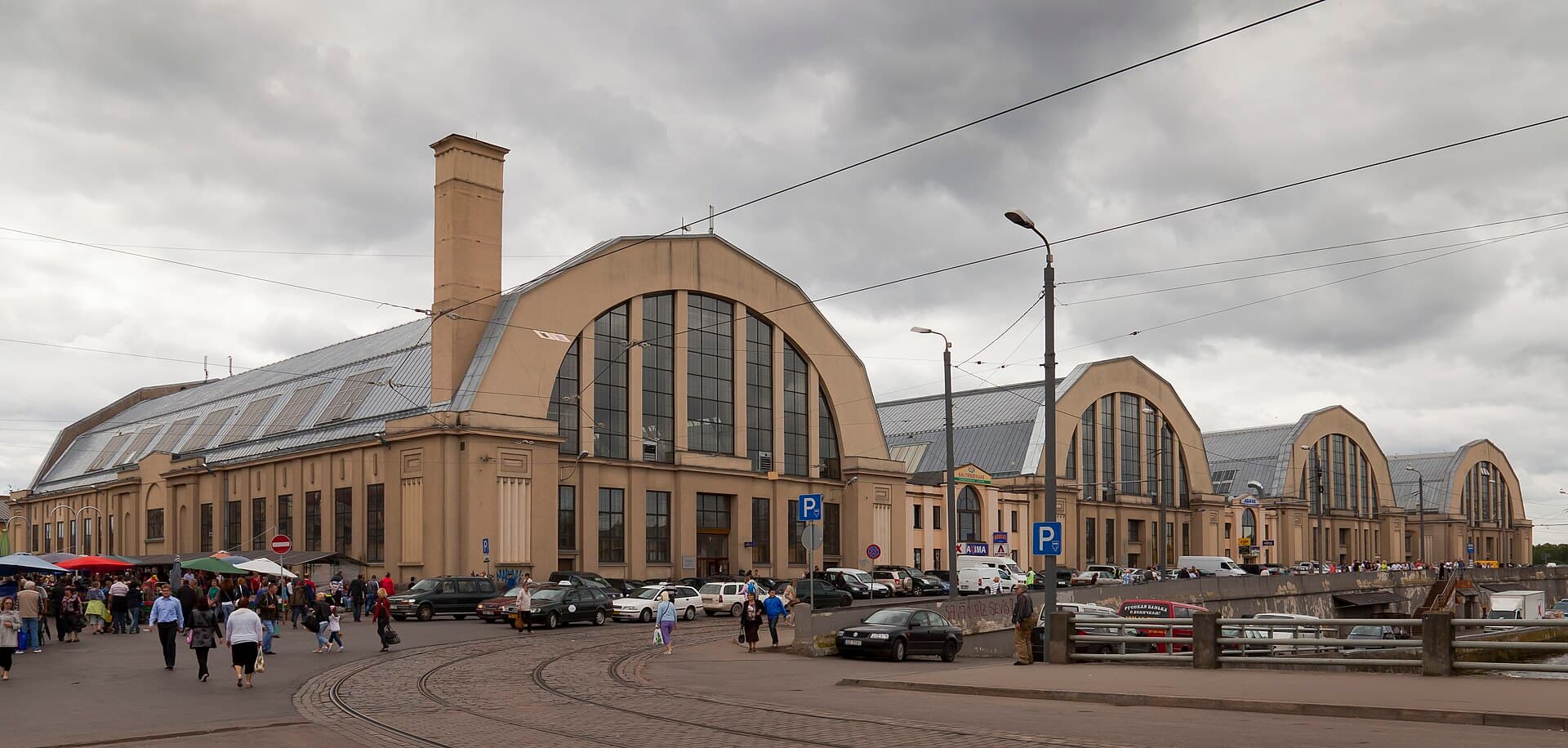 Riga Central MarketEurope's largest market inside German zeppelin hangars: Riga Central Market was 5 minutes walk4.3
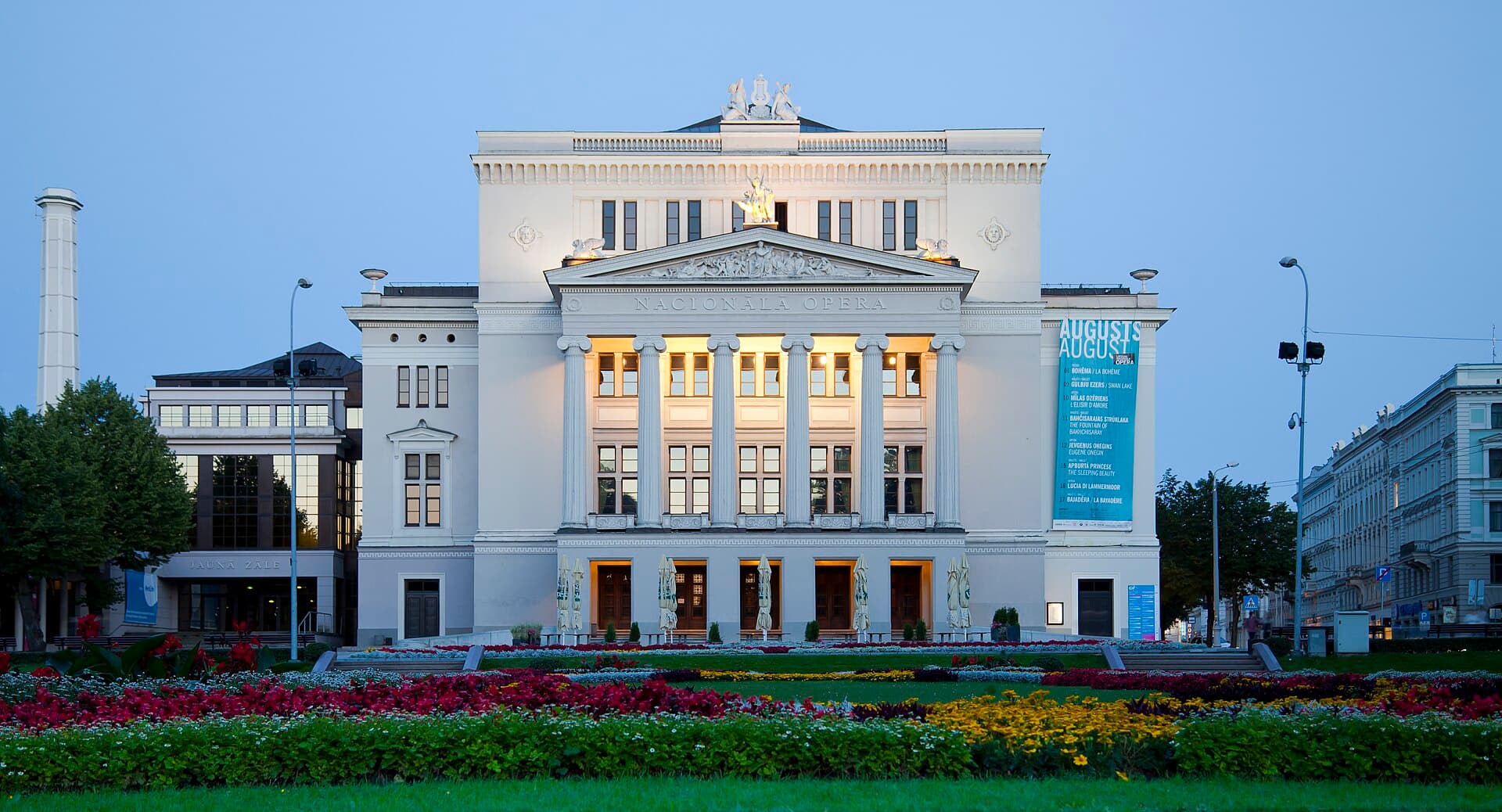 Latvian National OperaA white classical temple on the canal bank: Riga's opera house was built in 186311 minutes walk4.6
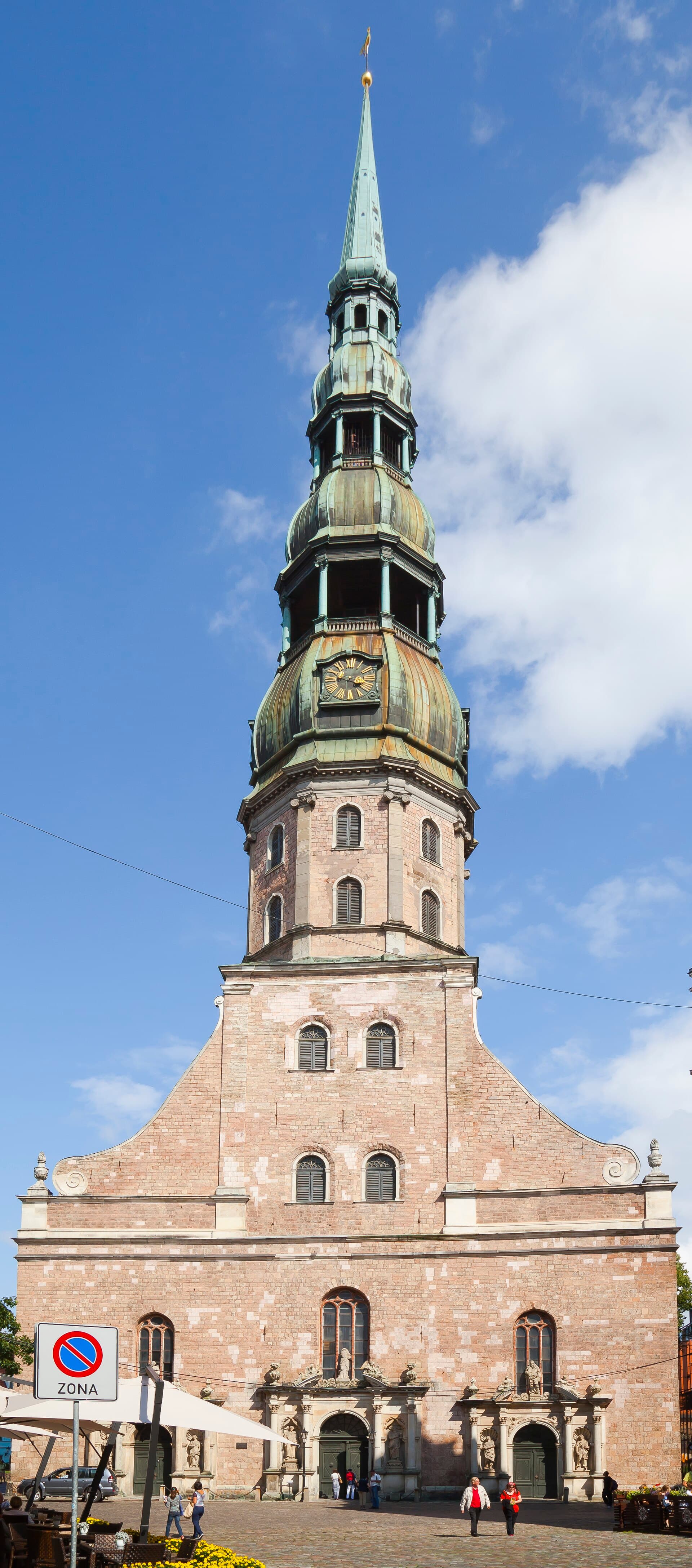 St Peter's ChurchOld Riga's tallest spire and its best view: the Gothic brick church of St Peter 12 minutes walk4.7
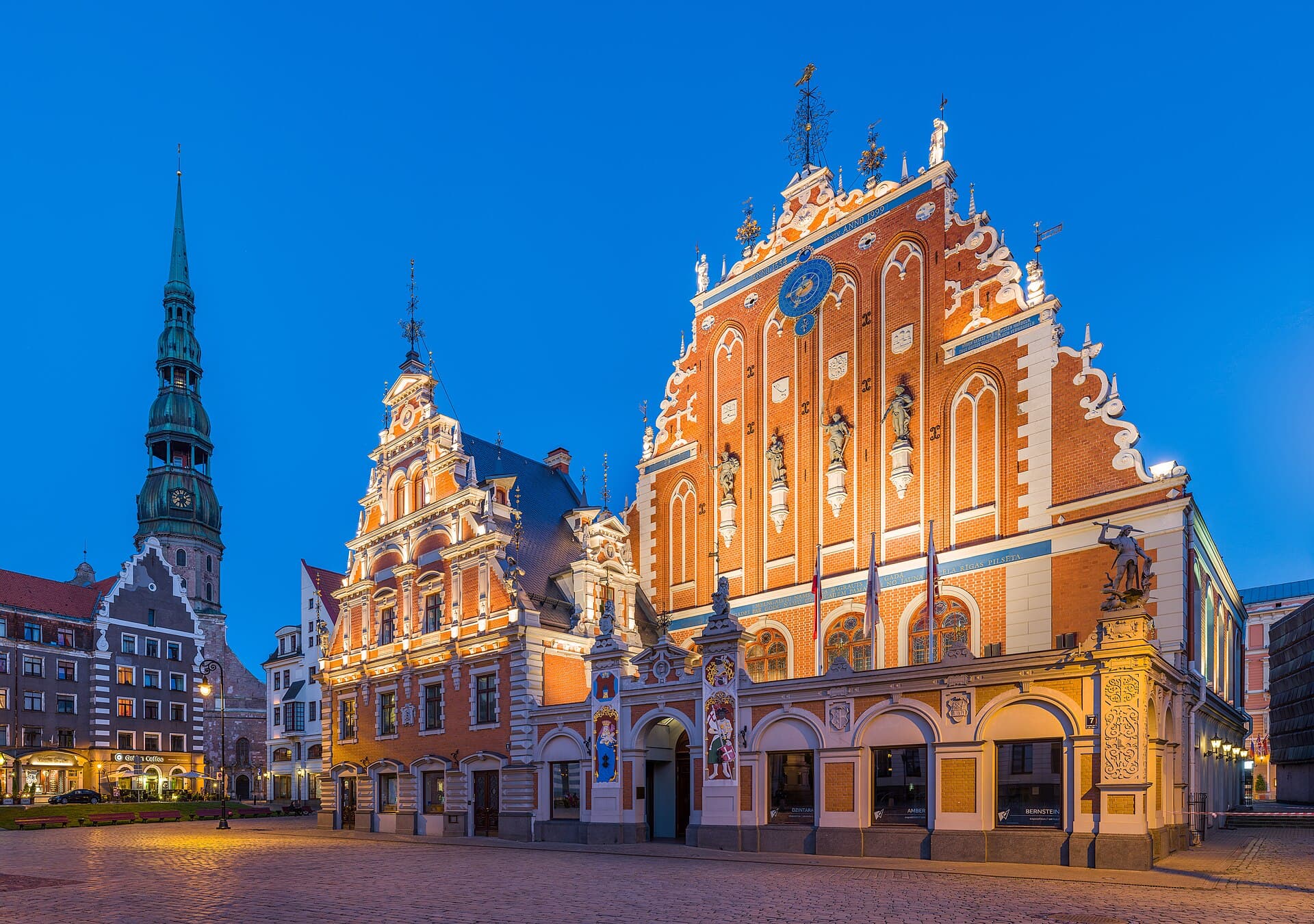 House of the BlackheadsLatvia's most famous facade — and only thirty years old: the House of the Blackh13 minutes walk4.7
Two mass shootings carried out in the Rumbula forest south of Riga on 30 November and 8 December 1941, in which around twenty-five thousand people from the Riga ghetto were shot dead within two days. It was among the largest mass shootings of the Holocaust before the extermination camps began operating. A memorial stands at the site today and can be visited south of the city.
The Corner House in central Riga, the former KGB headquarters showing the Soviet occupation and its repression, and the Museum of the Occupation of Latvia. Together the three explain the Latvian twentieth century: two successive occupations and enormous human losses under both. Visiting them in one day is heavy — spread them out.