
The gilded hall
Forty chandeliers under a painted ceiling.
Diego Delso — CC BY-SA 3.0 · Virtual-Pano — CC BY-SA 4.0 · Karlis Ustups — CC BY-SA 4.0 · Sjaak Kempe from Groningen, The Netherlands — CC BY 2.0
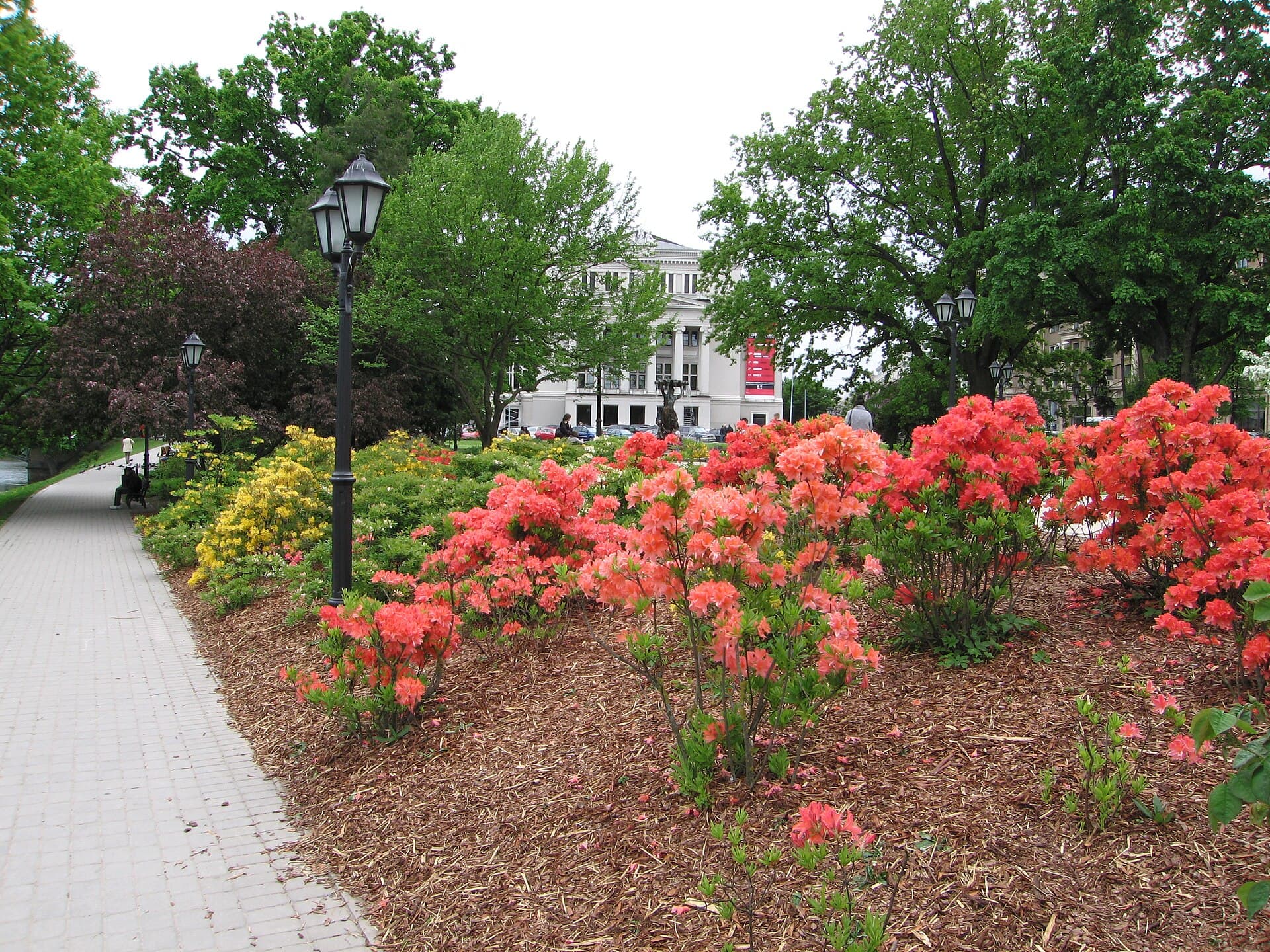
A white classical temple on the canal bank: Riga's opera house was built in 1863 as the city's German theatre, burned some years later and was rebuilt with a Neoclassical colonnade and a hall lit by forty chandeliers — today the Latvian National Opera and Ballet. Here Richard Wagner began his career as the company's conductor between 1837 and 1839, before fleeing Riga pursued by his debts — and his stormy crossing to London is said to have inspired The Flying Dutchman. His monument stands in the canal gardens in front. Ticket prices are among Europe's cheapest for opera and ballet of this standard — twenty to forty euros for good seats — with a season from September to June and a summer opera festival. Daytime architectural tours enter the auditorium and salons.
Forty chandeliers under a painted ceiling.
In the canal gardens before the house.
Aspazijas bulvāris 3, Riga
 The Art Nouveau District and BastejkalnsThe city with more Art Nouveau than any other on earth: a third of central Riga'3 minutes walk4.8
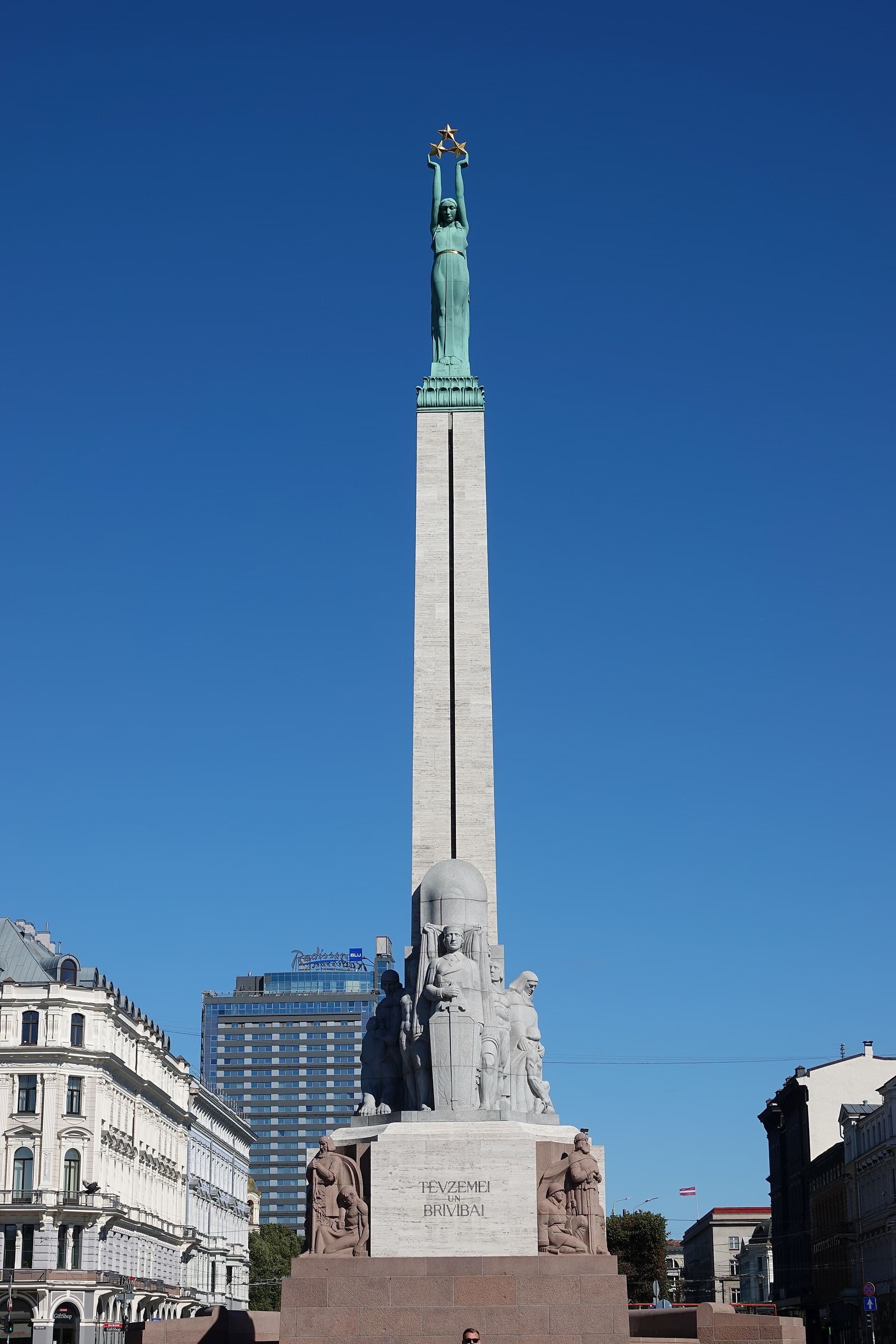 The Freedom MonumentThe symbol Latvians guarded with their eyes for fifty years: the Freedom Monumen3 minutes walk4.6
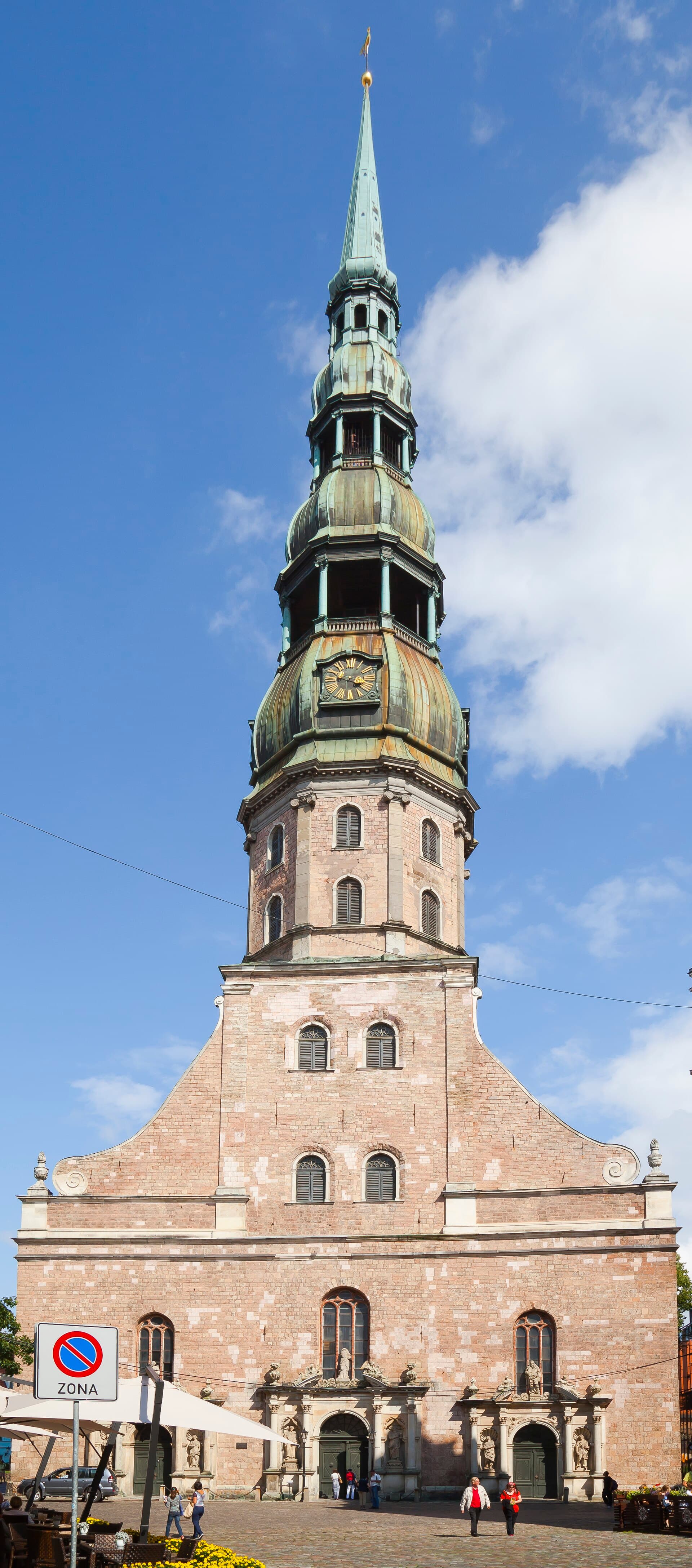 St Peter's ChurchOld Riga's tallest spire and its best view: the Gothic brick church of St Peter 4 minutes walk4.7
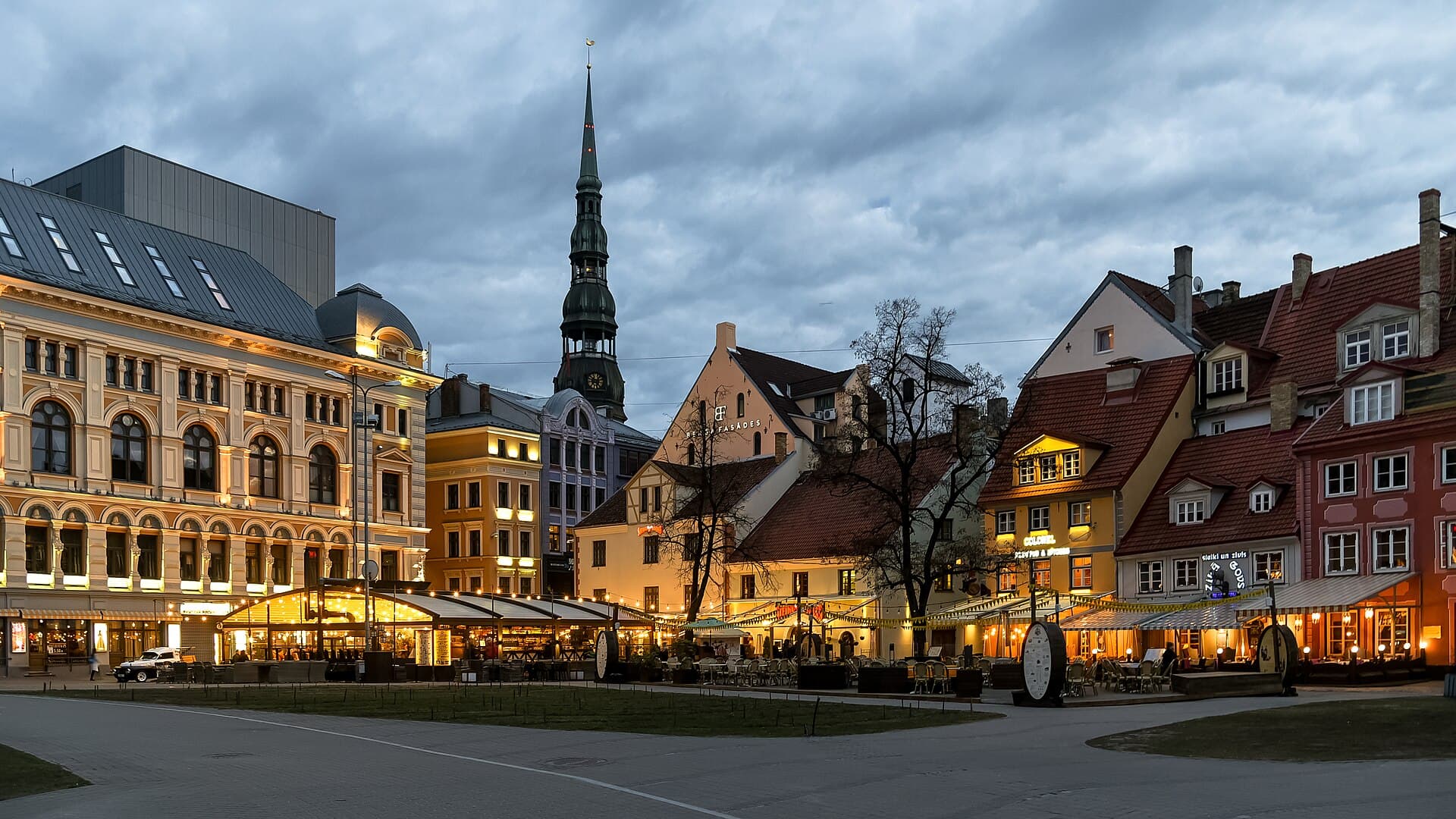 Līvu SquareAn open square in the heart of Riga's old town, ringed by cafés and restaurants 5 minutes walk4.5
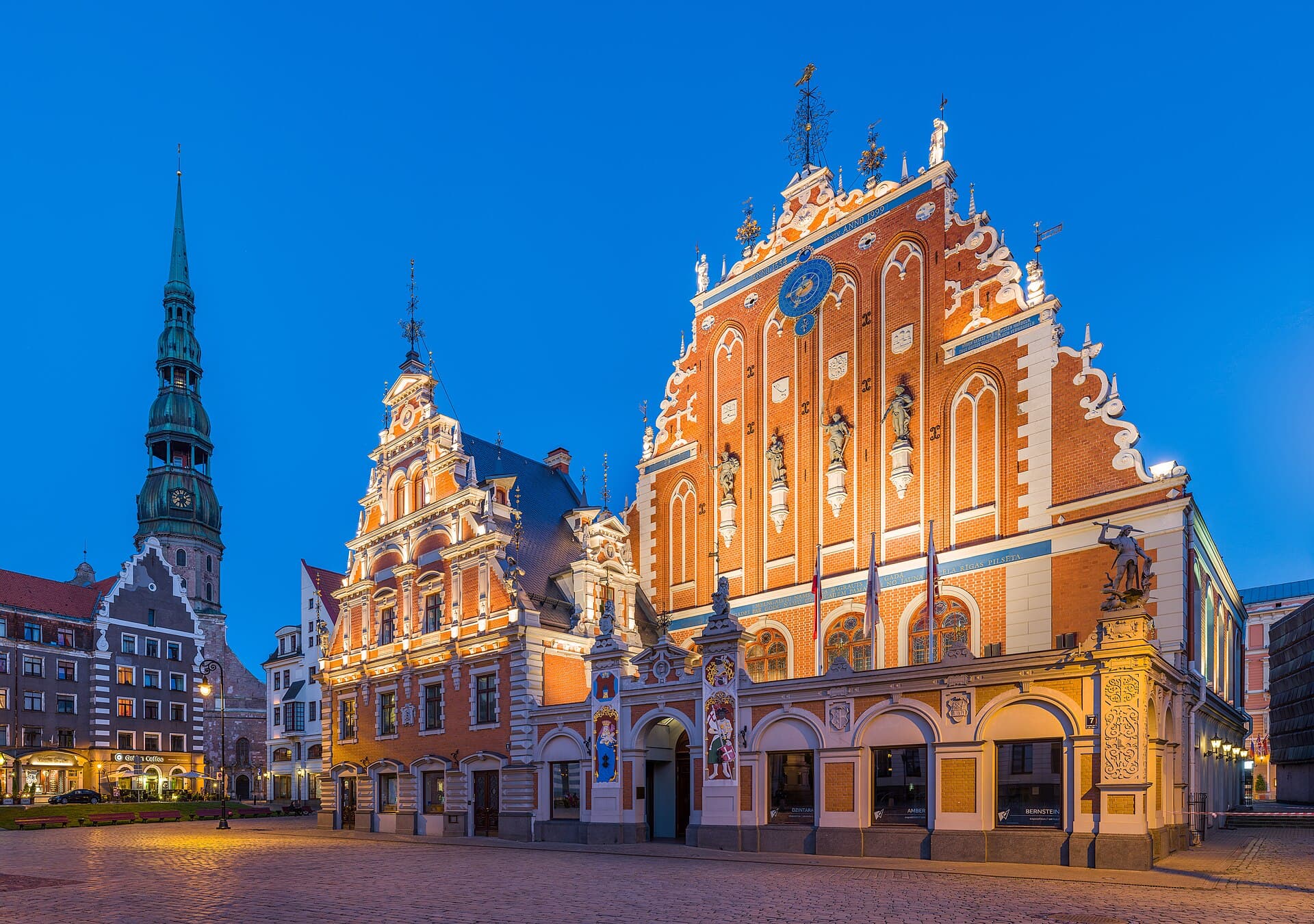 House of the BlackheadsLatvia's most famous facade — and only thirty years old: the House of the Blackh6 minutes walk4.7
The official site sells online in English at fixed prices; ballet is easier for non-Latvian speakers, and performances usually begin at seven.