
Industrial architecture
Uniform and repetitive because it was built as a storage system.
Photographer: Mosbatho — CC BY 4.0 · Laima Gūtmane (simka… — CC BY-SA 3.0 · Laima Gūtmane (simka… — CC BY-SA 3.0 · Laima Gūtmane (simka… — CC BY-SA 3.0
A group of nineteenth-century goods warehouses beside Riga Central Market, rehabilitated into a cultural quarter of galleries, creative offices, a concert hall and restaurants. The buildings are the reason. Riga was a major trading port in the Russian Empire, and these red brick warehouses were built to hold goods arriving up the Daugava before distribution. Their style is uniform and repetitive because they were built as an industrial system rather than as representative architecture. After Latvian independence in 1991 the port declined and the warehouses were abandoned, standing derelict for decades before restoration in the last ten years. The result is a visible juxtaposition: warehouses restored, others still decaying, others turned into glazed offices. The quarter adjoins the central market and the historic Maskavas forštate district, and makes a natural walking route south of the old town. Practical points: walking the quarter is free and always open; the galleries and hall keep their own hours and tickets. It is quiet by day on weekdays.
Uniform and repetitive because it was built as a storage system.
Restored buildings and derelict ones standing side by side.
The quarter explains why the city grew at all: trade on the Daugava.
Between the central market and the river, Riga
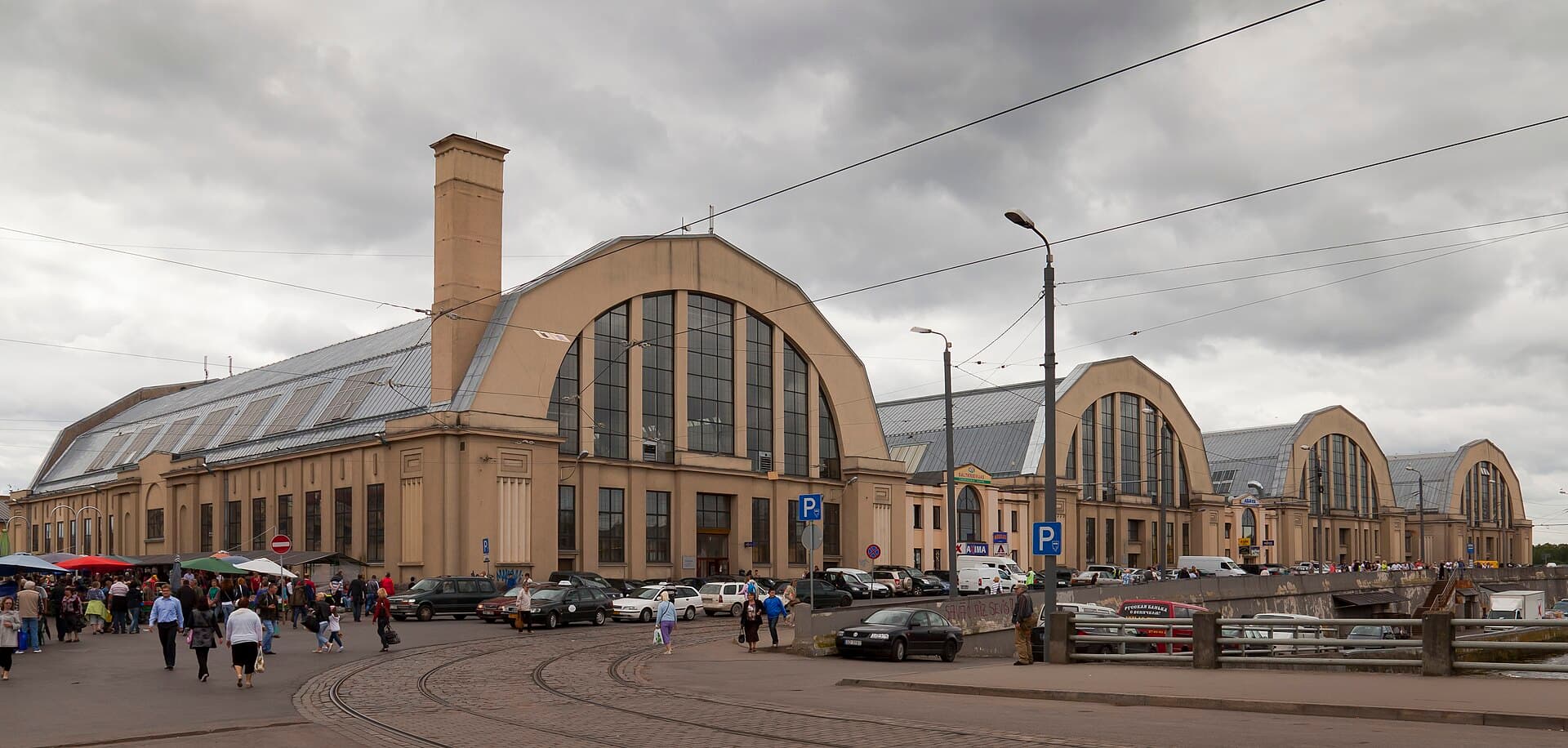 Riga Central MarketEurope's largest market inside German zeppelin hangars: Riga Central Market was 2 minutes walk4.3
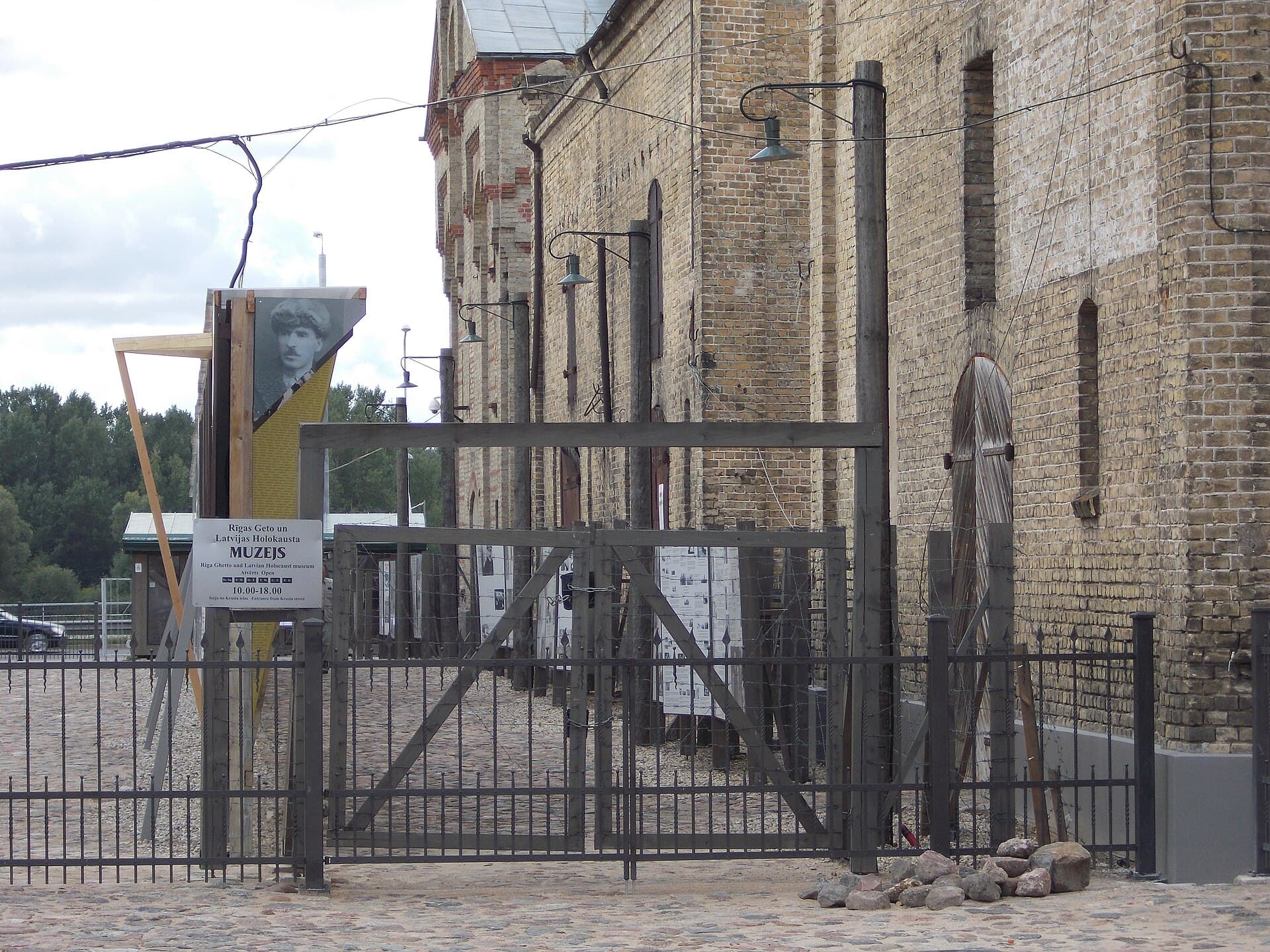 Riga Ghetto and Latvian Holocaust MuseumA museum outdoors and inside a wooden warehouse near the Spīķeri quarter, devote3 minutes walk4.5
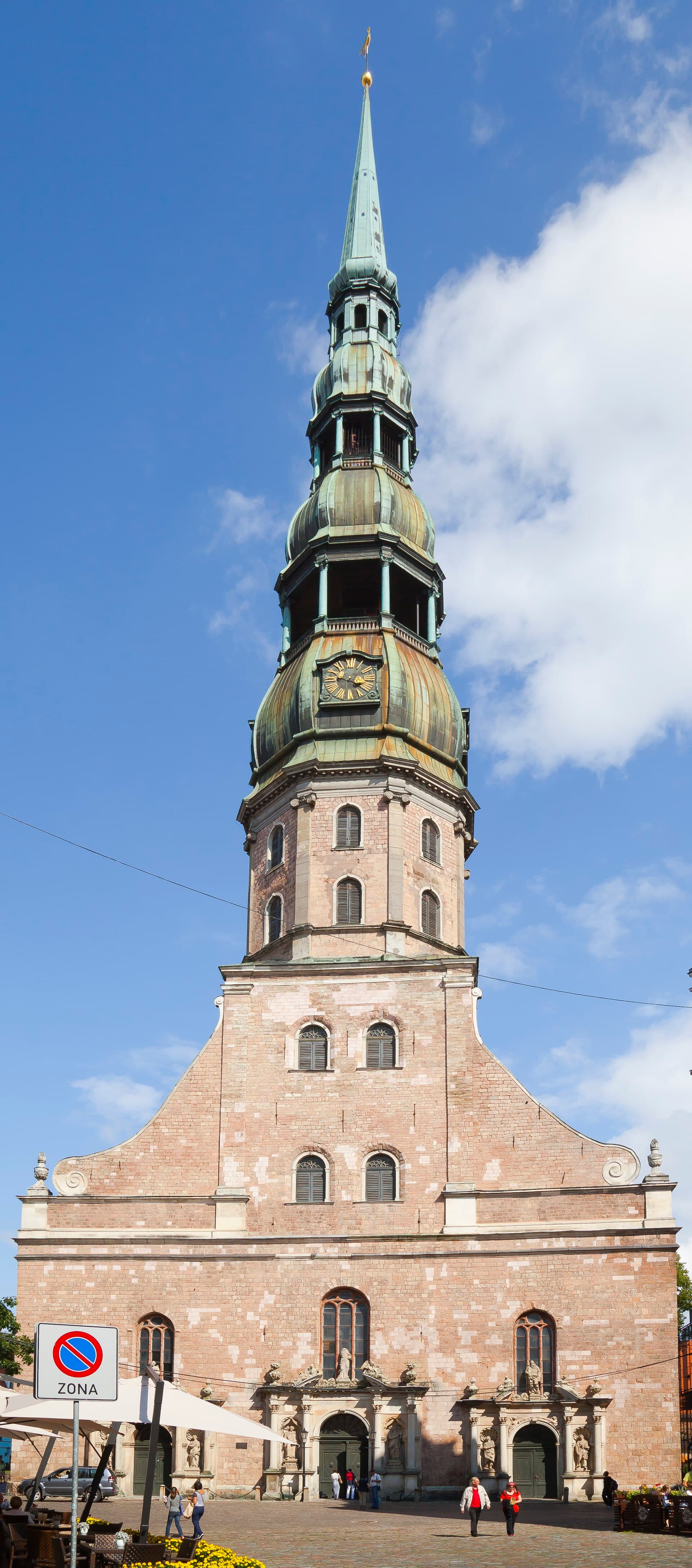 St Peter's ChurchOld Riga's tallest spire and its best view: the Gothic brick church of St Peter 9 minutes walk4.7
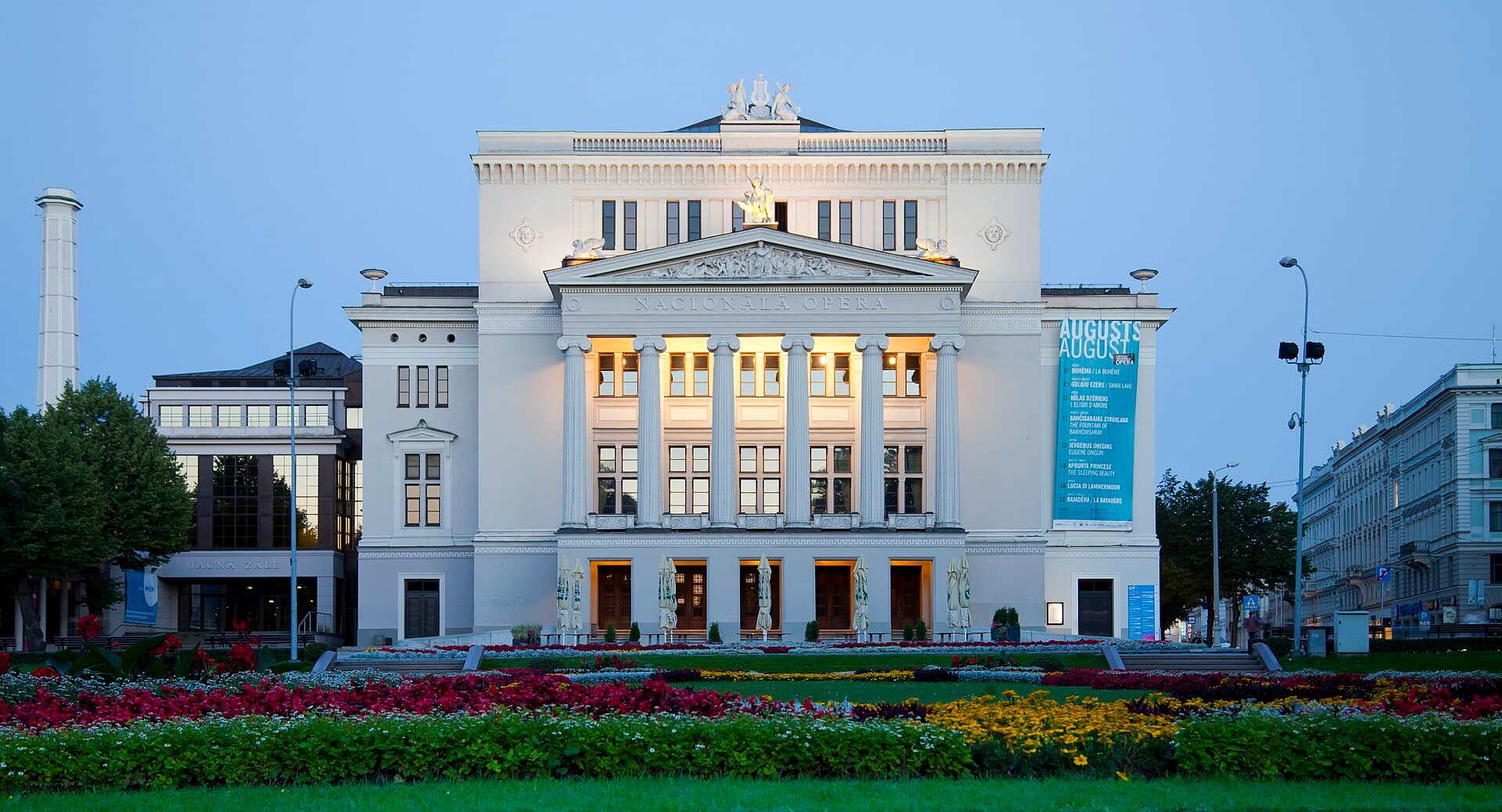 Latvian National OperaA white classical temple on the canal bank: Riga's opera house was built in 186310 minutes walk4.6
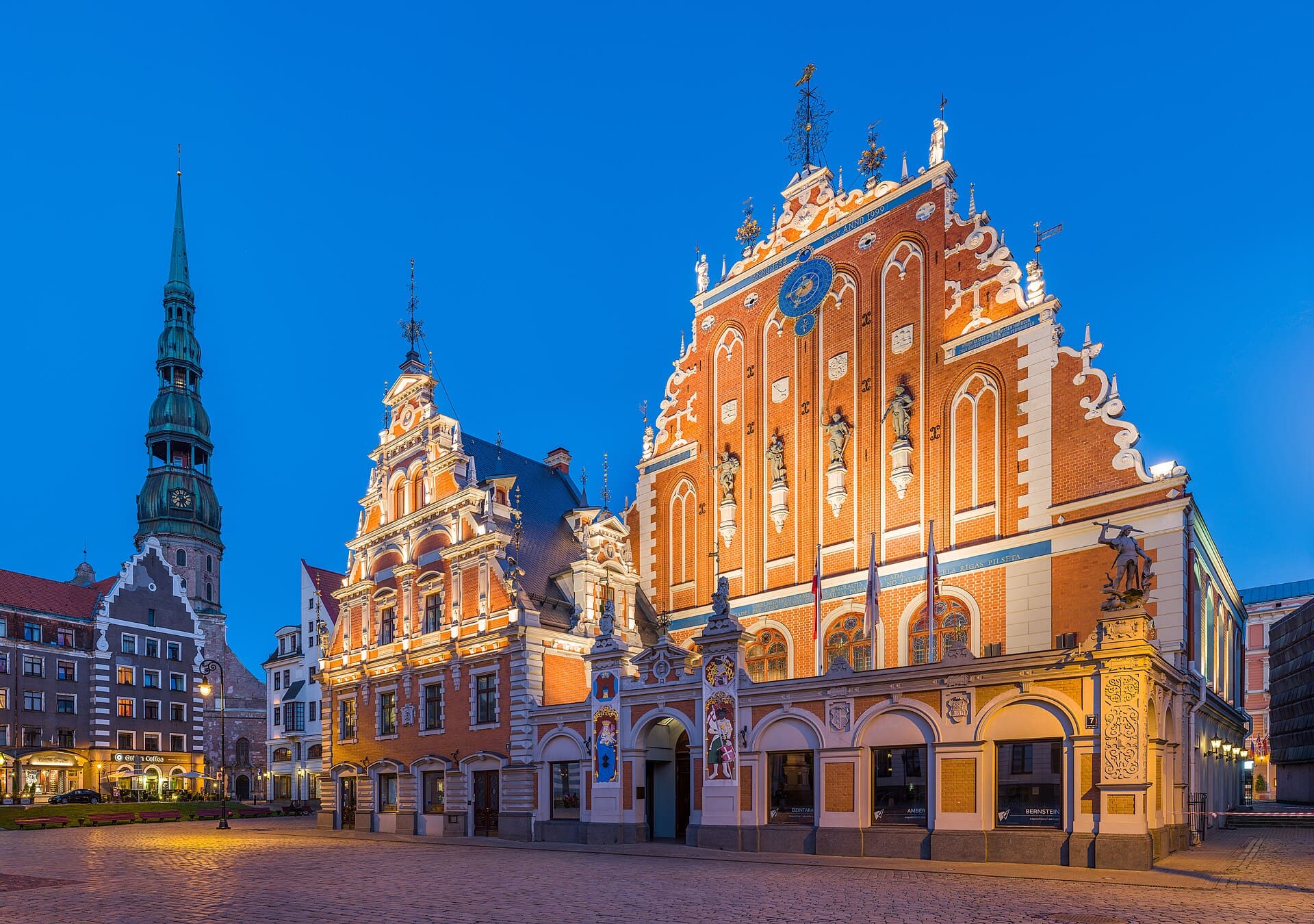 House of the BlackheadsLatvia's most famous facade — and only thirty years old: the House of the Blackh10 minutes walk4.7
Riga Central Market next door, among Europe's largest, housed in five halls that were German airship hangars from the First World War. The two make a half day, completed by the nearby Riga Ghetto museum. This area south of the old town is far less touristed and more honest about the city.
Yes by day and evening. The neighbouring Maskavas forštate district carries an old reputation and remains poorer than the centre, but the area around Spīķeri and the market is busy and lit. As in any city, mind your belongings in the market crowds.